Once considered a garment for a singular grand occasion, wedding dresses are now experiencing a remarkable transformation, moving from the back of the closet to becoming versatile, cherished keepsakes. This evolving perspective is driven by a growing awareness of fashion's environmental impact and a deeper desire to imbue sentimental items with enduring significance. Brides are embracing innovative methods to extend the life of their gowns, converting them into a variety of new items, ranging from stylish mini-dresses to christening attire, intricate lingerie, or even symbolic pieces that mark new chapters in life. This movement not only champions sustainability but also celebrates the powerful emotional resonance held within these unique garments, ensuring their story continues across generations and circumstances.
Dahlia Branch, the visionary behind Remnants of Love, a luxury brand specializing in sustainable bridal lingerie and mementos, was deeply moved by the emotional weight that clothing carries, particularly items worn during pivotal life moments. This profound appreciation spurred her to establish a service that repurposes wedding dresses and their remnants into beautiful new creations. She recounts a recent collaboration with model Roxy Horner, wife of Jack Whitehall, for whom Branch ingeniously fashioned a bespoke skirt and suspender belt from the leftover satin trimmings of Horner's wedding gown. This innovative approach allows the cherished memories of the wedding day to be woven into everyday life.
Branch emphasizes the emotional core of this trend, highlighting how specific garments can serve as powerful emotional anchors. She draws a parallel to parents who lovingly keep their children's baby clothes, noting the comfort and connection derived from the familiar scent and touch of the fabric. For Branch, the motivation behind transforming a wedding dress into something new is profoundly sentimental. In an era often characterized by ephemerality, brides yearn for something tangible—an object they can touch, wear, and revisit to rekindle the emotions and memories associated with their special day. This metamorphosis elevates a wedding dress beyond a single-day outfit, transforming it into a lifelong symbol of affection and legacy.
Pippa Cooke, founder of Bon Bridé, a bespoke wedding dress company, actively promotes the repurposing of bridal gowns into wearable items. Her motivation stems from a desire to see the dresses continue their journey long after the initial ceremony, aligning with her brand's philosophy of thoughtful design and creating pieces with enduring value. Cooke explains that reworking a wedding dress allows brides to retain the deep emotional significance of their gown while giving it a renewed purpose. Instead of merely storing the dress away indefinitely, they are creating something that will be worn, used, and treasured for many years. Many of Cooke's clients choose to convert their gowns into mini-dresses or skirts for anniversaries, often pairing them with accessories crafted from the leftover fabric for more frequent wear. This practice offers them a unique opportunity to reconnect with a meaningful item in a fresh way, integrating these smaller pieces into their regular wardrobes.
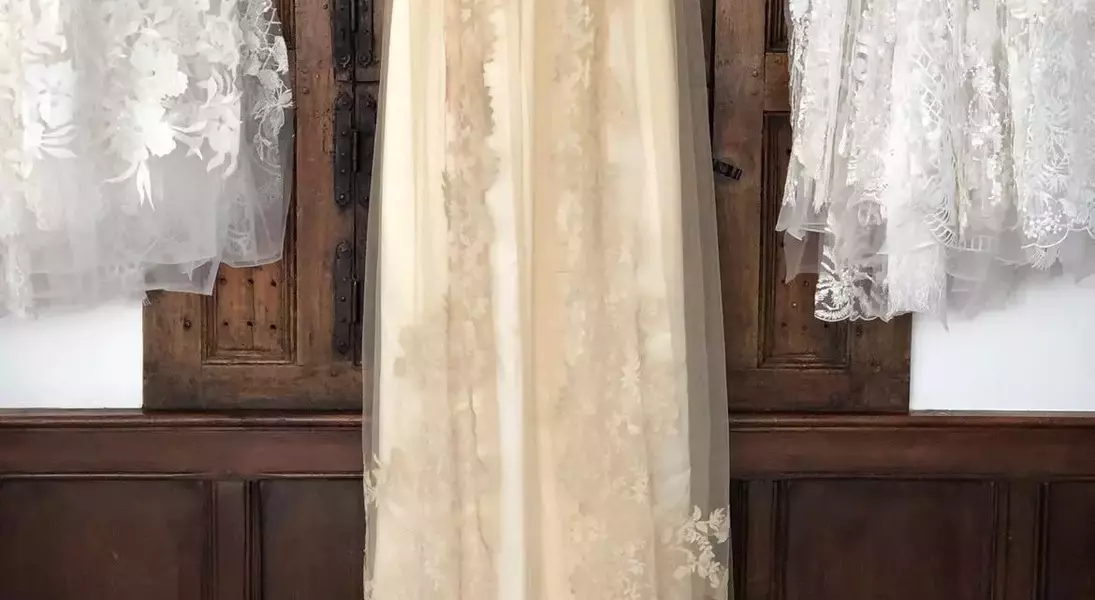
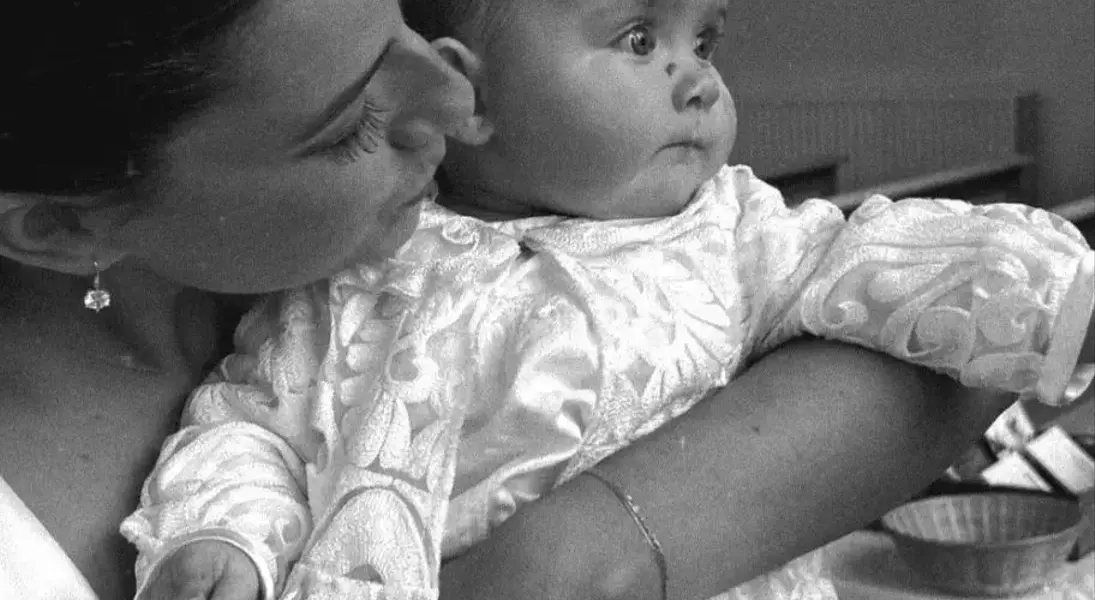
Another increasingly popular repurposing method involves transforming wedding dresses into christening gowns, beautifully echoing the tradition of married couples embarking on their journey to parenthood. For numerous brides, the prospect of their baby wearing a gown fashioned from their own wedding dress is a particularly touching and symbolic gesture. Aoife Kennedy, a designer specializing in custom bridal and evening wear, recently undertook such a project, converting a client's intricate baroque lace wedding gown into a christening ensemble, complete with a bonnet and shawl, to be preserved as a family heirloom. Kennedy meticulously crafted the set using a vintage christening shawl pattern, incorporating a pleated waist, a long train, and a Peter Pan collar. The two-piece outfit was then finished with satin trim on the sleeves and bonnet, and thoughtfully designed with buttons at the waist to allow the train to be pinned up for comfort. The client, Kate, drew inspiration from her own mother, who had her wedding dress similarly transformed three decades prior. For Kate, having her dress reimagined for her daughter's christening was profoundly special, breathing new life into the garment and establishing a cherished family legacy.
Kennedy observes that the substantial time and emotional investment involved in wedding planning often leave brides feeling a sense of void once the celebrations conclude. This desire for a new creative endeavor fuels their interest in repurposing their gowns. Creating a family heirloom, she notes, is a beautiful tribute that connects generations. In a world saturated with mass-produced goods, the opportunity to possess an upcycled piece with such a rich personal narrative is truly special.
In a more unconventional yet equally poignant approach, some brides are choosing to repurpose their wedding dresses in the wake of divorce. Lucy Roe, the designer behind Lucy Can't Dance, found herself in this situation after the unexpected end of her four-year marriage. Faced with the dilemma of what to do with her gown, she opted to transform a painful memory into an empowering act. Rather than discarding or destroying a dress she had designed, crafted, and deeply loved, Roe chose to reclaim its power and rewrite its narrative. She reimagined it from a garment representing a shared union into one that solely celebrated her, a piece designed to rekindle her sense of strength and confidence. This act of creative reclamation provided the much-needed spark to navigate a traumatic period.
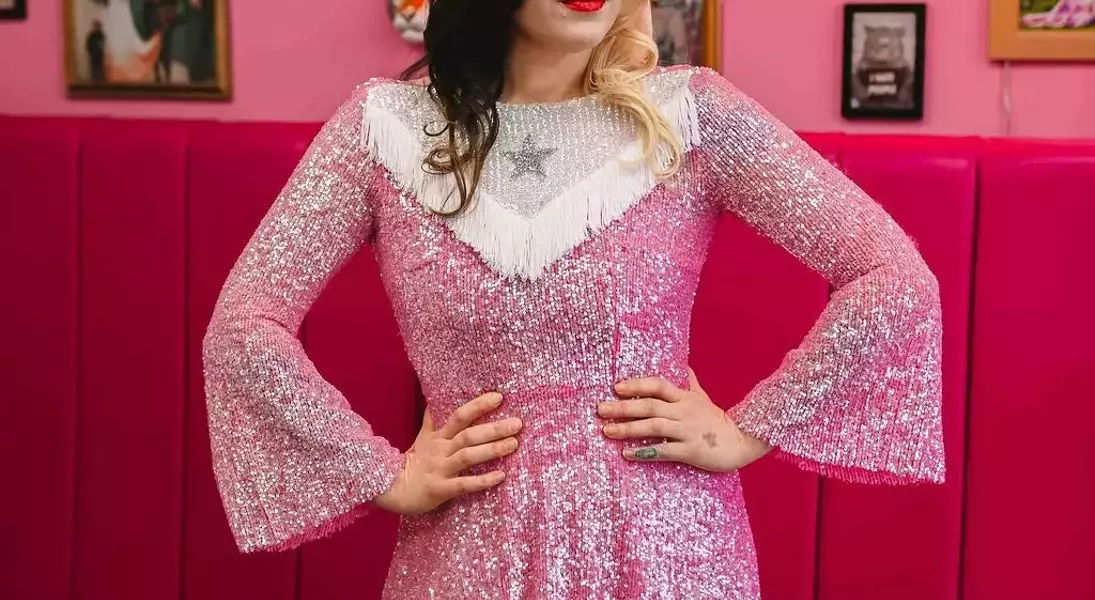
Roe, a connoisseur of Western fashion, decided to remake her sequined gown into a striking, short cowboy-inspired dress. She dyed it a vibrant bubblegum pink and added a contrasting white bodice adorned with tassels. Having already worn it for the launch of her new studio, she plans to wear it again once her divorce is finalized. She shared that since revealing her story, she has been overwhelmed with messages from women who have experienced similar heartbreaks. While acknowledging the painful commonality of such betrayals, she finds immense therapeutic value in connecting with these individuals and assisting them in crafting their own new narratives. A dress once laden with sorrowful memories can thus be reborn into something worn with pride and joy, symbolizing resilience and renewed self-identity.
