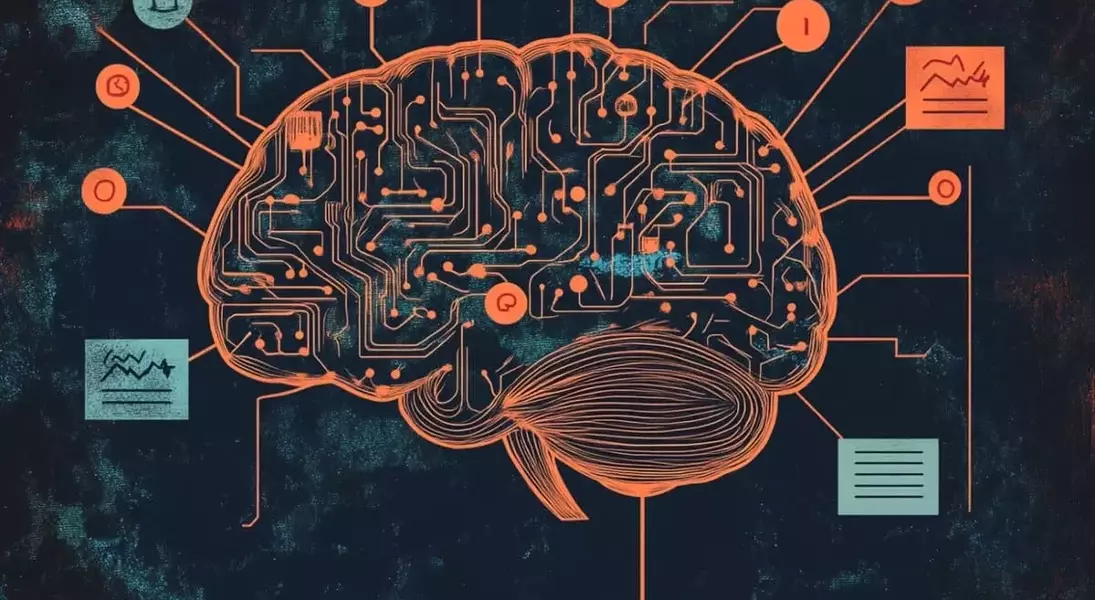
A groundbreaking study conducted by researchers from Mass General Brigham has unveiled a specific brain circuit associated with the intensity of political involvement, irrespective of individual political beliefs. By analyzing data from 124 male military veterans who suffered penetrating brain injuries, scientists identified that lesions in certain areas influenced levels of political engagement. Damage to regions tied to cognitive control increased political involvement, while harm to areas linked to fear and empathy decreased it. This research suggests that political intensity stems from shared neurological mechanisms rather than ideological differences.
Details of the Study
In an intriguing exploration during a golden autumn season, researchers embarked on a journey to understand the neural basis of political behavior. The investigation involved examining the records of 124 male military veterans who had endured penetrating head injuries decades ago. These individuals participated in behavioral testing approximately 40-45 years post-injury, where they were asked about their current political activities and recollections of pre-injury political behavior. The questionnaire focused on aspects such as interest in politics, frequency of media consumption related to politics, and discussions with others regarding political matters. Using advanced lesion network mapping techniques alongside a normative connectome database comprising 1,000 participants, the team mapped out circuits functionally connected to lesions affecting political intensity. They discovered that lesions near the dorsolateral prefrontal cortex and posterior precuneus heightened political engagement, whereas those close to the amygdala and anterior temporal lobe reduced it. Remarkably, these effects were consistent across both conservative and liberal participants, indicating that political intensity is rooted in common neuroanatomical structures.
From a journalistic perspective, this study offers profound insights into human behavior and cognition. It challenges the conventional wisdom that political engagement is primarily shaped by ideology or upbringing. Instead, it highlights the significant role played by biology in determining how deeply individuals immerse themselves in political affairs. For readers, this revelation might inspire curiosity about the interplay between neuroscience and social sciences, encouraging further exploration into how our brains influence various facets of life beyond just politics.
