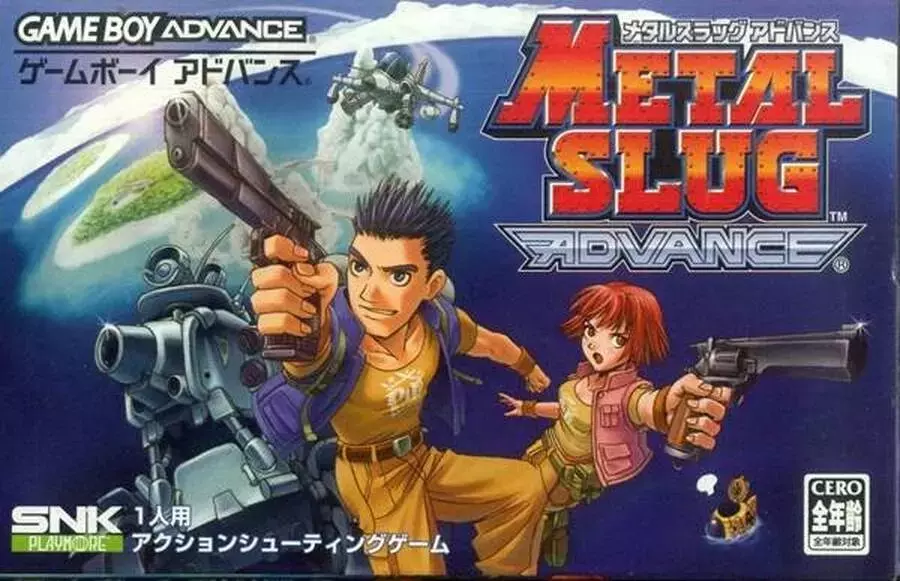

In this latest installment of the celebrated 'Box Art Brawl' series, the spotlight falls on the acclaimed GBA title, 'Metal Slug Advance'. This feature follows a spirited contest involving 'Wii Sports Resort', where the European and Japanese designs secured a resounding victory with an impressive 84% of the vote. Now, attention shifts to the iconic 2004 release from Noise Factory, 'Metal Slug Advance', which earned critical praise for its faithful adaptation of the core series' gameplay. The competition this week showcases the distinct artistic interpretations from North America/Europe and Japan, inviting enthusiasts to weigh in on which region best captured the essence of the game.
Detailing the 'Metal Slug Advance' Box Art Showdown
The stage is set for a visual duel as 'Metal Slug Advance' makes its debut on Switch Online, prompting a fresh examination of its original GBA packaging. The Western box art, encompassing both North American and European markets, presents a classic, meticulously composed scene. It vividly portrays protagonists Walter Ryan and Tyra Elson in dynamic action, leaping amidst obstacles as they advance into combat. This design is lauded for its intricate details and efficient use of space, creating a rich visual narrative that leaves no corner unutilized. It evokes a sense of nostalgia for a bygone era of game design, resonating with a traditional aesthetic.
Conversely, the Japanese rendition offers a more abstract and dynamic visual. While arguably less detailed and personalized compared to its Western counterpart, it leverages the horizontal canvas with a unique flair. The artistic direction taken by Japan emphasizes a different aspect of the game's energy and character, though it may not appeal to all tastes. This contrast provides a fascinating study in regional marketing and artistic preferences within the gaming industry. Readers are encouraged to scrutinize these different approaches and decide which cover art truly stands out.
This ongoing series consistently offers a delightful journey into the aesthetic choices surrounding video game releases across different geographical regions. It’s not merely about identifying a 'winner' but appreciating the diverse artistic expressions that emerge from various cultural contexts. Each comparison sparks lively debate and provides a valuable glimpse into how games are perceived and presented worldwide. Such exercises underscore the subjective nature of art and design, reminding us that beauty truly lies in the eye of the beholder, especially when it comes to the cherished box art of our favorite video games.