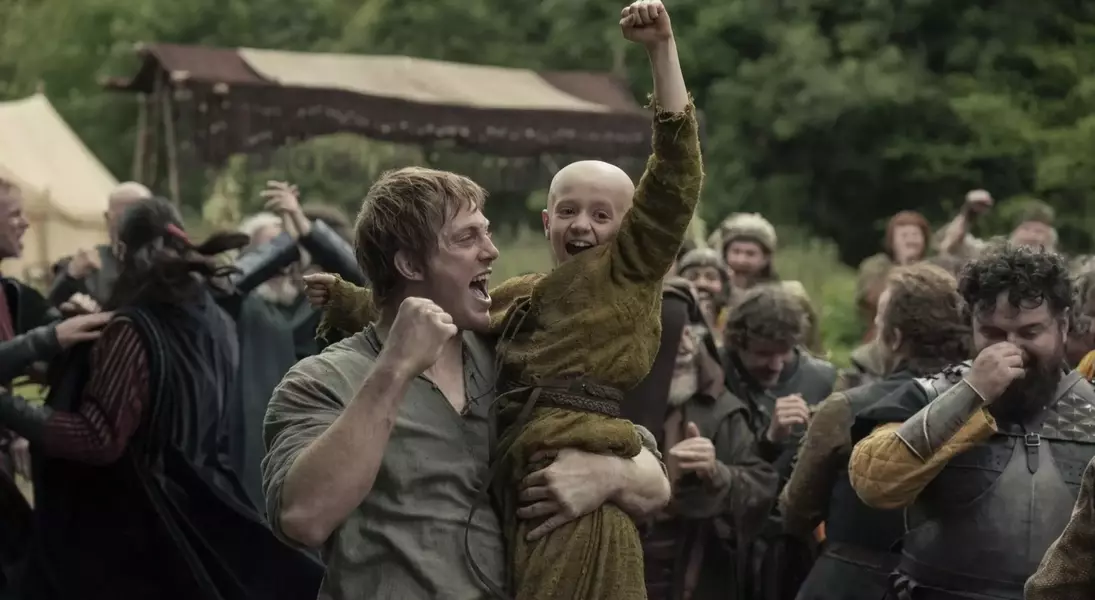
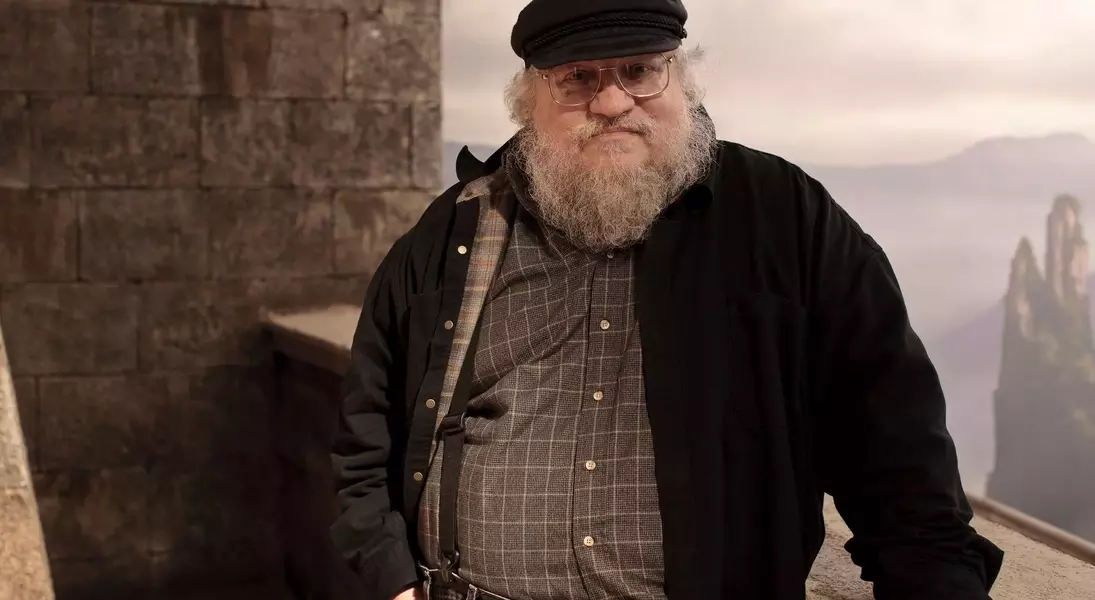
Mallory Rubin, a respected authority on the "Game of Thrones" universe, has put forth a provocative argument: George R.R. Martin should cease work on "The Winds of Winter." Her rationale stems from the desire to prevent the spin-off series, "A Knight of the Seven Kingdoms," from encountering the same narrative challenges that plagued the original "Game of Thrones" television adaptation when it outstripped its source material. Instead, Rubin advocates for Martin to dedicate his efforts to crafting more "Tales of Dunk and Egg" novellas, thereby securing a robust foundation for the burgeoning prequel series and ensuring its creative longevity.
This proposition, while potentially unsettling for long-time fans eagerly awaiting "The Winds of Winter," is presented as a strategic move to benefit both the author and the fandom. By prioritizing the expansion of the Dunk and Egg narratives, Martin could sidestep the immense pressure and scrutiny surrounding his main saga, rediscover his writing rhythm in a less demanding format, and ultimately provide a richer, more complete experience for audiences invested in the world of Westeros. The goal is to guarantee that "A Knight of the Seven Kingdoms" can thrive with ample source material, avoiding a premature divergence from its literary origins.
The Controversial Call for a Literary Shift
Mallory Rubin, a well-known voice in the "Game of Thrones" podcast community and content director for The Ringer, has ignited discussion with her bold suggestion that author George R.R. Martin should discontinue his work on "The Winds of Winter." Her viewpoint is grounded in the potential safeguarding of the "A Knight of the Seven Kingdoms" series, aiming to prevent it from outrunning its source material, a scenario that contributed to the widely criticized conclusion of the "Game of Thrones" television show. Rubin believes that shifting focus to the "Tales of Dunk and Egg" novellas would offer a more sustainable path forward, ensuring the prequel series has a solid literary foundation to draw upon.
Rubin's argument centers on the premise that Martin's continued work on the extensively delayed "The Winds of Winter" has become an undue burden, generating immense fan pressure and media scrutiny. She proposes that by pivoting to the shorter, more manageable "Dunk and Egg" novellas, Martin could experience a creative revitalization. This change in focus would not only provide a wealth of new material for "A Knight of the Seven Kingdoms," guaranteeing its narrative integrity, but also allow Martin to alleviate the stress associated with his main saga. The ultimate aim is to ensure a more positive and consistent storytelling experience for the dedicated fanbase, preventing a repeat of past adaptations' missteps due to a lack of completed literary content.
Securing the Narrative Future of Westeros
The core of Rubin's recommendation is to proactively address the potential for "A Knight of the Seven Kingdoms" to encounter similar challenges faced by "Game of Thrones," where the television series eventually surpassed Martin's written work. She highlights the limited existing "Dunk and Egg" novellas (currently three) and emphasizes the urgency of creating more, given Martin's own indication of having numerous ideas for these stories. By focusing on these novellas, Martin could build a substantial literary reservoir, ensuring that the television adaptation of "A Knight of the Seven Kingdoms" has a rich and detailed narrative to adapt for many seasons to come, thus avoiding the need for showrunners to invent storylines without authorial guidance.
This strategic redirection is presented not as an abandonment of "The Winds of Winter," but rather as a tactical pause that could ultimately benefit the broader Westeros universe. Rubin posits that working on the less daunting novella format might re-energize Martin and help him overcome any creative blocks, potentially even clearing the path for him to return to and complete his main series with renewed vigor. The advantage of this approach is two-fold: it provides immediate, compelling content for the ongoing television adaptations, maintaining fan engagement and critical acclaim, while also creating a healthier, less pressure-filled creative environment for Martin, ensuring a more consistent flow of new stories from his prolific imagination.
