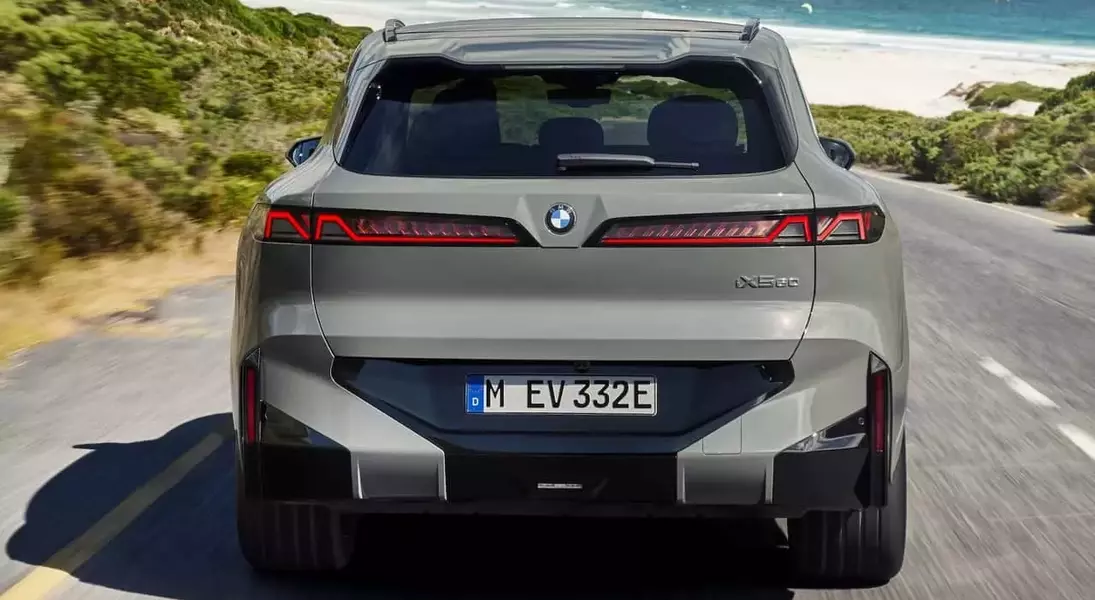
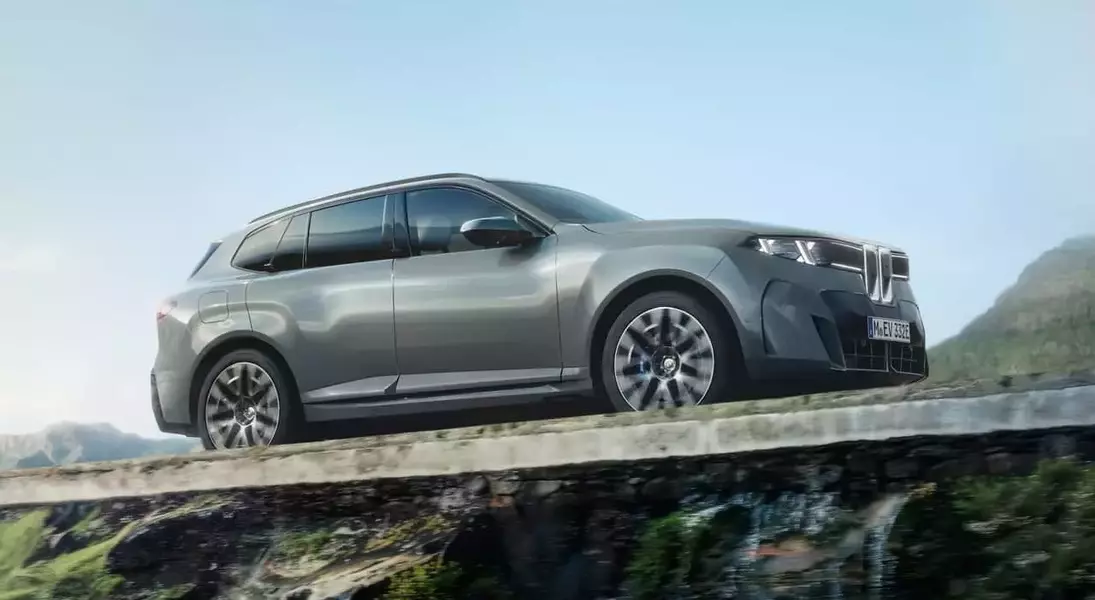
BMW's latest iteration of the X5 marks a significant departure from its predecessors, embracing the brand's forward-thinking 'Neue Klasse' design philosophy. This fifth-generation SUV showcases a redesigned exterior with bold aesthetic choices, a thoroughly modernized cabin, and an expanded suite of powertrain options aimed at global markets. Breaking from tradition, BMW has notably removed the signature split tailgate in favor of a conventional liftgate, a decision driven by aerodynamic efficiency and packaging considerations. This comprehensive overhaul positions the new X5 as a pivotal model in BMW's evolving lineup, promising an innovative blend of style, technology, and diverse performance capabilities.
The engineering advancements in the new BMW X5 are evident in its increased dimensions and enhanced weight, reflecting a strategic shift towards more robust and technologically advanced vehicle architectures. The vehicle is slightly longer than the outgoing model, aligning it closely with the current BMW iX in terms of physical footprint. This expansion in size contributes to a notable increase in curb weight across all variants, particularly for the plug-in hybrid and all-electric iX5 models. These weight gains are a direct consequence of incorporating larger battery packs, advanced hybrid systems, and comprehensive structural enhancements designed to support diverse propulsion technologies and elevate overall performance and safety standards.
Revolutionary Exterior and Enhanced Dimensions
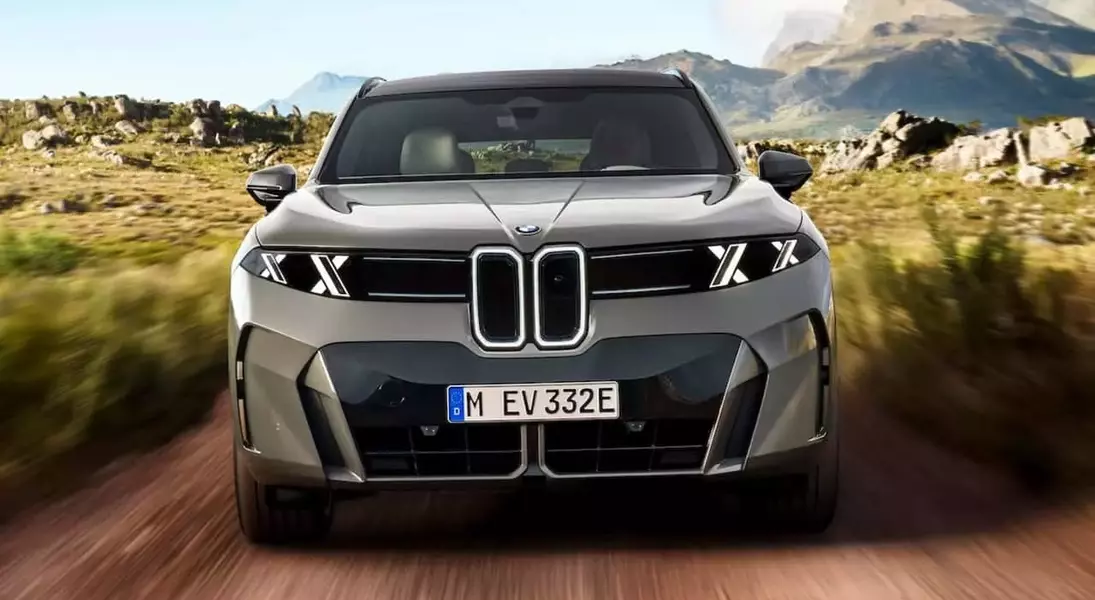
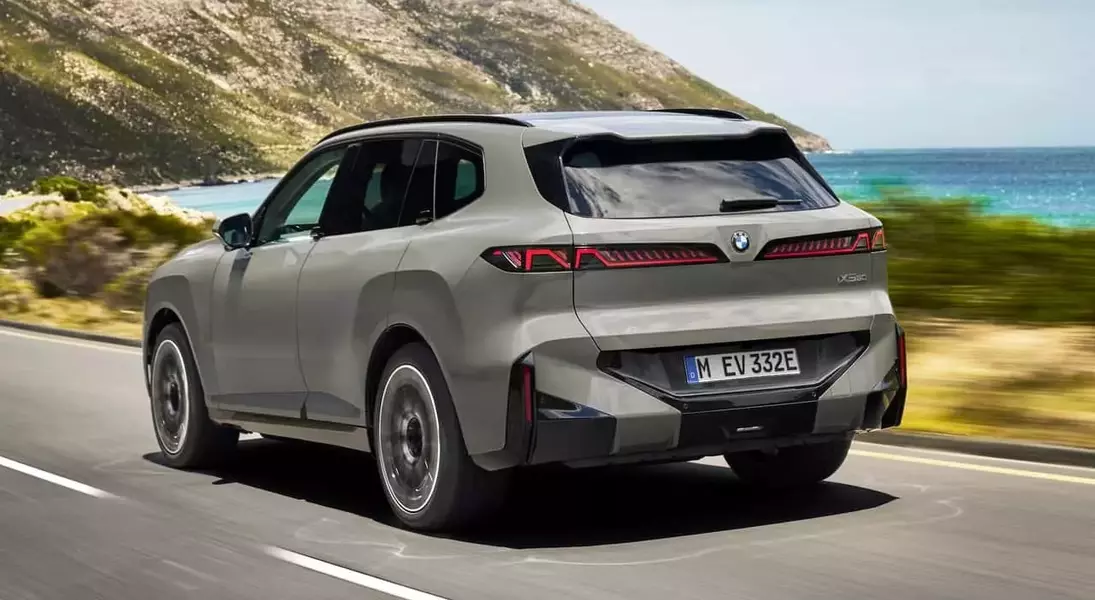
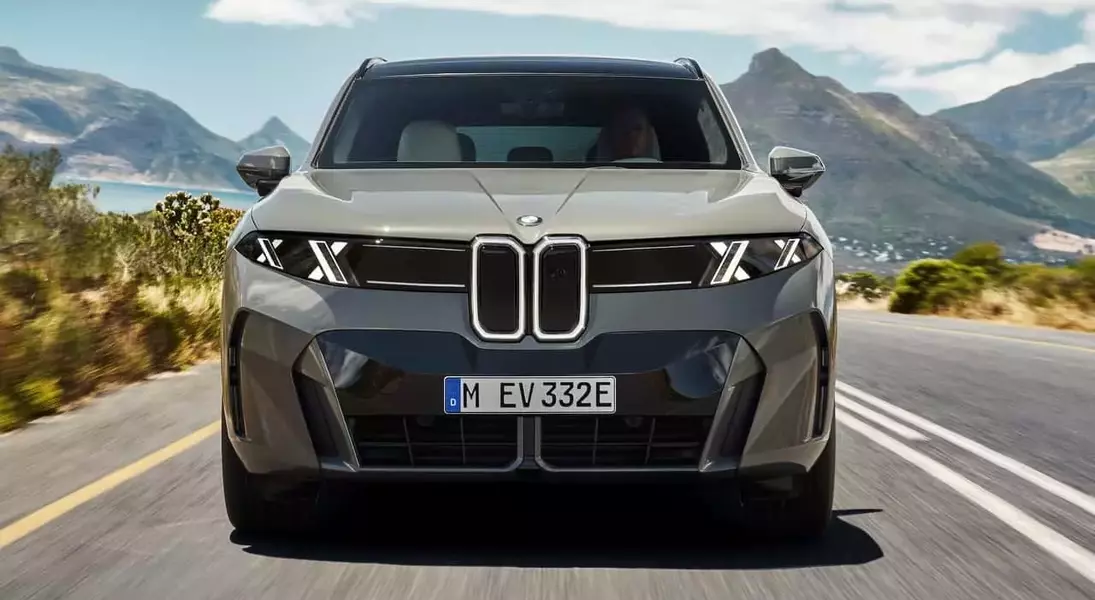
The latest BMW X5 introduces a groundbreaking exterior design, featuring distinctive double-X headlights that nod to classic BMW M cars with their optional yellow illumination. A notable departure is the adoption of streamlined, winged door handles, similar to those found on other modern vehicles, contributing to a sleeker profile and improved aerodynamic performance. Perhaps the most significant and debated change is the replacement of the iconic split tailgate with a more conventional single-piece liftgate, a decision BMW attributes to optimizing aerodynamics and cargo space, despite potentially alienating traditionalists.
Beyond its striking new facade, the new X5 has grown in stature. It is approximately 2.2 inches longer than its predecessor, placing it in a similar size bracket to the current BMW iX, which it is poised to eventually supersede globally. This increase in size is accompanied by a substantial weight gain across the board. The standard gasoline model is roughly 300 pounds heavier, while the plug-in hybrid variant adds even more bulk, weighing in at nearly 6,000 pounds. The fully electric iX5, the heaviest of the range, tips the scales at an astonishing 6,393 pounds, a testament to its advanced battery technology and comprehensive electric drivetrain.
Sophisticated Interior and Diverse Propulsion Systems
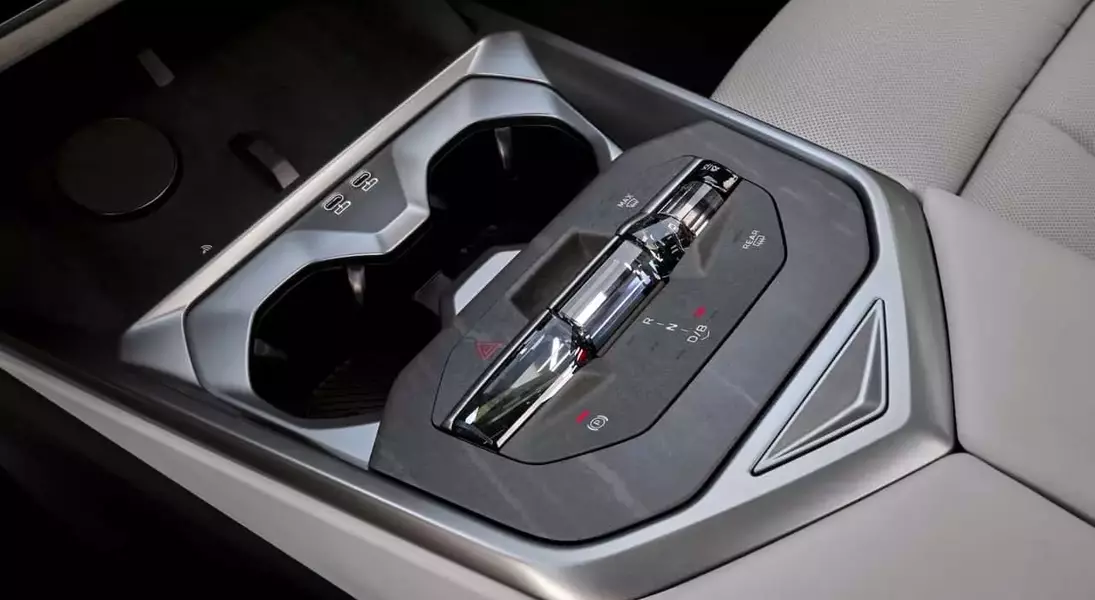
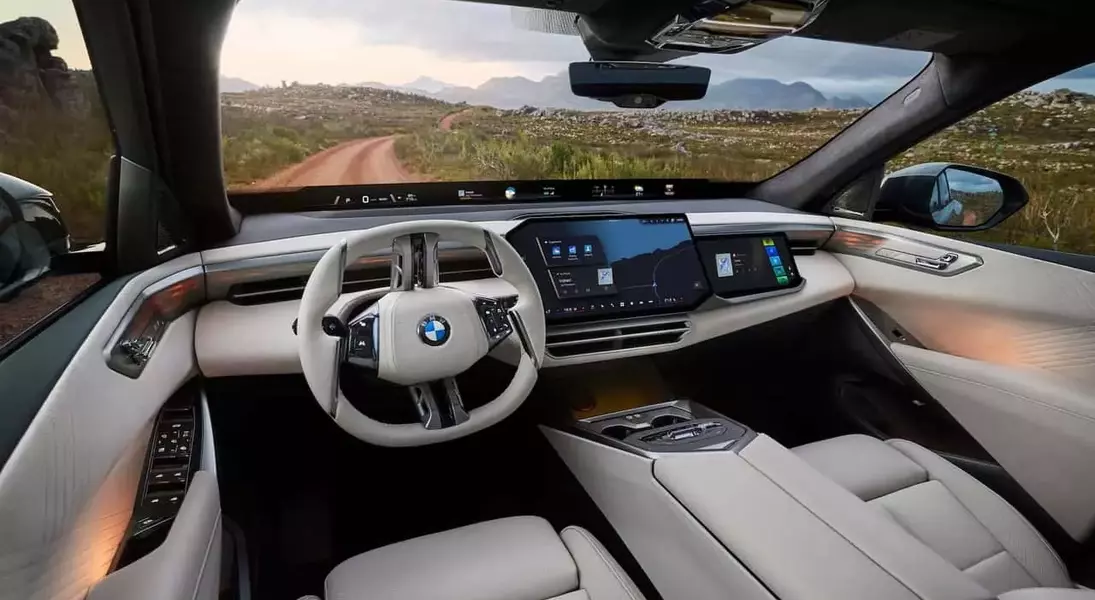
The cabin of the new X5 has been thoroughly upgraded, reflecting BMW's latest interior design language seen in the 'Neue Klasse' vehicles. It integrates a dashboard layout similar to the i3 but draws stronger parallels with the refreshed 7 Series, most notably through the availability of an expansive 14.6-inch passenger display complementing the dominant 17.9-inch central touchscreen. This advanced infotainment setup is paired with BMW’s innovative vertical spoke steering wheel, with an M Sport alternative for enthusiasts, and the panoramic iDrive system, featuring an AI assistant for in-car functions and general inquiries. The commitment to luxury is further underscored by premium interior materials, including slate options for the center console and Alcantara trims, along with optional glass controls, enhancing the tactile and visual experience within the sophisticated interior.
Underpinning this refined interior and bold exterior is an extensive array of five distinct powertrain options for global markets, demonstrating BMW’s commitment to varied propulsion technologies. These include conventional gasoline engines, advanced plug-in hybrids, a fully electric variant, a diesel option (not available in the US), and a future hydrogen fuel cell model slated for 2028. For the US market, a gasoline-powered X5 40 model will offer 400 horsepower and 428 pound-feet of torque from a 3.0-liter straight-six engine. Two plug-in hybrid choices, the X5 50e and X5 M60e, will deliver 489 hp and 612 hp respectively, combining the straight-six with a 26.5 kWh battery. The all-electric iX5 60, bound for the US, features an innovative 141.0 kWh battery, providing 578 hp, 593 lb-ft of torque, and an impressive estimated range of up to 525 miles on the WLTP cycle. This new battery architecture, derived from the iX3, enhances usability by 30 percent, optimizing density while reducing physical size and weight, showcasing BMW’s leadership in electric vehicle development.
