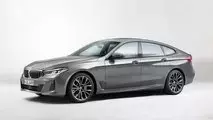
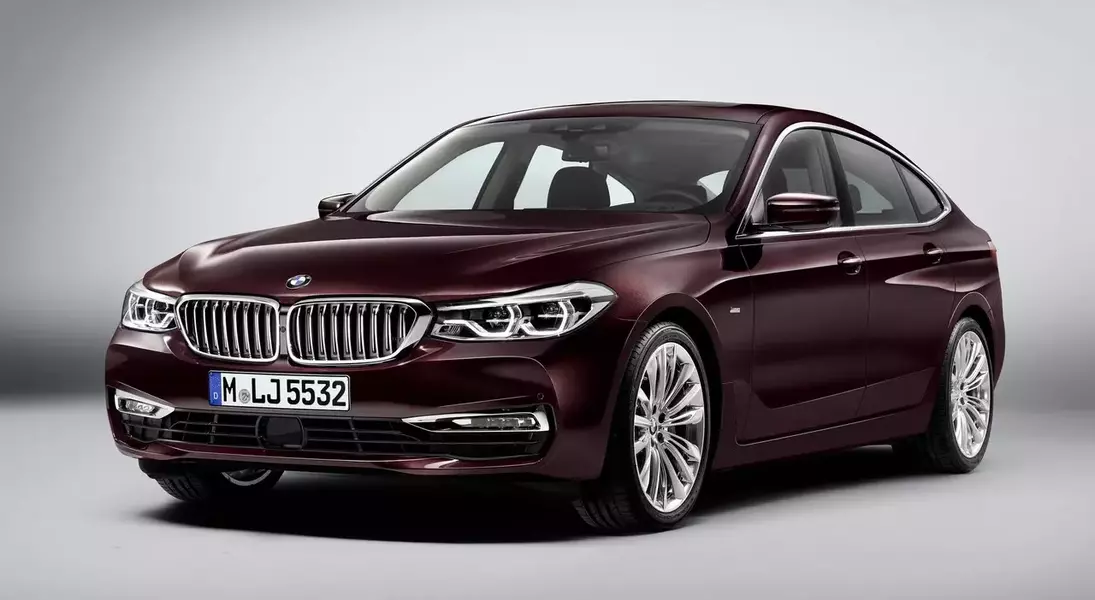
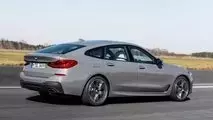
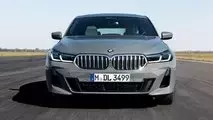
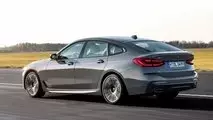
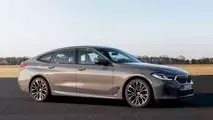
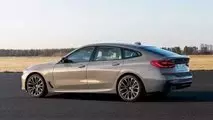
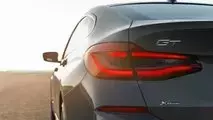
In an unexpected twist in the automotive market, BMW's discontinued 6 Series Gran Turismo and i3 models have defied their cessation of production by registering sales in the United States during 2025. This phenomenon of 'zombie cars' – vehicles sold long after their official retirement from the lineup – highlights a fascinating aspect of consumer behavior and inventory management within the luxury car sector. While the 6 Series GT, with its distinctive hatchback design, struggled for widespread appeal during its brief market presence in North America, its recent sales, alongside that of the electric i3, underscore a peculiar enduring interest from a niche segment of buyers. These instances provide a unique perspective on how certain models can find homes even years after their perceived obsolescence.
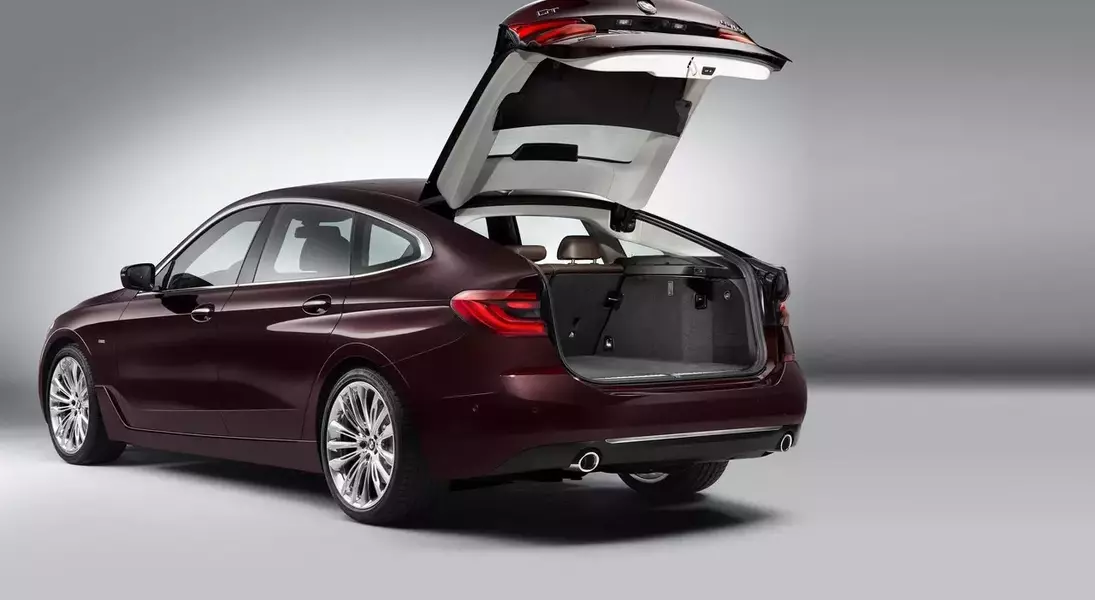
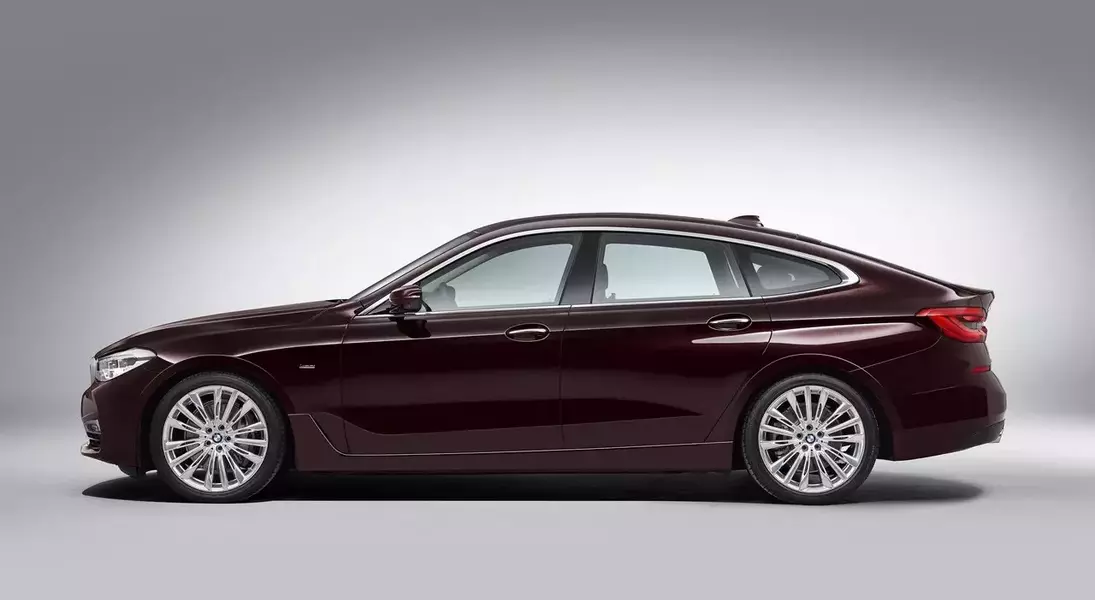
BMW has historically explored various market segments with models that sometimes deviate from conventional designs. The 6 Series Gran Turismo, and its predecessor, the 5 Series GT, represented such an exploration. Envisioned as a spacious hatchback offering a blend of luxury and utility, these vehicles aimed to provide an alternative to the traditional 5 Series wagon, with comfort levels approaching that of the larger 7 Series. However, their unique body style, which some found less aesthetically pleasing than their sedan counterparts, likely contributed to their limited commercial success.
The 6 Series GT was specifically available in the U.S. for only two model years, concluding its official run after the 2019 model year. Despite this, sales figures reveal a trickle of new units still finding buyers. In the past year alone, two 'new' 6 Series GT vehicles were purchased in North America, with transactions occurring in the third and fourth quarters. This isn't an isolated event, as previous years have also seen unexpected sales, including one unit in 2024, 55 in 2021, and 200 in 2020. These figures, while small, stand in contrast to its official sales peak of 3,762 units in 2018, emphasizing a consistent, albeit minor, demand for the model even after its market withdrawal.
Following its departure from the North American market, and alongside the smaller 3 Series GT, the 6 Series GT received a mid-cycle refresh for other international markets. Production continued in Europe until mid-2023, and eventually ceased entirely in India by the first half of 2024. In the U.S., the car was exclusively offered as the 640i xDrive, with an initial price point of $71,295. The subsequent sales of these vehicles years later suggest that buyers may have acquired them at significantly reduced prices, recognizing the inherent value in a luxury car that was perhaps ahead of its time or simply misunderstood by the broader market.
The 6 Series GT's narrative is not unique within BMW's history of 'zombie car' sales. The i3, an electric vehicle whose production concluded three years prior, also saw a sale in the third quarter of last year. While the i3 nameplate is set for a return later this year as an all-electric sedan destined for the U.S. market in 2027, its continued sales in its original form underscore the lasting appeal or perhaps opportunistic purchasing of available inventory. While the 6 Series GT's large rear design might have been a point of contention for many, it possessed a practicality that could have appealed to those seeking an alternative to wagons, a segment that remains underserved in the U.S. market, particularly with models like the 5 Series Touring being offered predominantly in high-performance M5 variants.
The ongoing sales of models like the 6 Series GT and the i3, years after their official discontinuation, offer a compelling look into the dynamics of the automotive industry. It highlights that even models deemed commercially unsuccessful during their active production run can find appreciative buyers over time, often driven by factors such as unique design, perceived value, or simply a last chance to acquire a specific vehicle. These occurrences underscore the diverse preferences within the automotive consumer base and the complex lifecycle of car models beyond their primary production phases.
