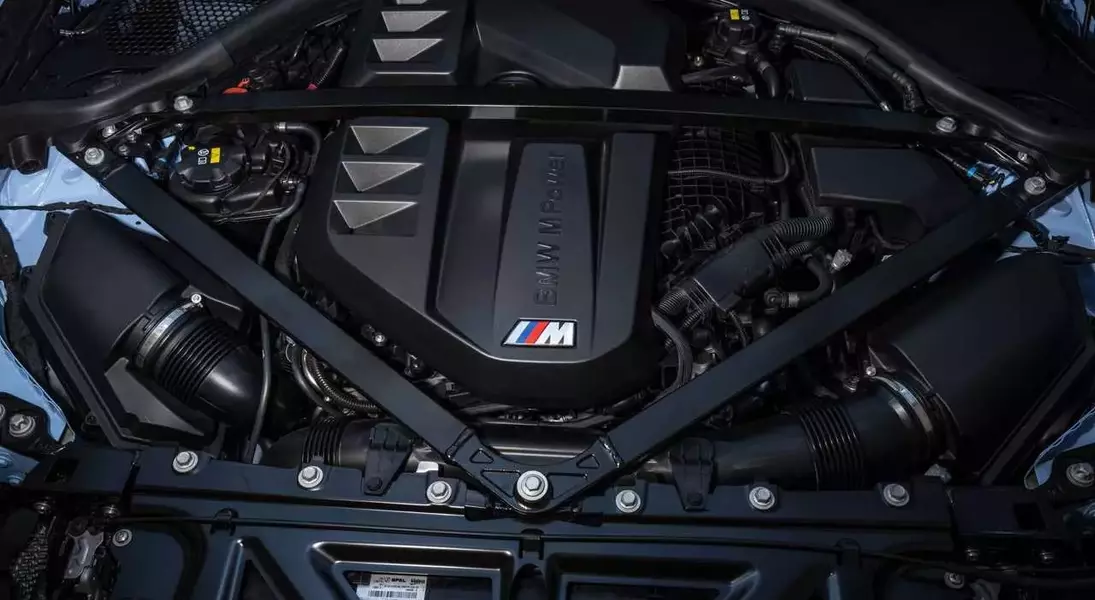
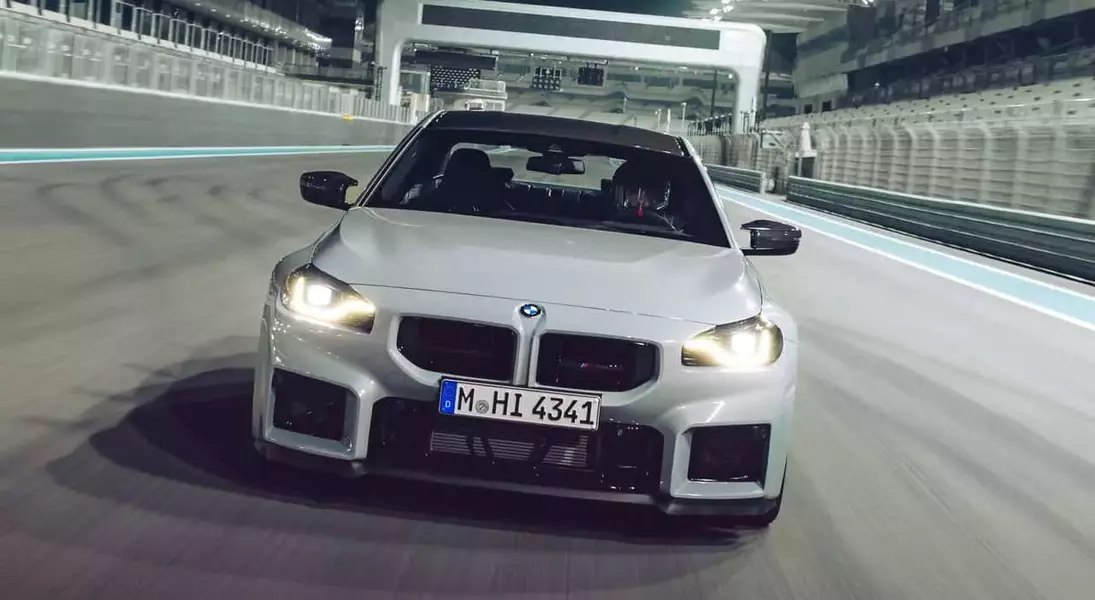

BMW is poised to revolutionize its high-performance M engines with the introduction of its innovative M Ignite pre-chamber combustion technology. Slated for series production starting in mid-2026, this system promises to significantly enhance fuel efficiency under strenuous conditions and ensure adherence to stringent Euro 7 emissions regulations. This strategic development underscores BMW's dedication to advancing internal combustion engine technology, drawing directly from its rich motorsports heritage.
The core of BMW's M Ignite system lies in a sophisticated pre-chamber integrated within the cylinder head. This pre-chamber is ingeniously linked to the main combustion chamber through a series of transfer ports. Crucially, it houses its own spark plug and ignition coil, creating what is essentially a dual-ignition system. This configuration allows for optimized combustion across various engine operating conditions.
At lower and medium engine speeds, the conventional spark plug in the primary chamber maintains its role as the main igniter. However, as the engine reaches higher RPMs and experiences increased load, the pre-chamber ignition system takes center stage. In this advanced mode, a precise amount of the air-fuel mixture is directed into the pre-chamber where it is ignited. The resulting high-velocity flames then burst through the transfer channels into the main combustion chamber.
These "ignition jets" are designed to simultaneously ignite the mixture within the main chamber at multiple points. According to BMW, this multi-point ignition dramatically accelerates the combustion rate. A significant benefit of this faster, more controlled combustion is a reduced risk of uncontrolled self-ignition, commonly known as engine knock. Furthermore, this innovative process leads to lower exhaust gas temperatures, which in turn helps to alleviate thermal stress on engine components and substantially improves emissions performance.
Beyond the pre-chamber ignition, BMW's inline-six engines receiving this upgrade will also incorporate additional technical refinements. These enhancements include an increase in compression ratio and the integration of turbochargers equipped with variable turbine geometry. Despite these comprehensive revisions, BMW has stated that the overall power output figures for these engines will remain consistent with current versions. The primary focus of these technological advancements is not on boosting horsepower, but rather on achieving superior efficiency, particularly during full-load operation.
This new M Ignite technology is particularly impactful for performance driving scenarios. BMW asserts that drivers will experience a notable reduction in fuel consumption when operating their vehicles under high-load conditions, enabling longer journeys on a single tank. Concurrently, the heightened combustion efficiency is specifically engineered to meet upcoming emissions requirements, future-proofing these high-performance models.
The phased rollout of the BMW M Ignite system is scheduled to commence in July 2026, with all variants of the M3 and M4 being the first beneficiaries. Following this, production of the M2 incorporating the same advanced technology is set to begin in August 2026. This systematic implementation underscores BMW's strategic commitment to integrating cutting-edge innovations across its high-performance lineup.
BMW's continuous effort to transition motorsports-derived technologies into its production vehicles is clearly demonstrated with M Ignite. Systems akin to this have been a staple in various racing series for years, valued for their ability to achieve faster and more precisely controlled combustion. By adapting this concept for road-going engines, BMW aims to ensure that its iconic high-performance internal-combustion models remain viable and competitive in the long term, even amidst an increasingly stringent regulatory landscape for emissions.
