



This article explores BMW's strategic reversal regarding simulated gear changes in electric vehicles, a concept the automaker initially criticized but has now embraced to enhance the electric driving experience.
BMW's Evolution: From Skepticism to Innovation in EV Driving
BMW's Initial Stance on Simulated Gear Changes
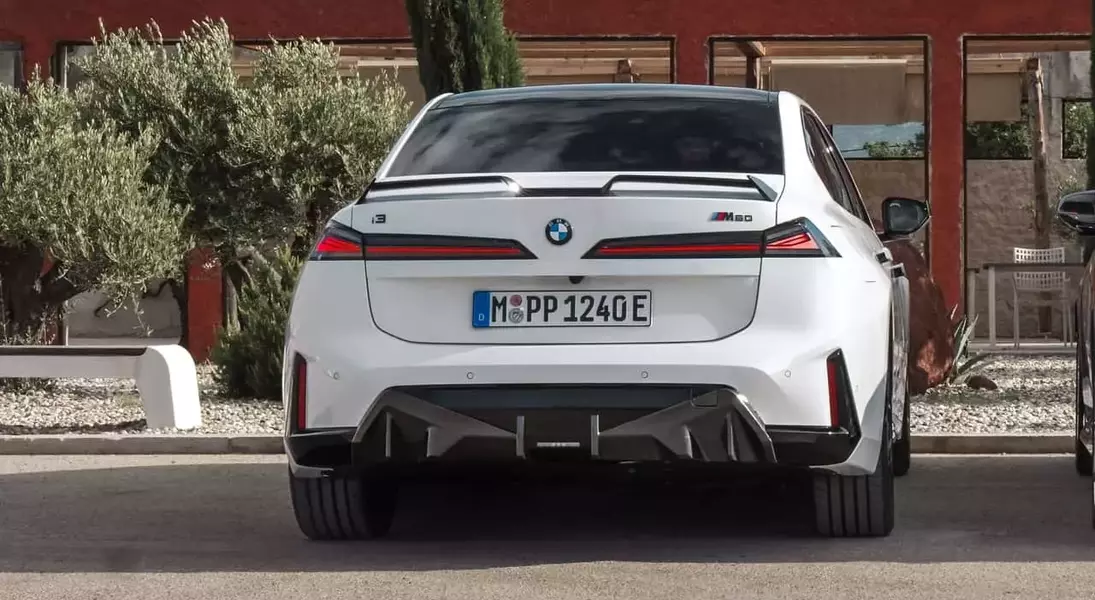
BMW has altered its perspective on the inclusion of simulated gear shifts in electric vehicles. Initially, the luxury car manufacturer regarded this technology, notably seen in Hyundai's Ioniq 5 N, as a mere "novelty." However, BMW is now actively developing its own iteration of this feature, suggesting a recognition of its potential benefits.
Introducing "Stages" in the i3 M60 xDrive
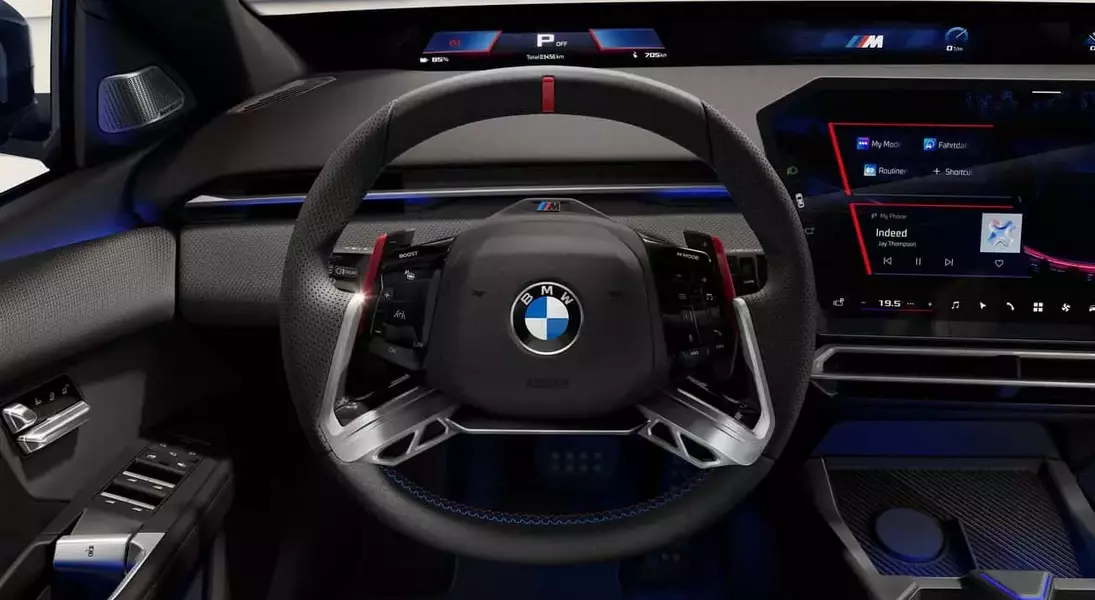
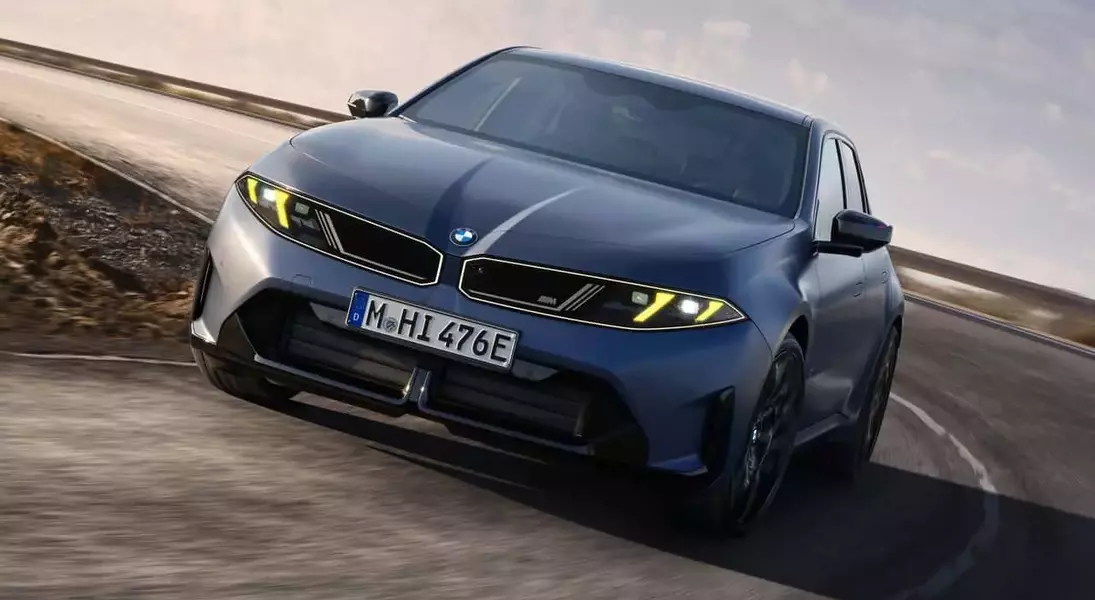
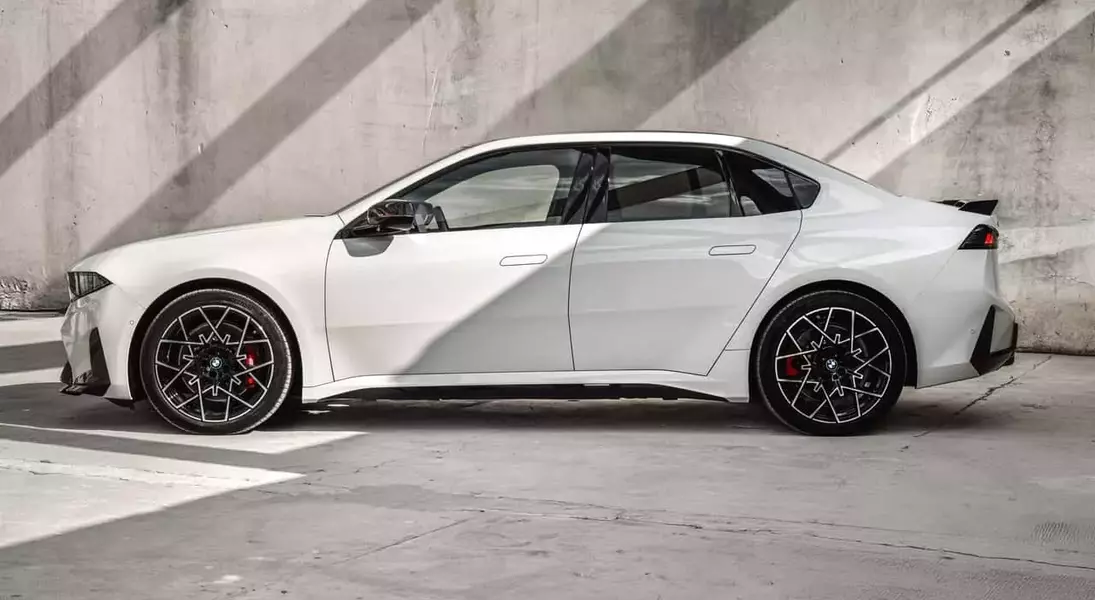
This innovative functionality is slated to debut next year in the recently unveiled i3 M60 xDrive. Instead of referring to them as traditional gears, BMW has coined the term "Stages" for these simulated shifts. The presence of red-accented shift paddles behind the steering wheel in earlier promotional images of the i3 M60 hinted at this development, even as the M division remained discreet about the specifics.
The Strategic Importance of Artificial Gears in EVs
During the international launch of the new 3 Series and i3, BMW's senior driving dynamics engineer, Christian Heiss, elaborated on the company's evolving viewpoint. He acknowledged their initial skepticism, questioning the need to replicate combustion engine characteristics in an electric world. However, insights from driving dynamics engineers highlighted the advantages of such paddle shifts, particularly in improving drivability and providing better feedback to the driver, especially in track scenarios.
Enhancing Driver Feedback and Performance
BMW now believes that simulated gear changes offer more than just a superficial imitation. They argue that these artificial ratios can help drivers more accurately judge their speed when navigating corners on a race track. Alexander Karajlovic, head of development for BMW M, explained that traditional gears offer crucial feedback that is often absent in electric vehicles. The goal is to integrate these advantages without introducing the typical limitations of a conventional gearbox.
Differentiating BMW's Approach from Competitors
In contrast to systems like Hyundai's N e-Shift, BMW's implementation will not impose artificial torque limitations based on the chosen ratio. The electric M3 is designed to deliver consistent torque, allowing drivers to experience the sensation of gear changes without compromising the vehicle's performance. The emphasis is on enriching the driving experience rather than introducing artificial performance constraints.
Rigorous Testing and Future Applications
BMW conducted extensive evaluations of the Hyundai Ioniq 5 N and other high-performance EVs to understand existing technologies and identify areas for improvement. The positive findings encouraged BMW to pursue its unique interpretation of simulated shifting. While their system differs from Hyundai's, BMW is confident it will satisfy those seeking a gear shift simulation, potentially even exceeding their expectations.
Exclusivity for M Performance Models
The simulated shifting feature will not be universally available across the entire i3 range. Heiss confirmed that this technology will be exclusive to M Performance models, beginning with the M60. It is anticipated that the forthcoming electric M3, featuring a quad-motor setup and enhanced power, will also incorporate this feature upon its debut in 2027.
The Broader Trend in Electric Vehicle Development
BMW's embrace of simulated gear changes underscores a wider trend in the automotive industry, where electric vehicles are adopting characteristics traditionally associated with combustion engine cars. This includes artificial engine sounds, a feature also found in Porsche's Taycan and Mercedes-AMG's GT 4-Door Coupe. This shift signifies a new era where electric vehicles aim to combine environmental benefits with an engaging and familiar driving experience.