
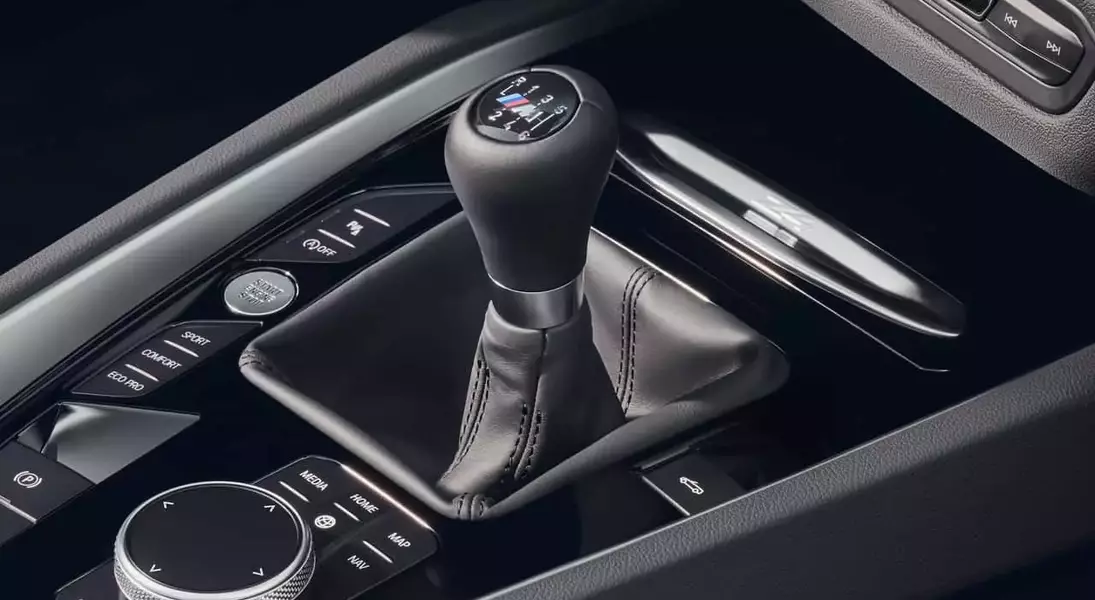
BMW M's chief, Frank van Meel, has suggested that the manual gearbox's time in the division's high-performance vehicles may be drawing to a close. Despite a notable 40 percent of M customers choosing manual transmissions in 2025, van Meel believes that from an engineering perspective, continuing to develop new manual gearboxes is becoming increasingly impractical. This stance is largely influenced by the niche market for manual cars and the reluctance of suppliers to invest in new designs for a shrinking segment.
Van Meel emphasized that while manual options will remain available for a few more years to satisfy dedicated enthusiasts, their presence in the BMW M lineup faces significant challenges in the coming decade. He previously hinted at this possibility in 2024, advising customers to purchase manual M cars while they still could. The convergence of advancing technology and a steady decline in consumer preference for manual shifts makes it difficult to justify their continued existence, even within a performance-focused brand like M.
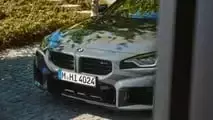
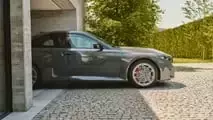
Currently, BMW still provides manual transmissions in four of its models: the M2, M3, M4, and the Z4, which includes the 'Handschalter Package'. However, the Z4 is slated for discontinuation by the end of 2026. With upcoming redesigns for models like the 3 Series and M3, the fate of the manual transmission in these iconic cars remains ambiguous. This trend reflects a broader industry shift towards automatic and electrified powertrains, where manual gearboxes, despite their emotional appeal to some drivers, struggle to compete with modern performance and efficiency standards.
The automotive industry is in a perpetual state of evolution, and the eventual phasing out of manual transmissions from high-performance vehicles like those from BMW M is a clear sign of this progress. While it may sadden traditionalists, this shift opens doors for innovation in driving experiences, potentially leading to new forms of engagement and excitement. Embracing technological advancements allows manufacturers to push boundaries, enhance vehicle capabilities, and ultimately shape the future of driving, ensuring that the thrill of the road continues to adapt and inspire.
