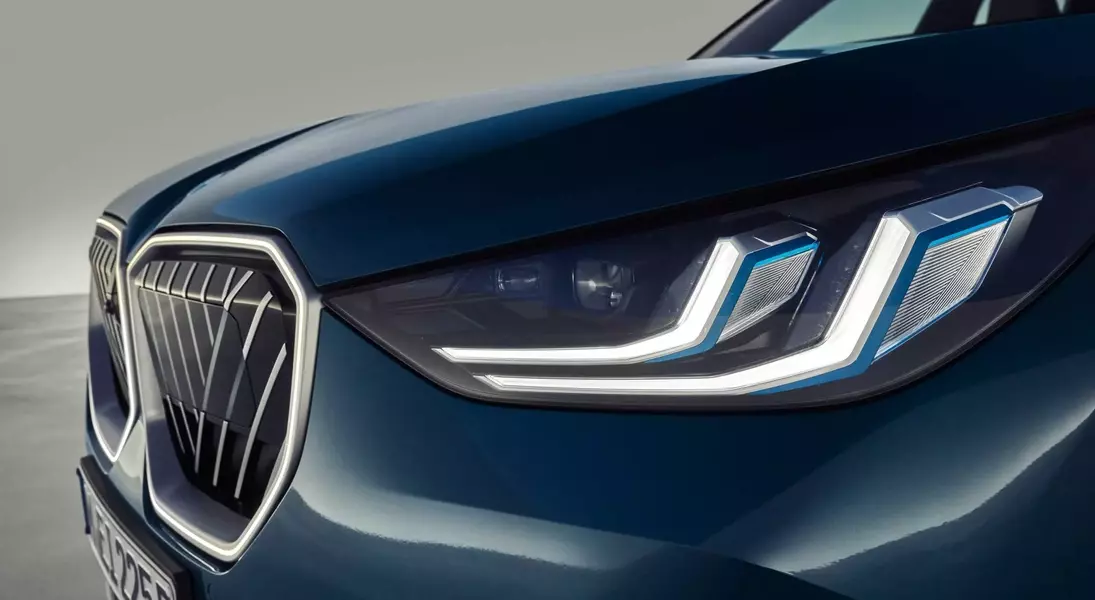
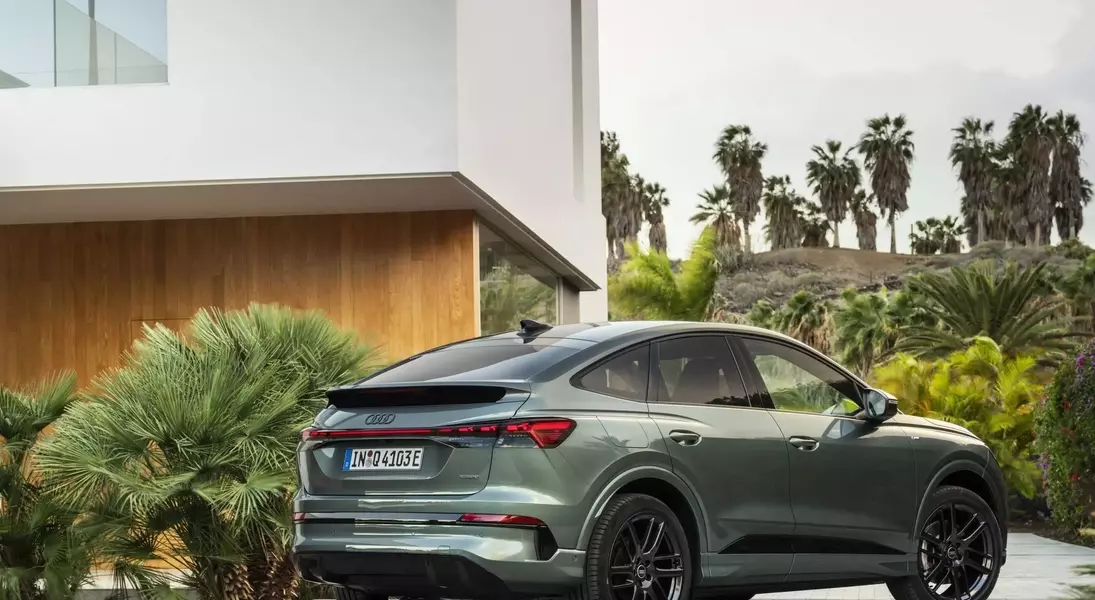
In the first half of 2026, the competitive landscape of the luxury automotive market in the United States has seen a dramatic shift, with BMW solidifying its lead over Audi. BMW's strategic approach and diverse product offerings have propelled it to the forefront, showcasing a remarkable performance with increased sales figures across its core models. Meanwhile, Audi has faced significant challenges, marked by a sharp decline in overall sales, particularly within its electric vehicle segment, which has struggled to gain traction with consumers. This divergence in performance has resulted in a substantial and growing gap between the two German luxury giants, indicating BMW's robust market penetration and effective adaptation to evolving consumer demands. The data underscores a period of prosperity for BMW, contrasted with a challenging phase for Audi, whose electric and traditional SUV offerings have not met market expectations.
BMW's sustained success can be attributed to its comprehensive product strategy, which includes both popular gas-powered models and a well-received lineup of electric vehicles. The brand's ability to maintain strong sales in key segments, such as its X Series SUVs and 3 Series sedans, highlights a resonant connection with its customer base. On the other hand, Audi's difficulties extend beyond its electric vehicle sales, as even some of its historically strong gasoline-powered SUVs have experienced a downturn. This indicates a broader market challenge for Audi, potentially influenced by competitive pressures and evolving consumer preferences. The widening sales chasm between these two luxury automakers reflects not only their individual market strategies but also the dynamic shifts within the U.S. automotive industry, where brand perception, product innovation, and market adaptability play crucial roles in determining success.
BMW's U.S. Market Dominance and Strategic Acumen
In the initial six months of 2026, BMW has demonstrated a formidable performance in the U.S. luxury vehicle sector, registering an impressive 186,944 unit sales, which translates to a 4.7% year-over-year increase. This robust growth underscores BMW's strategic success in captivating the American consumer base. The brand's diverse portfolio, featuring a harmonious blend of traditional gasoline-powered models and an expanding range of electric vehicles, has proven highly effective. Sebastian Mackensen, President and CEO of BMW of North America, highlighted that their strong results reflect sustained consumer confidence in the BMW brand and validate their long-term market strategy, which includes having the right products at the opportune moment and a superior dealer network. This period of market expansion for BMW stands in stark contrast to the challenges faced by its competitor, Audi.
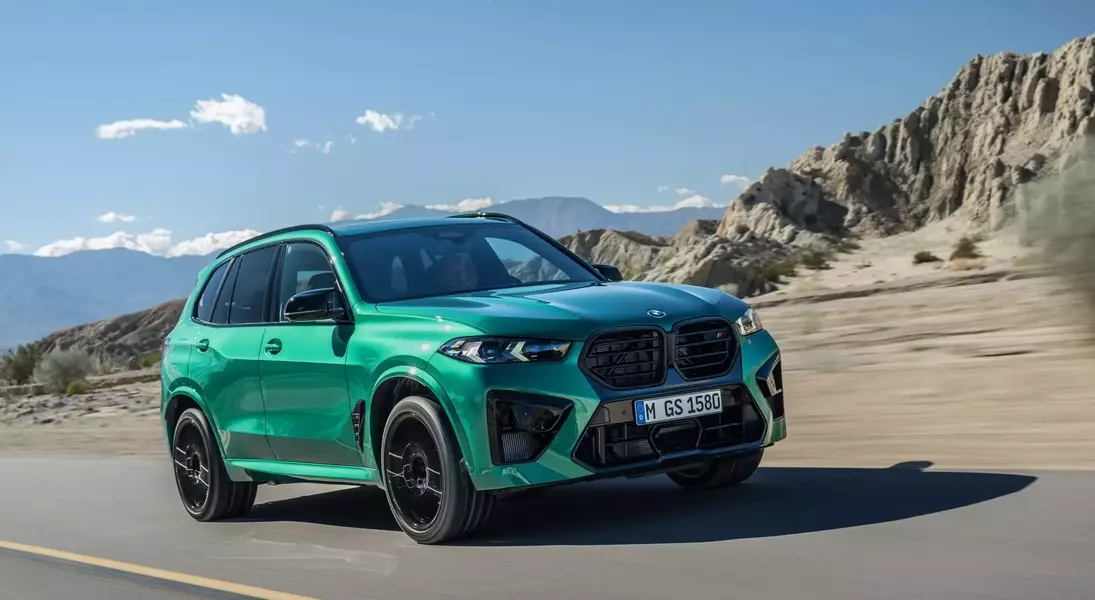
BMW's ability to significantly outperform the market and enhance its share in both the premium segment and the broader U.S. automotive landscape is a testament to its adaptive and forward-thinking strategies. The brand has seen remarkable gains in sales for several of its flagship models, including the 3 Series, X3, and X5, indicating strong consumer demand and loyalty. Even older models within BMW's lineup have shown surprising resilience, with the 3 Series experiencing a 32.3% increase and the X5 sales rising by 23.7%. While BMW's iX electric SUV did see a decline as it nears discontinuation, the overall picture for the brand is one of sustained growth and market leadership, largely due to its balanced product offerings and effective market positioning that keeps enthusiasts engaged with its sports cars, coupes, sedans, and SUVs.
Audi's Decline and Future Outlook in a Challenging Landscape
Audi's sales performance in the U.S. market during the first half of 2026 presents a starkly different narrative, with the brand recording only 67,916 sales, a notable 17% decrease compared to the previous year. This downturn has exacerbated the sales gap with BMW, which now stands at an imposing 119,028 units. A significant factor contributing to Audi's struggles is the substantial decline in sales of its electric SUVs, such as the Q4 Sportback e-tron and Q4 e-tron, which saw reductions of 99% and 93% respectively. This indicates a challenging environment for Audi's EV strategy, as consumer adoption has not met expectations, leading to some of the most pronounced EV sales declines in the industry.
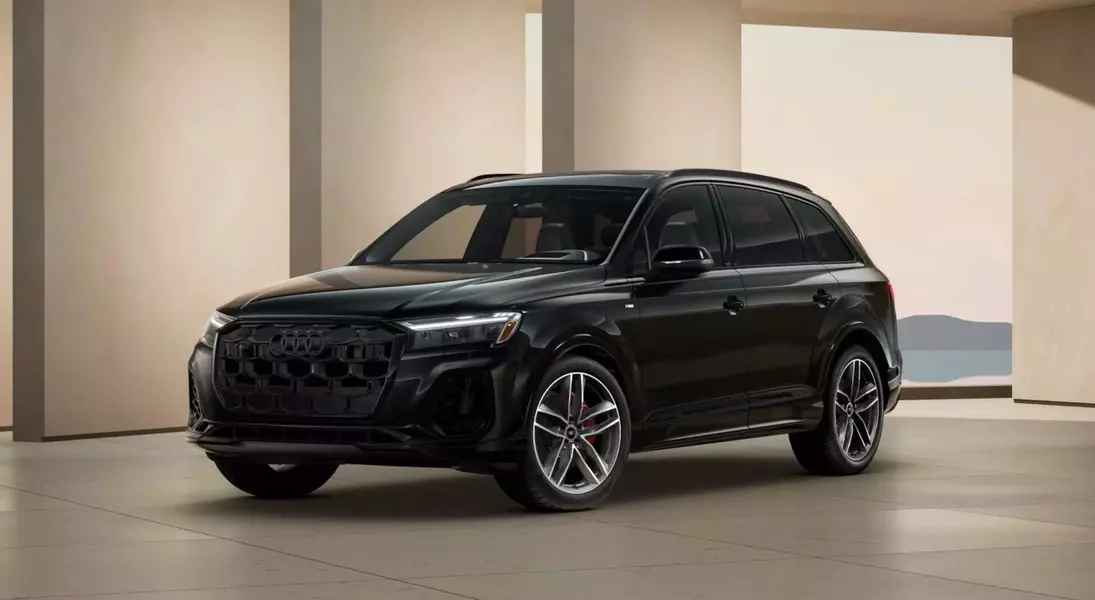
Beyond the electric vehicle segment, Audi has also contended with reduced demand for some of its traditionally popular gasoline-powered SUVs, including the Q3 and Q5. Despite some positive upticks in sales for models like the A5 (+7%), A6 (+20%), and A6 Sportback e-tron (+91%), these gains have not been sufficient to offset the broader decline across its product line. The brand's challenges are further compounded by past decisions, such as the perceived reduction in the quality of its interiors, which were once highly praised. Looking ahead, Audi is banking on the introduction of a refreshed Q7 and the new, larger Q9 to revitalize its sales and market position. However, with the Volkswagen Group considering significant restructuring and a potential reduction of up to 50% of its models, Audi faces a critical period to recalibrate its strategy and regain momentum in the highly competitive U.S. luxury automotive market.
