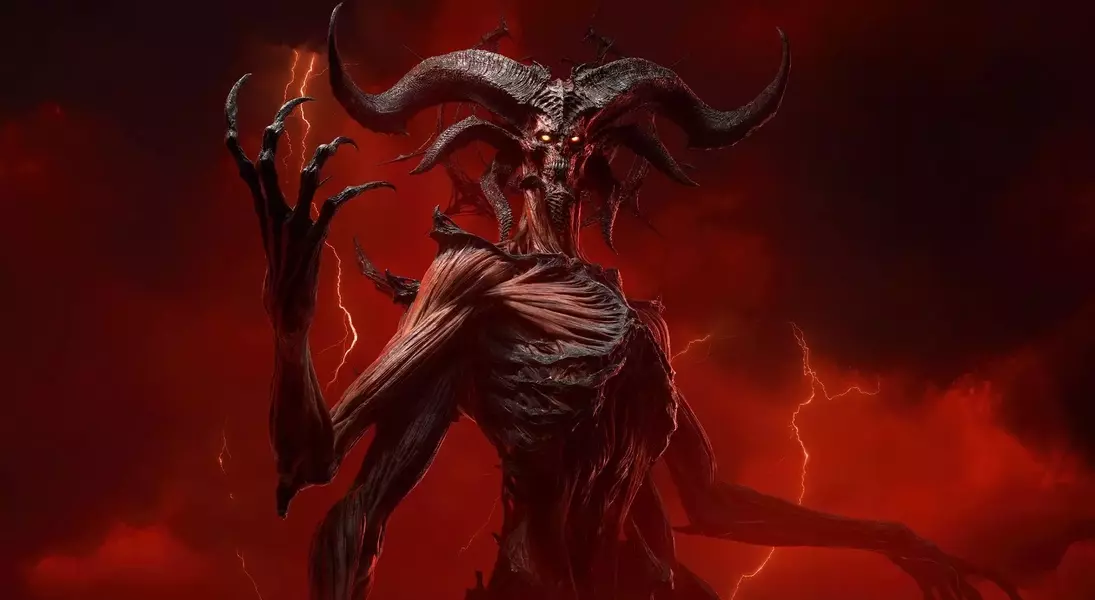
This year's BlizzCon served as the stage for Blizzard's ambitious future plans, captivating audiences with significant announcements. The reveal of a new StarCraft game, slated for 2030, generated considerable excitement. Yet, it was the cinematic teaser for Diablo 5, targeting a 2029 release, that truly seized the spotlight. The trailer painted a bleak picture of Sanctuary, where demonic legions assert dominance, angels face crucifixion, and humanity bows to the Lord of Terror, set a century after its predecessor. However, this revelation was met with a spectrum of reactions from the dedicated Diablo fanbase.
Blizzard Unveils Diablo 5 Amidst Reassurances for Diablo 4's Future
At the recent BlizzCon, a significant announcement from Blizzard Entertainment left a notable impact on the gaming community. The company revealed a new installment in the beloved Diablo franchise, Diablo 5, with a cinematic trailer painting a grim future for the world of Sanctuary. This upcoming title, set a century after its predecessor, depicts a landscape of utter desolation, where demonic forces reign supreme, angels are brutally subdued, and humanity is brought to its knees before the Lord of Terror. The anticipated release year for Diablo 5 is 2029.
However, this early revelation was not uniformly embraced by fans. Many expressed anxieties that the premature announcement of Diablo 5 might signal a reduction in long-term support for Diablo 4, which had only launched in 2023. There was speculation that Blizzard's decision to announce so far in advance might be linked to recent workforce reductions and shifts in leadership within Xbox. In response to these concerns, Brent Gibson, the game director, offered reassurances during an interview with Icy Veins. He affirmed that as long as the player base continues to engage with Diablo 4, Blizzard is committed to releasing new seasonal content, citing the ongoing support for Diablo 2 and 3 as precedents.
Gibson passionately articulated his vision, emphasizing that the Diablo universe is an ever-expanding entity, not confined to a singular game. He likened the ongoing development to an unstoppable train, highlighting the addition of new content even to older titles like Diablo 2 with the introduction of the Warlock. His message to the community was clear: there's no need for concern about the future of Diablo 4, as the team plans to deliver content for an extended period. This commitment was reinforced by his direct statement: "We are planning on supporting seasons as long as the community continues to show up for D4. Similar to what we have in D2 and D3. There are still people who play those games, and as long as you're showing up, we're going to continue to be making content." He also expressed considerable excitement for Diablo 5, signaling a new era where players won't have to endure decade-long waits for fresh content.
Diablo 4's reception since its 2023 launch has been a mixed bag. While critics largely lauded the base game and its expansions, player sentiment, particularly on platforms like Steam, shows a 73% positive review rate. Common criticisms include the always-online requirement, the repetitive core gameplay loop, and the cost barrier to accessing certain skills locked behind expensive expansions. While it's unclear if this varied feedback influenced Blizzard's decision to accelerate the release of Diablo 5, the announcement has undoubtedly stirred debate among the fanbase, with some questioning the timing and implications for the franchise's direction.
This announcement by Blizzard not only showcases their ambitious roadmap for the Diablo and StarCraft universes but also highlights the complex relationship between game developers and their dedicated communities. The tension between introducing new titles and maintaining support for existing ones is a delicate balance. Blizzard's reassurance for Diablo 4's continued development, even with Diablo 5 on the horizon, underscores a commitment to fostering a persistent and evolving gaming experience. This approach, aiming to expand the universe rather than replace individual games, could set a precedent for how long-running franchises manage their legacy and future innovations. The community's ongoing engagement will be the ultimate determinant of success in this grand vision.
