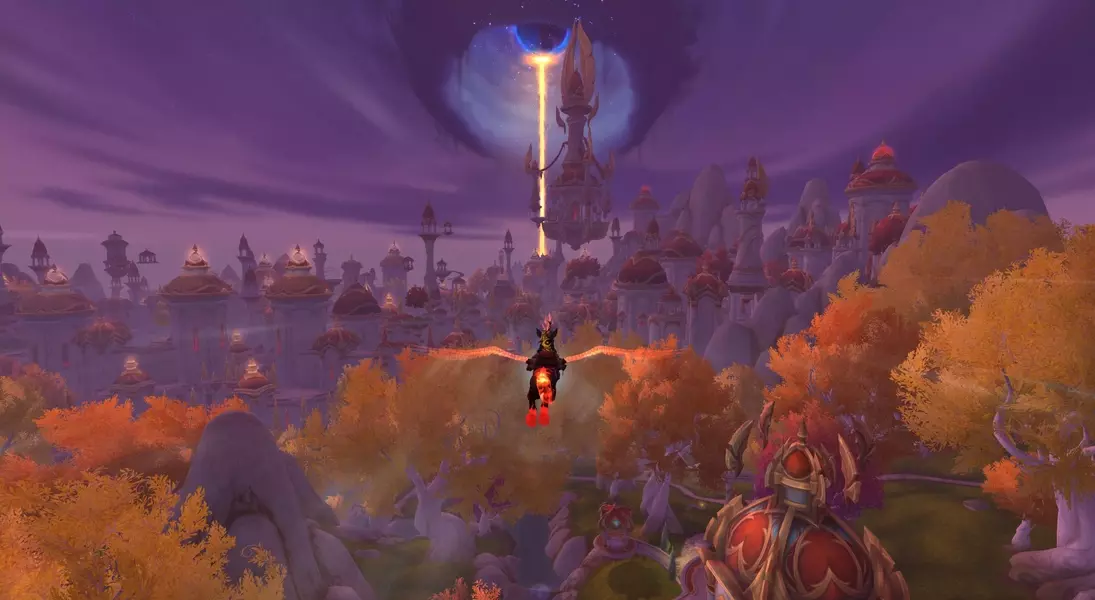
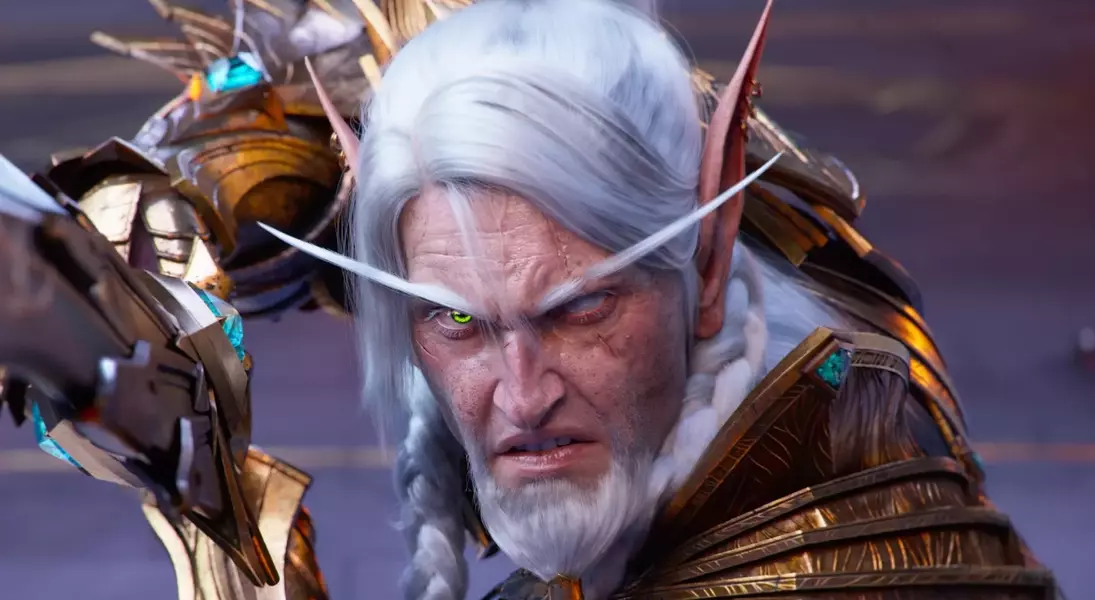
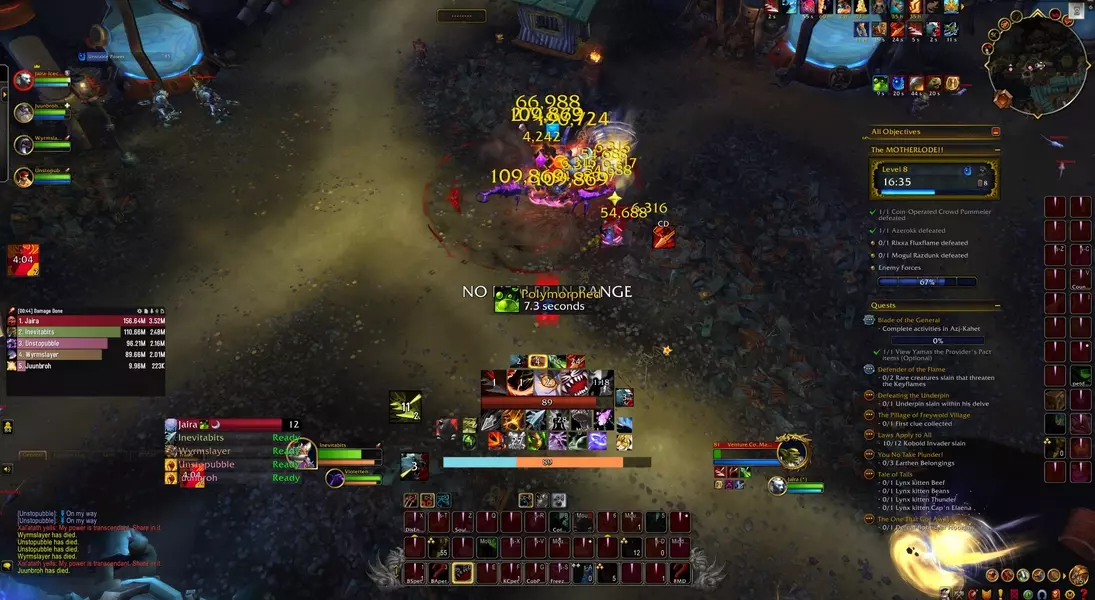
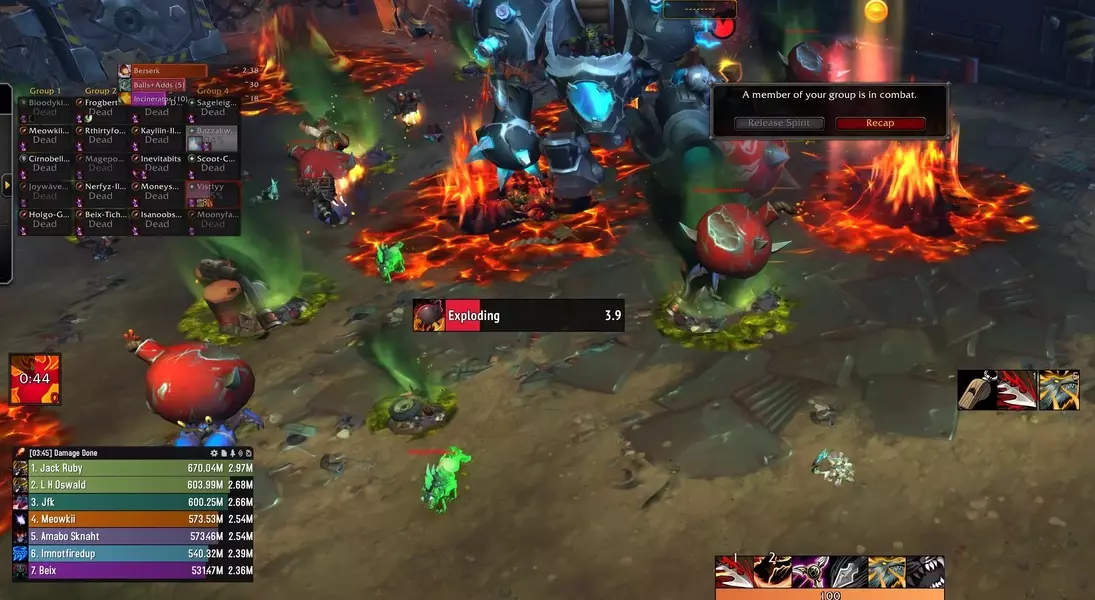
This week marks a pivotal moment for World of Warcraft as Blizzard introduces sweeping modifications to its foundational game mechanics, particularly concerning add-ons. Dubbed the 'addonpocalypse' by some within the player community, the pre-patch for the upcoming Midnight expansion (slated for release on March 2) has brought about profound alterations. These changes include a dramatic overhaul in how add-ons and mods can access combat information, a significant streamlining of character classes and specializations, and the integration of new functionalities directly into the game's core user interface to compensate for these adjustments. This initiative represents Blizzard's commitment to refining the player experience and ensuring a more balanced and accessible gameplay environment.
These adjustments are far from complete. Senior Game Director Ion Hazzikostas revealed in an exclusive interview that a mini-patch, 12.0.1, is scheduled for release next month, promising further enhancements to core WoW features. Moreover, Blizzard anticipates ongoing tweaks as players invariably discover new ways to navigate the limitations imposed on combat add-ons, particularly those used to simplify raid encounters. This iterative approach underscores the developer's understanding that the community will always seek innovative solutions, and Blizzard is prepared to adapt in response, aiming to strike a balance between player ingenuity and competitive integrity.
Hazzikostas delved into the historical role of player-developed add-ons, which have been an integral part of Warcraft since its inception in 2004. He noted that by the Warlords of Draenor expansion, add-on solutions had become increasingly sophisticated, capable of simplifying complex mechanics. He cited an instance where the outcome of a Hellfire Citadel raid competition was determined by one guild's superior add-on development, allowing for precise in-game tactical guidance that their rivals lacked. This highlighted a growing concern that add-ons were becoming a prerequisite for high-level play rather than mere enhancements, prompting Blizzard to re-evaluate their long-standing policy.
The catalyst for these sweeping changes was a consistent stream of player feedback expressing frustration over the necessity of configuring increasingly intricate third-party tools to excel in Warcraft's raids. Recognizing this trend, Blizzard's development team concluded that a major course correction was imperative. Hazzikostas reflected that the decision, though complex, was essential for the game's long-term health. He admitted that the studio might have allowed the situation to escalate further than desirable, emphasizing that while such a transition could be jarring for the community, acting now was better than deferring the issue indefinitely, likening it to the proverb, “The best time to plant a tree is 20 years ago. The second-best time is today.”
The initial phase of restricting add-on functions led to widespread implications throughout the game. Many character specializations, previously reliant on external tools for optimal performance, required simplification and redesign to be more intuitive. Similarly, raid encounters, which had become progressively faster and more complex in a competitive cycle with add-ons, needed to be re-tuned to be slower and provide more transparent information to players. This extensive undertaking began approximately 18 months prior, culminating in a broad alpha test for Midnight this fall, designed to gather feedback from a diverse player base utilizing various add-ons.
During the alpha, Blizzard initially implemented severe restrictions on combat information accessible to add-on developers. The goal was to prevent tools from trivializing boss mechanics and coordination tests, while preserving add-ons that merely altered visual information. However, this approach had unintended consequences, disabling a wide array of add-ons, including popular non-combat mods like ElvUI and Bartender, and even accessibility tools. Hazzikostas admitted surprise at the extent of the impact, realizing that many add-ons relied on the very functions Blizzard had restricted. In response, Blizzard's UI engineering team actively engaged with developers to gather feedback and provide guidance on adapting to the new constraints.
Consequently, Blizzard made significant adjustments, enhancing core UI tools and moderating add-on access. The most stringent restrictions were applied to competitive, instanced combat—dungeons, raids, and PvP—with lighter constraints in the open world. Hazzikostas explained that the balance between inconvenience and competitive integrity differs greatly across game modes. For instance, while add-ons listening to chat channels might offer a competitive edge in raids, they are also vital for open-world role-playing. The team believes they have found a suitable balance but remains vigilant, prepared to make further adjustments as players continue to innovate. For example, a workaround that provided sequential numbering for enemy interruptions in raids might be countered by randomizing enemy targets, maintaining challenge while discouraging trivialization.
Looking ahead, Blizzard is committed to continuous improvement, with plans for more customizable player and enemy frames, enhanced damage meters, and advanced cooldown management tools. The Cooldown Manager will offer visual and sound alerts for ability availability, while add-ons will have greater flexibility in customizing or suppressing mechanical displays. The damage meter will also see expanded categories and sorting options. While many of these tweaks were introduced in the recent patch 12.0, others, including specific dungeon journal notifications, will arrive in future updates. Hazzikostas emphasized that this is an ongoing process, stating, "We don't view this as a one-and-done. We have gotten to a baseline experience that we feel good about, but there's always room for improvement."
