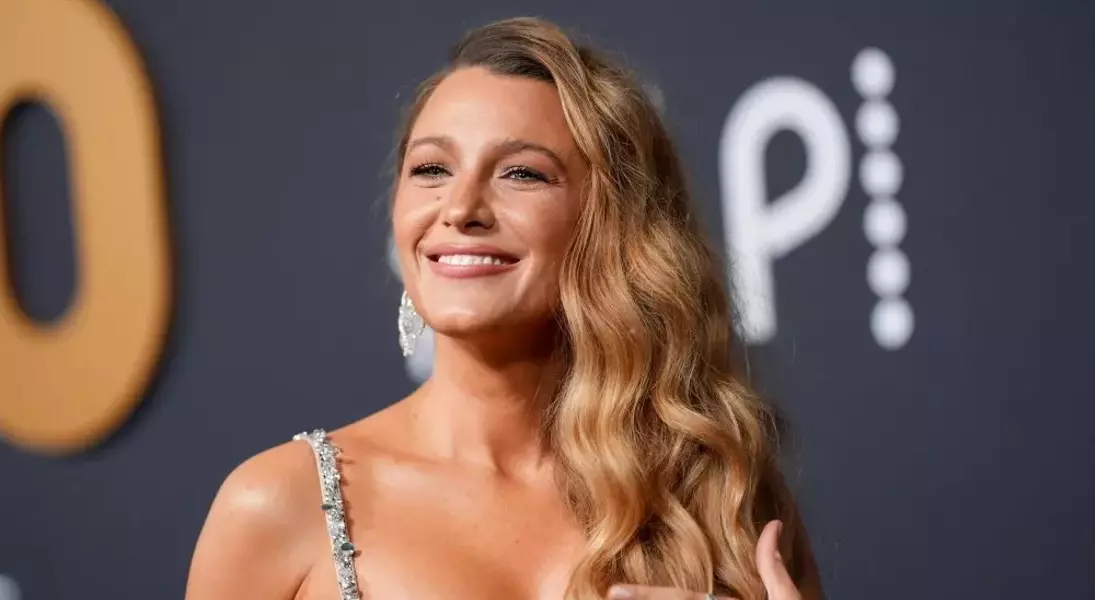
This article delves into the controversial legal actions taken by actress Blake Lively against her online detractors, examining the implications of her subpoenas on freedom of speech and the nature of online criticism within celebrity disputes.
Navigating the Digital Divide: When Celebrity Lawsuits Collide with Online Expression
The Unexpected Target: A Stay-at-Home Mom's Encounter with Hollywood Legal Action
McKenzie Folks, a Kansas-based mother who regularly shares her opinions on TikTok, found herself embroiled in a high-profile legal battle. She was shocked to receive a Google notification on July 10, indicating that attorneys representing actress Blake Lively had issued a subpoena for her account details. Folks, who had been vocal about the ongoing legal dispute between Lively and Justin Baldoni, initially dismissed it as a scam, but soon realized it was a legitimate demand, suggesting Lively's legal team suspected her involvement in a purported digital smear campaign orchestrated by Baldoni.
Unmasking Online Critics: A New Frontier in Celebrity Disputes
The feud between Blake Lively and Justin Baldoni has taken an unprecedented turn. Lively is utilizing legal channels to uncover the identities of her online detractors, whom she alleges are part of a coordinated campaign by Baldoni. Her federal lawsuit, slated for trial next March, claims an ongoing online assault. Lively's legal representatives have also issued subpoenas to social media platforms like X, as well as prominent online personalities including Andy Signore, Perez Hilton, and Candace Owens.
Echoes of Past Legal Battles and the Quest for Accountability
This case draws parallels to the highly publicized Johnny Depp-Amber Heard trial of 2022, where Heard faced immense online backlash. Elaine Bredehoft, Heard's attorney, argued that much of this criticism was strategically manufactured by Depp's team, a claim his team denied. Bredehoft endorses Lively's proactive approach, questioning how else one can combat such online campaigns. This highlights a growing concern in celebrity circles regarding manipulated online narratives.
The Fine Line Between Evidence Gathering and Intimidation
However, many of those served with Lively's subpoenas contend that her actions overstep legal boundaries, aiming to suppress genuine critique. Attorney John Genga, representing entertainment journalist Kjersti Flaa, who also received a Google notice, asserts that these individuals are merely exercising their right to express opinions. He views the subpoenas as an invasive and intimidating tactic, particularly for those lacking the financial resources to mount a defense. A spokesperson for Lively, however, maintains that the subpoenas are solely for gathering evidence, not for silencing content creators, and are a necessary step to uncover the origins of a "fingerprint-free" online campaign.
The Scope of the Subpoenas and the Broader Implications for Online Discourse
The Google subpoenas are far-reaching, requesting comprehensive account information for 16 YouTube creators, including names, email addresses, IP addresses, physical addresses, and even bank and credit card details. While some targeted accounts are anonymous, many creators publish under their real names and have stated they are simply reporting on the legal proceedings without allegiance to either party. Flaa emphasizes that the case has evolved beyond its initial scope, now touching upon the fundamental issue of online freedom of speech.
The Underdog's Struggle and the Public Relations Fallout
McKenzie Folks, captivated by the initial legal filings, came to believe Lively's harassment claims were unfounded and that Baldoni was being unfairly targeted by influential figures. Identifying with the "underdog," she is now personally challenging the subpoena, unable to afford legal representation. She describes the situation as surreal, likening it to a scene from a movie where a wealthy celebrity pursues an ordinary individual, finding it profoundly daunting. Gregory Doll, a Los Angeles attorney monitoring the case, suggests that pursuing these creators is "foolhardy" and could backfire significantly, as many have already leveraged the subpoenas to gain followers and credibility. Doll predicts that if Lively's team is indeed combating a sophisticated bot attack, uncovering its source will be exceedingly difficult. Andy Signore, who is creating a documentary on the case, also vows to vigorously fight the subpoena, calling it "nonsense."
