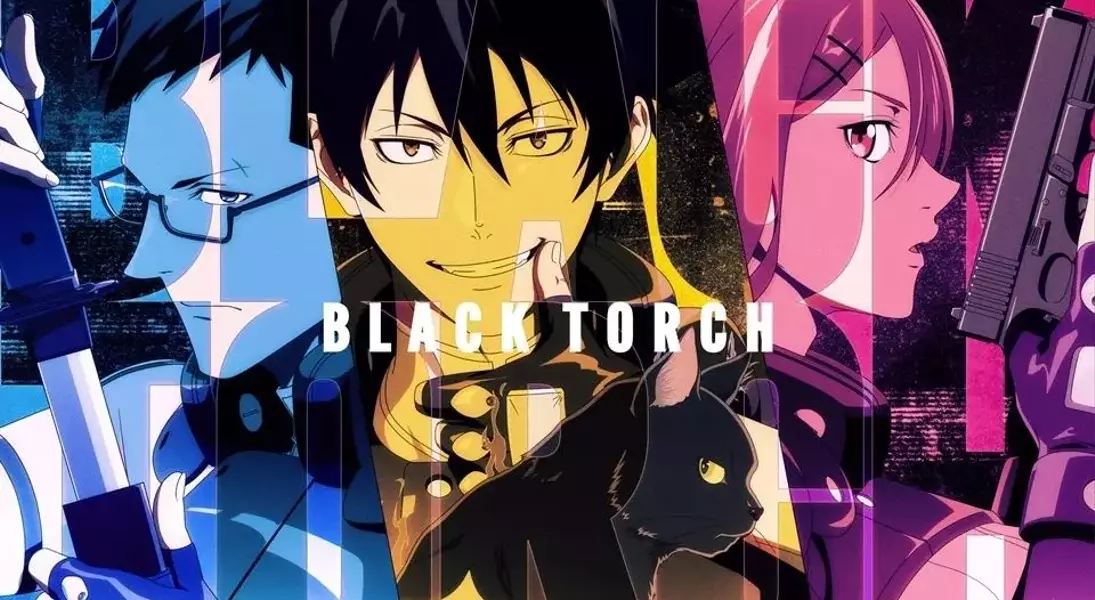
In the vibrant landscape of anime, where new series emerge constantly, a hidden gem often goes unnoticed: "Black Torch." This series, now gaining traction on streaming platforms, might seem like a fresh face, but it's actually a foundational work that predates and profoundly influenced many of today's most beloved supernatural shonen titles. It's a tale of a young man, a sarcastic demon cat, and their journey through a world brimming with danger and discovery. While its original manga run was cut short, its spirit, themes, and innovative character dynamics have echoed through the genre, making it a compelling watch for any fan of action-packed, demon-fighting narratives.
The Genesis of a Shonen Archetype: The "Black Torch" Phenomenon Unveiled
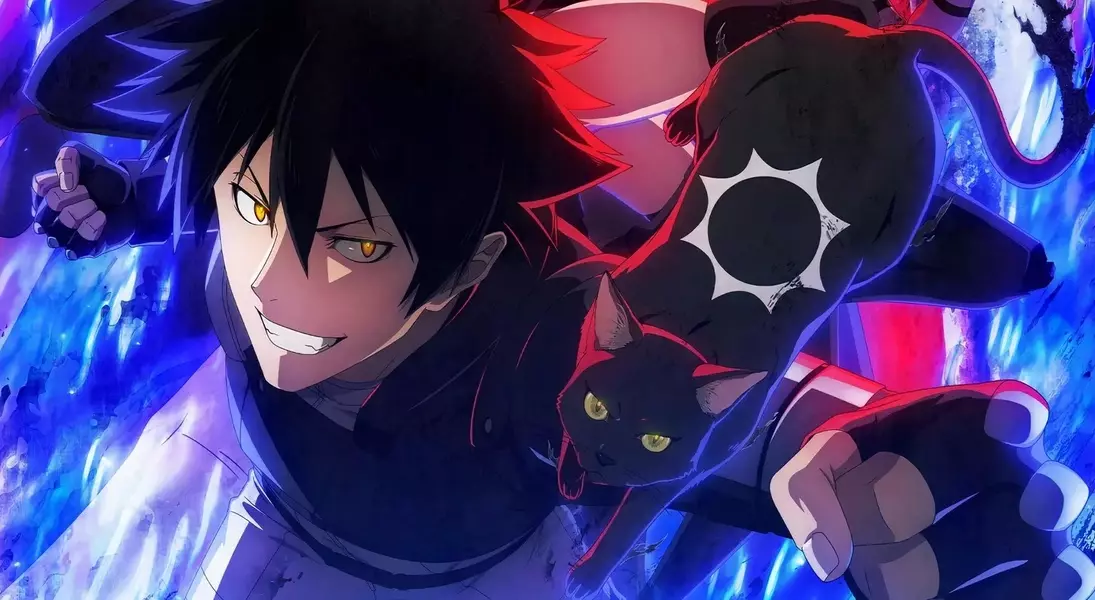
In a fascinating turn of events, the anime adaptation of "Black Torch" has begun captivating audiences, with new episodes airing weekly on Crunchyroll since July 4th. This series, born from Tsuyoshi Takaki's original manga, introduces viewers to Jiro Azuma, a seemingly ordinary punk who experiences an extraordinary transformation. After a fateful encounter with a demon, Jiro's life irrevocably changes when Rago, a mischievous mononoke, merges with him. This fusion not only grants Jiro formidable powers but also forges an inseparable bond between the two, turning them into a hybrid force unlike any other. What's particularly striking is the immediate parallel this premise draws to later shonen giants like "Chainsaw Man," where protagonists similarly fuse with supernatural entities to combat monstrous threats. Yet, "Black Torch" boldly staked its claim in the genre long before its successors, beginning its serialization in "Jump Square" in December 2016, predating "Jujutsu Kaisen" and "Chainsaw Man" (both debuting in 2018), and even "Kaiju No. 8" (which began in 2020).
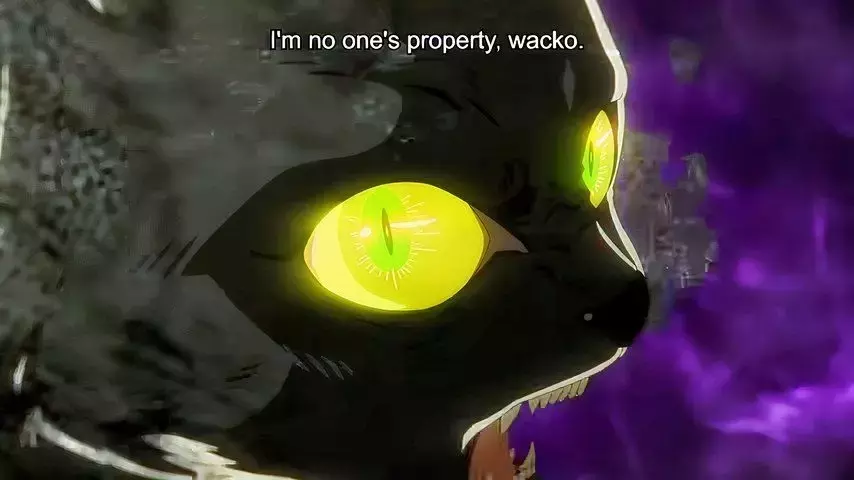
A standout element of "Black Torch" is the character of Rago. Far from being a silent sidekick, Rago is a hilariously cantankerous black cat with an ancient spirit's wisdom and a perpetually grumpy demeanor. His constant witty banter and occasional expletives directed at Jiro provide a delightful contrast to the series' more intense moments, setting him apart from other animal companions in similar narratives. Their dynamic is less of a master and pet, and more of two unlikely partners, making their interactions a highlight of the series. Moreover, the narrative reveals that Jiro, beyond his newfound demonic connection, comes from a lineage of ninjas and possesses the unique ability to communicate with animals, a trait that initially made him an outcast but ultimately fostered his profound empathy. This compassionate nature, honed by childhood experiences of being bullied for his unusual gift, grounds Jiro's otherwise fantastical journey, lending depth and credibility to his unwavering altruism as he navigates the increasingly apocalyptic stakes of his world.
The anime's current pace, with its first three episodes covering approximately five manga chapters, suggests that the 12-episode season is well-positioned to adapt all 19 chapters of the original manga. Notably, Tsuyoshi Takaki's direct involvement in supervising the anime's setting and storyboards signals a commitment to honoring the source material while potentially enhancing it. This close collaboration offers a beacon of hope that the anime might expand upon the manga's prematurely concluded narrative, providing a more complete and satisfying experience for fans. Regardless of whether the anime diverges or remains faithfully close to the manga's original ending, "Black Torch" stands as a captivating watch for anyone awaiting new installments of "Kaiju No. 8," "Jujutsu Kaisen," or "Chainsaw Man," serving as a testament to the enduring appeal and influential groundwork laid by this overlooked shonen pioneer.
"Black Torch" serves as a fascinating case study in the evolution of shonen manga and anime. It demonstrates how innovative concepts, even if initially not fully recognized, can lay the groundwork for future successes. The series' unique blend of supernatural action, character-driven humor, and deeply empathetic protagonists offers a refreshing perspective on a genre that continues to captivate global audiences. It's a powerful reminder that sometimes, the most influential works are those that dare to tread new paths, even if their full impact is only realized much later.
