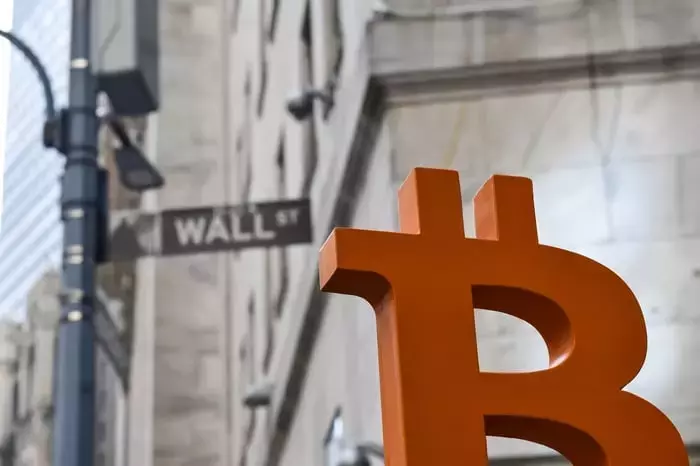
Over the last ten years, Bitcoin has consistently demonstrated itself as a leading asset, often outperforming traditional investments. Its impressive historical gains, including an approximate 48,500% increase over the past decade, naturally lead to inquiries about its future prospects. While past results do not guarantee future performance, an examination of its unique characteristics and evolving market dynamics suggests a compelling outlook for this digital currency.
A critical factor contributing to Bitcoin's long-term allure is its inherent scarcity. The total supply of Bitcoin is strictly capped at 21 million units, with nearly 20 million already in circulation. Furthermore, an estimated 3.7 million units are considered permanently lost, effectively reducing the accessible circulating supply to roughly 16.3 million. This limited quantity starkly contrasts with many other cryptocurrencies that boast billions or even trillions of circulating coins. This scarcity creates a fundamental economic principle at play: as demand increases while supply remains fixed, upward pressure on its value is a natural consequence. This characteristic draws parallels to precious metals like gold, which also derive value from their finite nature.
The growing embrace of Bitcoin by institutional players further bolsters its market position. This trend manifests in two primary ways. Firstly, the introduction of spot Bitcoin Exchange-Traded Funds (ETFs) has significantly simplified the process for institutional investors to gain exposure to this digital asset. In the past year alone, these new ETFs attracted over $100 billion in inflows. Industry analysis indicates that a substantial majority of institutional investors intend to expand their Bitcoin holdings. While the current target allocation for Bitcoin within portfolios typically ranges from 1% to 2%, there is potential for this figure to climb to 5% or even higher, thereby creating additional demand and upward price momentum.
Secondly, institutional adoption extends beyond mere investment to the practical utility of Bitcoin. Experts are actively modeling various use cases for Bitcoin, anticipating a broadening range of applications over time. This expansion of utility is expected to drive further demand, moving beyond the current trend of simply holding the asset. The increasing functionality and real-world integration of Bitcoin will reinforce its value proposition.
Considering its historical appreciation, the potential for Bitcoin to experience another significant surge in value is a topic of widespread discussion among investors. Its journey from $1,000 to $10,000 in just four years, and then to $100,000 in seven, highlights its rapid growth trajectory. A growing number of market participants, including prominent figures such as the CEO of Coinbase, envision Bitcoin reaching the $1 million mark within the next few years. This ambitious forecast underscores the unparalleled upside potential that many attribute to Bitcoin. With increasing acceptance from corporations, major financial institutions, and even governmental bodies, Bitcoin appears well-positioned for sustained success in the long term.
In summary, Bitcoin's unique attribute of fixed scarcity, combined with a rapidly expanding institutional adoption and a widening array of practical applications, paints a compelling picture for its future. Its resilience and consistent historical outperformance, despite market volatility, establish it as a distinctive asset with considerable potential for continued growth. The ongoing integration into mainstream financial systems and the development of new use cases are set to further solidify its role and value in the global economy.
