Big Walk is a cooperative puzzle game that transcends typical gaming experiences, placing paramount importance on player interaction and resourceful planning. This immersive game, previously enjoyed with random players, truly shines when played with friends. Over multiple extensive gaming sessions, my colleagues and I delved into more than a dozen intricate puzzles, sharing countless laughs and covering significant distances across the game's expansive landscape.
This game is not just a casual pastime; it is an adventure that transforms communication into the ultimate challenge and the most rewarding aspect of the experience. It eschews complex mechanics for a focus on emergent gameplay, where player creativity and collaboration lead to memorable moments and unexpected solutions. The game's design ensures that every triumph feels earned and every setback provides humorous anecdotes, reinforcing the idea that the journey itself is as important as the destination.
The Core Mechanics: Communication and Logistics in a Serene World
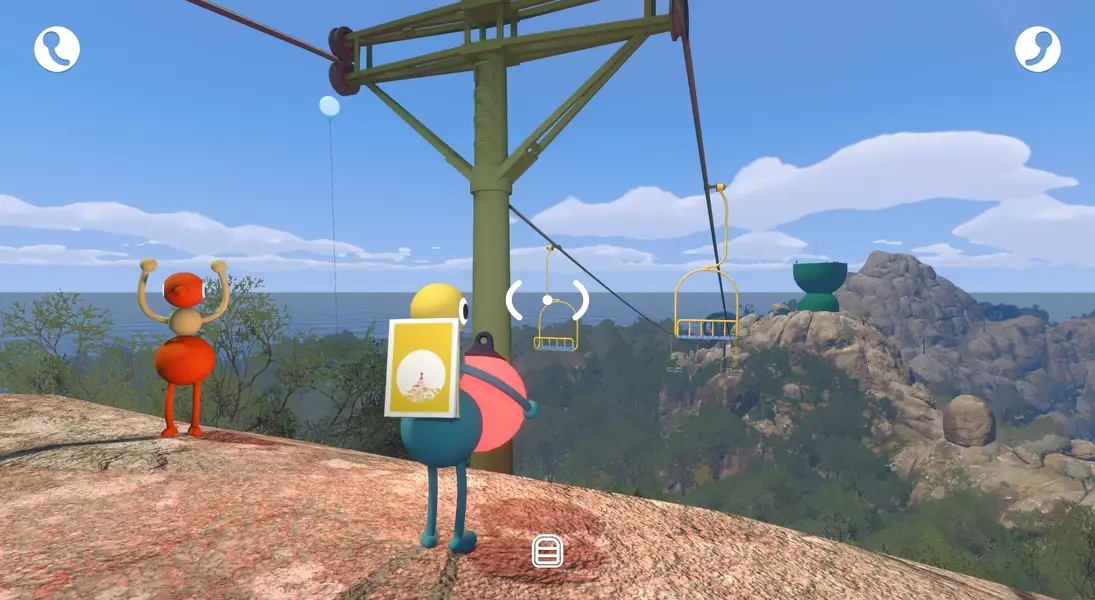
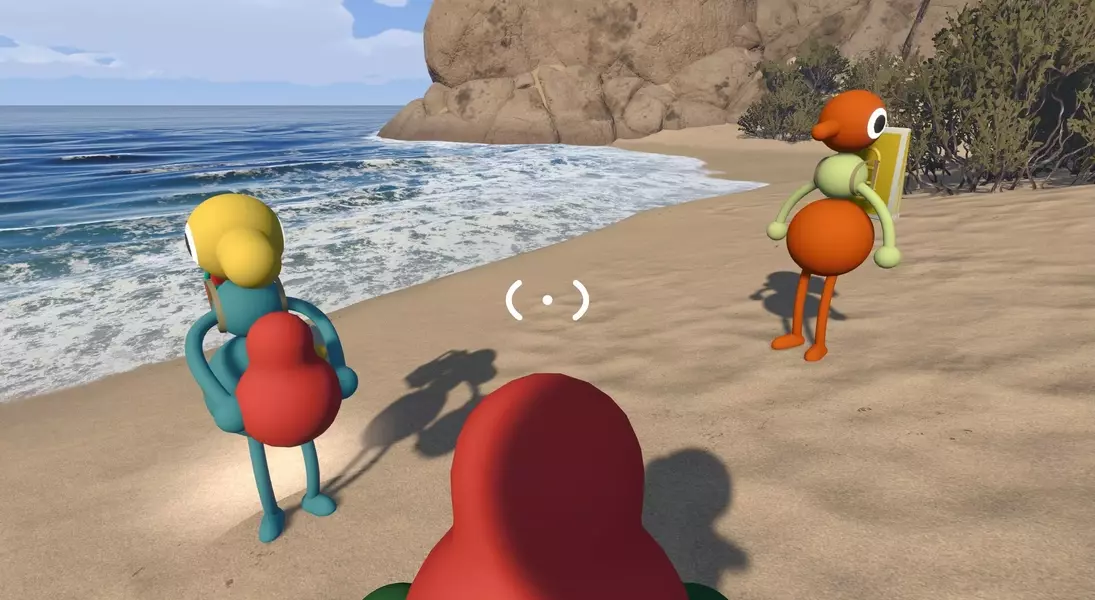
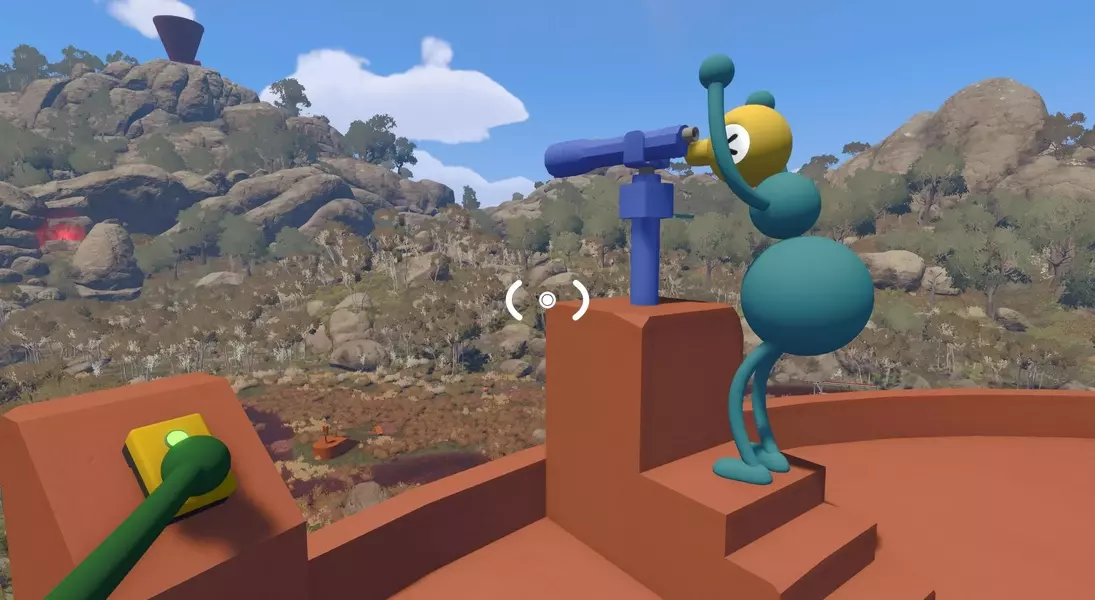
From a brief introductory guide, players are immediately thrust into a vast island adorned with lush forests, meandering rivers, rugged rocks, and vibrant, scattered puzzle structures. Each successfully completed puzzle rewards players with a collectible item, which, though unnamed, is essential for unlocking deeper exploration within the island. The puzzles themselves are not overtly complex, but their cooperative nature necessitates flawless communication and meticulous logistical planning, making teamwork the central challenge.
The game enforces a unique communication system: straying too far from a teammate dampens their voice in proximity chat, eventually silencing them altogether. Visual cues, such as pointing and waving, become vital. Players can also discover and utilize tools like walkie-talkies, laser pointers, and flashlights, or even write messages on signs. However, these items must be carried, limiting players to one item at a time until accessories like backpacks are found, adding another layer to the strategic movement and item management challenges.
Embracing the Unpredictable: Overcoming Humorous Obstacles
The true joy of Big Walk lies in its capacity to turn minor mishaps into amusing anecdotes. The serene environment, devoid of threats like monsters or harsh penalties for failure, means that small misfortunes—such as falling down a hill, misplacing an item, or getting separated from the group—are met with laughter rather than frustration. These incidents often lead to innovative detours and makeshift solutions, like proceeding without a vital tool or navigating back to lost teammates. The game's design encourages a relaxed approach, where the absence of a strict fail state transforms obstacles into humorous challenges rather than stressful setbacks.
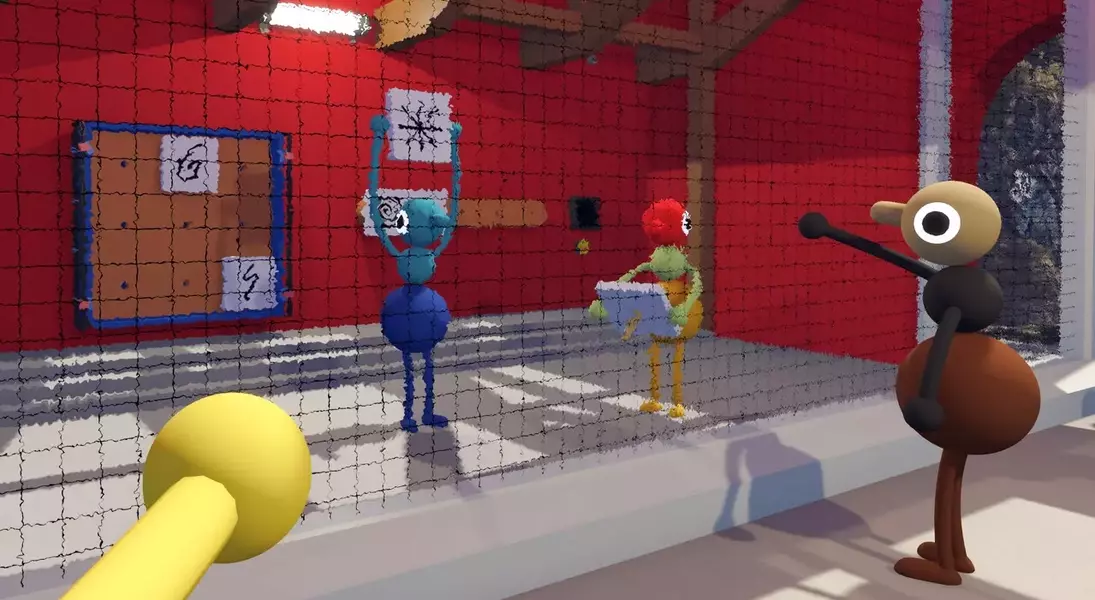
A particularly memorable instance involved a puzzle where players were divided by soundproof glass. Without walkie-talkies, visual communication became the only option. Initially, simple pointing proved ineffective, leading to a more elaborate system of arm gestures. As dusk settled, the darkening environment, combined with the player's green avatar blending into the background, rendered these signals unintelligible. This hilarious situation, where frantic attempts to regain attention through tapping on the glass were futile, highlighted the game’s unique charm. Despite the need to restart the puzzle, the shared experience of overcoming such an absurd predicament only deepened the enjoyment, proving that ingenuity thrives in the face of unexpected, comical adversity.
