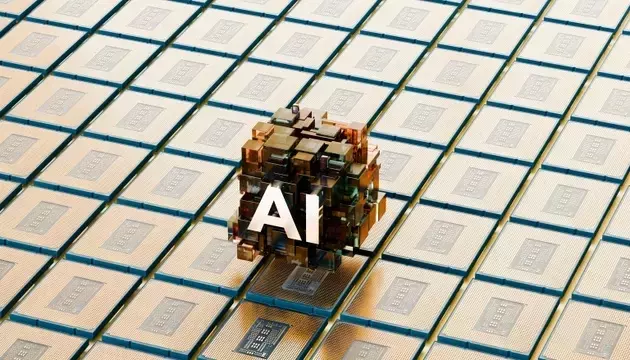
Recent announcements from leading technology giants regarding their capital expenditure plans indicate a significant boost for the semiconductor sector. This renewed investment focus is driven by the escalating demands of artificial intelligence, propelling a new era of growth for chip manufacturers and related industries. The increased spending by these tech titans suggests a sustained period of expansion for the semiconductor market, with various segments experiencing substantial benefits.
The current market landscape shows a strong upward trend in memory solutions, particularly high-bandwidth memory (HBM) and dynamic random-access memory (DRAM). This surge in demand, coupled with constrained supply, is creating favorable conditions for memory producers. Furthermore, the strategic investments made by Taiwan Semiconductor Manufacturing Company (TSMC) in advanced technologies solidify its leadership in foundry services, especially in the realms of artificial intelligence and sophisticated chip packaging. These developments collectively underscore a pivotal moment for the semiconductor industry, characterized by innovation and aggressive capital deployment.
Tech Giants Propel Semiconductor Growth Through Strategic Investments
Major technology corporations, such as Amazon, Google, and Meta, are significantly increasing their capital expenditures, initiating a robust investment cycle that is expected to drive substantial growth in the semiconductor industry. This surge in spending is a direct response to the escalating demands for advanced computing capabilities, particularly those required for artificial intelligence and cloud infrastructure. The strategic decisions made by these tech leaders are creating a ripple effect across the semiconductor ecosystem, benefiting various players from memory manufacturers to equipment suppliers. This unprecedented investment is setting the stage for a period of accelerated innovation and expansion within the global semiconductor market, reinforcing its critical role in technological advancement.
The aggressive investment strategies from these prominent tech firms are directly shaping the future of the semiconductor industry. Their substantial capital allocation signals a strong commitment to enhancing data center capabilities, developing cutting-edge AI technologies, and expanding cloud services. This increased spending translates into higher demand for a wide array of semiconductor products, including high-performance processors, memory chips, and specialized components. The emphasis on AI and advanced computing is not only accelerating technological development but also intensifying competition and fostering collaboration among industry participants. As these tech giants continue to push the boundaries of innovation, the semiconductor sector is poised for sustained growth and transformation, creating lucrative opportunities for companies positioned to meet these evolving demands.
Memory Market Boom and Foundry Leadership in AI Era
The memory sector is experiencing a significant upturn, with high-bandwidth memory (HBM) demand surging and dynamic random-access memory (DRAM) supplies remaining tight. This dynamic environment is highly beneficial for memory suppliers like Micron, SK Hynix, and Samsung, who are well-positioned to capitalize on the robust market conditions through 2026. The increasing complexity of AI workloads and the proliferation of data-intensive applications are driving this unprecedented demand for advanced memory solutions. This super cycle in memory is not merely a cyclical rebound but a structural shift driven by fundamental technological advancements and widespread AI adoption.
Taiwan Semiconductor Manufacturing Company (TSMC) is further cementing its leadership in the foundry market with a substantial increase in capital expenditure, projecting approximately $54 billion in investments. This strategic move, coupled with a gross margin guidance of 63–65%, underscores TSMC's dominant position in AI chip manufacturing and advanced packaging technologies. Equipment providers such as Lam Research, KLA, ASML, and Applied Materials are expected to thrive amidst this capital expenditure boom, supplying the critical tools necessary for advanced chip production. Simultaneously, companies like NVIDIA and Broadcom are direct beneficiaries of the escalated capital spending, with NVIDIA's platform innovations and Broadcom's Google-driven Tensor Processing Unit (TPU) ramp positioning them to capture a disproportionate share of the burgeoning AI infrastructure market. However, rising DRAM prices could exert pressure on profit margins within the consumer electronics segment, highlighting the intricate interdependencies within the technology supply chain.
