



The year 2025 marked a significant turning point in the personal computer gaming world, as the relentless pursuit of hyper-realistic graphics finally ceded its dominance. A plateau in visual technology meant that incremental hardware upgrades offered only minor boosts in frame rates, rather than revolutionary aesthetic transformations. This shift, coupled with the exorbitant cost of high-end components, redirected the industry's focus towards more accessible and gameplay-centric experiences, demonstrating that true innovation lies beyond mere pixel count.
A notable phenomenon of the year was the ascent of "friendslop" games—a colloquial term for cooperative titles designed primarily for group enjoyment. These games, exemplified by hits like "Peak" and "REPO," proved that engaging mechanics, low system requirements, and unique artistic styles could captivate a vast audience. Their success underscored a growing sentiment among players: content and collaboration trumped the need for the latest graphical fidelity. These titles, some of the best-selling of their release year, were optimized to run smoothly on older, more budget-friendly PCs, democratizing access to compelling gaming experiences.
While the term "friendslop" might inadvertently suggest a lack of polish, these games are anything but carelessly made. Their charm often comes from intentionally quirky physics and ragdoll effects, creating comedic and memorable moments. For instance, navigating delicate objects through challenging environments in "REPO" perfectly mirrored the real-life struggles of moving fragile items, turning a potential frustration into a source of shared laughter. This deliberate design choice highlights a sophisticated understanding of how to create an enjoyable and accessible experience, prioritizing fun over graphical extravagance.
The visual design of these games, despite their modest hardware demands, is frequently thoughtful and highly effective. "Peak," with its layered geometric mountains, utilizes exceptional sound design and dynamic weather effects to immerse players in a perilous environment, proving that atmospheric immersion doesn't require photorealism. Similarly, "REPO" employs VHS-style visual noise to mask simpler geometries and enhance the dark, eerie atmosphere, showcasing how creative art direction can be more impactful than raw processing power. These examples demonstrate that visually compelling games can be crafted without breaking the bank or demanding top-tier hardware.
This trend extended beyond independent co-op titles to larger productions as well. "Abiotic Factor," hailed as a groundbreaking survival game, embraced a distinct 90s aesthetic reminiscent of classic titles while still leveraging modern lighting techniques from Unreal Engine 5. This allowed it to deliver a sophisticated experience that ran comfortably on older Nvidia graphics cards. Even less visually polished games, like "Schedule 1," carved out their niche with unique character designs and expressive visuals, effectively supporting their complex gameplay systems, such as open-world drug empire simulations.
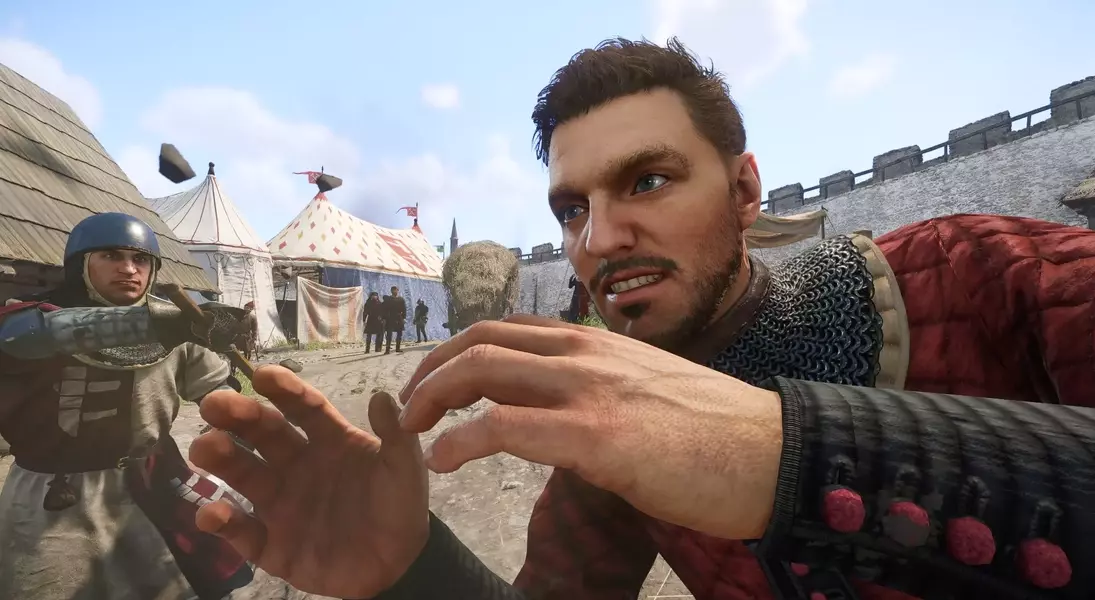
Even major releases embraced this performance-first philosophy. "Kingdom Come: Deliverance 2," celebrated as PC Gamer's game of the year, was lauded for its ability to run smoothly on a GTX 1060—a graphics card from 2016—and achieved widespread popularity on handheld devices like the Steam Deck. Similarly, "Battlefield 6" prioritized high frame rates on entry-level systems, opting to forego expensive features like ray tracing. This decision resulted in a visually stunning and top-selling shooter that performed excellently on a wide range of hardware, garnering praise for its optimization rather than its cutting-edge reflections.
The collective success of these diverse titles in 2025 highlights a fundamental truth often overlooked: gameplay is paramount. While impressive graphics are a welcome bonus, they are secondary to an engaging and enjoyable core experience. Players are more likely to invest hours in a game with strong mechanics and narrative, regardless of its visual fidelity, than in a graphically advanced title that lacks substance. This year's trends, contrasting sharply with the pitfalls of poorly optimized, graphics-heavy games like "Monster Hunter Wilds," suggest a crucial pivot in big-budget development—a recognition that prioritizing accessibility and engaging gameplay is not just creatively fulfilling, but also a sound business strategy.
