

In the high-stakes realm of professional football, securing top-tier talent involves far more than just lucrative salaries. Clubs are increasingly deploying creative and personalized strategies to entice players, moving beyond traditional financial packages to offer unique benefits that address individual needs and aspirations. This evolving landscape of player recruitment encompasses everything from providing equity in the club and commercial partnership deals to offering domestic assistance, family comforts, and even addressing specific personal preferences. The modern transfer market is a dynamic environment where innovative persuasion techniques, long-term relationship building, and a deep understanding of player psychology are as crucial as financial muscle, shaping the destinies of athletes and the competitive balance of leagues worldwide.
A prime illustration of this sophisticated approach can be seen in Inter Miami's successful acquisition of Lionel Messi. Unable to rival the sheer financial might of Saudi Arabian clubs, Miami crafted an unparalleled offer. This involved not only a future equity stake in the MLS club, which would activate upon his departure, but also a share of revenue from MLS Season Pass subscriptions on Apple TV, alongside direct compensation agreements with major brands like Adidas and Fanatics. This multi-faceted deal underscored a significant shift in recruitment, recognizing that a player's holistic value extends beyond their immediate salary, incorporating brand partnerships and future investment opportunities.
Historically, the tactics employed could be surprisingly unconventional. Consider Paul Gascoigne’s transfer to Tottenham Hotspur in 1988. Despite being on the verge of joining Manchester United, Gascoigne was swayed by Tottenham's willingness to purchase a house for his parents and, famously, a sunbed for his sister. This anecdote, recalled by Gascoigne himself, highlights how personal concessions, even seemingly minor ones, could tip the balance in a fiercely competitive transfer race. Sir Alex Ferguson later expressed regret over not securing Gascoigne, underscoring the profound impact such gestures could have on a player’s career trajectory and a club’s fortunes.
Beyond material incentives, clubs also invest heavily in cultivating long-term relationships and demonstrating a deep understanding of a player's game. Brentford's recruitment of Kristoffer Ajer exemplifies this meticulous approach. When Ajer was considering options in 2021, Brentford distinguished themselves by revealing they had scouted him in over 100 matches, providing detailed feedback on his performances, including areas for improvement. This level of thoroughness and honesty resonated with Ajer, making Brentford a compelling choice over other suitors. Similarly, some contractual clauses are purely player-driven, like Dennis Bergkamp's agreement with Arsenal to avoid flying due to his aerophobia, which, despite a financial deduction, was a crucial factor in his decision.
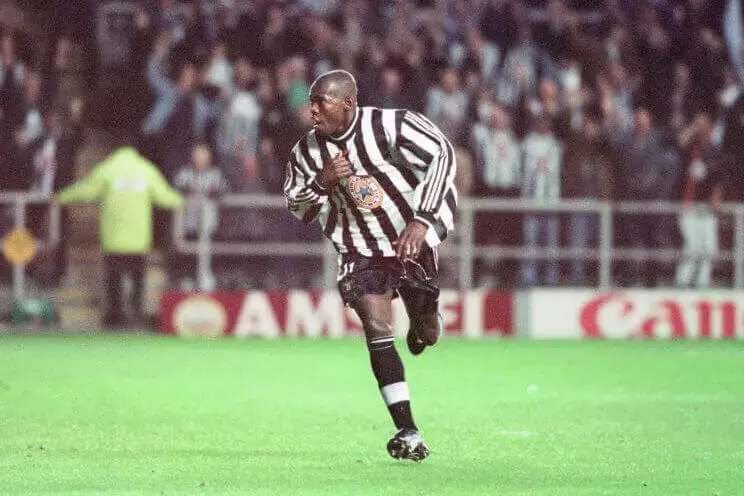
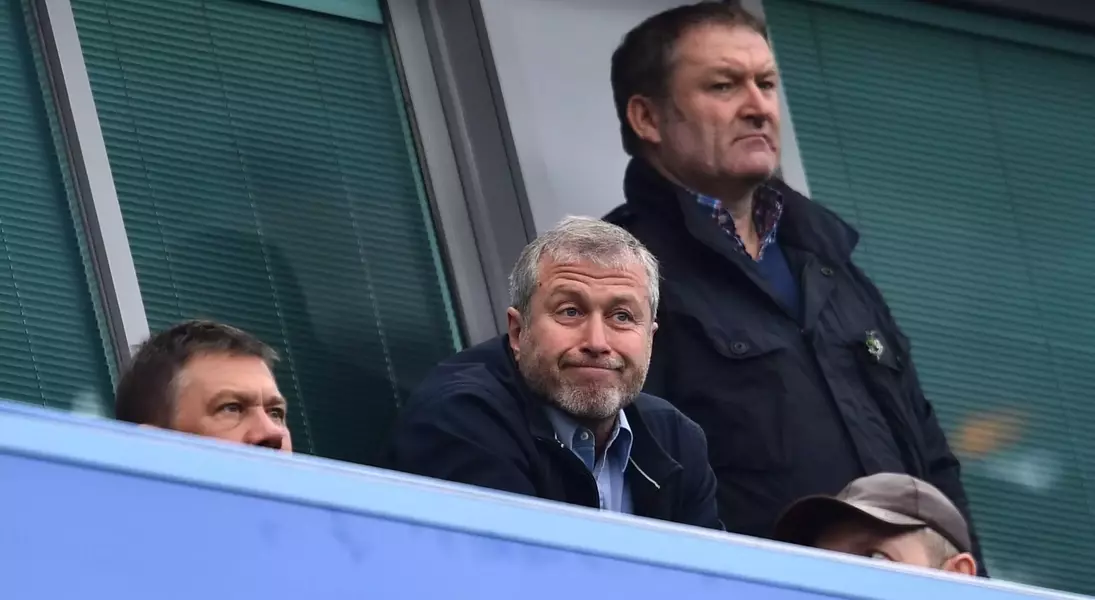
The lengths to which clubs and owners will go to impress a player can be truly extraordinary. In 2011, Roman Abramovich, then Chelsea's owner, famously invited Luka Modric onto his luxury yacht in Cannes to personally pitch a move to Stamford Bridge. Modric's detailed account of the discreet, high-class rendezvous — involving private jets, tinted-glass vans, and speedboats — showcases the theatricality sometimes employed to make a lasting impression. Although Modric ultimately did not join Chelsea at that time due to Tottenham's firm stance, the anecdote illustrates the elaborate charm offensives conducted at the highest levels of the game. Other historical examples highlight geographical misunderstandings, such as Faustino Asprilla's agent being told Newcastle was "not far" from London, or Bryan Roy's wife being misled about the distance between Nottingham and London, demonstrating how even slight deceptions could play a role in securing transfers in a pre-internet age.
Ultimately, while the methods have evolved, the core principles guiding player decisions often remain constant. Money and the well-being of family are paramount, alongside a fundamental desire to feel valued and wanted. As one anonymous agent succinctly put it, "Money and family are still the most important thing in any deal… That — and feeling wanted. It's pretty simple." This timeless truth suggests that despite the grand gestures and complex negotiations, the human element continues to be at the heart of every successful player acquisition in the intricate world of professional football.
