Fuse Games' Star Wars: Galactic Racer is lauded for its unique take on the racing genre, incorporating a roguelite campaign and a distinct multiplayer experience, alongside its ingenious application of the Star Wars universe. However, its innovative qualities are not isolated; the game stands on the shoulders of a proud tradition of science fiction, anti-gravity racing titles, and draws heavily from the legacy of Criterion Games, where many of Fuse's founding members honed their craft. This article delves into a selection of seven influential racing games that share thematic or mechanical similarities with Galactic Racer, inviting players to trace the lineage of its design back through pivotal moments in racing game history, and even forward into contemporary indie developments.
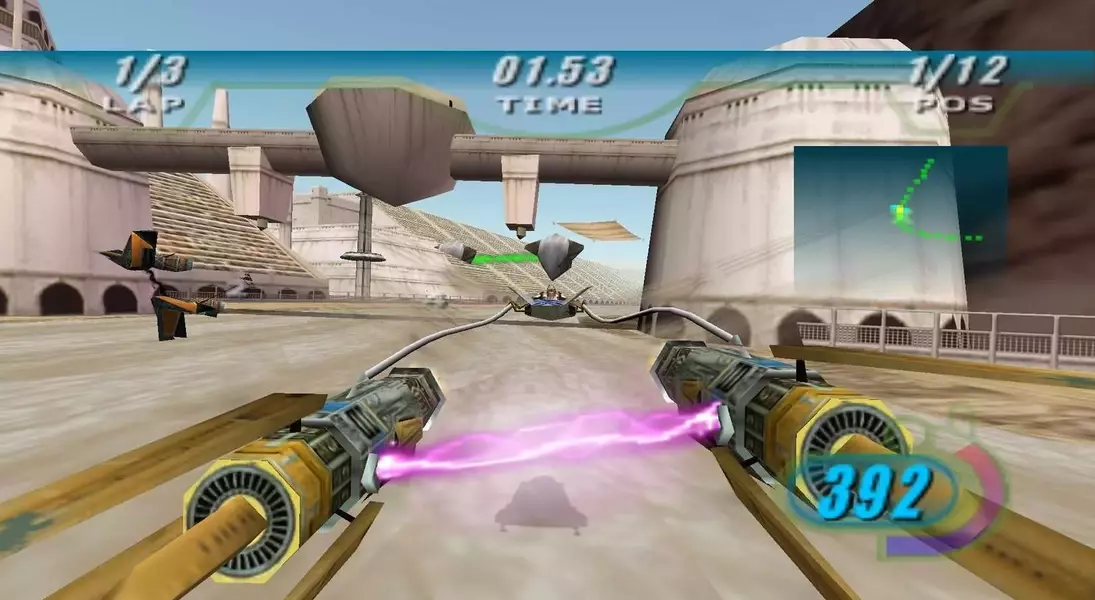
A natural starting point for understanding Galactic Racer's heritage is the beloved 1999 LucasArts creation, Star Wars Episode 1: Racer. This game, launched alongside The Phantom Menace, perfectly captured the intense podracing scenes from the film. Its modern re-release allows contemporary audiences to experience the game's core mechanics, including an afterburner boost that, similar to Galactic Racer's ramjet, risks overheating and damaging the craft. This direct precursor clearly set a foundational standard for high-speed, futuristic racing within the Star Wars universe.
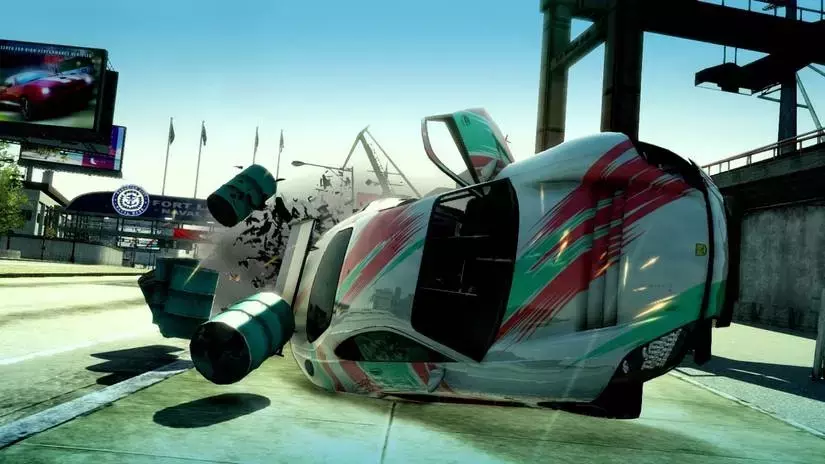
To truly grasp the influences on Galactic Racer, one must consider the Burnout series, particularly given the strong ties between Fuse Games and Criterion Games, the original developers of Burnout. While 2008's open-world Burnout Paradise Remastered, with its focus on aggressive driving and spectacular crashes, may not be the most direct mechanical ancestor (a title arguably held by the more combat-focused Burnout 3: Takedown), it is an accessible and excellent entry point to understanding the high-octane philosophy that permeates both series. The emphasis on boost mechanics and vehicular combat in Burnout clearly resonates within Galactic Racer's design.
The F-Zero series from Nintendo holds a significant place as a pioneer in the sci-fi anti-gravity racing genre, establishing benchmarks for blistering speeds and large-scale competitive fields as early as 1990 with its SNES debut. While various titles from the series are available on Nintendo Classics, and F-Zero 99 offers a modern battle-royale twist, 2003's F-Zero GX for GameCube is often hailed as a masterpiece. Developed by Toshihiro Nagoshi at Sega's Amusement Vision, its blend of F-Zero's iconic speed with Sega's vibrant racing style created a transcendent experience, solidifying its status as a genre benchmark.
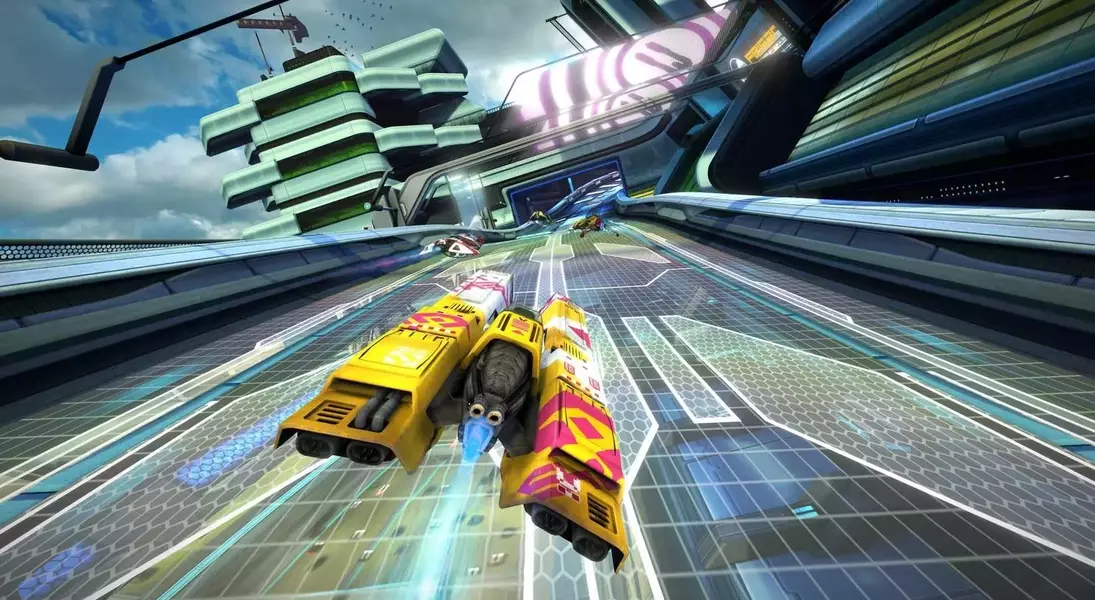
Another titan in sci-fi racing is Sony's Wipeout series, which distinguishes itself with more realistic physics compared to F-Zero and incorporates weapon and power-up systems reminiscent of Mario Kart. While purists might gravitate towards the 1995 PS1 original or its successor, Wipeout 2097, the 2017 Wipeout Omega Collection provides an easily accessible and visually stunning compilation of PS3/Vita-era titles, showcasing the series' evolution and enduring appeal on modern platforms.
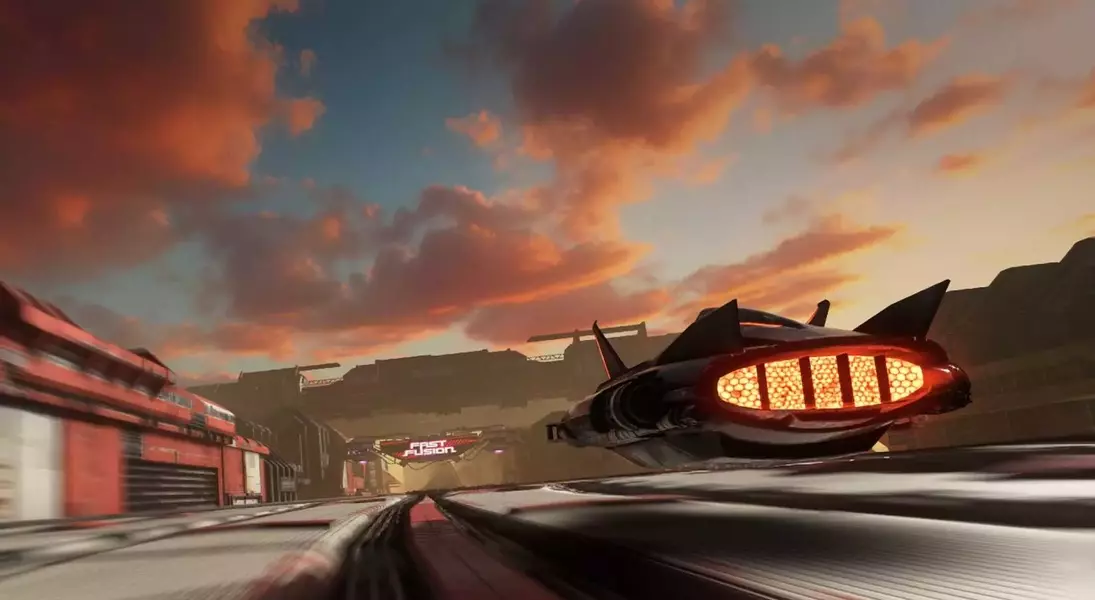
The German indie developer Shin'en Multimedia's Fast series has been instrumental in keeping the spirit of high-speed anti-gravity racing alive during periods when F-Zero and Wipeout were less active. These technically brilliant games, developed exclusively for Nintendo consoles since their WiiWare debut, serve as a testament to the genre's enduring appeal. Fast Fusion, a launch title for the Nintendo Switch 2, continues this legacy, offering another meticulously crafted entry in the high-octane anti-gravity racing domain.
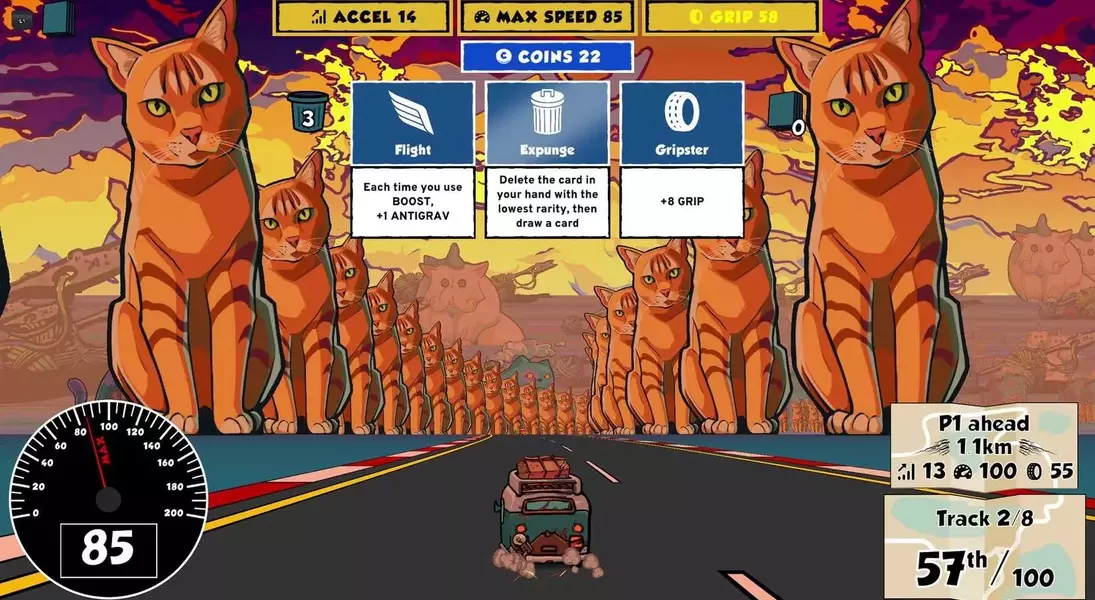
While Galactic Racer's roguelite campaign is a novel concept within mainstream racing, independent developers have also explored similar structural innovations. Reality Drift stands out as an exciting example, offering a surreal, OutRun-inspired roguelike driving experience with distinctive artistic contributions, including input from Katamari Damacy creator Keita Takahashi. A playable demo is currently available on Steam, with the full release slated for November 11th, showcasing the continued evolution of roguelike elements within racing games.
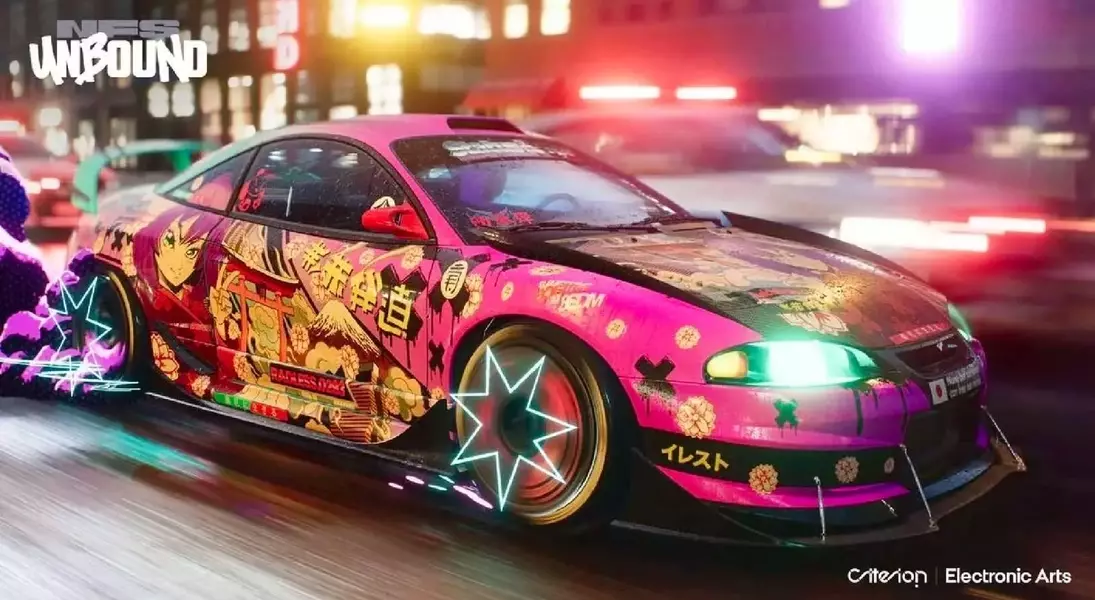
Lastly, Need for Speed Unbound, the final Need for Speed title developed by Criterion before their pivot to Battlefield support, shares a thematic kinship with Galactic Racer's campaign structure. Unbound presents a gritty street-racing narrative where players must strategically earn upgrades and manage resources within a fixed calendar to prepare for championship races. This emphasis on progression, risk-taking, and strategic planning within a competitive framework finds echoes in Galactic Racer, particularly given that Kieran Crimmins and Bill Lane, key creative minds behind Unbound, subsequently joined Fuse Games to develop Galactic Racer, bringing their innovative design philosophies to the new project.
The landscape of racing games is rich with innovation and interconnected influences, a tapestry woven from classic anti-gravity challenges, high-impact vehicular combat, and emergent roguelite structures. Galactic Racer, while a fresh voice, is part of a dynamic conversation among developers pushing the boundaries of speed, strategy, and immersive experiences within the genre. Exploring these related titles not only enhances appreciation for Galactic Racer's contributions but also illuminates the diverse and evolving nature of racing game design.
