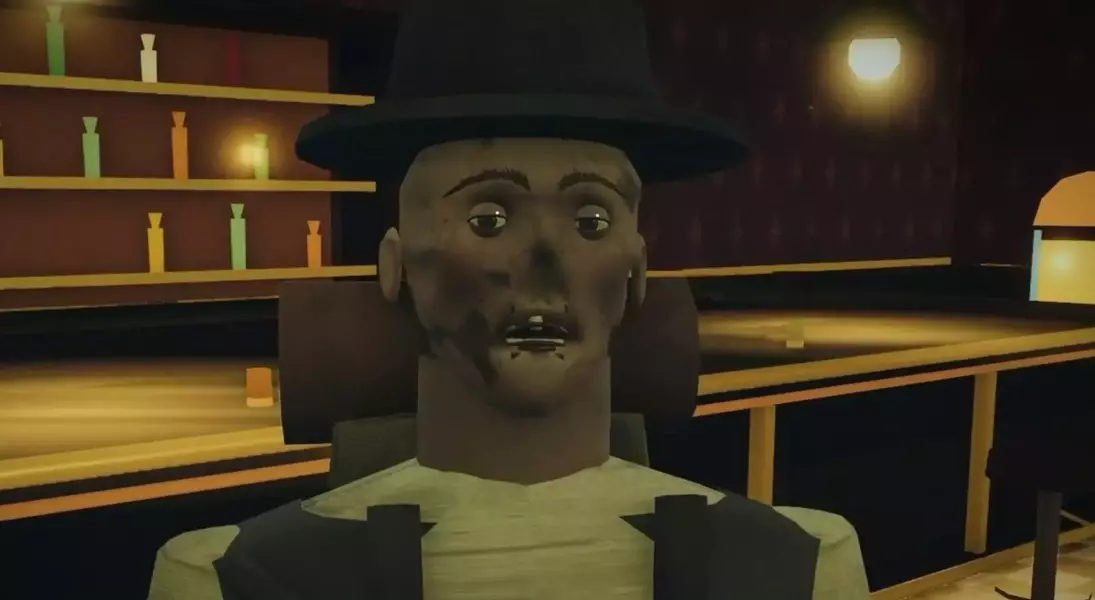
In a move that has sparked debate within the gaming community, Bethesda Softworks has taken legal action against a fan-created 'Fallout' title, dubbed 'Fallout: New York.' This browser-based game, developed by Chris First, stands out due to its reliance on artificial intelligence for content generation, a practice that has drawn both curiosity and criticism.
First's intention was to replicate the 'Fallout' experience using AI, rather than drawing inspiration from it, leading to a product that, according to some observers, lacked the creative depth found in traditional fan modifications. Unlike elaborate community projects such as 'Fallout: London' or 'Skyblivion,' which are celebrated for their meticulous craftsmanship and passionate development by hundreds of volunteers over years, 'Fallout: New York' was perceived as a quick, AI-driven imitation. The game's visual presentation, described by some as 'garbola,' further fueled discussions about the quality and artistic merit of AI-generated content in fan projects.
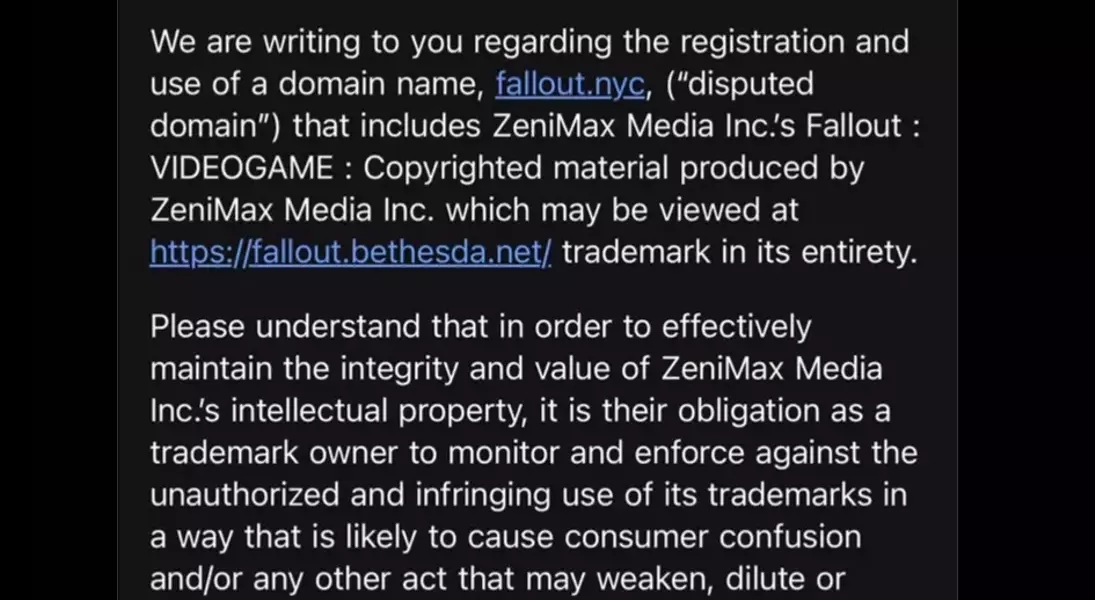
The legal intervention from ZeniMax Media, Bethesda's parent company, centered on intellectual property infringement, specifically targeting the project's use of the 'fallout.nyc' domain name. This incident underscores the complexities of intellectual property in the digital age, particularly when fan creations, regardless of their method of production, directly leverage established brand names and copyrighted material. While some suggested a simple name change might resolve the issue, the creator expressed disinclination to continue the project, effectively ending 'Fallout: New York's' short-lived journey.
This situation presents a critical opportunity to reflect on the nature of creativity, intellectual property, and fan engagement in the evolving landscape of video game development. It emphasizes that while technology like AI can democratize creation, respect for established intellectual property remains paramount. For genuine fans and aspiring creators, this serves as a reminder to pursue innovative paths that honor the spirit of beloved franchises without infringing on their legal protections, ultimately fostering a more positive and sustainable creative ecosystem.
