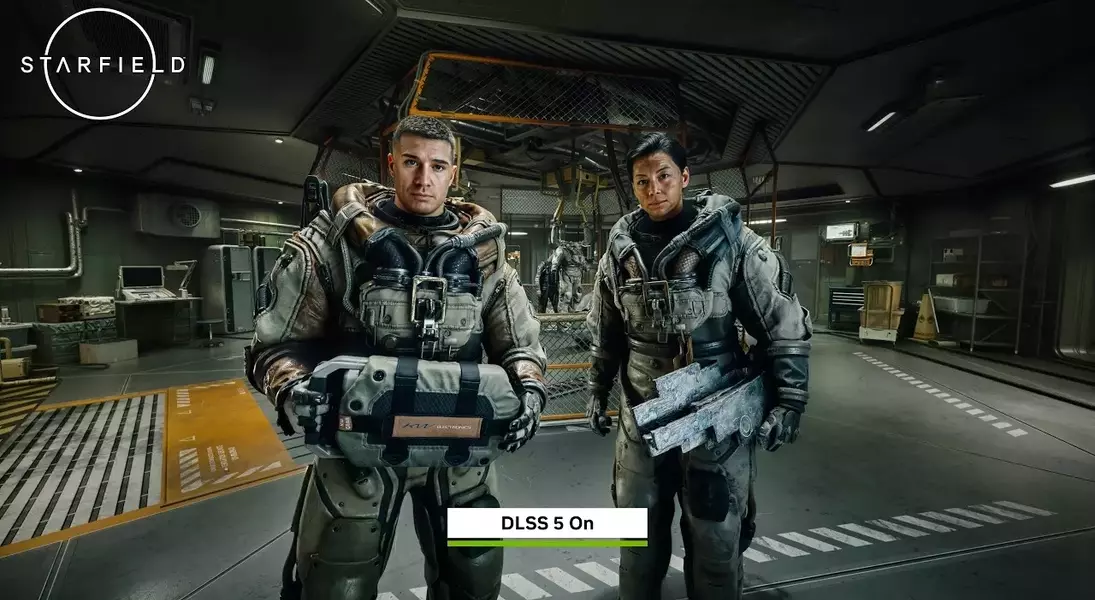
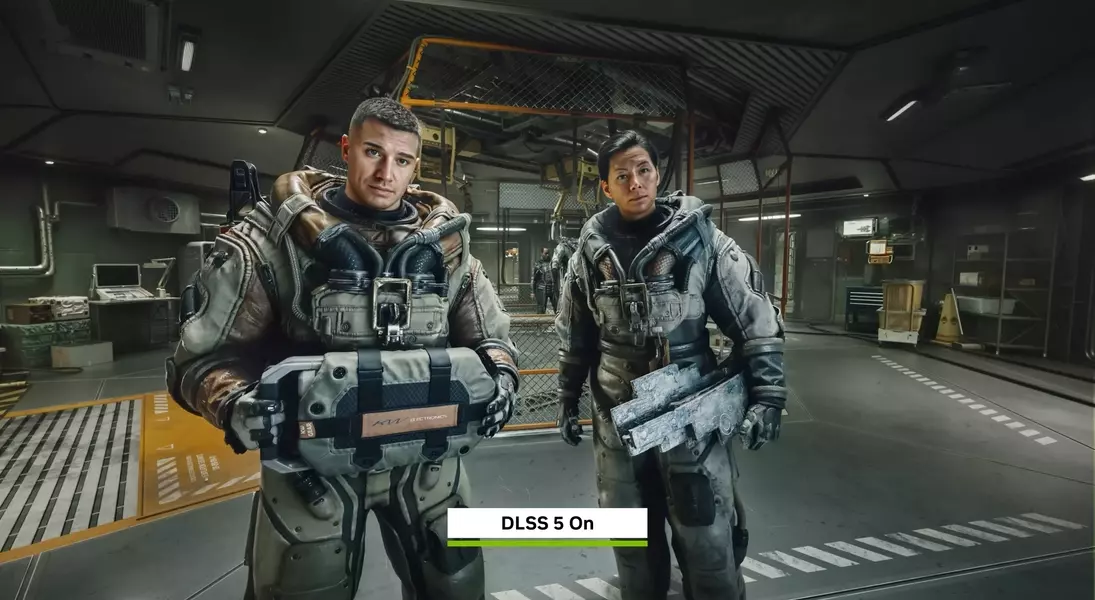
Nvidia's announcement of DLSS 5, touted as the "future of real-time rendering," has sparked considerable debate following early demonstrations. Many observers have characterized the initial results as merely an AI filter applied to existing game visuals, a perception that has not garnered widespread positive feedback. Despite this, game developer Bethesda, a partner in showcasing DLSS 5 with titles such as Starfield and Elder Scrolls 4: Oblivion Remastered, remains committed to the technology as an integral upscaling option.
Following a detailed analysis of the technology by Digital Foundry, which examined hands-on experiences, Bethesda issued a clarifying statement. The company emphasized that the current visuals represent a very early preview. They assured the gaming community that their art teams would meticulously refine the lighting and overall effects to align with their artistic vision for each game. Crucially, Bethesda underscored that the implementation of DLSS 5 would be entirely at the discretion of their artists and, most importantly, completely optional for players, addressing a key point of contention. This clarifies Nvidia's previous assertion about developer "artistic control," specifying that this control extends beyond a simple on/off switch to include granular adjustments for intensity, color grading, and selective application areas, reinforcing that DLSS 5 is more than just a superficial filter but a hardware-level integration impacting lighting and visual fidelity.
The public's reaction to Bethesda's response has been mixed, with a significant number of negative comments suggesting a prevailing skepticism towards the pervasive use of AI in gaming. A particular point of concern has been the "uncanny" appearance of character faces in Nvidia's promotional materials, leading to ethical and quality debates. While the lighting improvements in Starfield clips have been noted as less problematic, the overall perception remains challenging for a technology promoted by a company that stands to benefit substantially from AI integration. This highlights the ongoing tension between technological advancement and artistic integrity within the gaming industry, urging developers and hardware manufacturers to prioritize player experience and creative control.
