This comprehensive guide introduces the leading wearable breast pumps of 2024, rigorously evaluated by new parents to offer practical insights and recommendations. Whether you prioritize powerful suction, discreet design, or affordability, this article provides detailed reviews and expert advice to help you select the ideal pump for your unique needs.
Achieve Pumping Freedom: The Ultimate Guide to Wearable Breast Pumps
Unlocking Pumping Freedom: How Wearable Breast Pumps Revolutionized My Life as a New Mother
For a parent juggling the demands of a premature baby and multiple older children, finding time to pump milk can be incredibly challenging. Traditional breast pumps often require being confined to a chair, limiting mobility and increasing stress. The advent of wearable breast pumps has transformed this experience, offering unparalleled freedom and flexibility. These innovative devices allow mothers to pump while performing daily tasks, reducing stress and, in many cases, even enhancing milk production. This article explores the best wearable breast pump options available, based on comprehensive testing by new parents who evaluated them for comfort, ease of use, effectiveness, discretion, portability, and overall value. The aim is to empower other parents to find similar relief and make their pumping journey more manageable and enjoyable.
Top Picks for Wearable Breast Pumps: Our Expert Selections
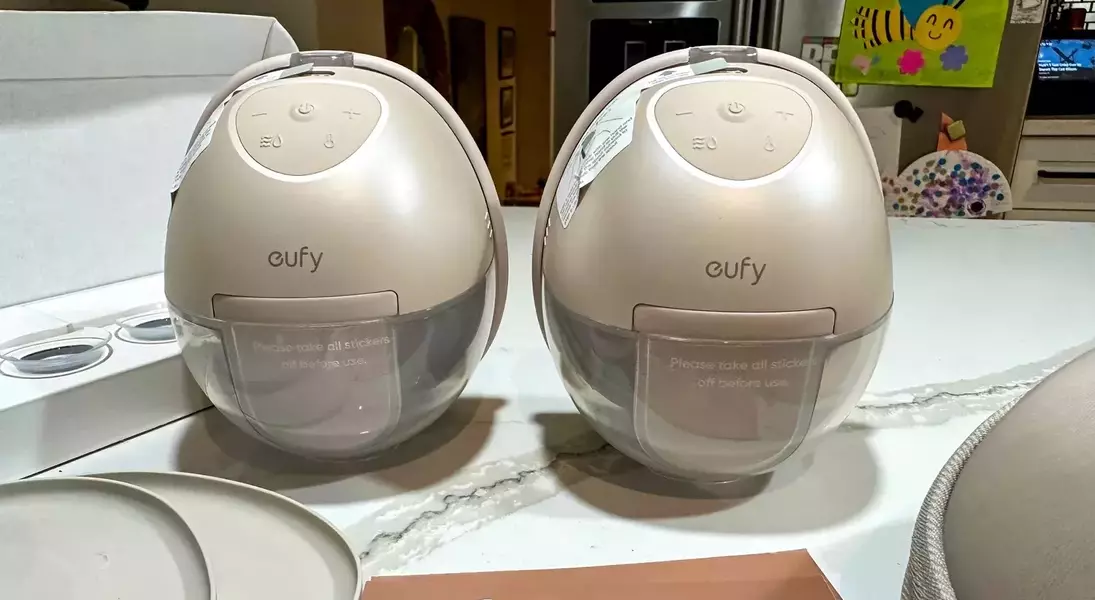
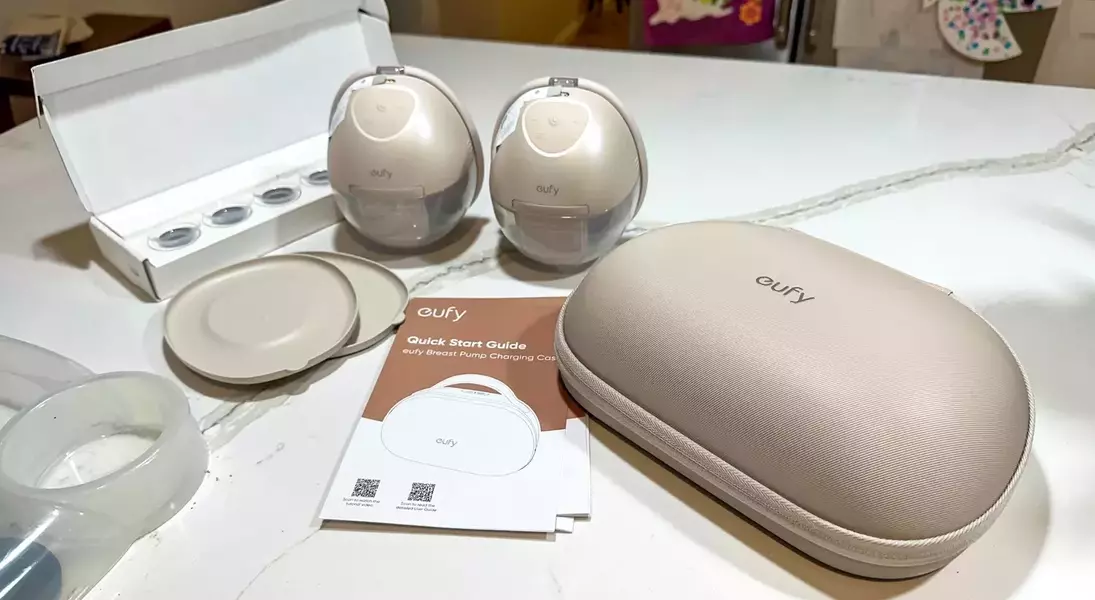
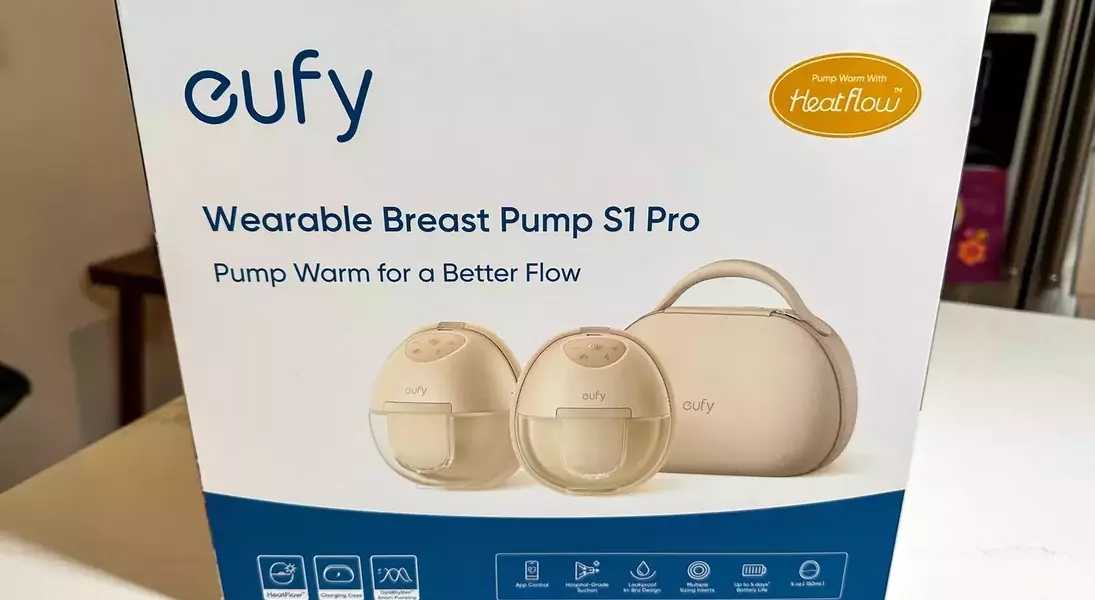
After extensive evaluation, our top recommendation for a wearable breast pump is the eufy Wearable Breast Pump S1 Pro, praised for its exceptional overall performance. For those requiring a device with stronger suction capabilities, akin to hospital-grade models, the Elvie Stride 2 is highly recommended. If budget is a primary concern, the Momcozy S12 Pro stands out as an excellent value option. A crucial reminder for all parents is to always purchase new pumps for hygiene reasons, avoiding secondhand units to protect both mother and baby from potential bacterial contamination.
Can Wearable Breast Pumps Be Covered by Insurance? Understanding Your Benefits
Health insurance providers are mandated to cover the cost of breast pumps. However, the specifics of coverage can vary significantly. Plans may dictate the types of pumps covered, whether they are available for rent or purchase, and the timing of acquisition—either before or after the baby's birth. Some insurers limit coverage to specific pump brands or retailers, and may require a prescription or preauthorization. It is highly advisable to consult your individual insurance plan to clarify your benefits and ensure you receive the coverage you are entitled to.
Effectiveness of Wearable Breast Pumps: What to Expect from These Innovative Devices
Generally, wearable breast pumps offer less efficiency compared to traditional double-electric plug-in models. According to medical experts like Jessica Madden, M.D., FAAP, IBCLC, double-electric pumps provide stronger suction, leading to more complete breast emptying and higher milk yield. Despite this, the primary advantage of wearable pumps lies in their convenience: they allow mothers to move freely and pump away from electrical outlets. The choice of pump ultimately depends on individual body type, lifestyle, and specific needs. Our rigorous testing process involved six pumping parents who used a variety of models for up to a year, evaluating them on factors such as setup ease, comfort, noise levels, output, portability, cleaning, durability, and overall value. Testers explored various suction levels and modes, assessed noise during typical activities, and tracked milk output to provide a comprehensive review.
Our Top Pick: The eufy Wearable Breast Pump S1 Pro – Comfort, Control, and Quiet Operation
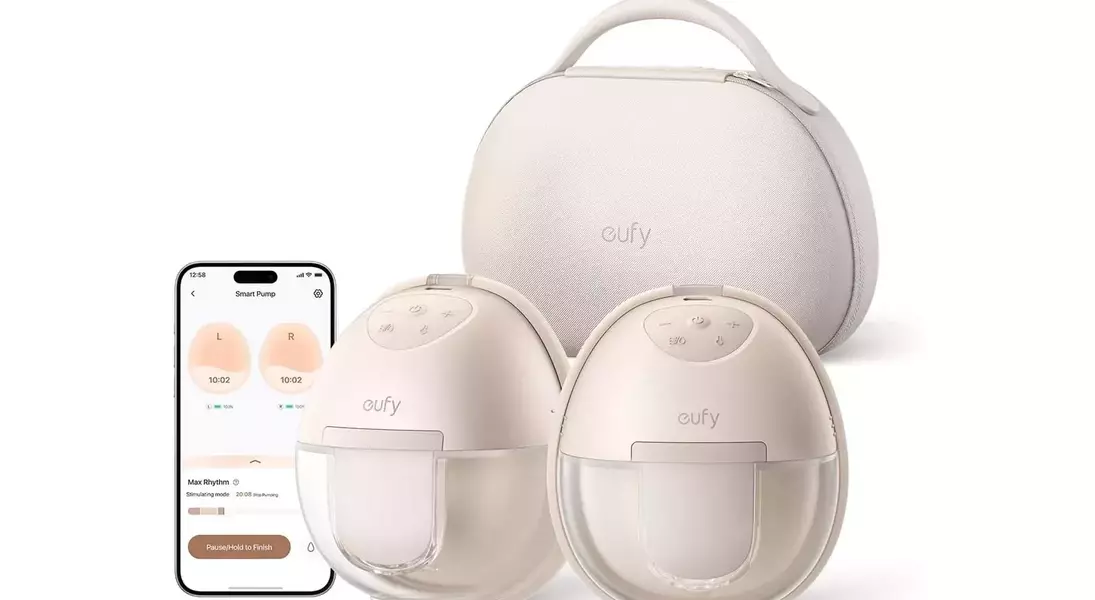
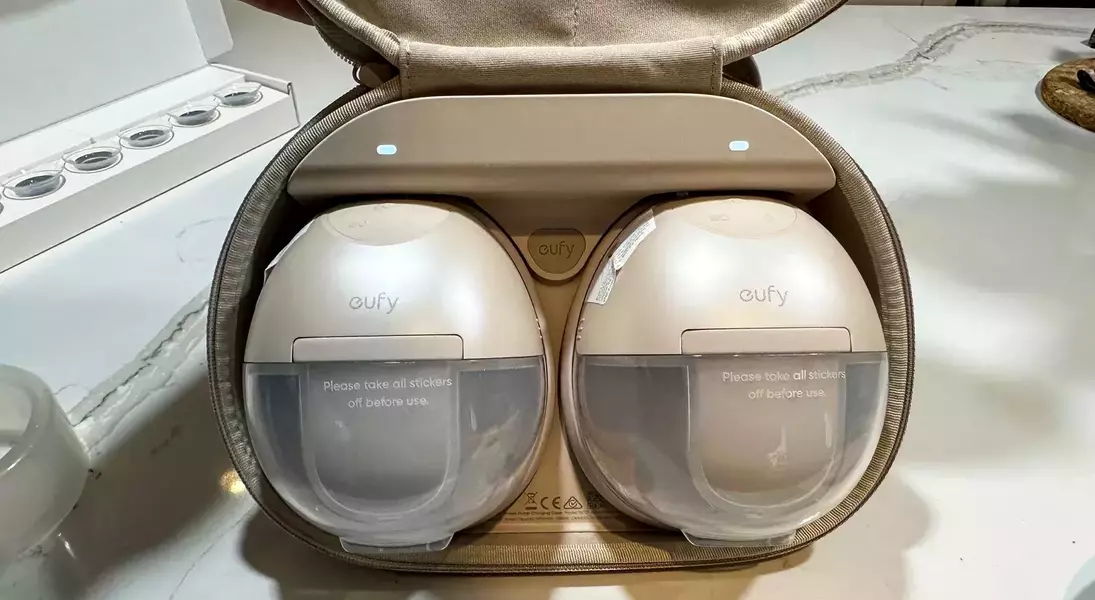
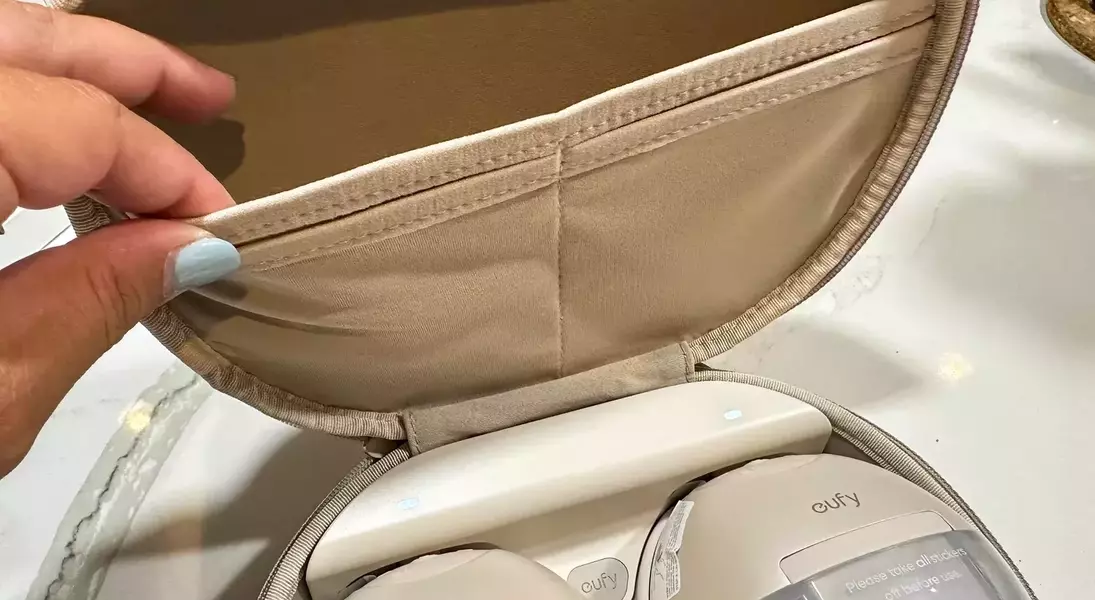
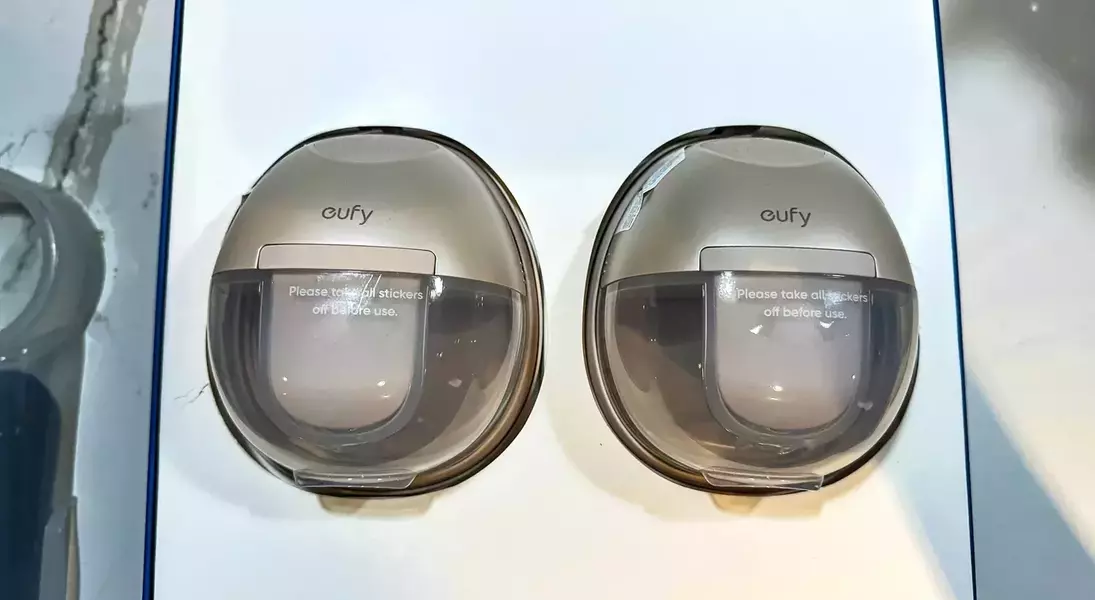
The eufy Wearable Breast Pump S1 Pro earned our highest recommendation due to its customizable suction, comfortable soft flanges, and intuitive app control. Testers lauded its durability, user-friendliness, and remarkably quiet operation, which stayed below 46 dB. A standout feature is its heating mode, providing a more pleasant pumping experience. The pump comes with four flange sizes and a nipple measurer, addressing the common issue of finding the right fit as nipple size can change throughout breastfeeding. The ability to individually customize speed and suction strength for each pump via a user-friendly app, along with tracking features, offers significant control. Charging is convenient with a split cable for simultaneous charging, and the carrying case can also be charged. While its silicone flanges were noted as slightly challenging to secure, and the device's physical buttons could be more intuitive, the overall benefits, including its quiet performance and customization, made it a clear winner. Some minor milk leakage was observed during transfer, but its comprehensive features and comfortable experience outweighed these small drawbacks.
Ideal for Hospital-Grade Suction: The Elvie Stride 2 Breast Pump
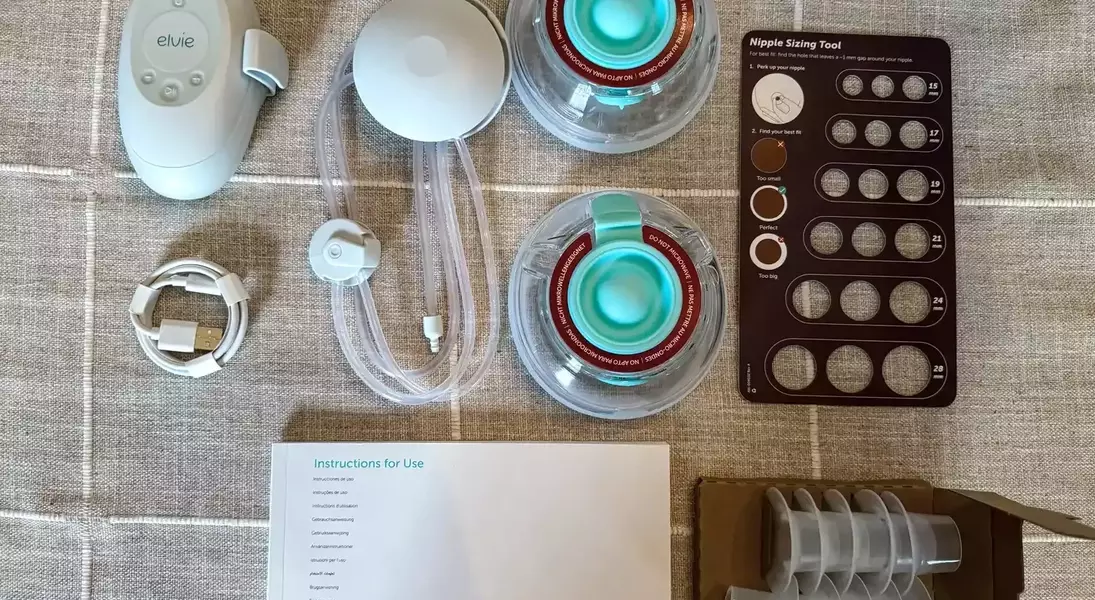
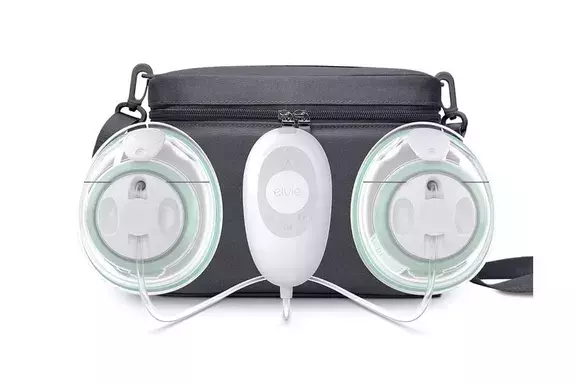
The Elvie Stride 2 Breast Pump is recognized for its hospital-grade suction and seamless integration into daily life, offering 10 settings and smart connectivity. Users praised its discreet fit within a nursing bra and near-silent operation, enabling pumping during various activities like work meetings and social outings. Its rechargeable battery provides 5-7 sessions on a single charge, making it highly suitable for on-the-go parents. The pump's design allows for personalized comfort and efficiency, with six flange sizes ensuring an optimal fit. The user-friendly app facilitates mimicking a baby's feeding patterns, which helps stimulate letdown effectively. While the presence of wires could be a minor inconvenience, and the small, dishwasher-safe valve posed a slight cleaning challenge due to its size, the Elvie Stride 2's performance and comfort received high marks from testers.
Budget-Friendly Excellence: The Momcozy Hands-Free Breast Pump (S12 Pro)
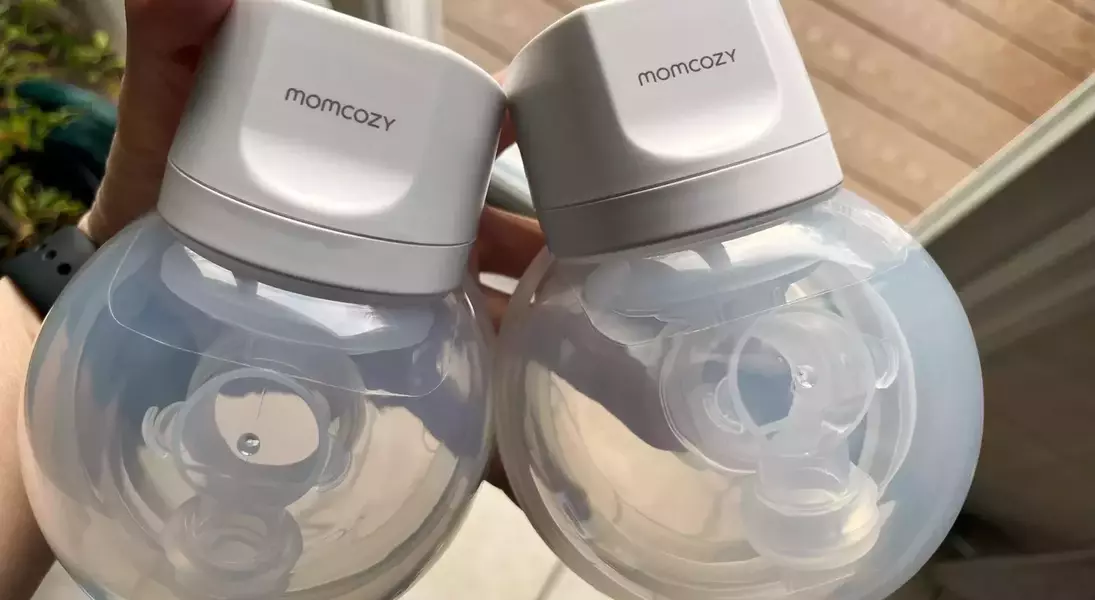
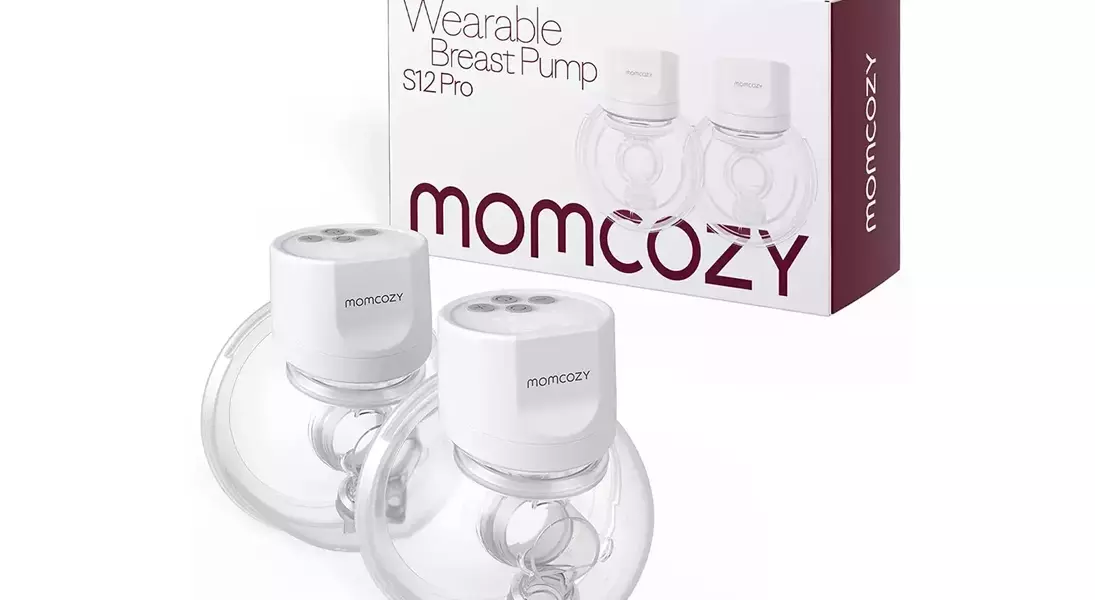
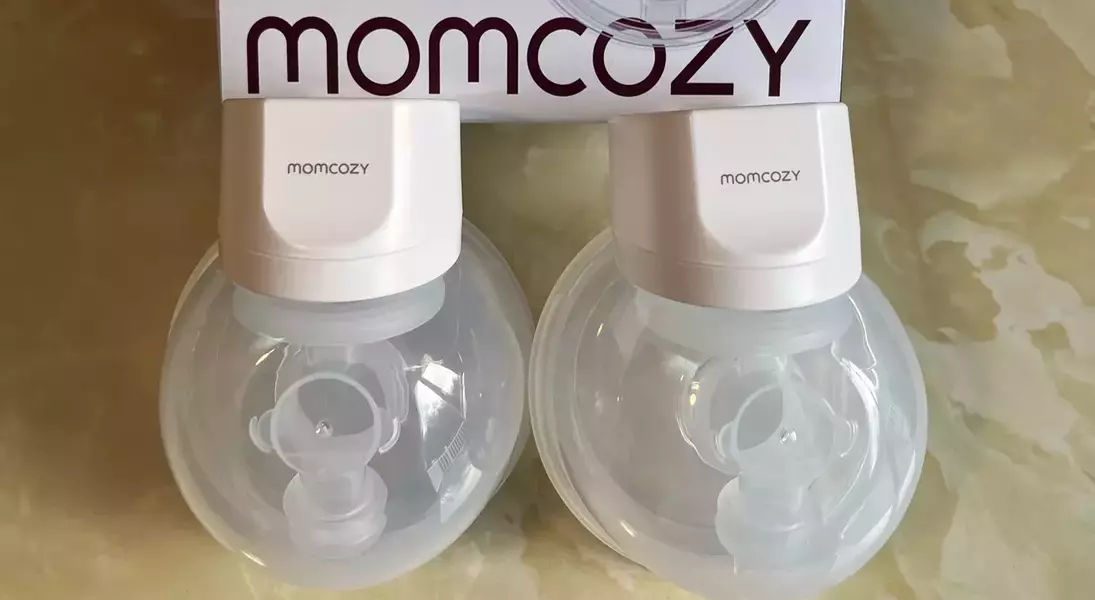
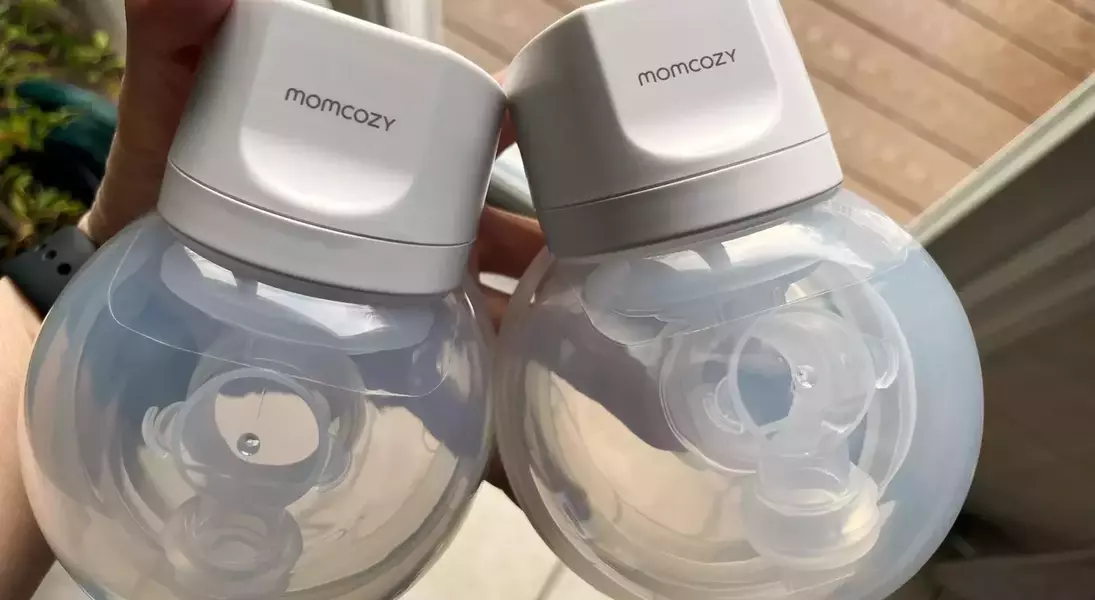
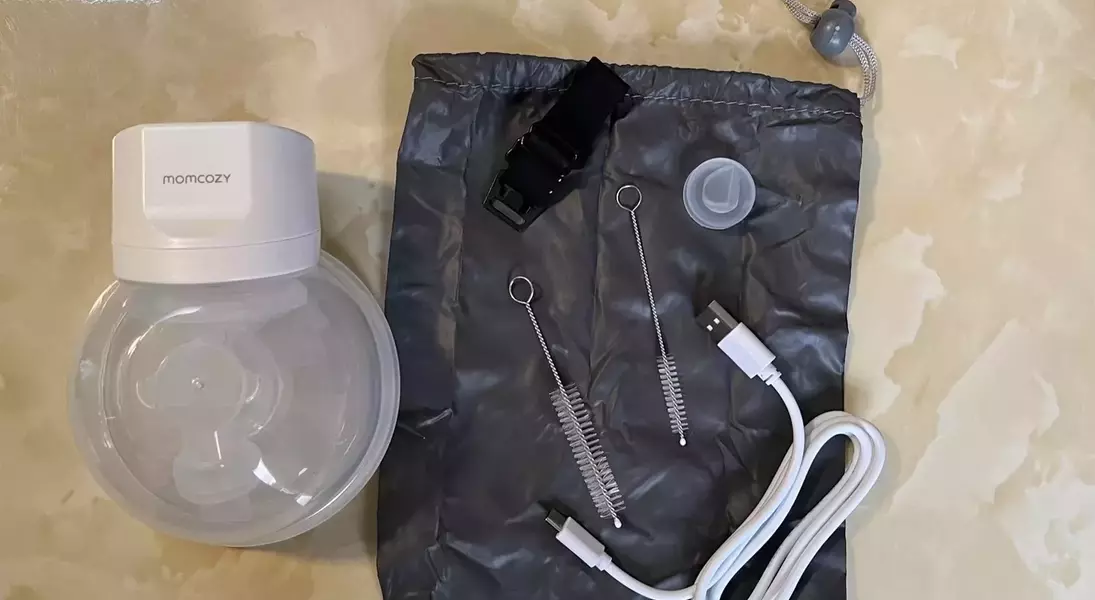
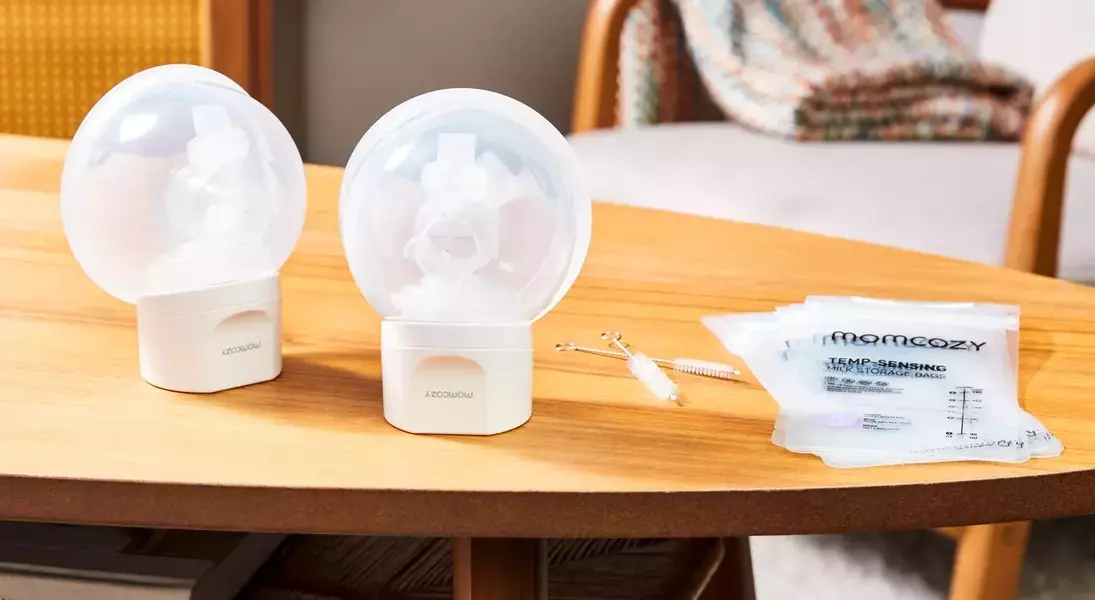
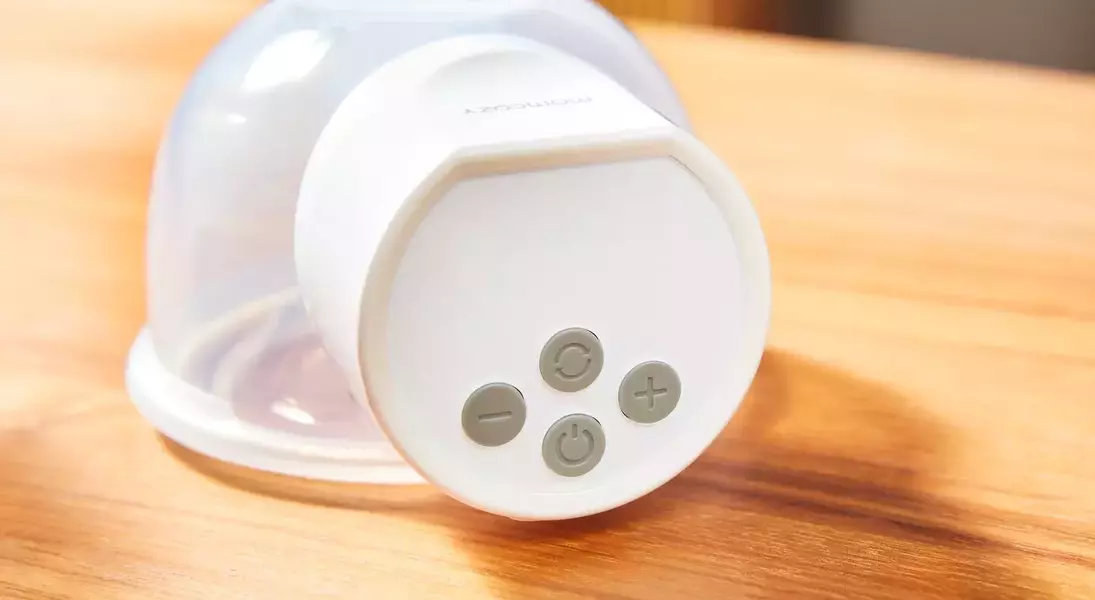
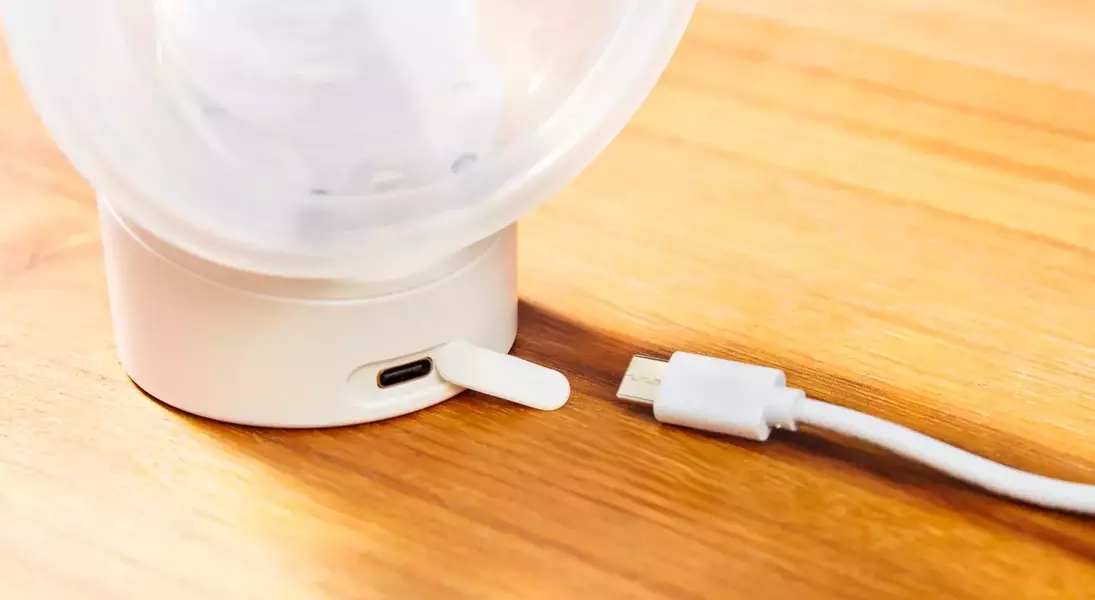
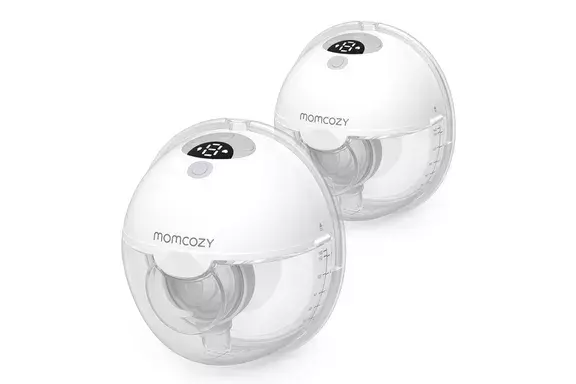
The Momcozy S12 Pro double pump offers remarkable value at an affordable price. Despite its small size, it delivers powerful suction comparable to hospital-grade plug-in pumps, often requiring use at lower intensity settings. Its lightweight design and quiet operation (under 45 dB) allow for discreet pumping during various activities like cooking or watching television. Key features include light-up LED buttons for easy nighttime use, clear cups to monitor milk levels, and rapid charging, reaching full battery in 1.5 hours for up to 4 hours of use. However, users should note that the pump defaults to the last mode, requiring manual adjustment to "stimulation" if needed. Its design is bulkier than some alternatives, and cleaning requires hand washing, with periodic replacement of parts recommended, which adds to the long-term cost. Despite these minor considerations, its strong performance and affordability make it an excellent choice.
Effortless Pumping: The Medela Hands-Free Breast Pump
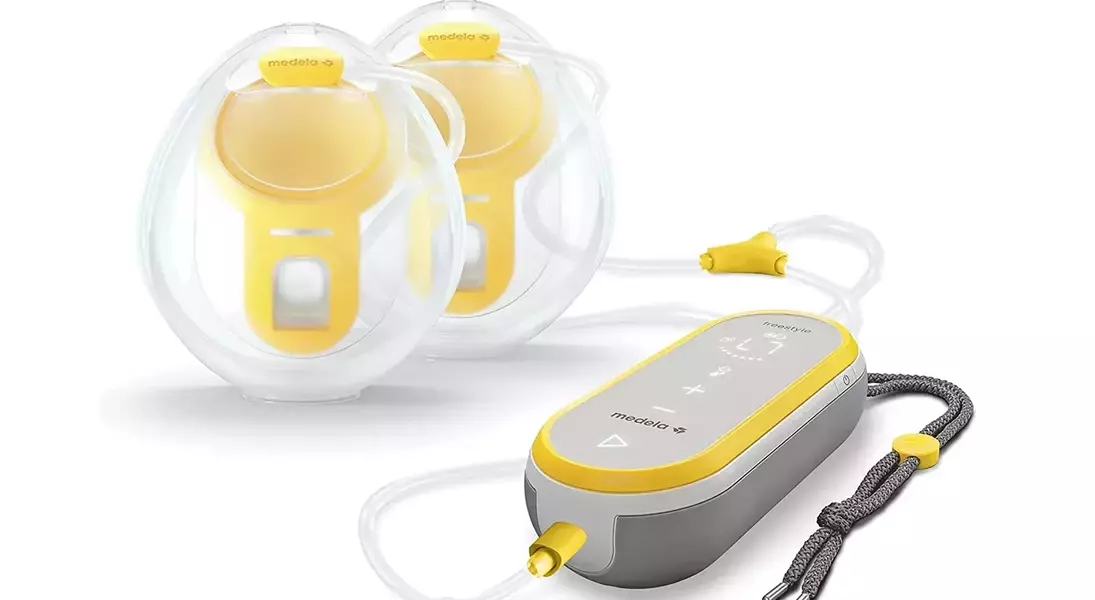
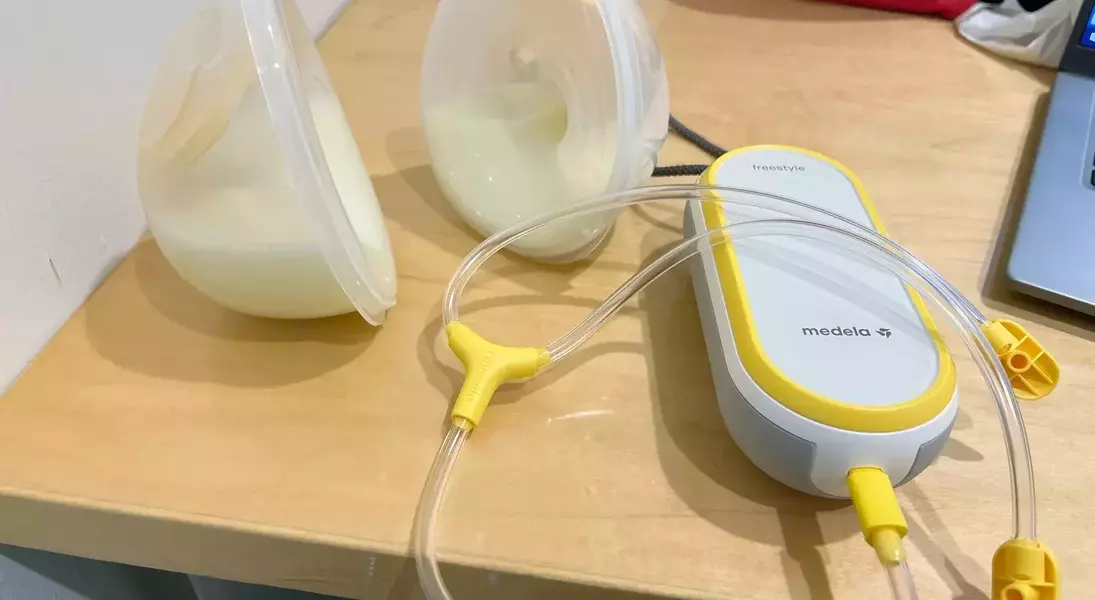
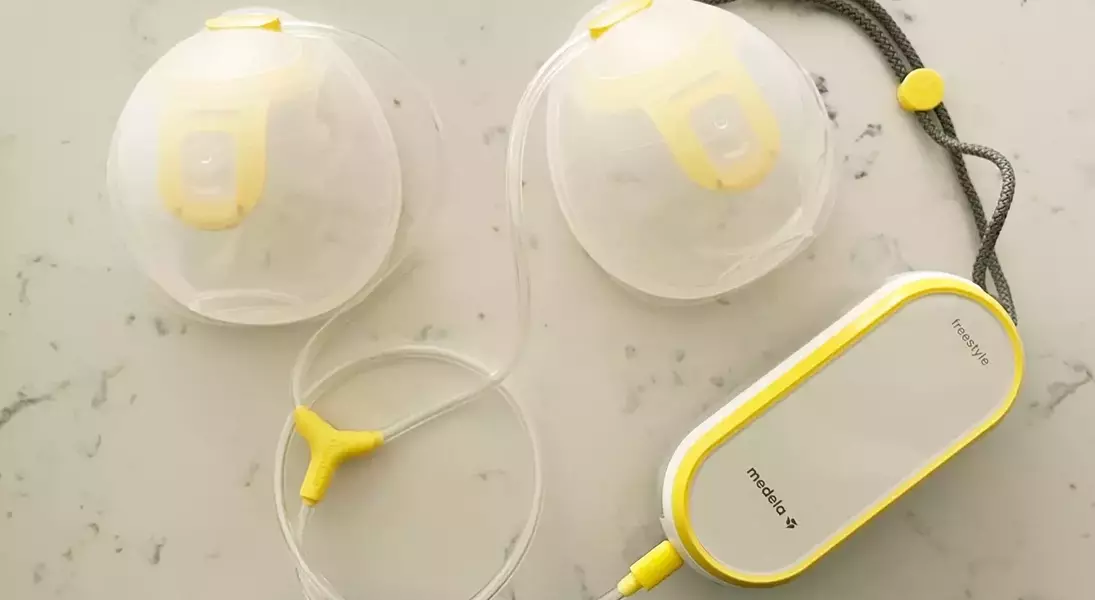
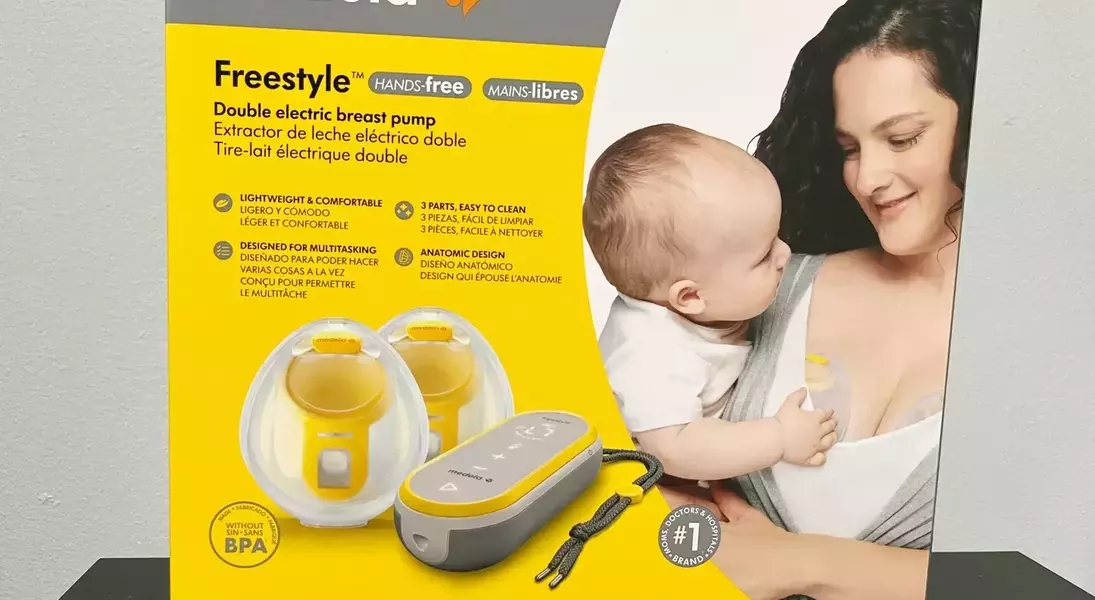
The Medela Hands-Free Breast Pump is celebrated for its intuitive design and ease of use. It is lightweight and portable, with an external motor that fits conveniently in a pocket or on a wrist strap. Users appreciate its comfort, often forgetting they are even pumping. The pump comes with thoughtful accessories, including bottles and contoured ice packs for safe milk transport, and a slim wall charger. Its transparent design allows for monitoring milk output, which can also be tracked via a dedicated app. Despite its external motor requiring less mobility than some competitors, its straightforward operation and minimal parts simplify setup and cleaning. While it is quieter than traditional pumps, it might still be audible in very quiet settings. Some testers reported occasional glitches with speed control or screen freezing, resolved by restarting the device. Overall, the Medela offers a highly user-friendly experience with practical features for busy parents.
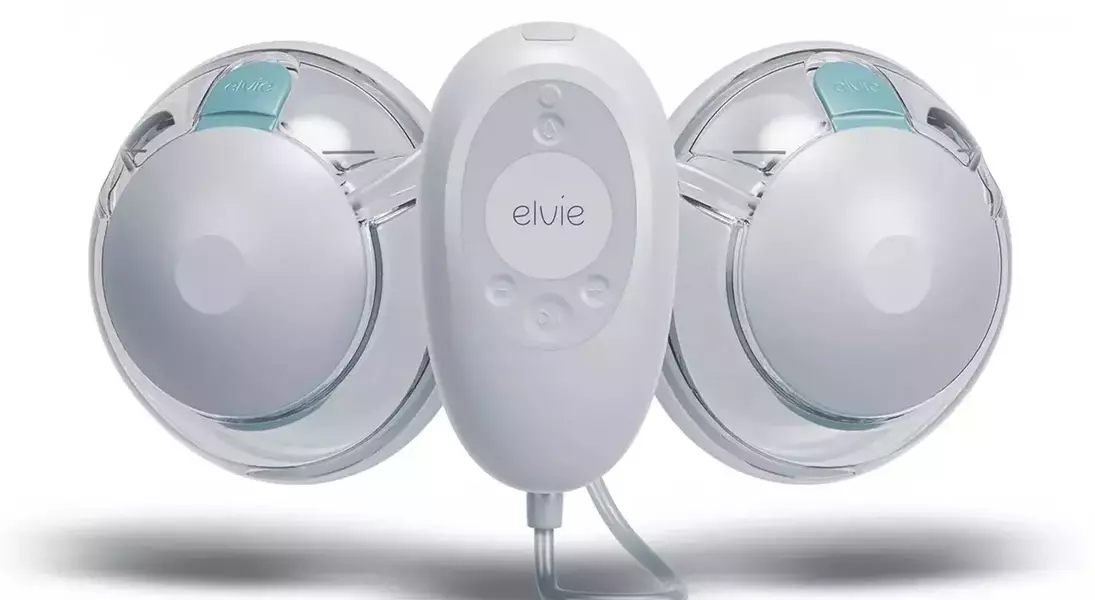
Discreet and Portable: The Elvie Pump Hands-Free Wearable Breast Pump
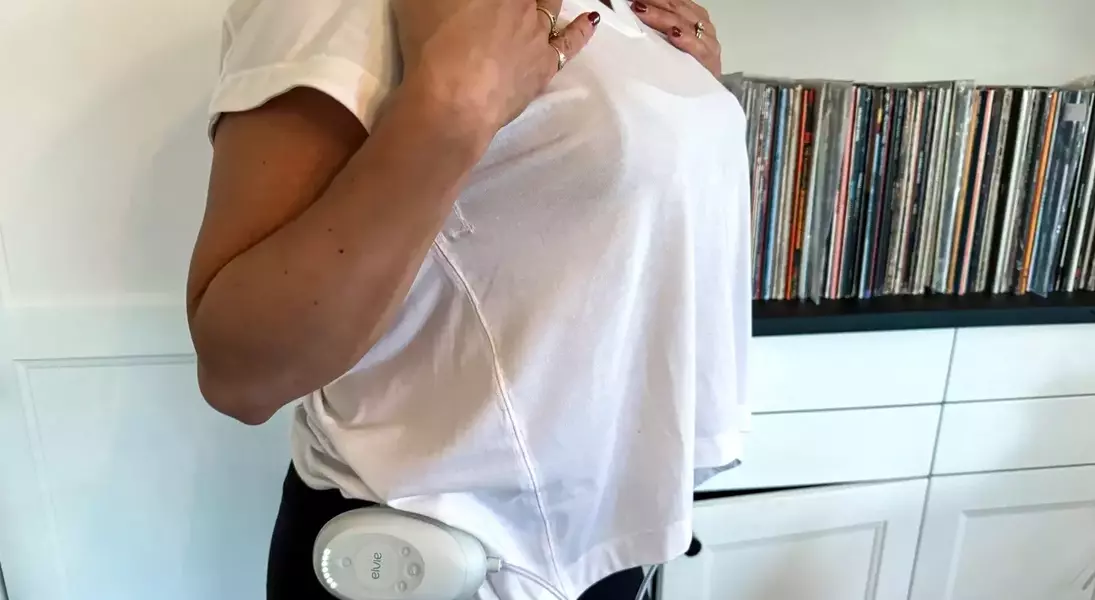
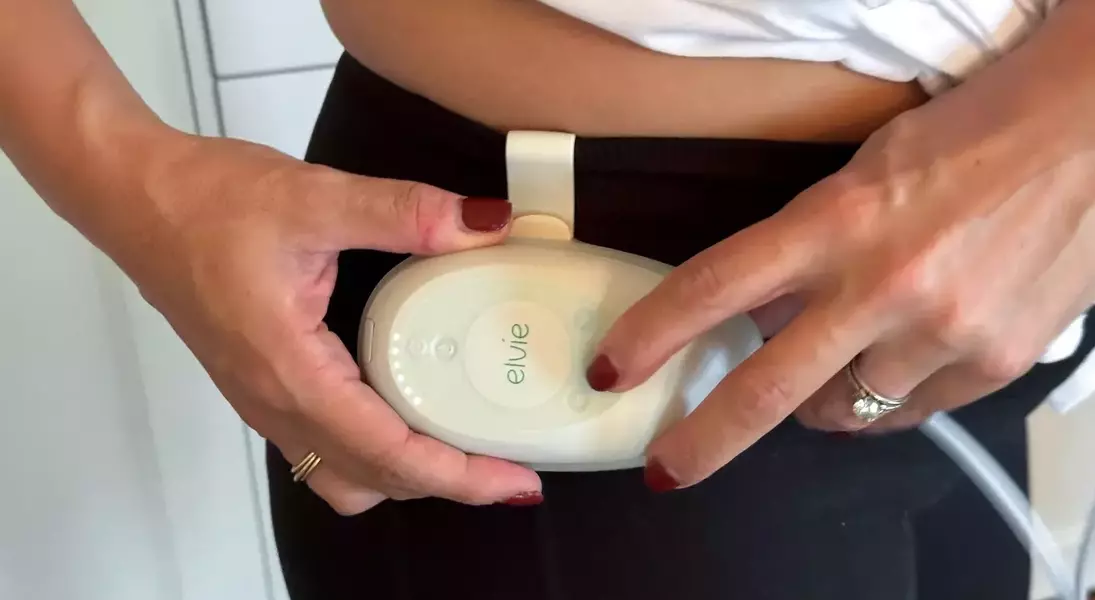
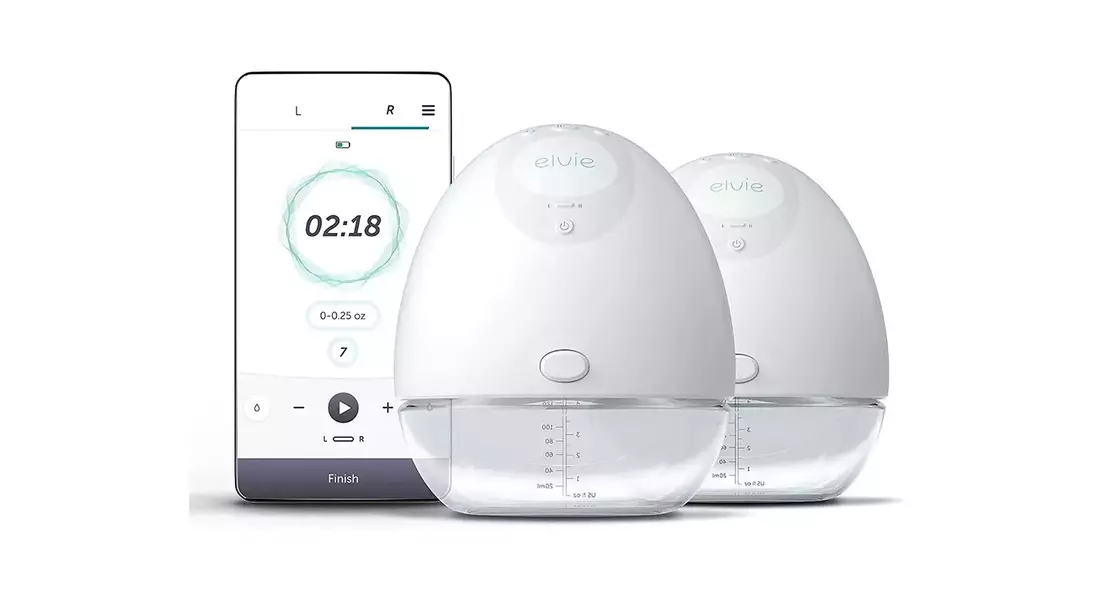
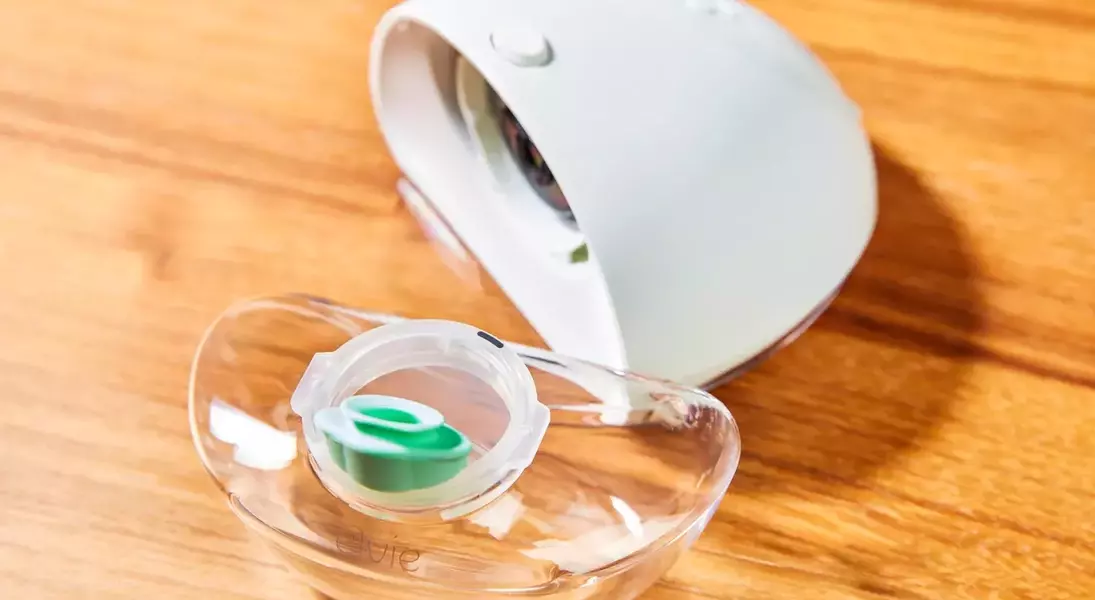
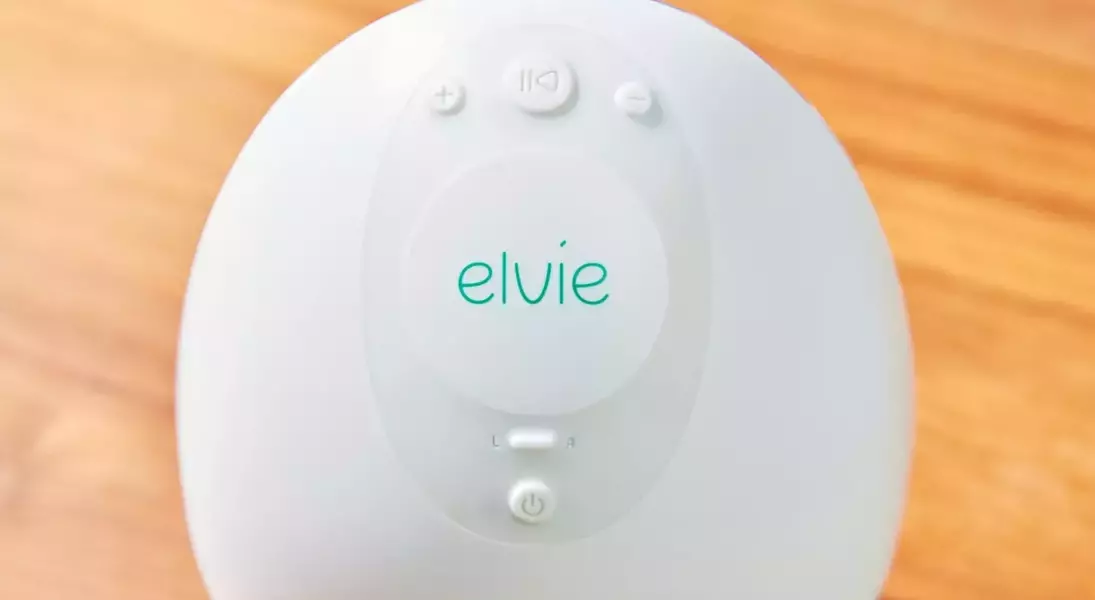
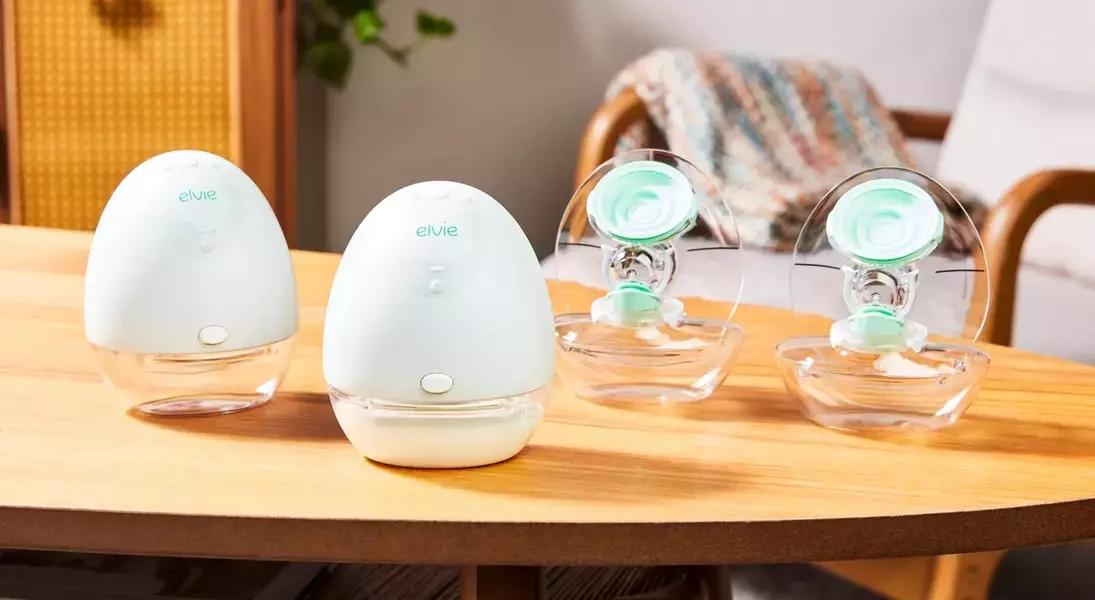
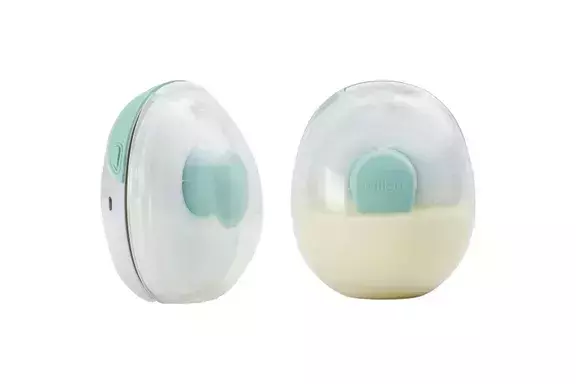
The Elvie Pump is a game-changer for working, pumping mothers due to its incredibly discreet design. It is small, slim, and lightweight, fitting comfortably inside a bra or shirt, making it ideal for use during Zoom meetings or commutes. Its exceptionally quiet operation (32 dB) ensures privacy. The accompanying app allows for monitoring milk levels and customizing pumping rhythms. A convenient auto shut-off feature activates when containers are full, preventing overflow. Freshly pumped milk can be stored directly in the collection containers using the included lids. While it involves multiple parts for cleaning, thorough drying is essential to maintain optimal suction. Elvie also provides excellent customer service and troubleshooting resources. Despite the cleaning effort, the Elvie Pump's discretion, portability, and smart features make it a top choice for busy parents seeking seamless integration into their daily routines.
Quiet Efficiency: The Lansinoh Discreet Duo Wearable Pump
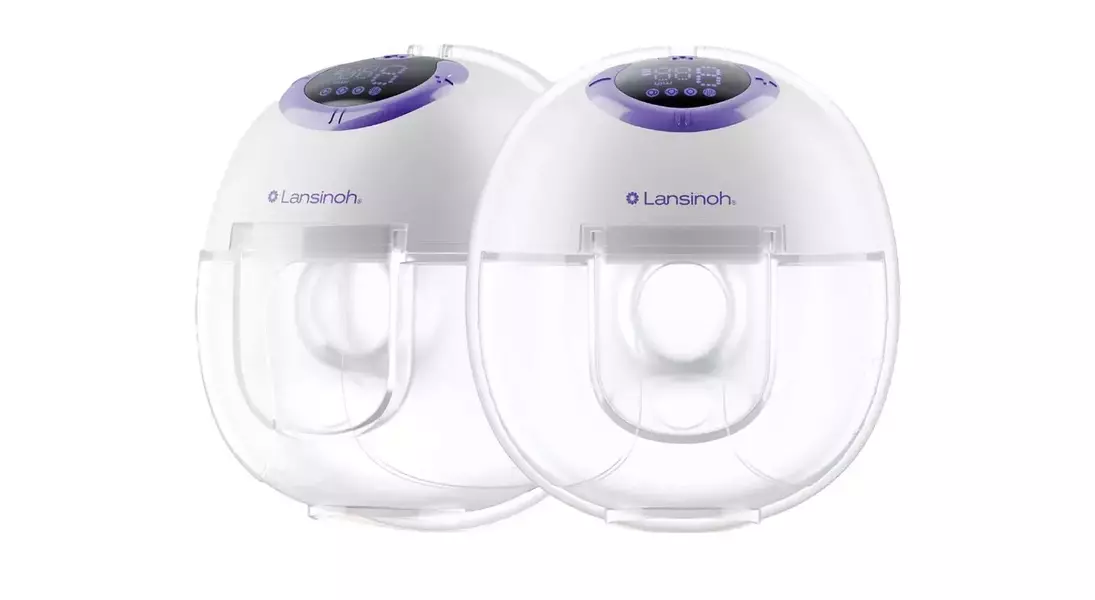
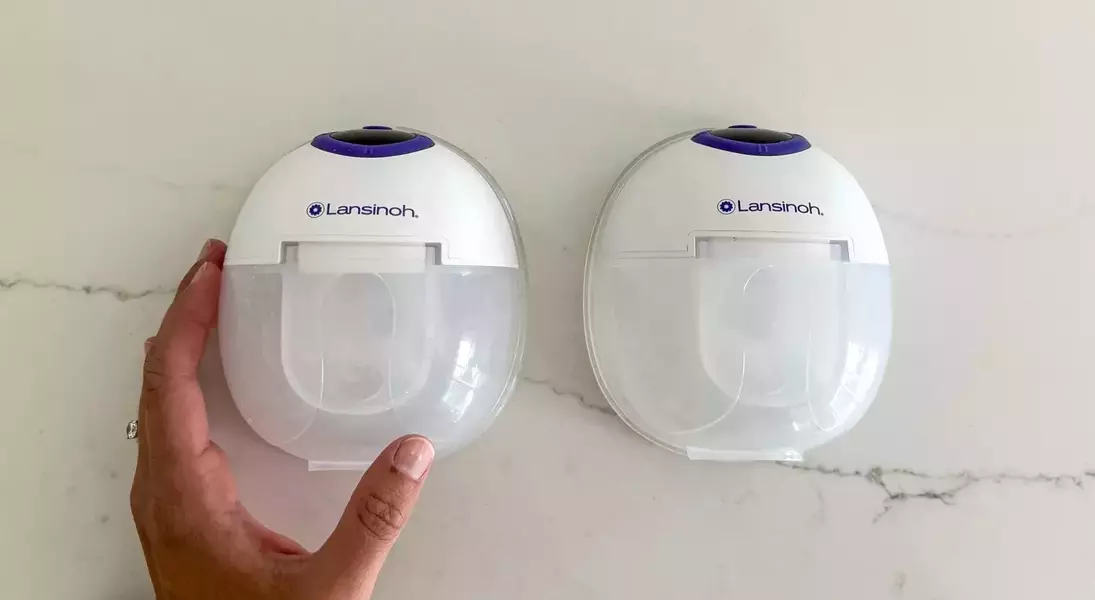
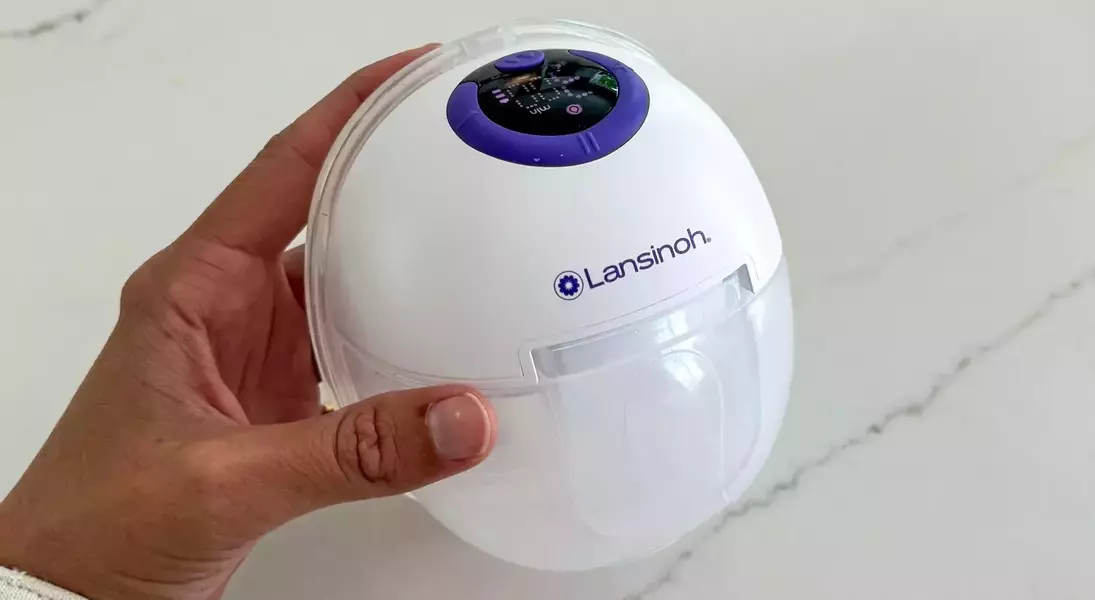
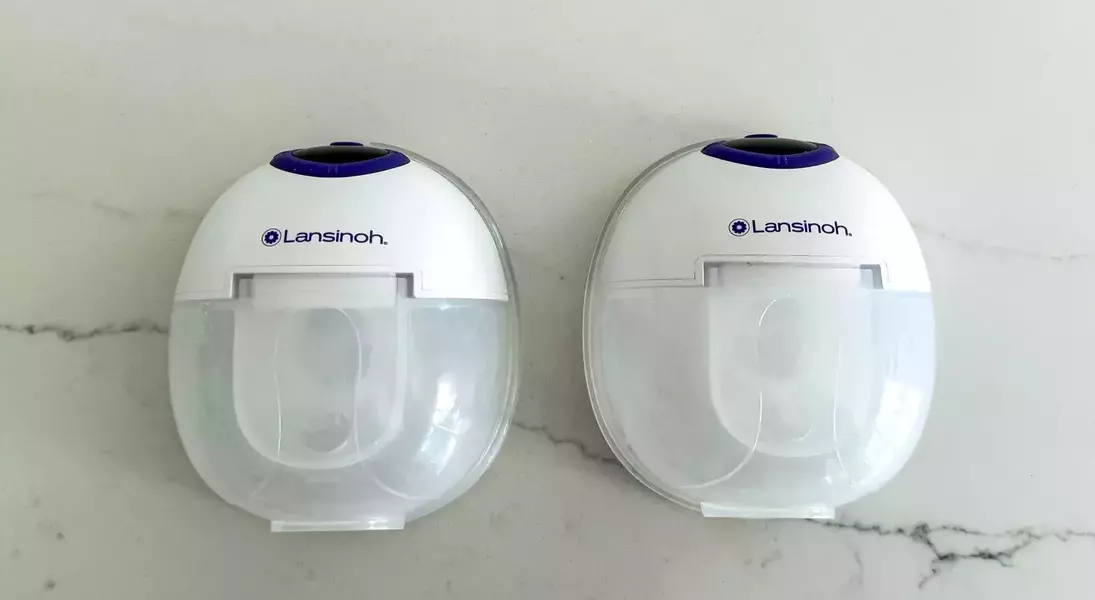
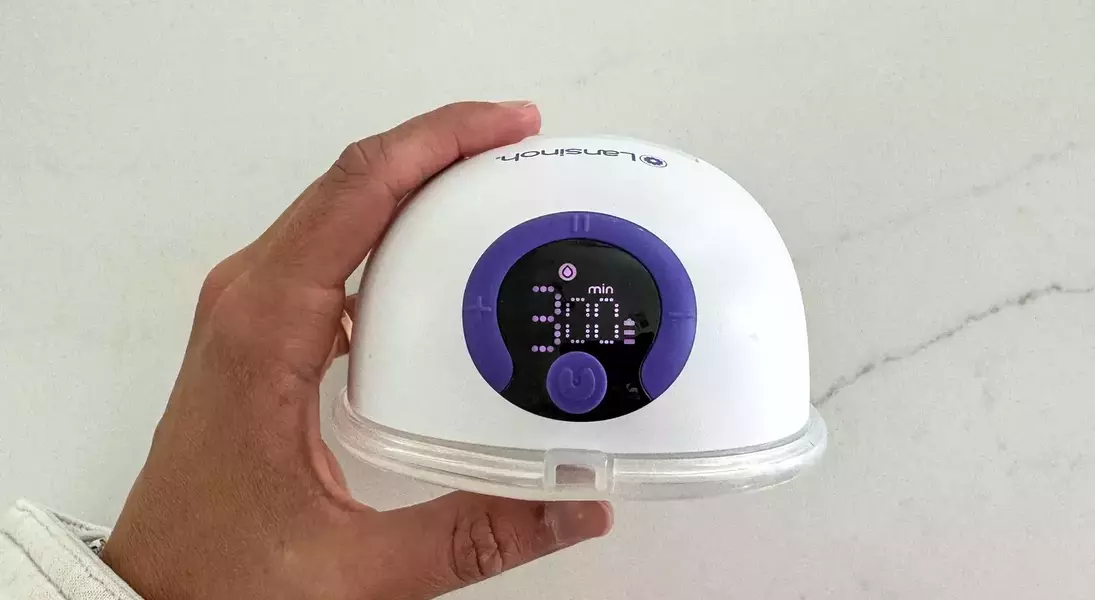
The Lansinoh Discreet Duo Wearable Pump excels in providing quiet and effective pumping on the go. Its noise level remains below 45 dB, making it suitable for discreet use in various environments, including work meetings. The pump features four modes and nine suction strengths, easily adjustable via a digital display. Testers found the silicone flanges comfortable and superior to traditional plastic options. This pump automatically shuts off after 20 minutes and allows users to wear any bra. One tester noted it was more effective and less prone to leaks than other wearable pumps. Initial confusion with button functions was a minor setback, and the battery indicator sometimes proved unreliable, showing a full charge but dying quickly. Despite these minor flaws, its quiet operation, effectiveness, and comfortable design make it a reliable choice for busy parents needing flexibility.
Manual Pumping on the Go: The Elvie Curve
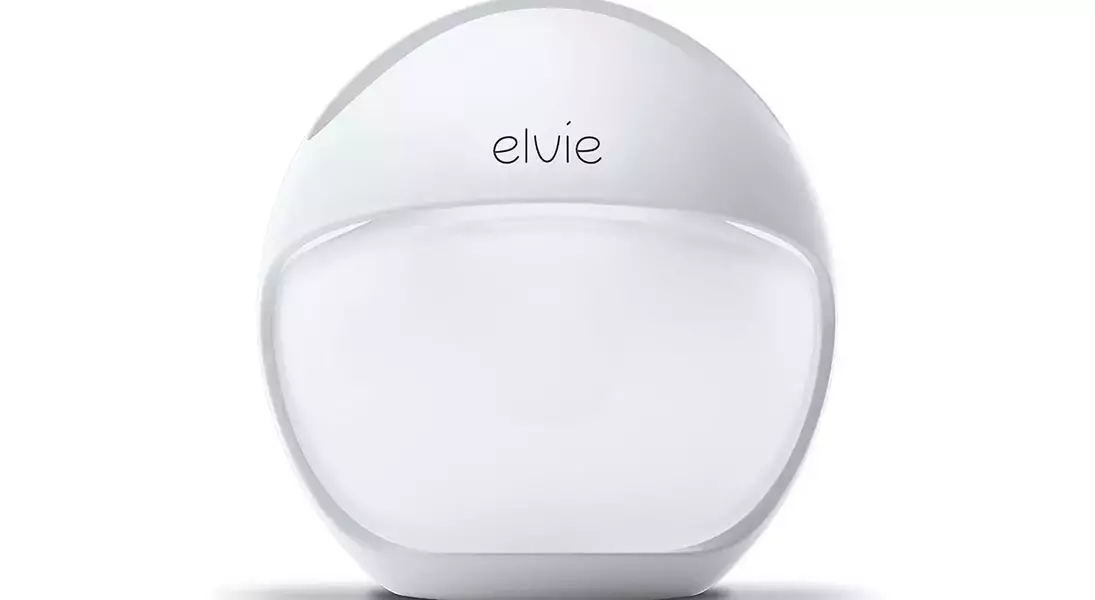
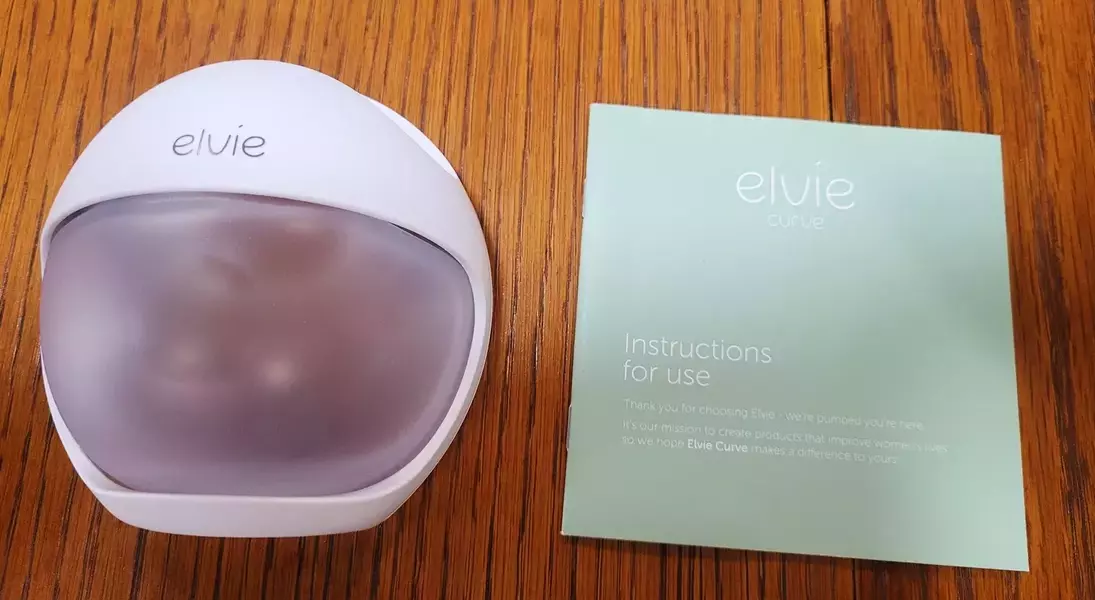
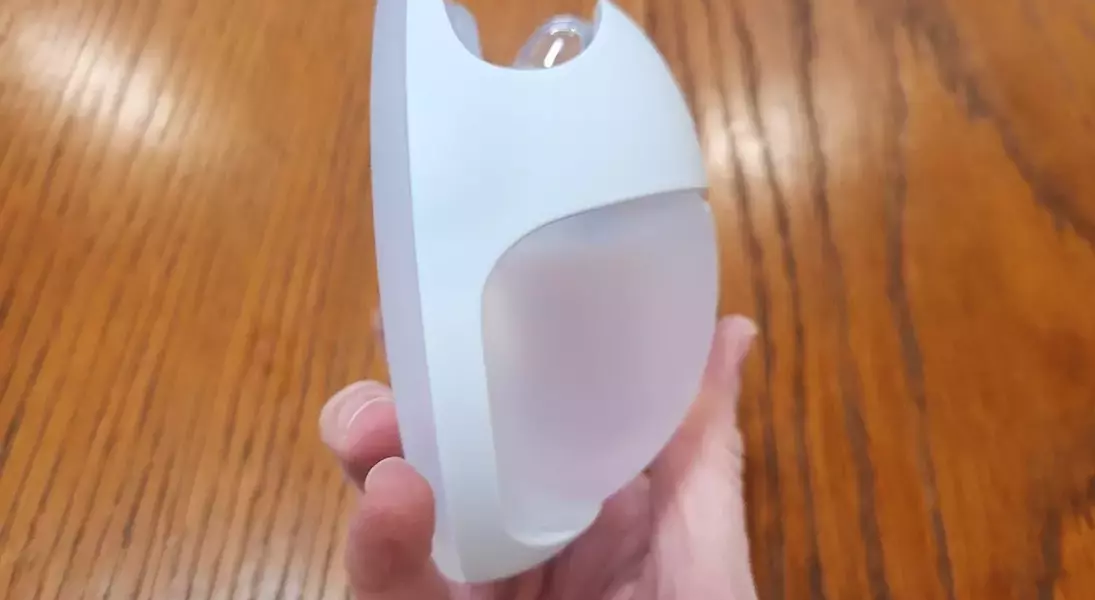
The Elvie Curve offers a simple, manual pumping solution, utilizing suction rather than a motor. Similar to the Haakaa pump, it attaches to the breast via suction, allowing for hands-free milk expression without electricity. Unlike the Haakaa, it fits discreetly inside a bra. Users can adjust suction intensity with a built-in valve. While it doesn't match the power of electric pumps, it's ideal for collecting milk when a strong pump isn't necessary. Its portability, durability, and two dishwasher-safe parts are highly praised. The stable design prevents spills, a valuable feature for parents managing young children. However, it is sold individually, meaning two units are needed for double pumping, and its suction strength is lower compared to electric options. It is perfect for those seeking a straightforward, portable, and quiet manual milk collection solution.
Other Noteworthy Wearable Breast Pumps: Expanding Your Options
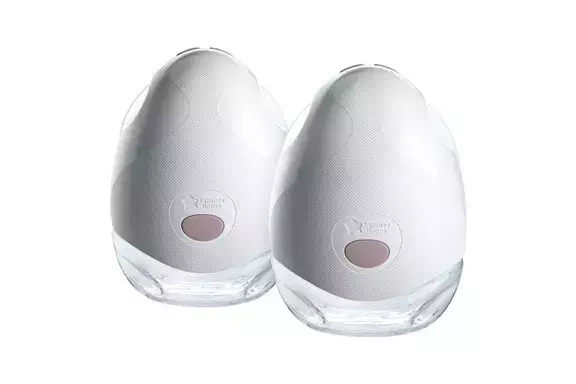
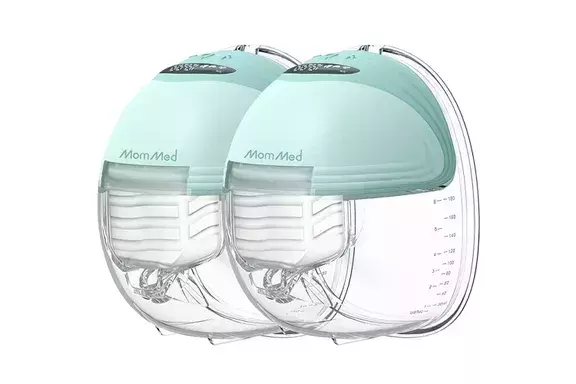
Beyond our top picks, several other wearable breast pumps demonstrated commendable features during our testing. The Elvie Stride Plus Hospital-Grade App-Controlled Breast Pump, for instance, impressed with its compact and quiet motor, facilitating multitasking. However, consistent milk spillage was a notable drawback. The Willow Go Hands-Free Breast Pump offered convenient app control, but its noise level was deemed too high for work calls. The Momcozy M5 Hands-Free Breast Pump was found to be easy to set up and effective, though also a bit noisy. Lastly, the MomMed S21 Wearable Breast Pump was appreciated for its intuitive interface and customizable settings, but its battery life was a significant concern. The Tommee Tippee Made for Me Wearable Breast Pump, while preferred by one tester over other models, consistently suffered from milk pooling in the flange, posing a challenge.
Insights from Experts: Guiding Your Choice in Wearable Breast Pumps
To ensure our testing methodology was robust and our recommendations well-informed, we consulted leading lactation experts. Dr. Jessica Madden, Medical Director of Aeroflow Breastpumps, along with lactation consultants Julie Brill and D. Erin Guerriero, provided invaluable insights. Their expertise guided our understanding of critical features and helped us identify the most important factors for parents when choosing a wearable breast pump. Their contributions highlight the importance of proper flange fit, pumping strength, and overall convenience in supporting a successful breastfeeding journey.
Key Considerations for Selecting a Wearable Breast Pump
When choosing a wearable breast pump, consider features that align with your lifestyle. For example, if you plan to use it predominantly at work, prioritize quiet and discreet models. For home use, convenience and budget might be more significant. Key factors include: Comfort: Evaluate all pump components and ensure the flange fits your nipple size, as improper fit can cause pain and reduce milk supply. Ease of Use: Look for intuitive setup and reliable customer support, reviewing instructional videos if available. Pumping Strength: Electric pumps are generally stronger, but hospital-grade wearable options offer comparable power with increased noise. Manual pumps are suitable for occasional use. Portability: Assess the pump's size, its accessories, and milk storage solutions like caps or separate bags. Portable cleaning supplies are also important for maintaining hygiene on the go.
Effective Strategies for Using Your Wearable Breast Pump
Adjusting to a wearable breast pump can be a learning curve. If you encounter issues like decreased milk output, consult a lactation consultant or the manufacturer immediately. Early intervention is crucial, as prolonged issues can negatively impact milk production. Remember, wearable pumps aren't for everyone; if it doesn't work for you, traditional pumps, often covered by insurance and compatible with pumping bras for hands-free use, are viable alternatives. For exclusive pumpers, a traditional double-electric pump is generally recommended for its stronger suction and better milk yield. It's also advisable to establish your milk supply with a traditional pump before transitioning to a wearable one. Always ensure your pump is fully charged before use to maintain optimal suction. Stocking up on extra accessories and storage containers can simplify your pumping routine. Finally, for hygiene and warranty reasons, always purchase a new pump; sharing used pumps can expose you and your baby to harmful bacteria.
