
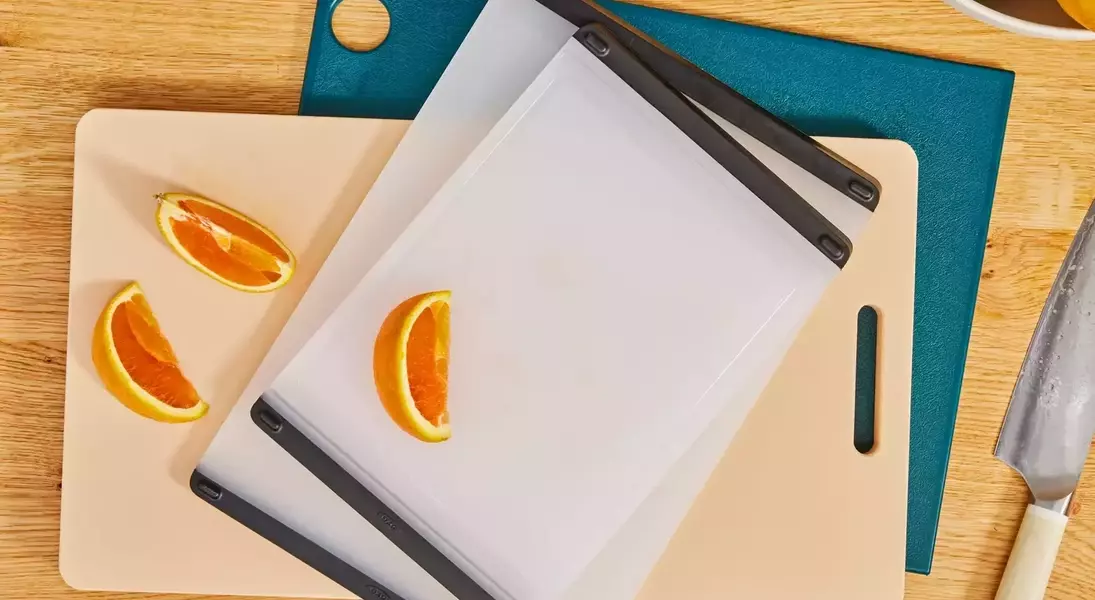











Discover the top-performing plastic cutting boards to elevate your kitchen experience, featuring innovative designs and practical benefits for everyday cooking.
Elevate Your Culinary Prep: The Ultimate Plastic Cutting Board Guide
Plastic Cutting Boards: Dispelling Misconceptions and Embracing Utility
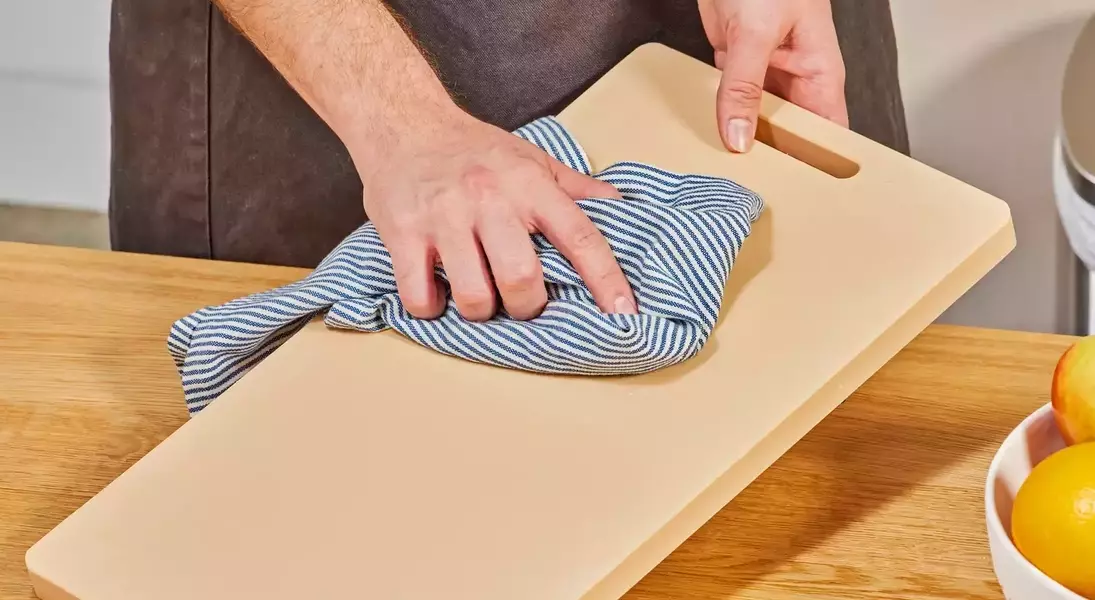
Plastic cutting boards often face criticism for easily scratching, shifting on countertops, and potentially dulling knife blades more rapidly than their wooden counterparts. However, their undeniable convenience and hygienic advantages make them indispensable in any kitchen. Unlike porous wooden boards, plastic variants are typically dishwasher-safe and boast non-porous surfaces, making them perfect for preparing meats or vibrant produce that might stain. While they may require more frequent knife sharpening, their ease of cleaning and versatility secure their place as a kitchen staple.
Rigorous Testing for Optimal Performance
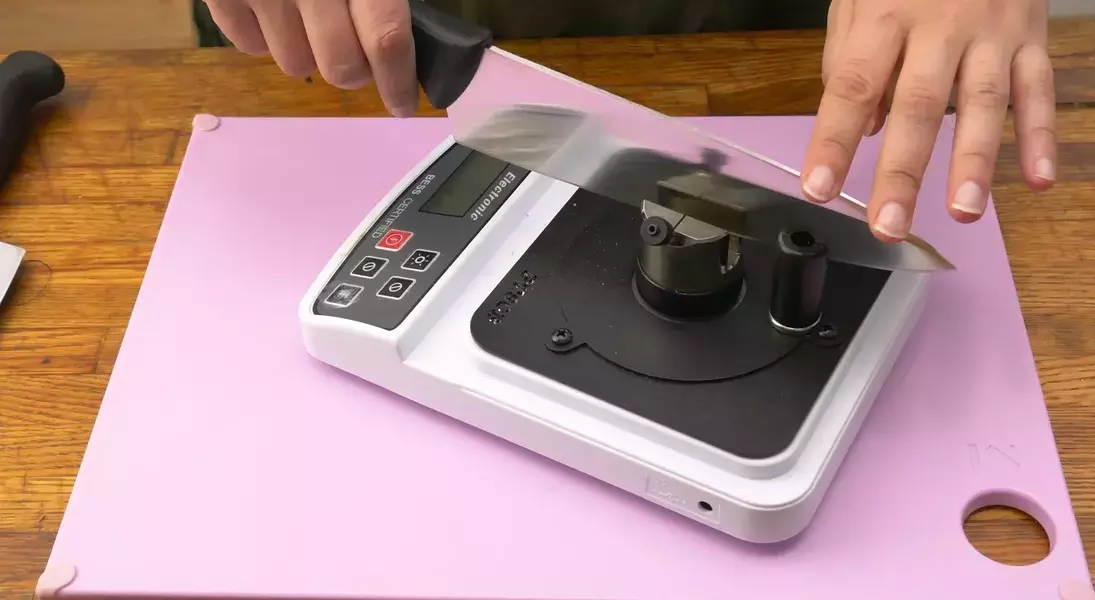
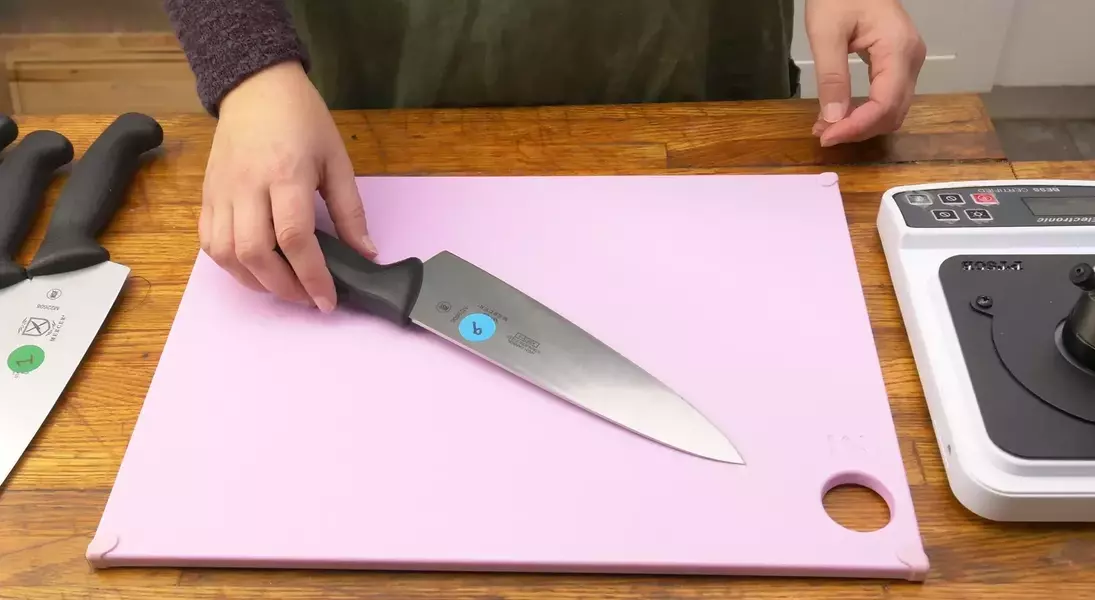
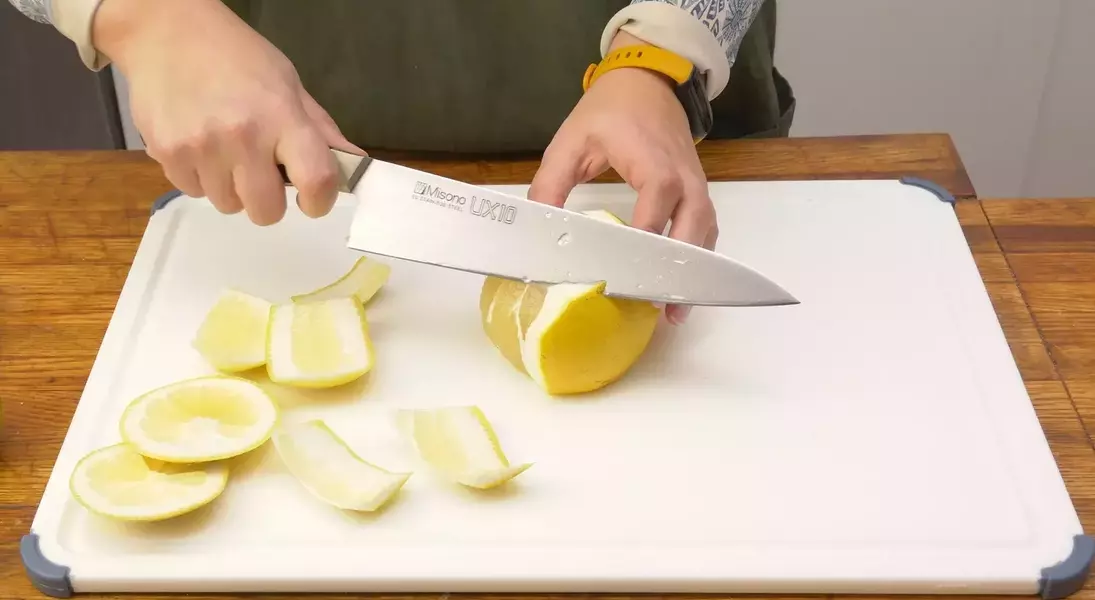
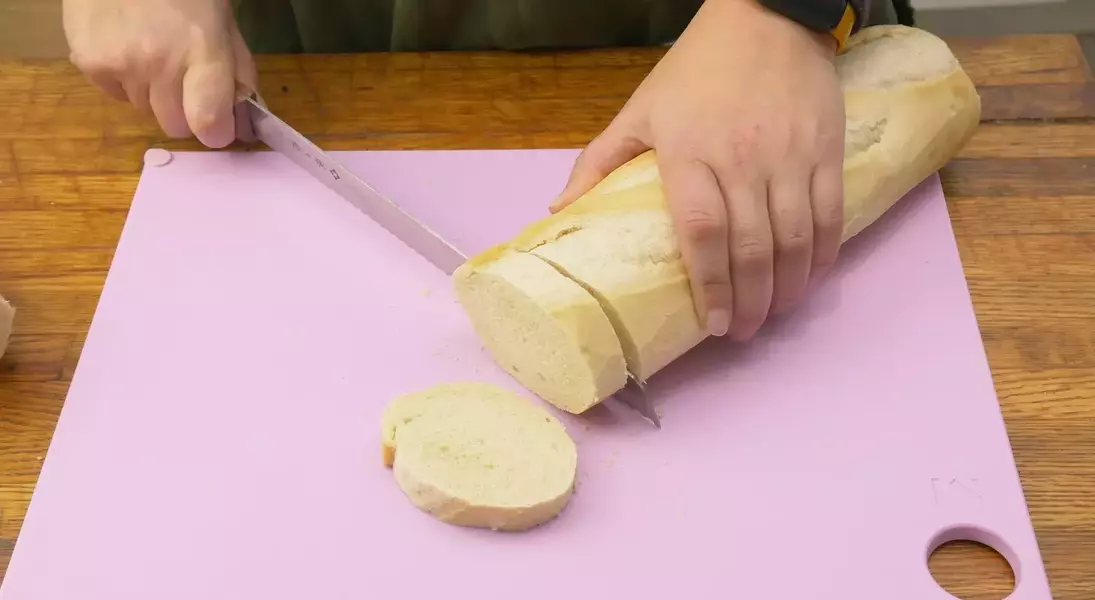
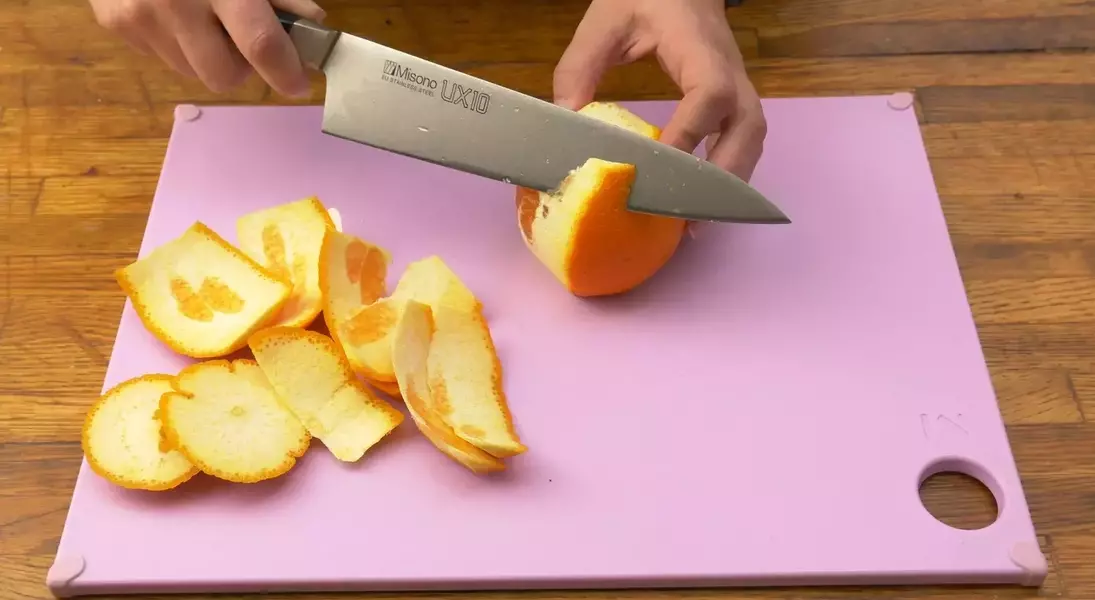
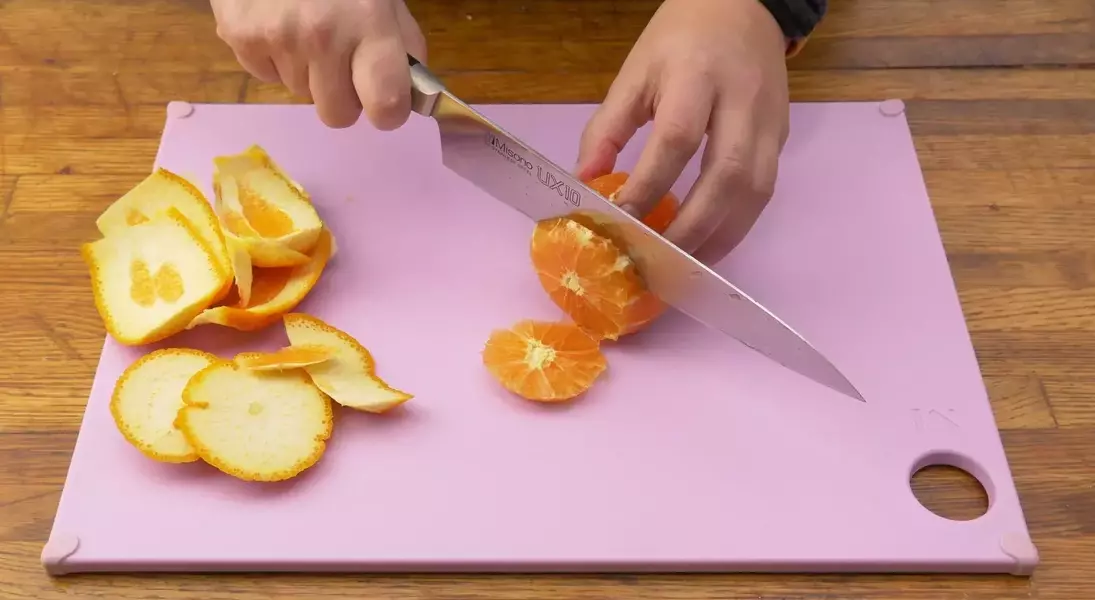
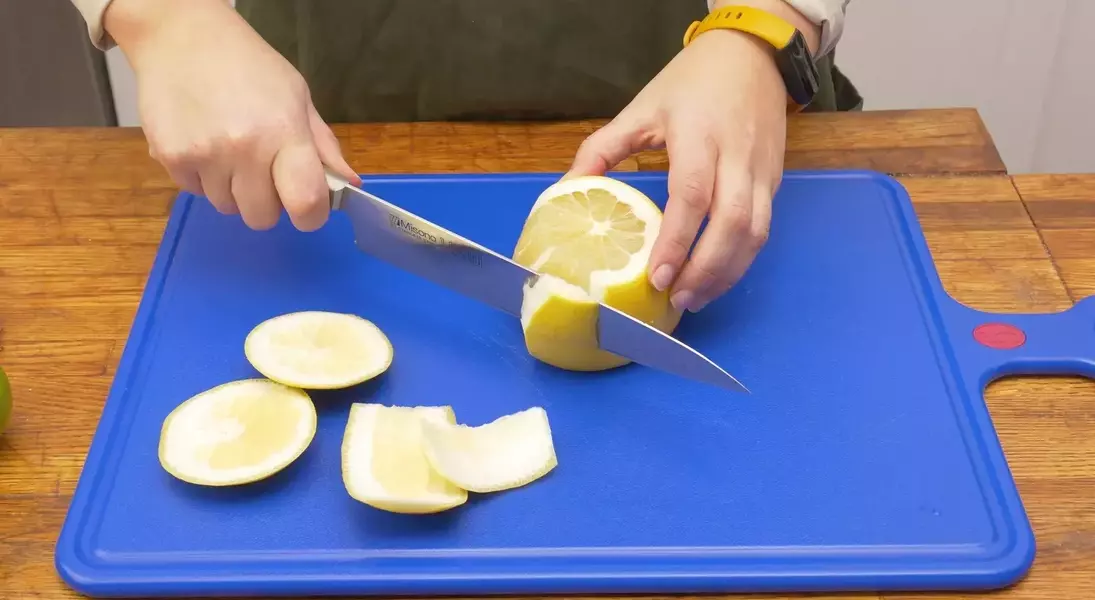
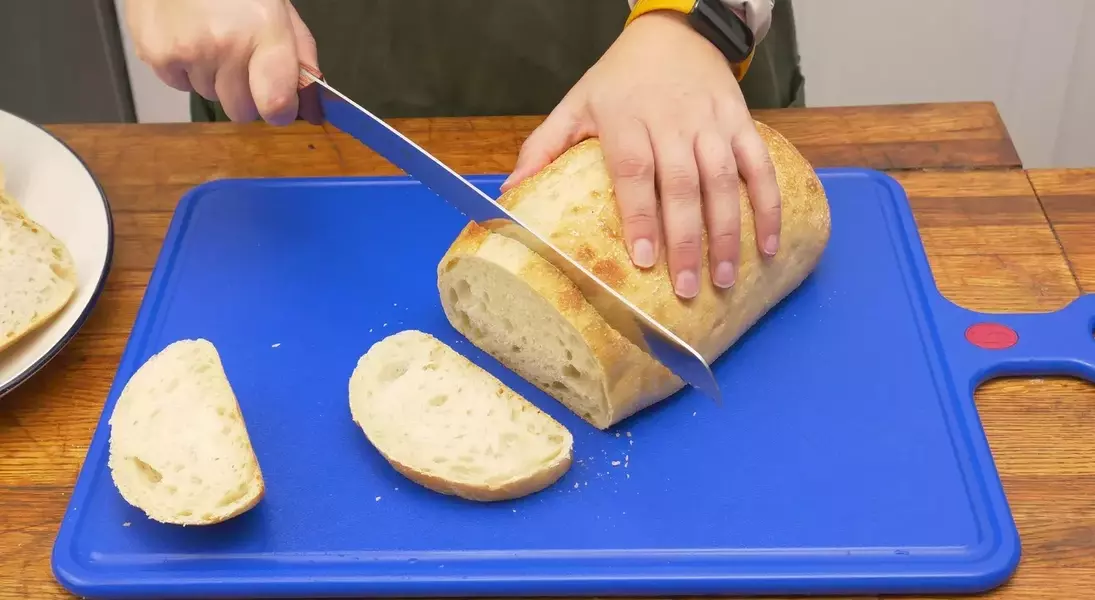
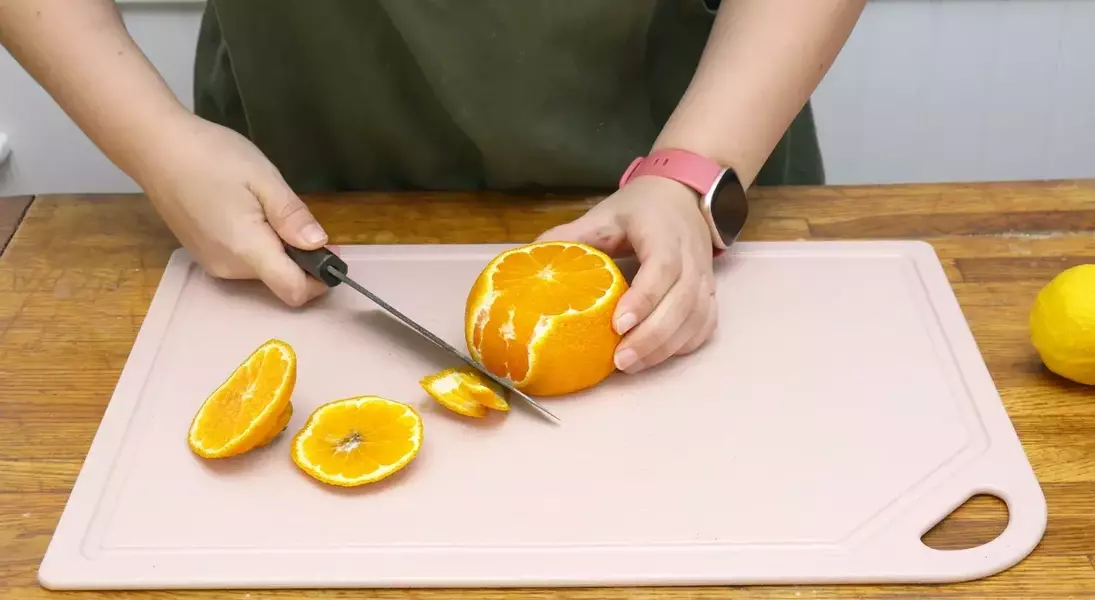
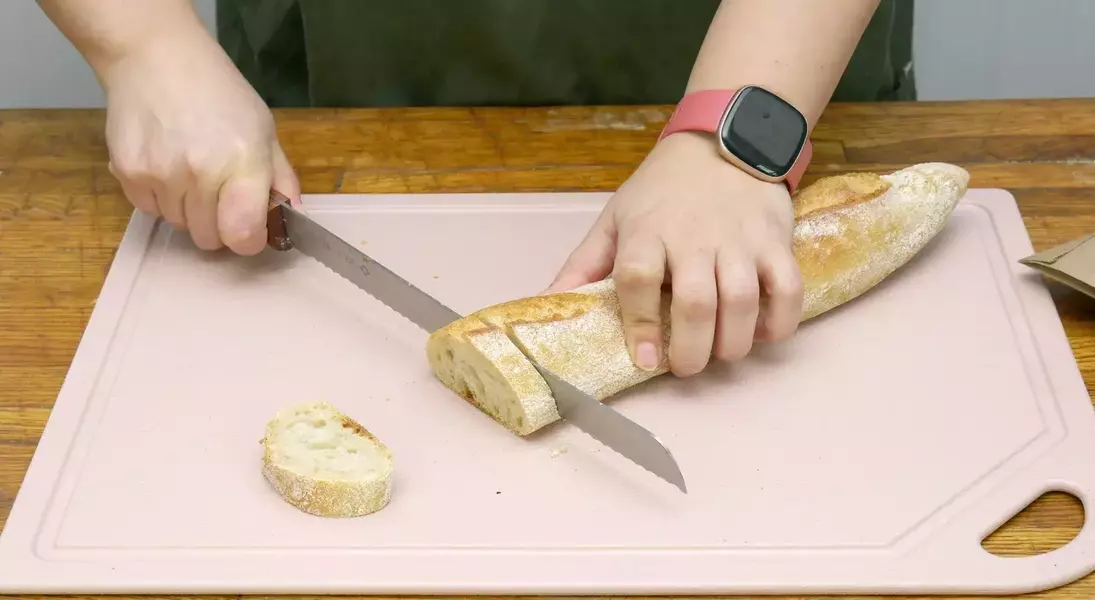
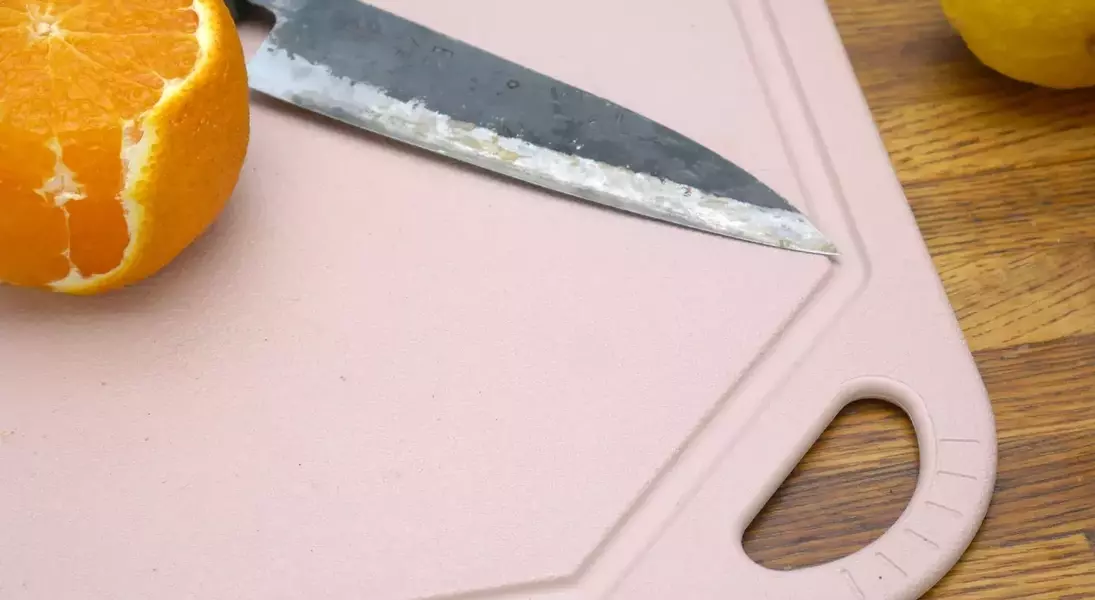
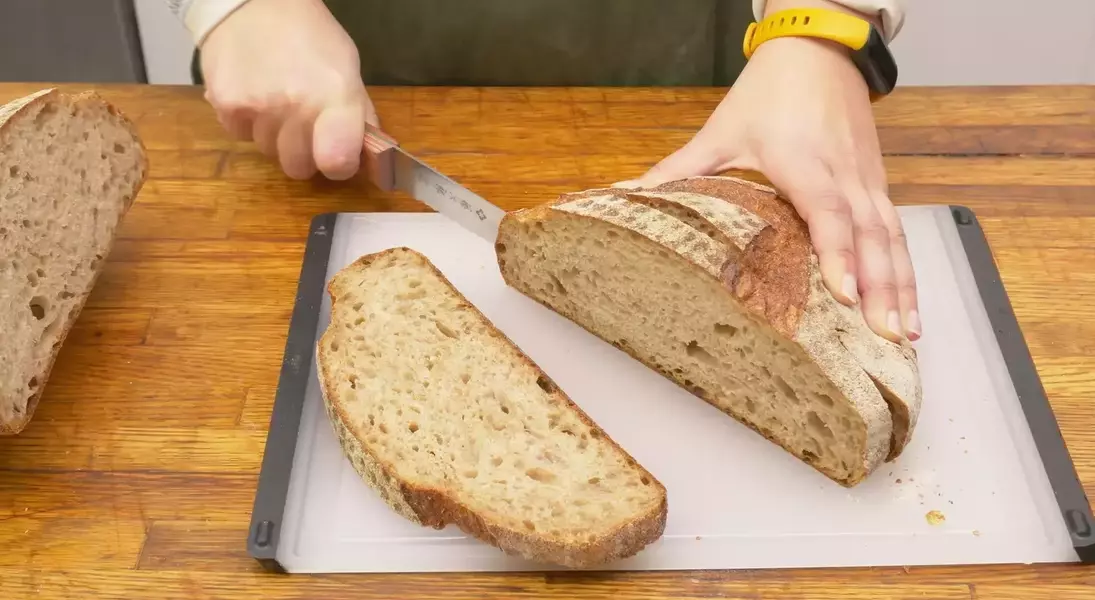
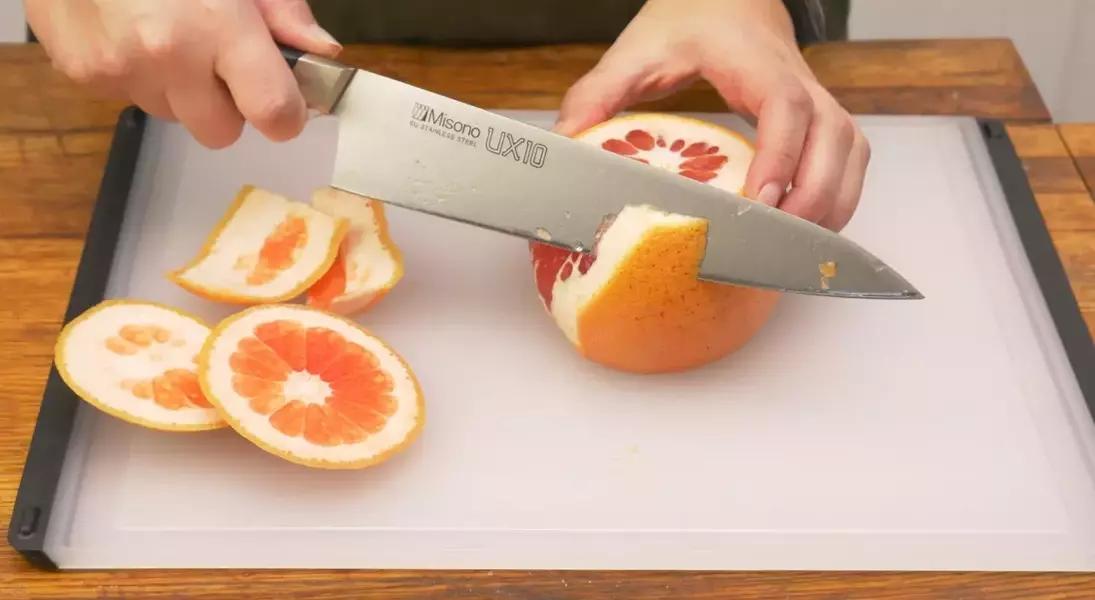
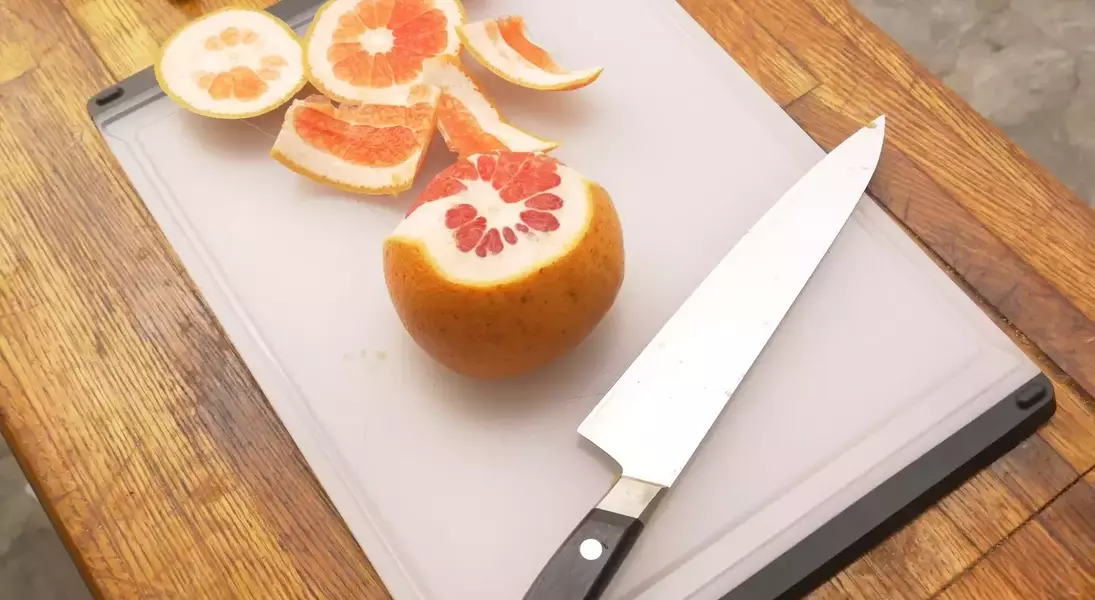
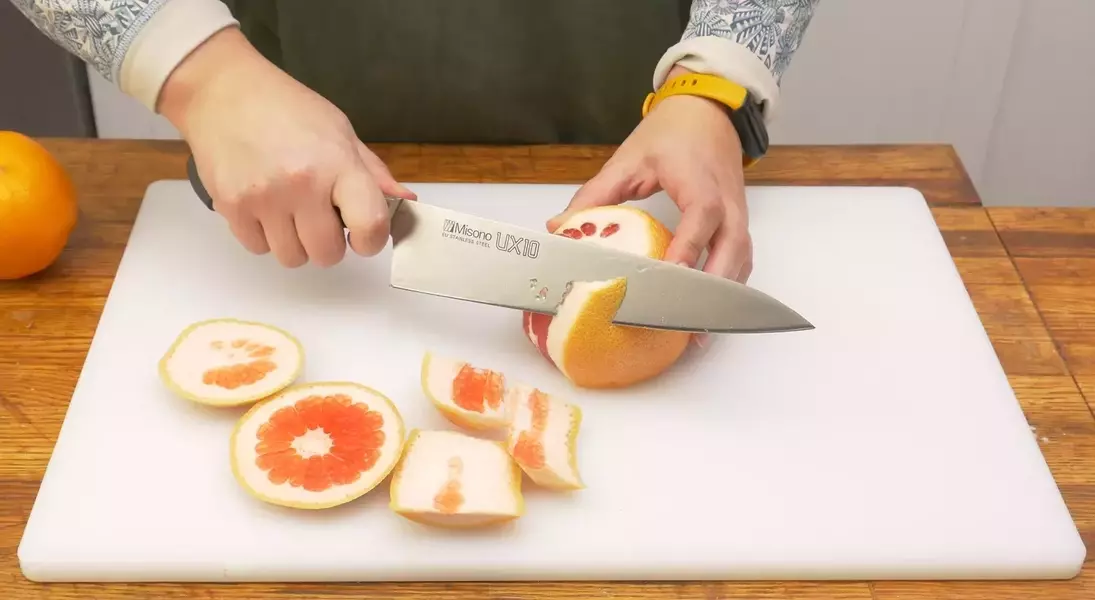
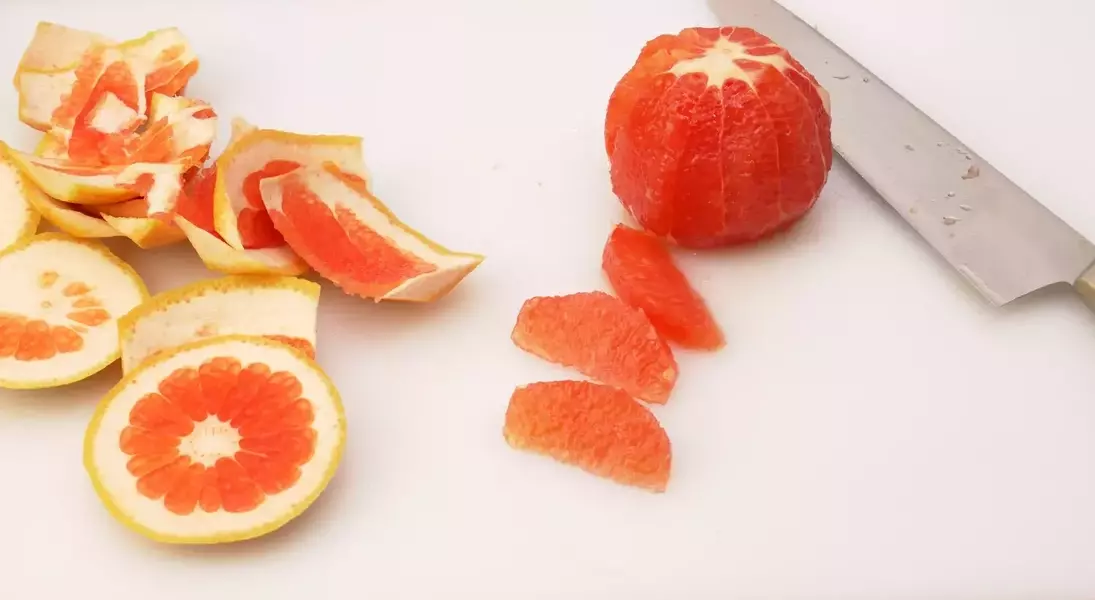
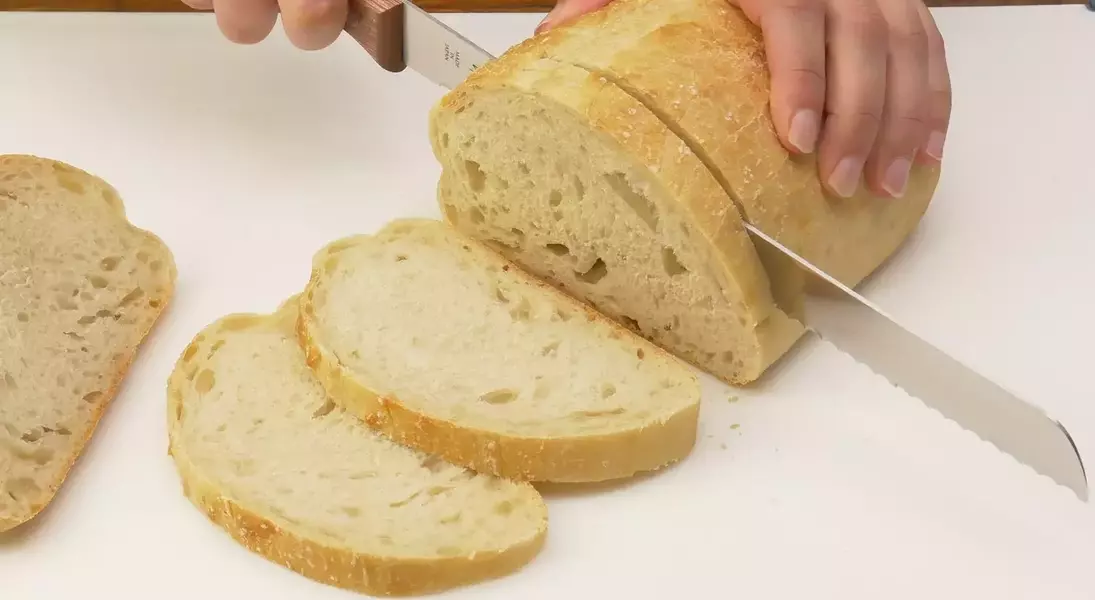
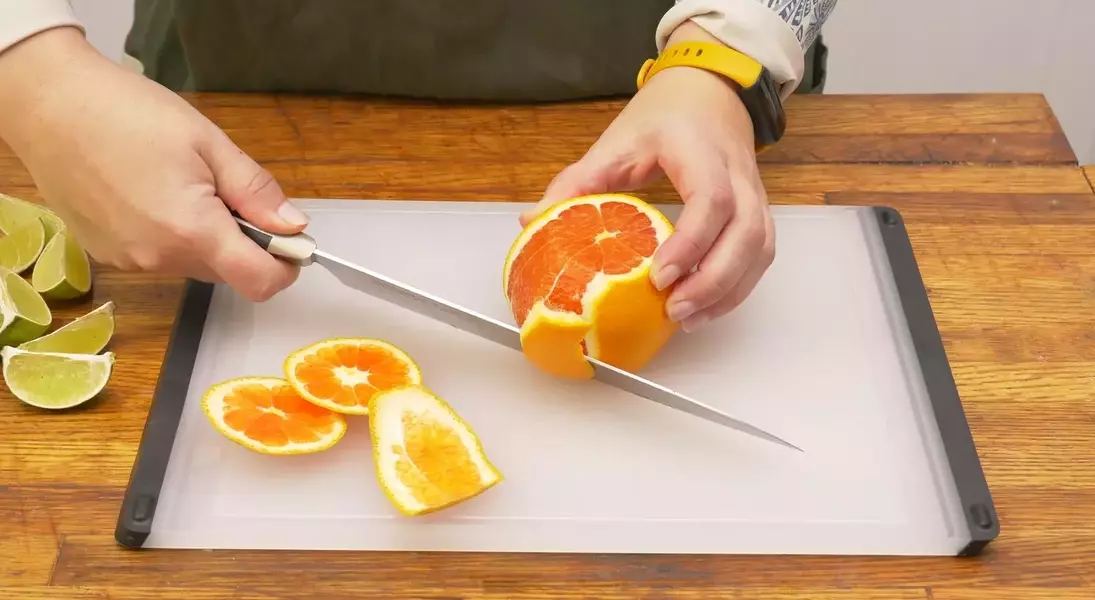
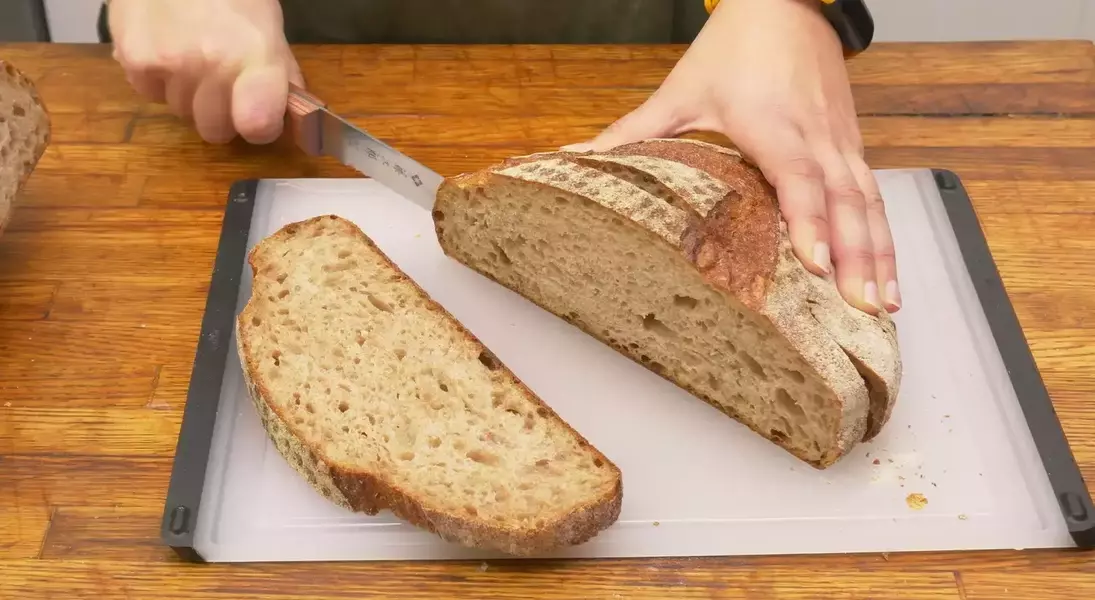
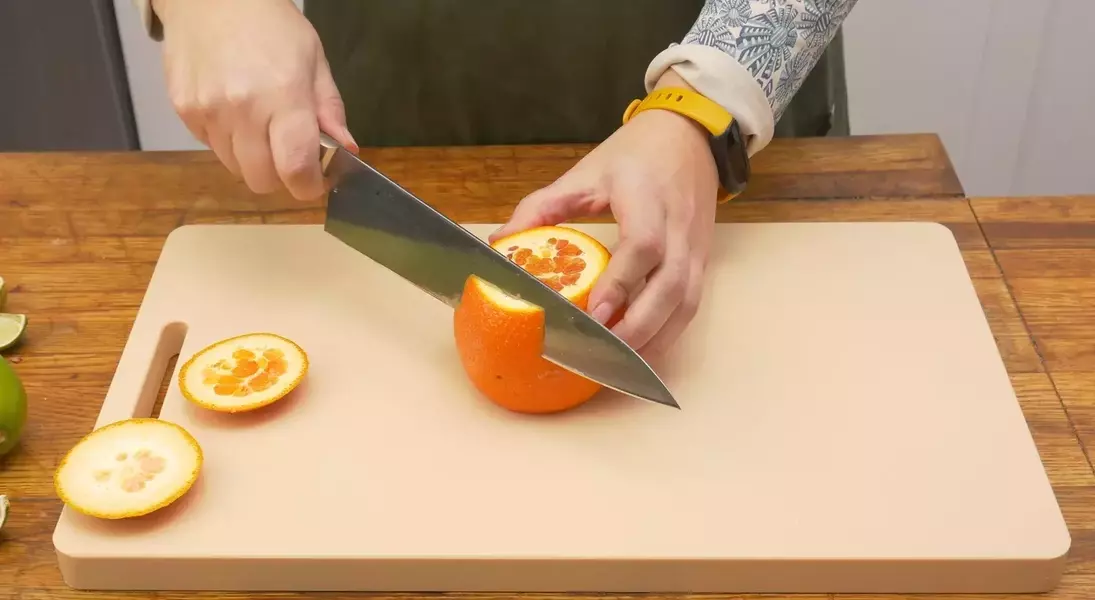
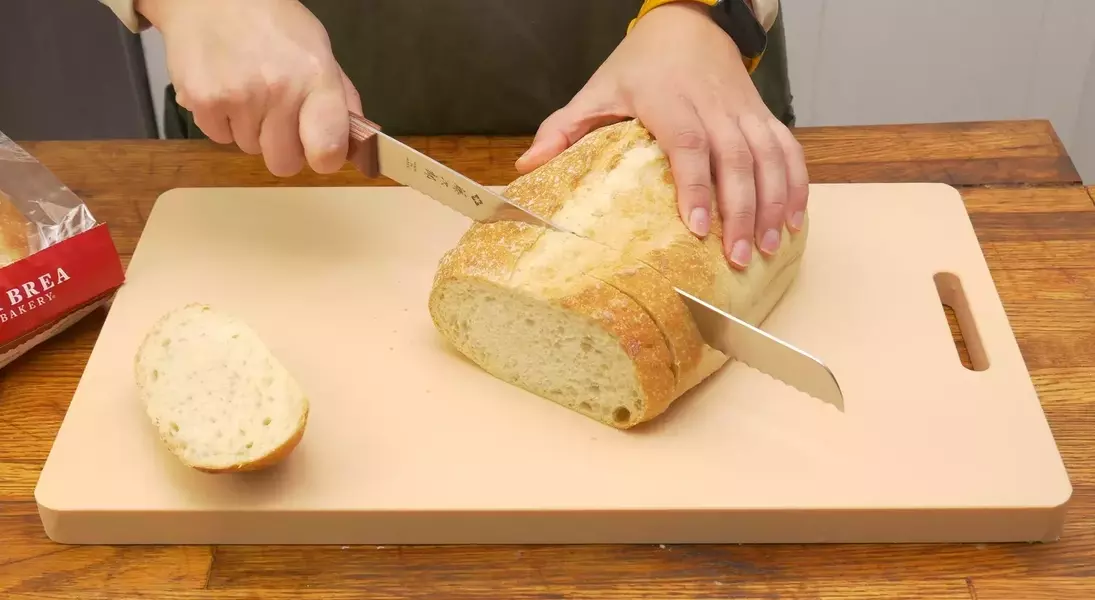
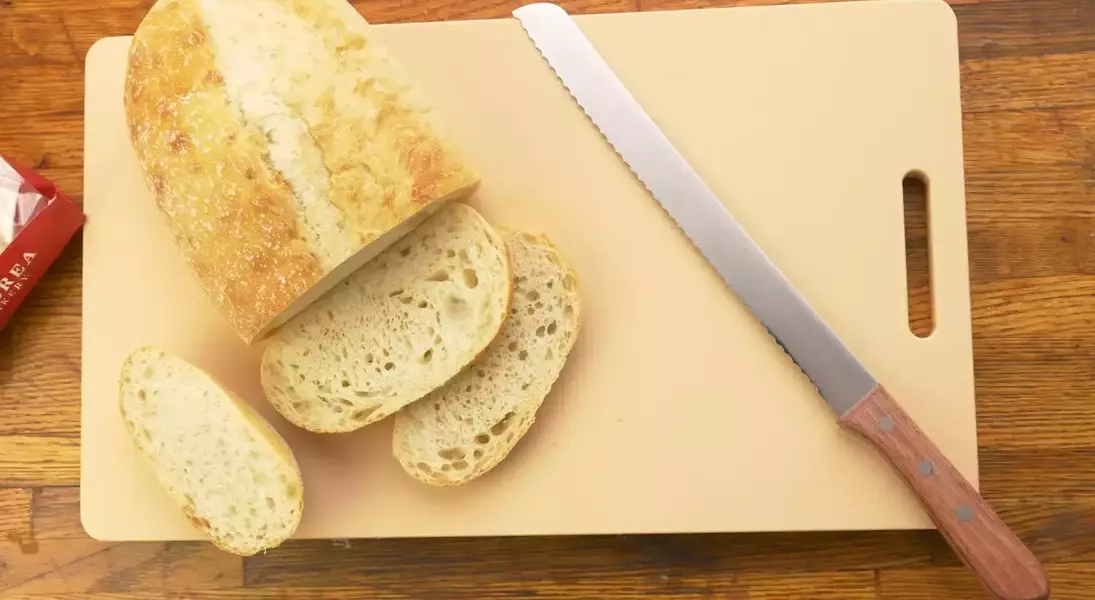
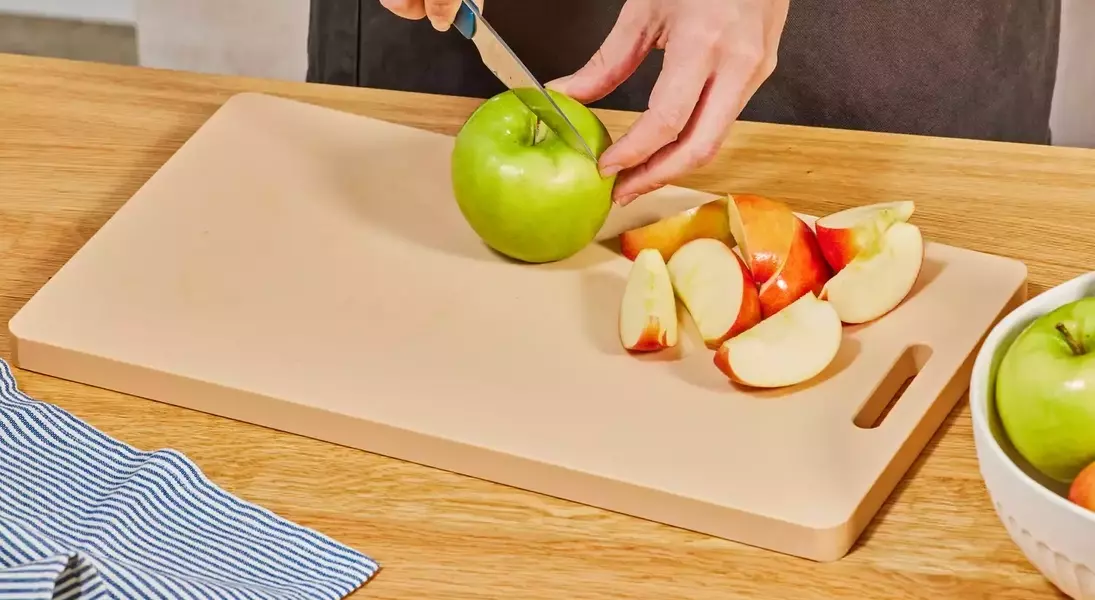
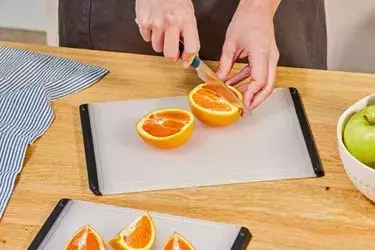
To identify the best plastic cutting boards, a comprehensive testing methodology was employed. This included a detailed knife sharpness evaluation, where new chef's knives were repeatedly run over each board and re-measured using a professional edge tester to quantify dulling. A bread slicing test assessed the boards' resistance to scratching from serrated blades, and a citrus supreming test examined their stability and food grip. Finally, cleaning tests, involving both hand washing and dishwasher cycles, evaluated durability and potential damage.
Plastic vs. Wood: Understanding the Differences
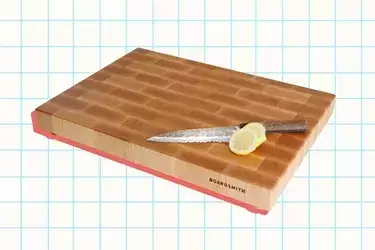
It's true that plastic cutting boards will generally dull knives faster than end-grain wooden boards. This is due to plastic's inherent hardness compared to the fibrous nature of wood, which allows knife edges to slide between its grain. While knife dulling is an expected characteristic of plastic boards, testing revealed that even significant dulling (up to 52%) still resulted in a blade sharpness comparable to a utility razor. The key takeaway is to anticipate gradual dulling with regular use, rather than immediate damage. Unlike wood, which can be sanded and restored, plastic boards retain permanent cut marks as material is removed.
The Unsung Benefits of Plastic Cutting Boards
Despite some drawbacks, plastic cutting boards excel in specific kitchen scenarios. Their dishwasher-safe design simplifies cleanup, especially after handling raw poultry or beef, where thorough sanitation is paramount. While wood possesses natural antimicrobial properties, plastic's non-porous surface provides a hygienic alternative, particularly when concerns about foodborne contaminants arise. Moreover, plastic boards are often more affordable, making them a practical choice for tasks involving staining ingredients like beets and berries, where a treasured wooden board might be at risk.
The Importance of Secure Grips
A stable cutting surface is crucial for safety. Boards equipped with effective grips—whether corner grips that firmly adhere to the countertop or rubbery feet that elevate the board—performed exceptionally well in preventing slips and slides during use. The Hayate Yoshihiro board, notable for its heavy, grippy plastic material, demonstrated excellent stability even without additional rubber components.
Striving for Perfection: Acknowledging Trade-offs
No single plastic cutting board proved flawless in testing, with each exhibiting a unique blend of strengths and weaknesses. Factors like knife dulling, scratch resistance, counter stability, and food/blade slippage were all considered. While nearly all boards caused some degree of knife dulling, the Material board surprisingly enhanced knife sharpness in one instance. Visible cut marks were common, though the soft plastic of the Yoshihiro board intentionally gash to protect knife edges. Conversely, harder, slicker boards like the OXO models were more prone to slipping but caused less visible scratching and minimal knife dulling. Ultimately, while no board was perfect, none were deemed truly unsatisfactory.
Selecting the Right Size: Balancing Space and Functionality
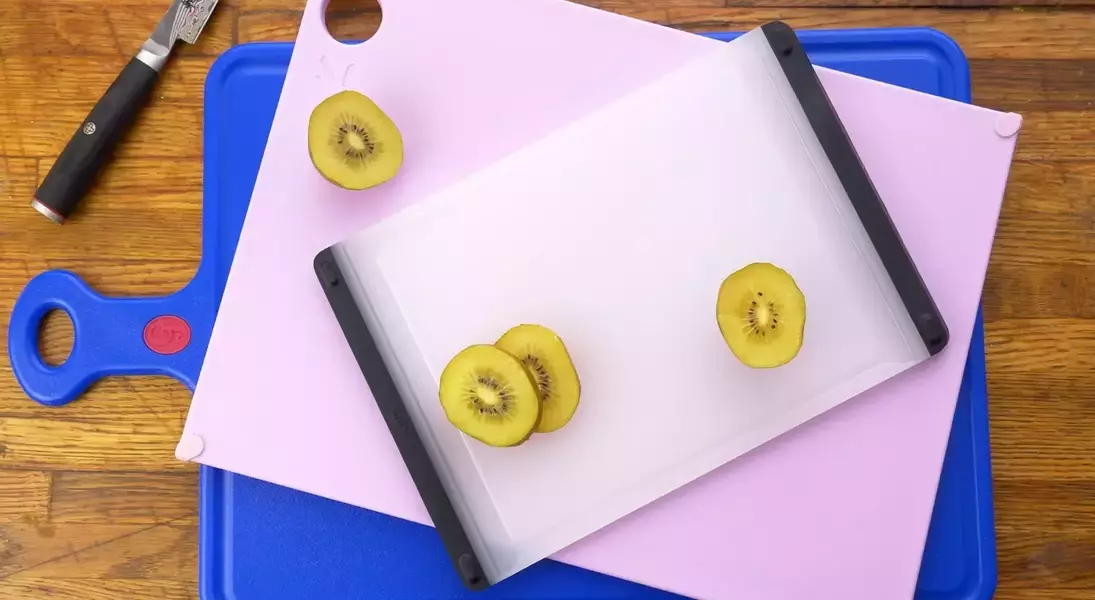
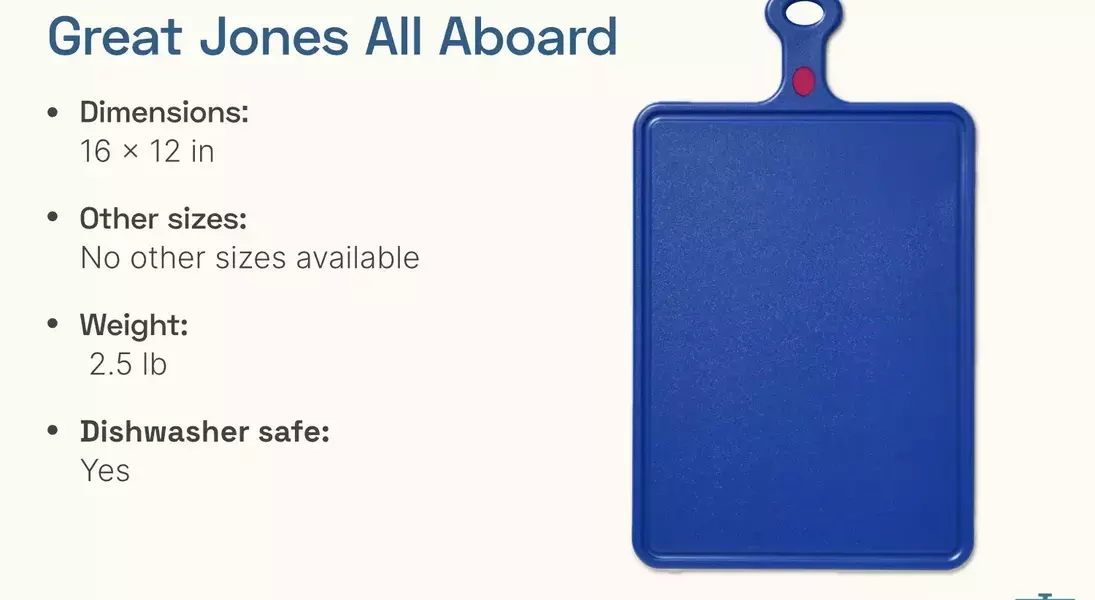
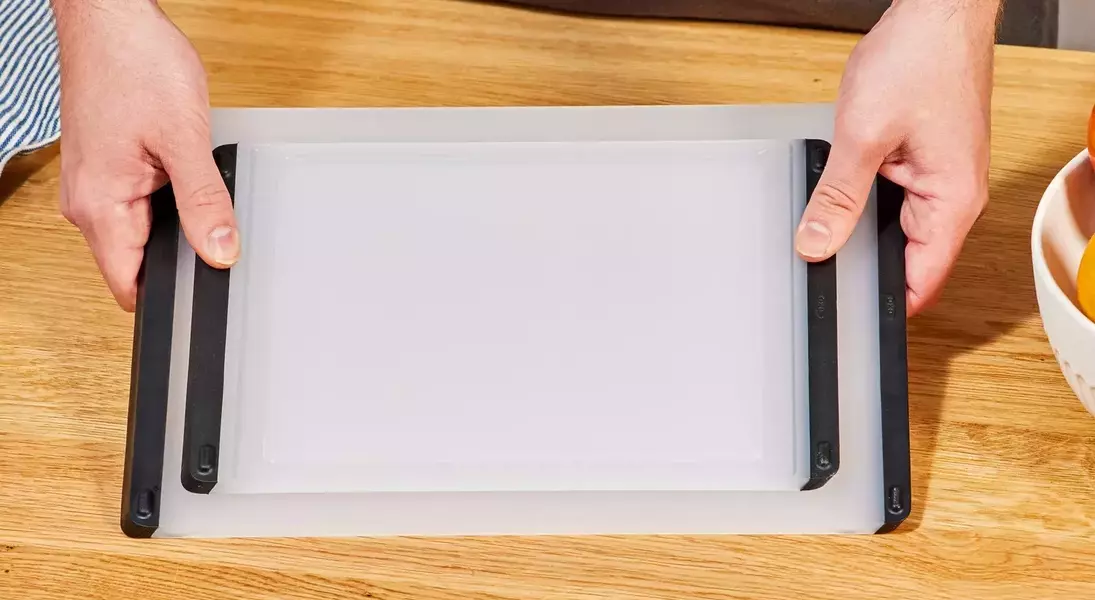
Choosing the appropriate size is key. Mid-sized boards, approximately 16 by 12 inches, offer a versatile surface for most cutting tasks, containing diced ingredients effectively. Smaller boards are convenient for minor prep, while overly large boards can be cumbersome to clean and store. A combination of a medium-sized board for general use and a smaller one for quick, precise tasks provides an optimal balance.
Essential Features of a Superior Plastic Cutting Board
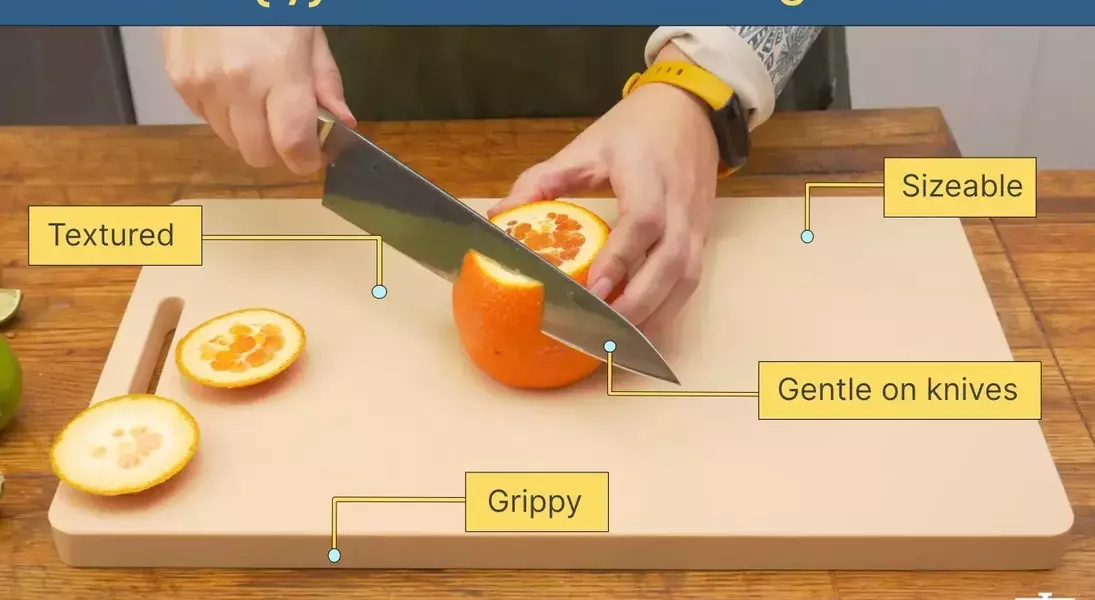
When selecting a plastic cutting board, prioritize models that offer a reasonable balance between knife protection and stability. Look for boards with grippy edges or corners to prevent slippage. A size of around 14 by 11 inches is generally suitable for various cooking needs without being too difficult to manage. Boards with a slightly textured surface are preferable over slick ones, as they minimize blade slippage and clacking noises.
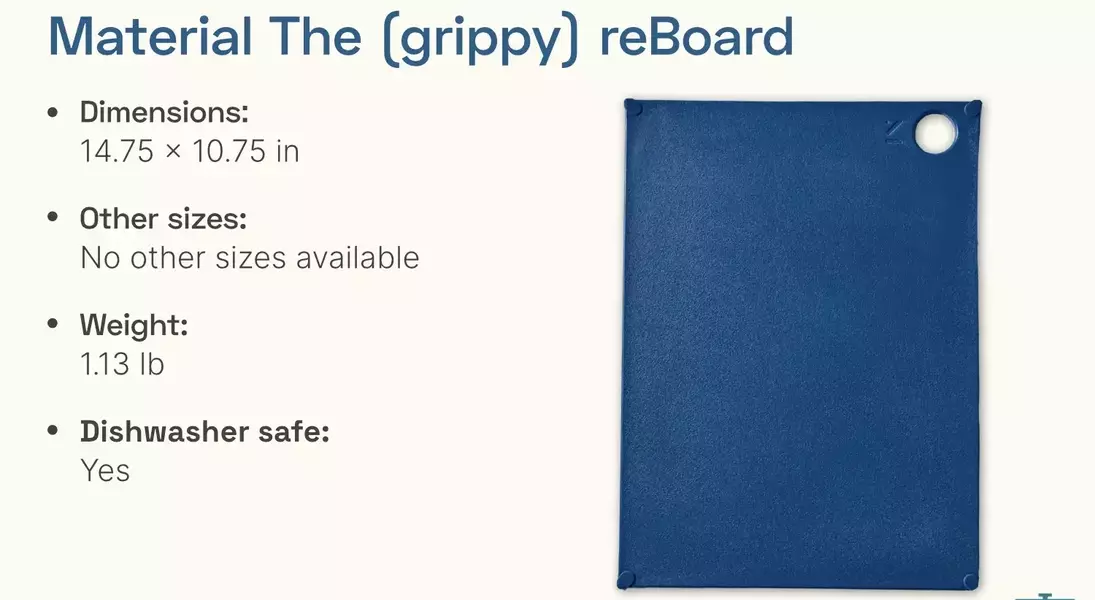
Material The (Grippy) reBoard: The Non-Slip Champion
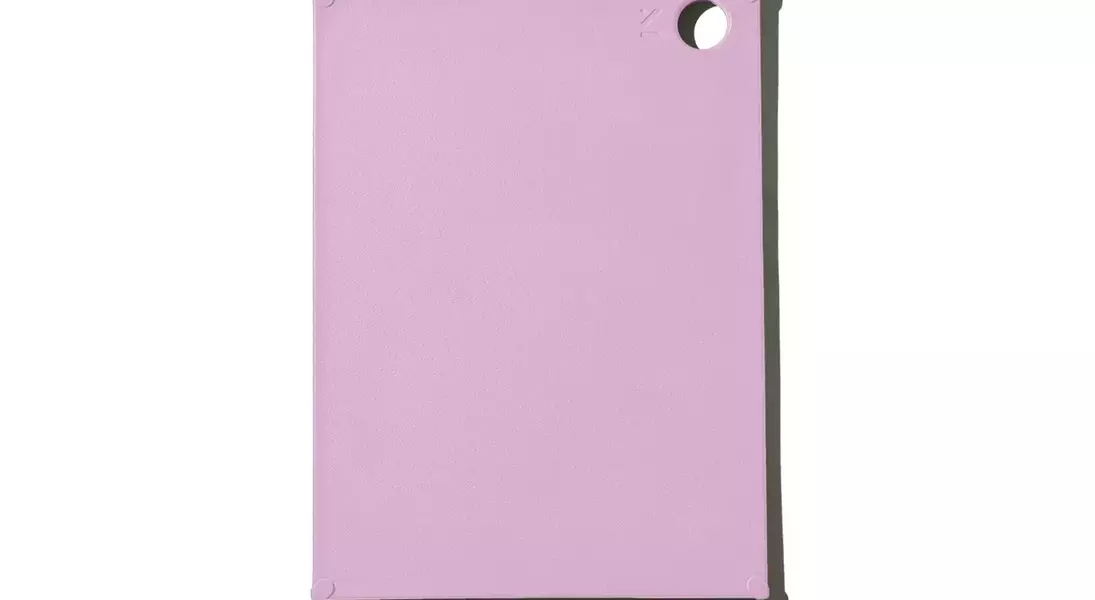
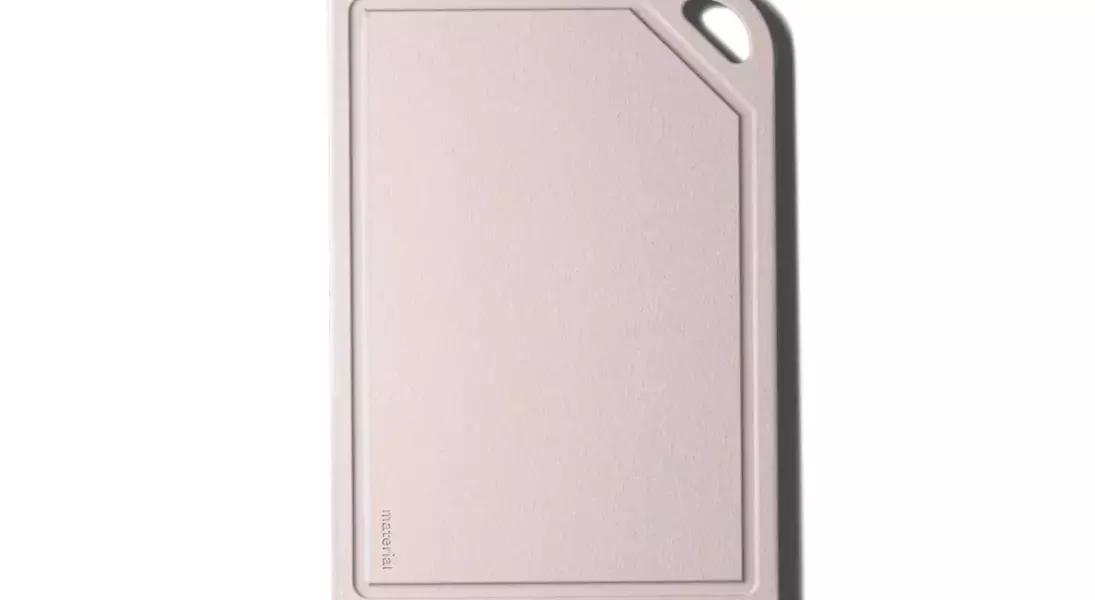
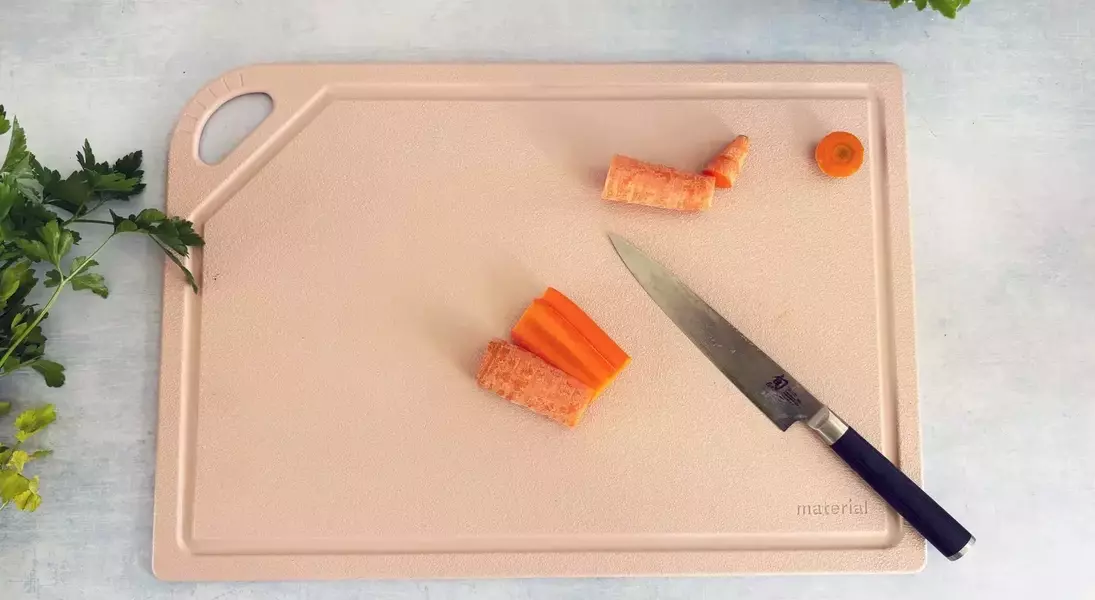
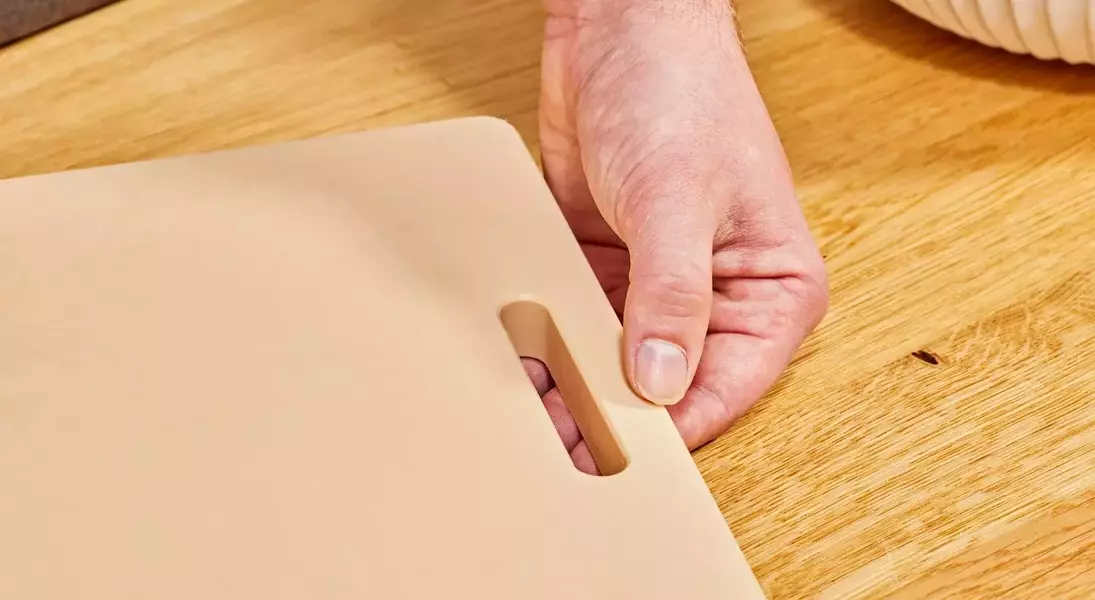
This lightweight cutting board impressed with its subtle tackiness, preventing citrus from sliding and surprisingly keeping chef's knives sharp. Its corner grips ensured stability on countertops, and the integrated hanging hole offered convenient storage. Despite light scratching from a serrated knife, its overall performance and reasonable price make it a top choice.
Great Jones All Aboard: The Best with a Handle
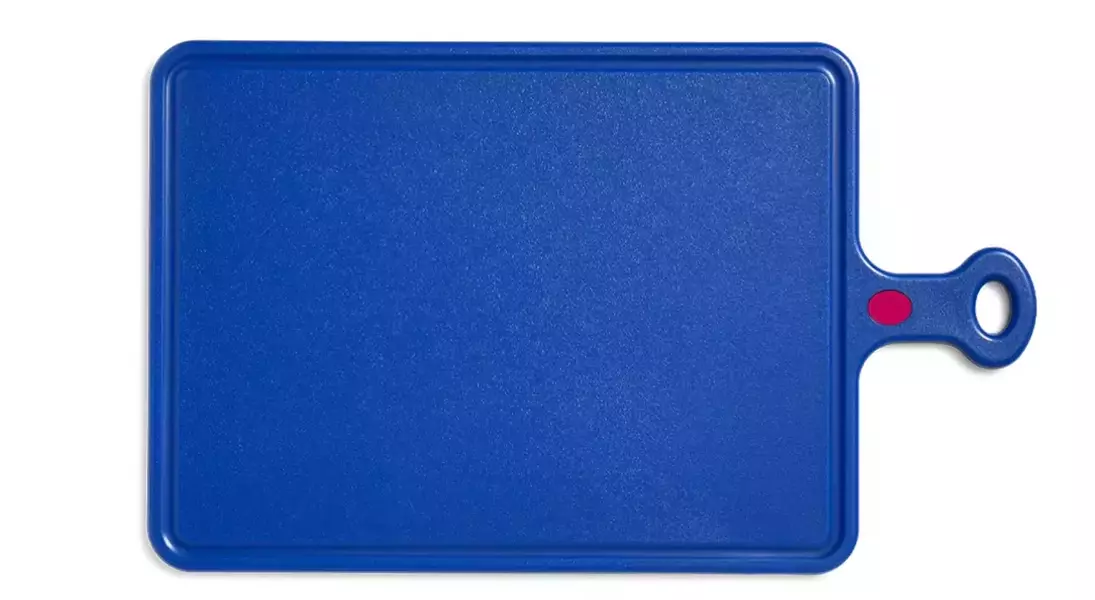
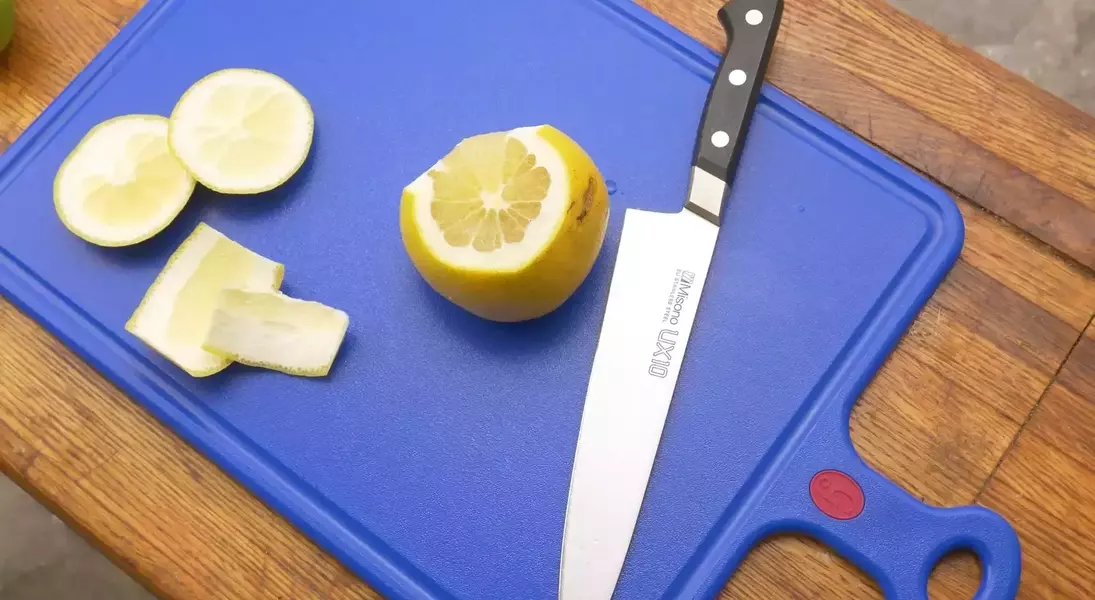
A strong contender, this board offered excellent counter stability and a less slippery surface than many competitors. It caused minimal knife dulling (only 12%) and showed faint scratch marks. Practical features include a juice groove for messy ingredients, a reversible flat side, and a handle with a hole for easy cleaning and storage.
Material Kitchen The MK Free Board: A Sustainable and Durable Option
Crafted from bioplastic, this board features a unique pebbly, hard texture that, unexpectedly, didn't dull knives at all during sharpness tests. Its spacious design and shallow juice groove effectively contained messes. Impressively, it showed no scratches even after cutting baguette with a sharp bread knife, indicating excellent durability, though long-term performance requires further observation.
OXO Good Grips Plastic Utility Cutting Board: Under $30 Excellence
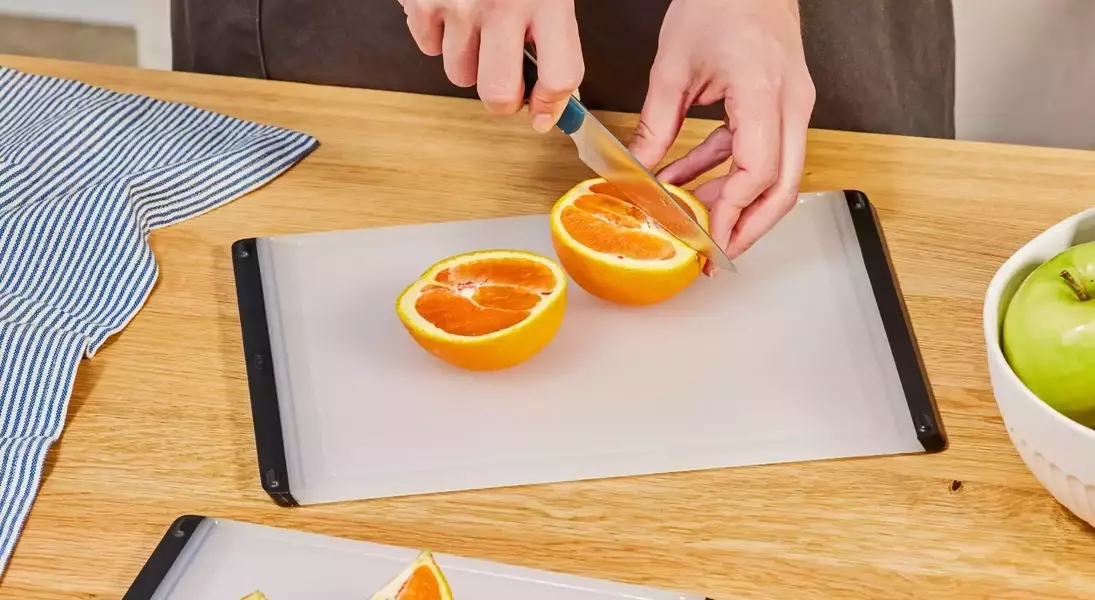
A long-standing favorite for its affordability and reliability, this board offers decent knife protection, dulling blades by an average 35%. Its 14.75-by-10.5-inch size is versatile for most tasks, and a juice groove adds convenience. However, recent design changes have resulted in a harder, slicker surface that can cause knives to clack and slip.
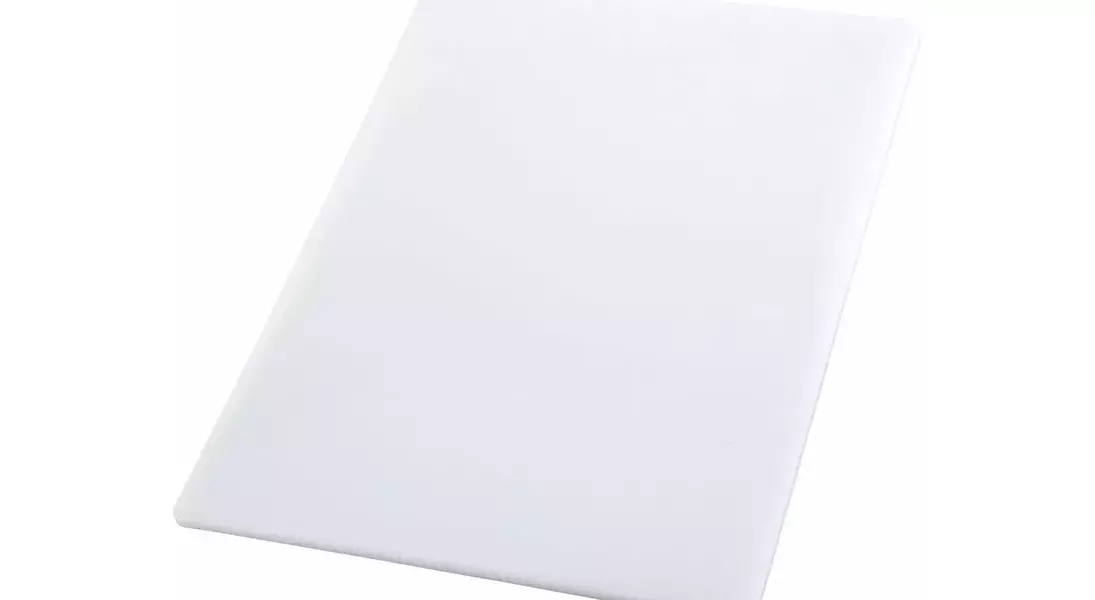
Winco CBWT-1218 Cutting Board: A Budget-Friendly Workhorse
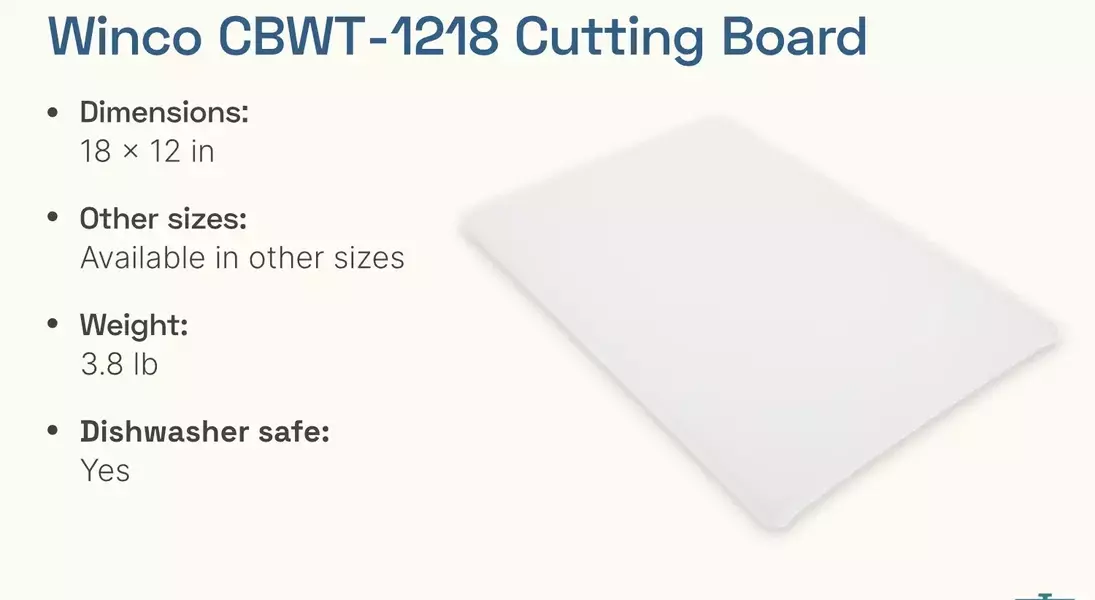
At under $20, this thick, grippy, and spacious board provides exceptional value. It caused minimal knife dulling (16%) and no prominent scratch marks. Its robust design made it easy to handle and clean, perfect for discarding scraps.
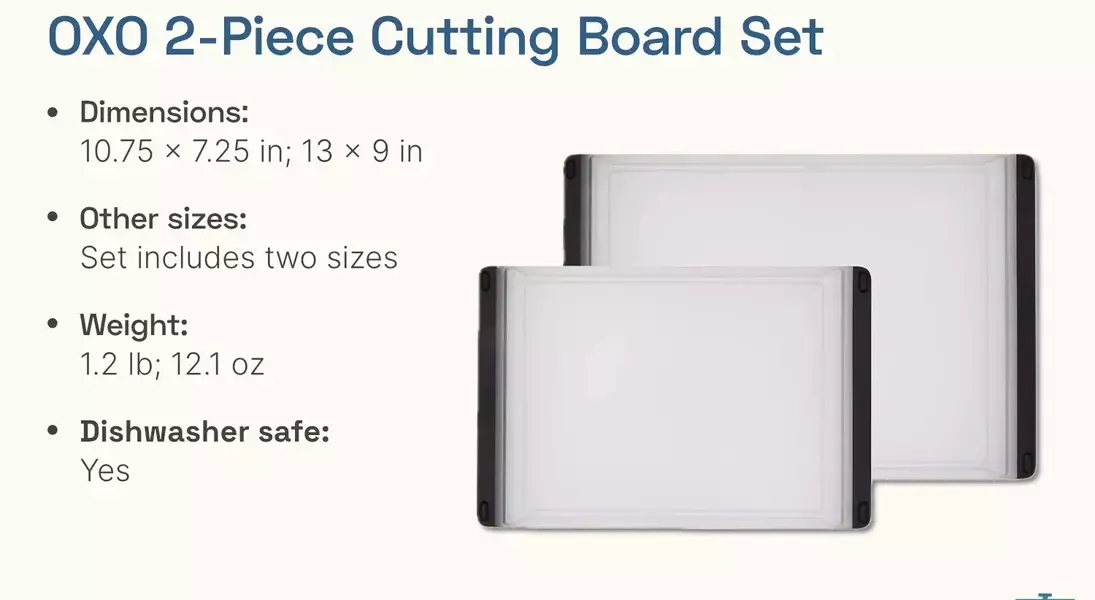
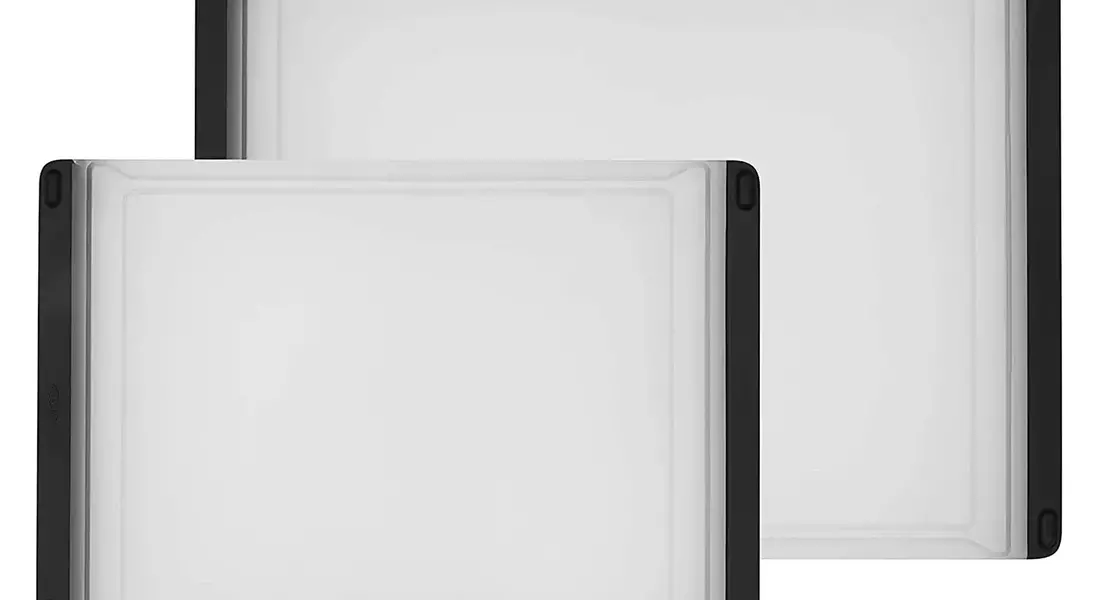
OXO 2-Piece Cutting Board Set: The Best Small Set
This set of smaller boards, from the same OXO line, proved even gentler on knives than its larger counterpart, dulling blades by a mere 4%, with almost invisible scratch marks. A juice groove on one side adds practicality, making it ideal for minor prep tasks.
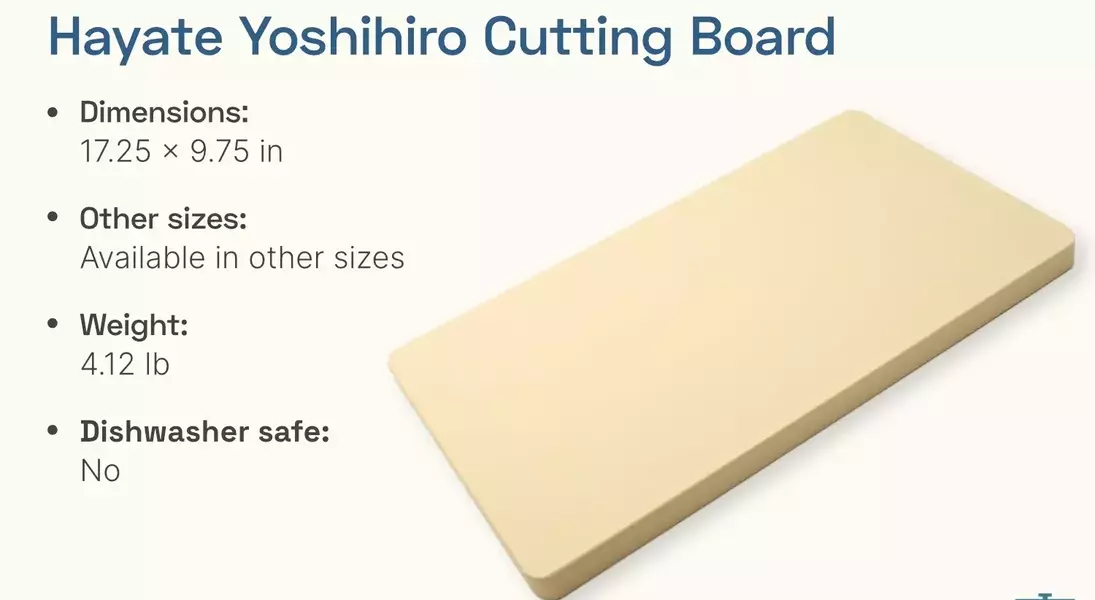
Hayate Yoshihiro Cutting Board: The Knife-Friendly Choice
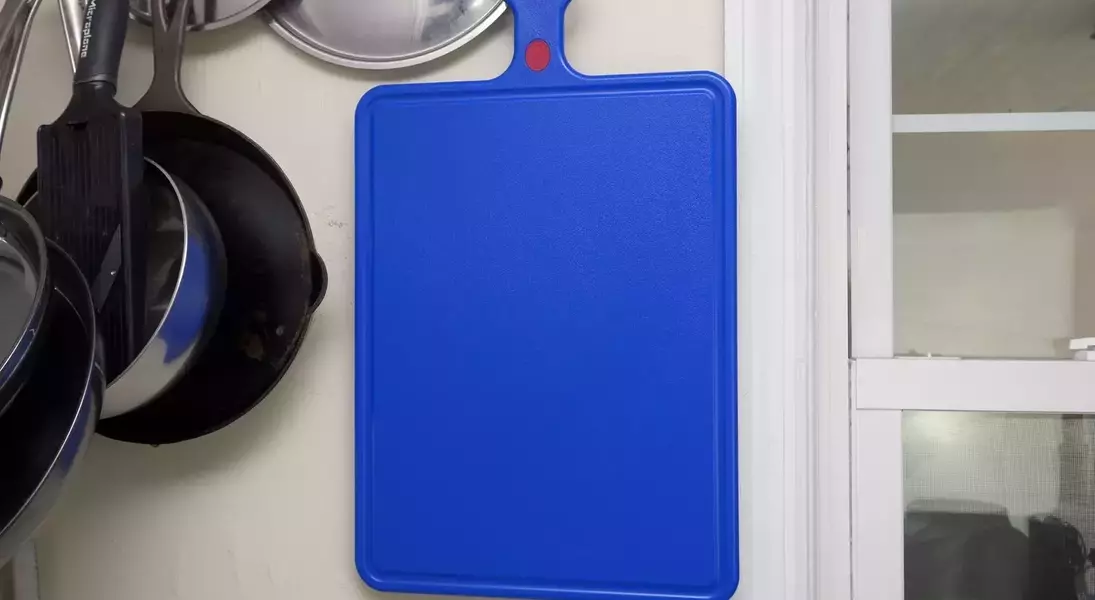
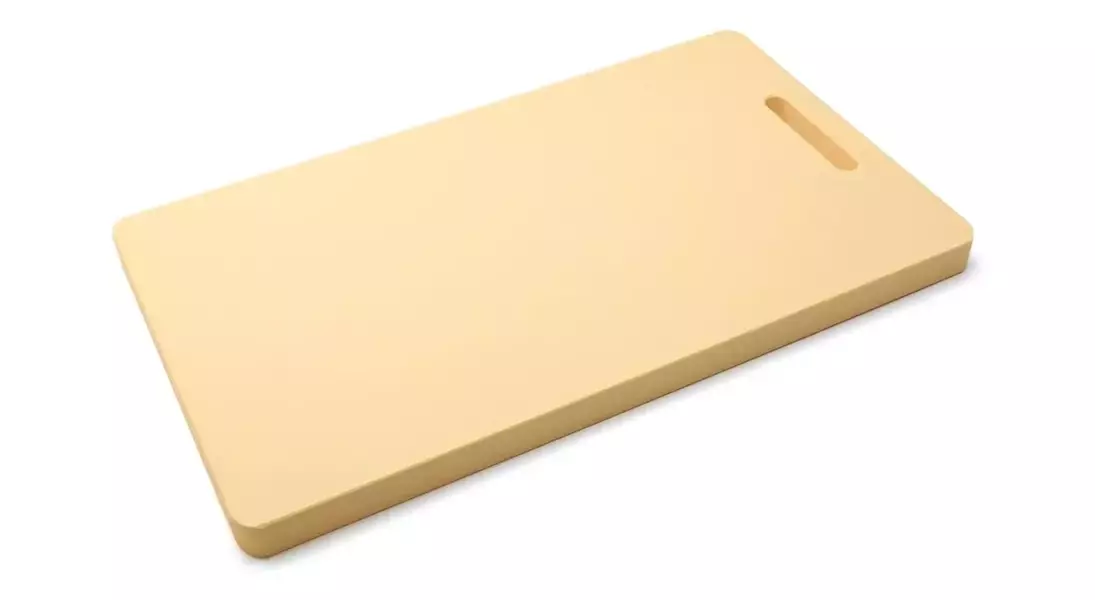
Known for its soft, heavy plastic construction, this board remained perfectly stable on the counter. Its tacky texture provided superior grip for food, making it easy to handle slippery items and crusty bread. It was remarkably gentle on knives, causing only 22.4% dulling. This board's consistent performance has made it a perennial favorite.
