Ensuring hand protection is crucial in culinary environments, particularly when interacting with heated items. This article delves into an evaluation of various oven mitts and pot holders, focusing on their primary attributes and efficacy under stringent testing conditions. It aims to guide culinary enthusiasts towards selections that offer optimal flexibility, thermal resistance, and a firm hold to safeguard hands during cooking activities.
Mastering Kitchen Heat: Your Guide to Superior Hand Protection
Evaluating Kitchen Protection: The Testing Methodology
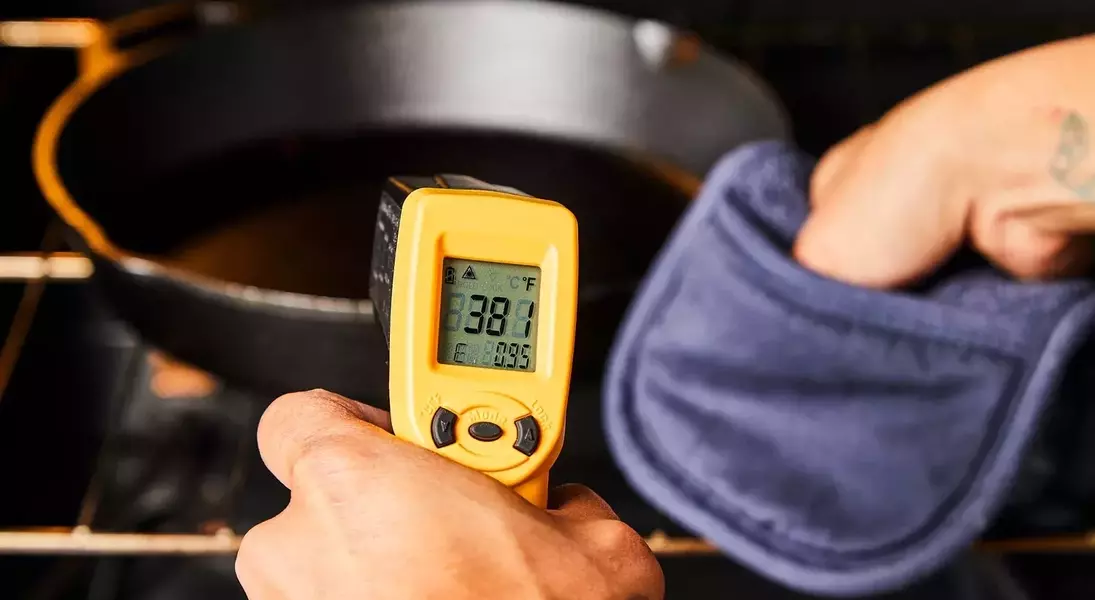
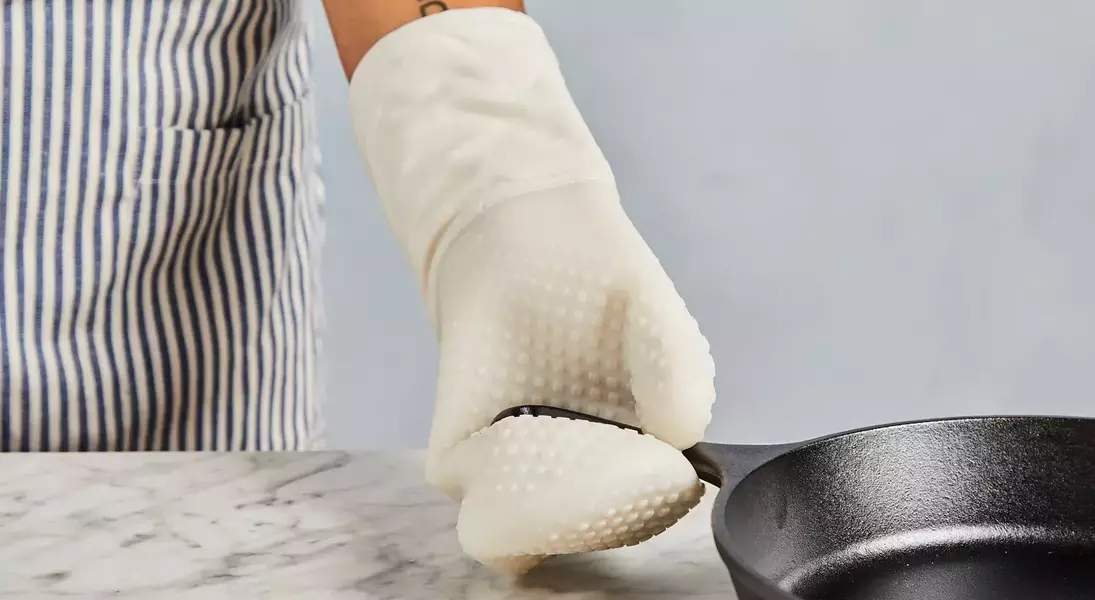
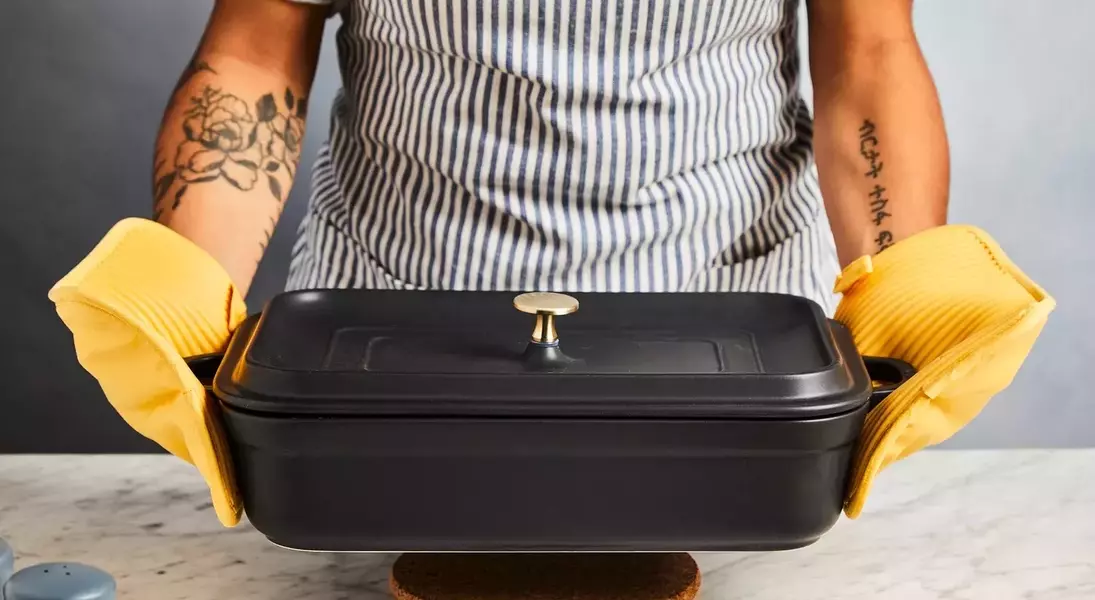
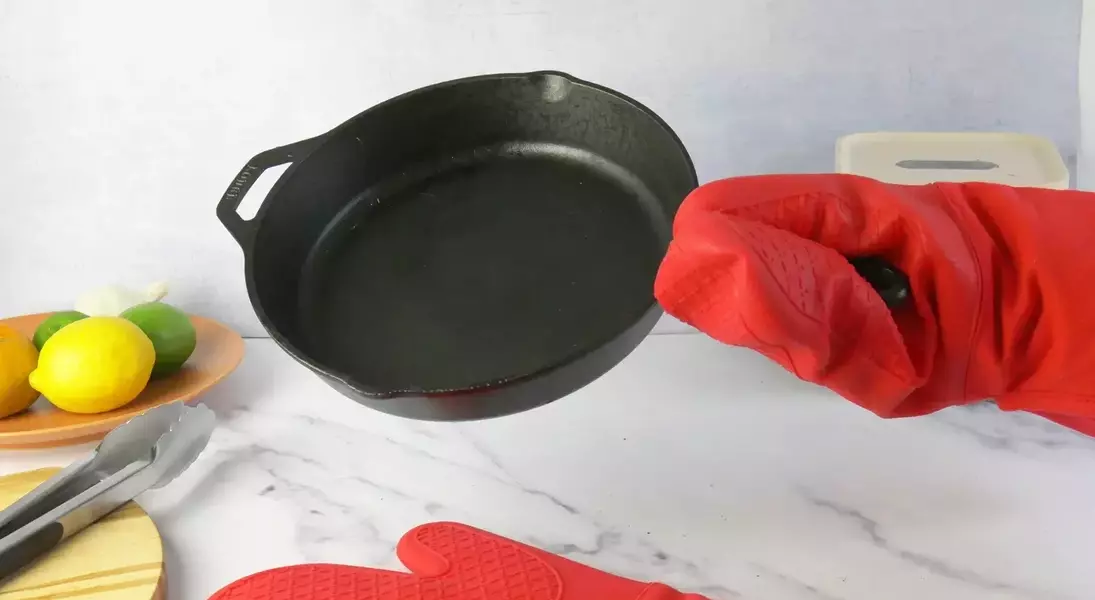
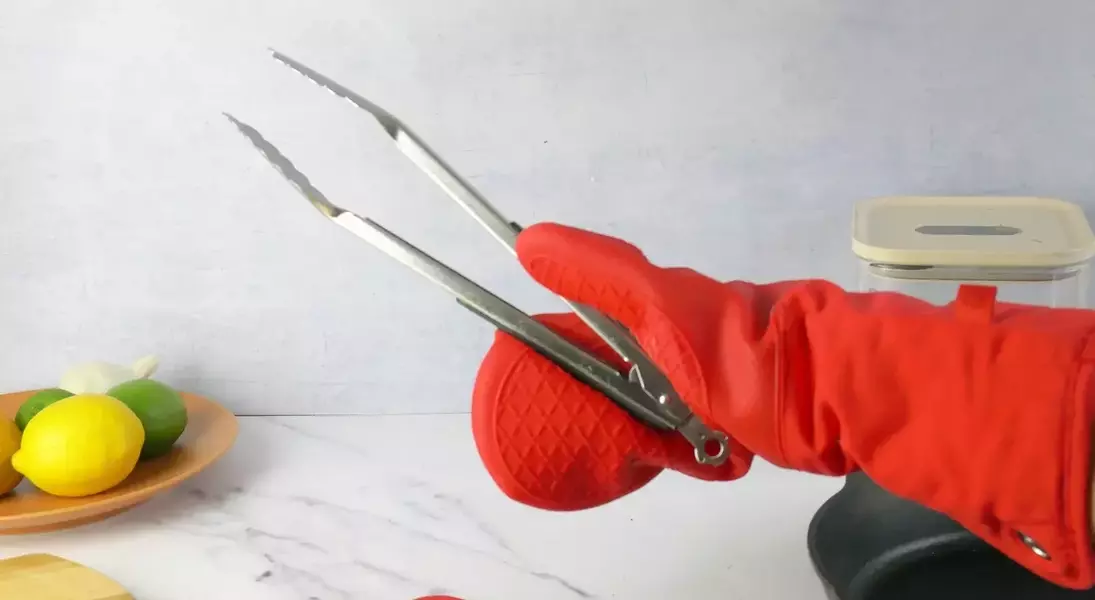
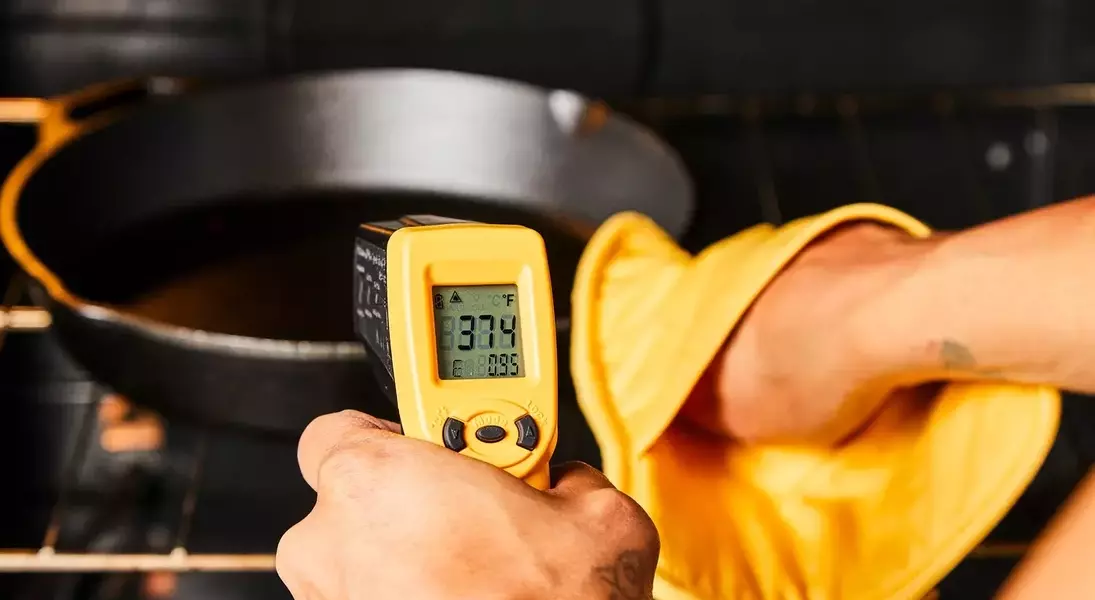
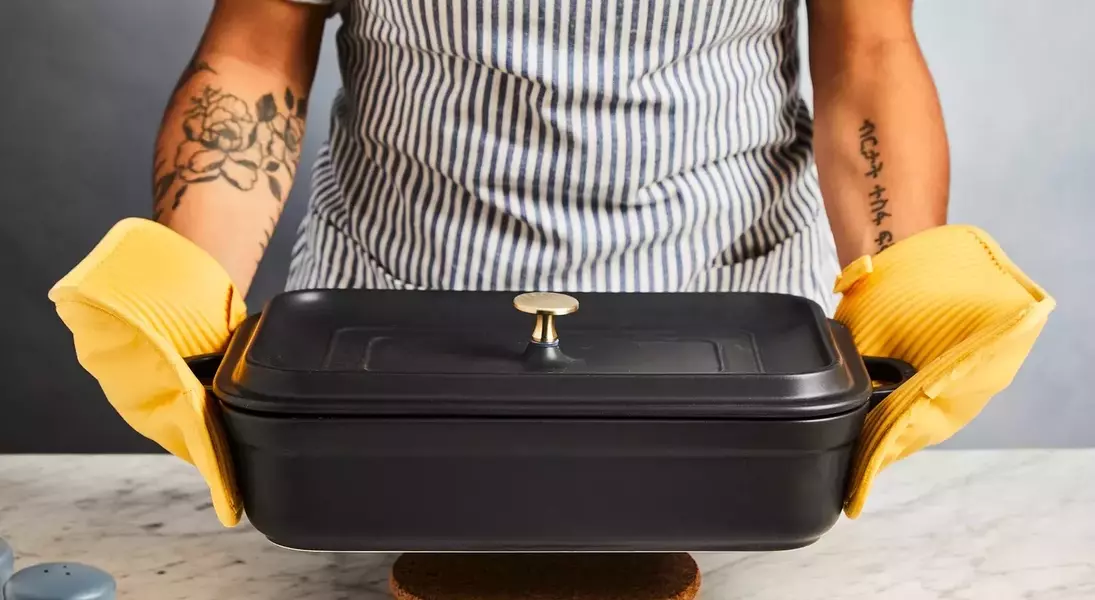
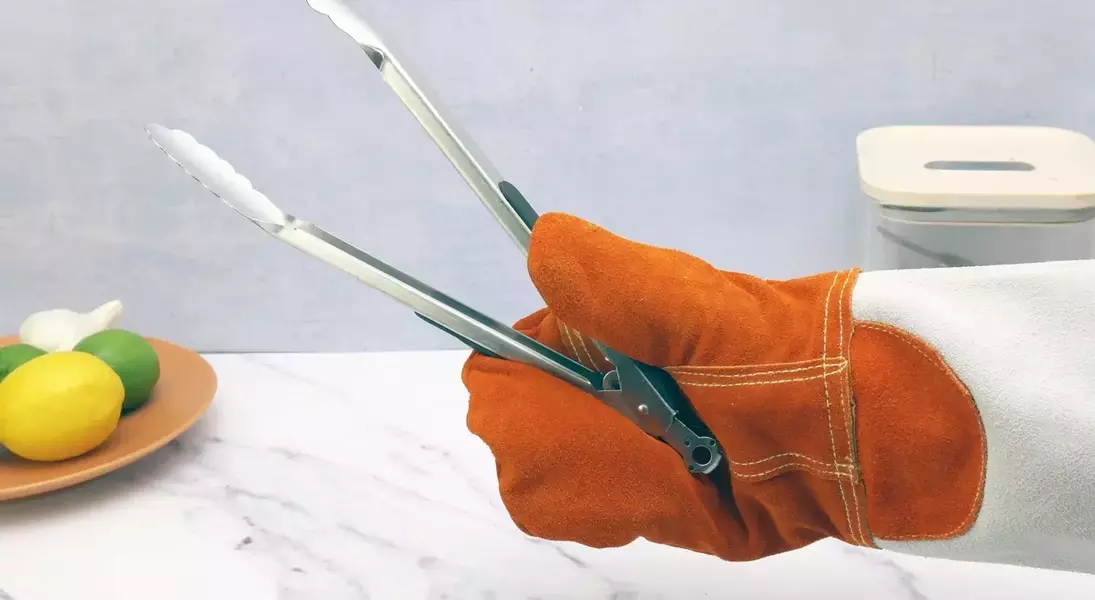
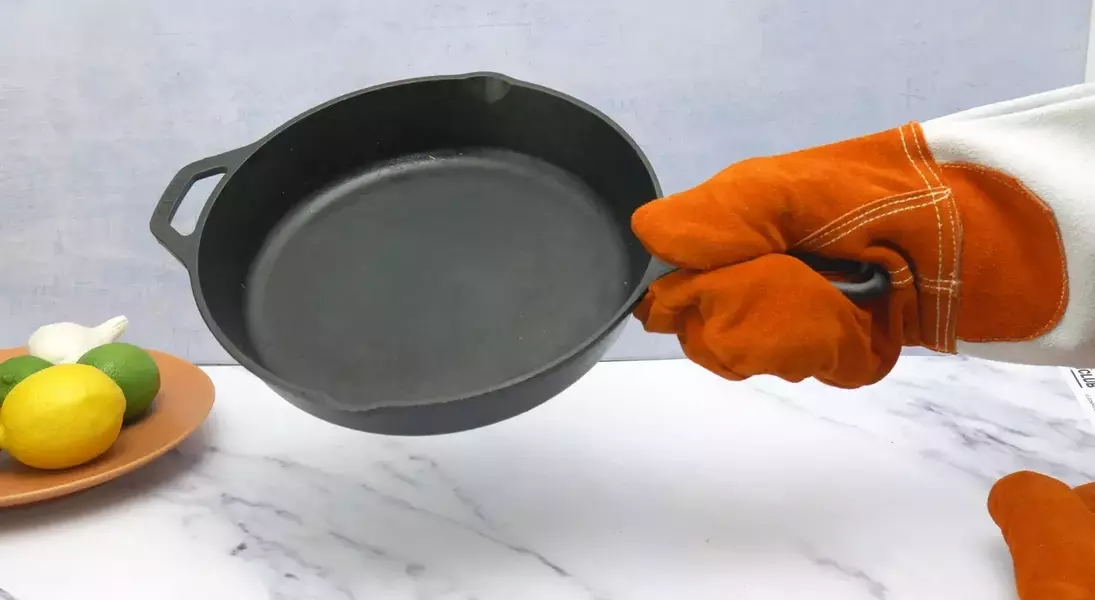
To rigorously assess oven mitts and pot holders, a series of practical scenarios were devised. Each item was used to manipulate a hot sheet pan, a casserole dish with a lid, and kitchen tongs, simulating common culinary tasks. The most challenging test involved using tongs, revealing limitations in flexibility across many products. A crucial heat resistance test measured the duration each product could comfortably hold a 425°F cast iron skillet, with real-world cooking further evaluating their performance.
Insights Gained from Extensive Testing
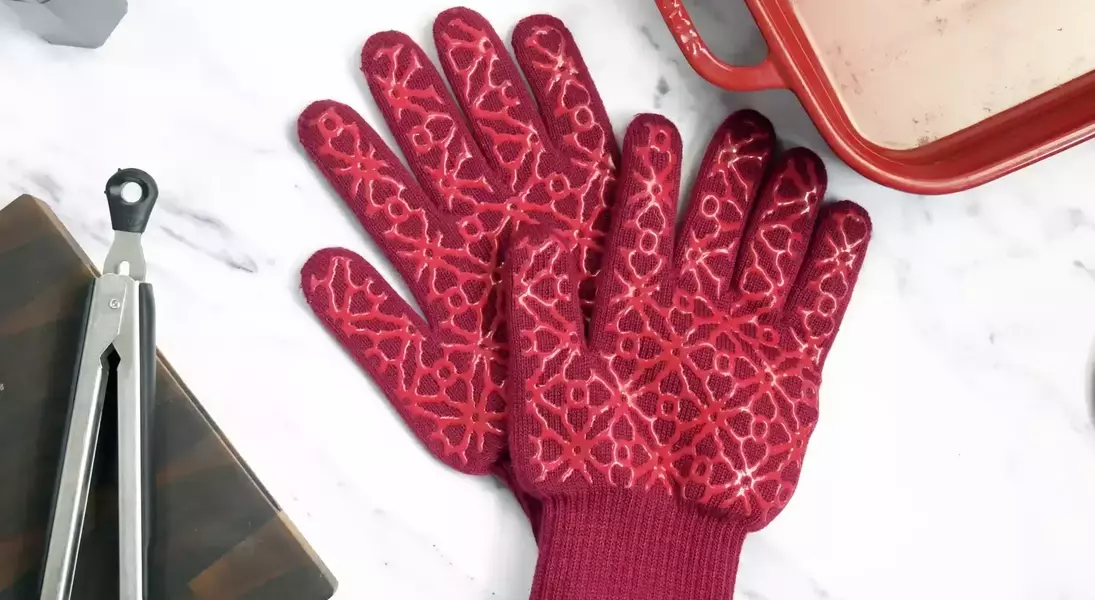
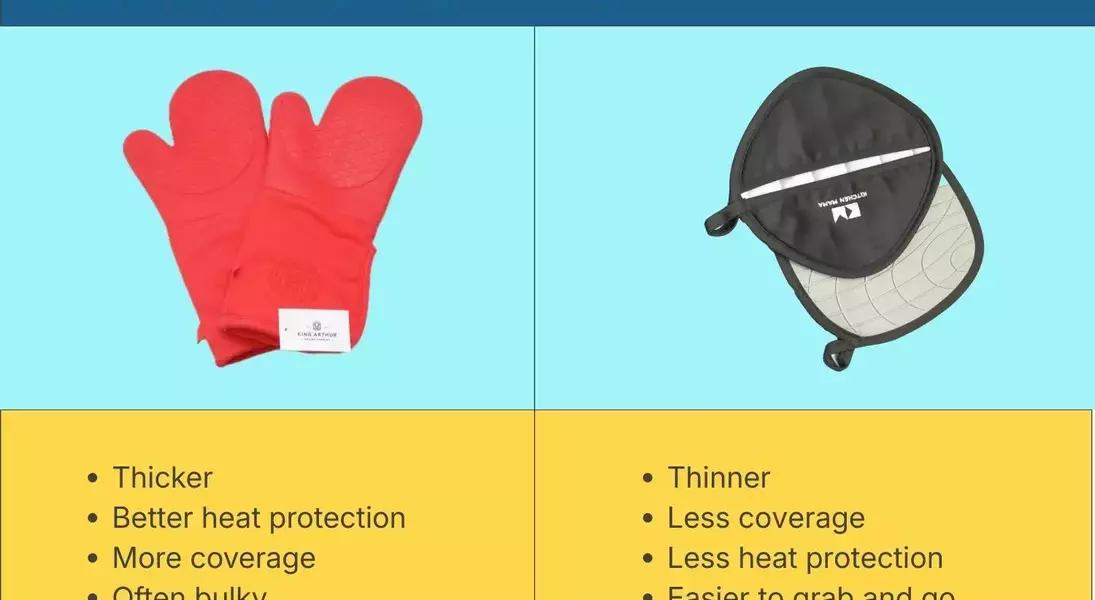
The comprehensive testing revealed important distinctions between oven mitts, pot holders, and oven gloves. While oven mitts offered superior coverage and heat protection, their bulkiness sometimes hindered dexterity. Pot holders provided greater flexibility but generally offered less protection. Oven gloves, with their five-finger design, excelled in dexterity for intricate tasks but offered minimal heat resistance. This highlights the trade-off between protection and agility in kitchen handwear.
Understanding the Differences: Mitts, Holders, and Gloves
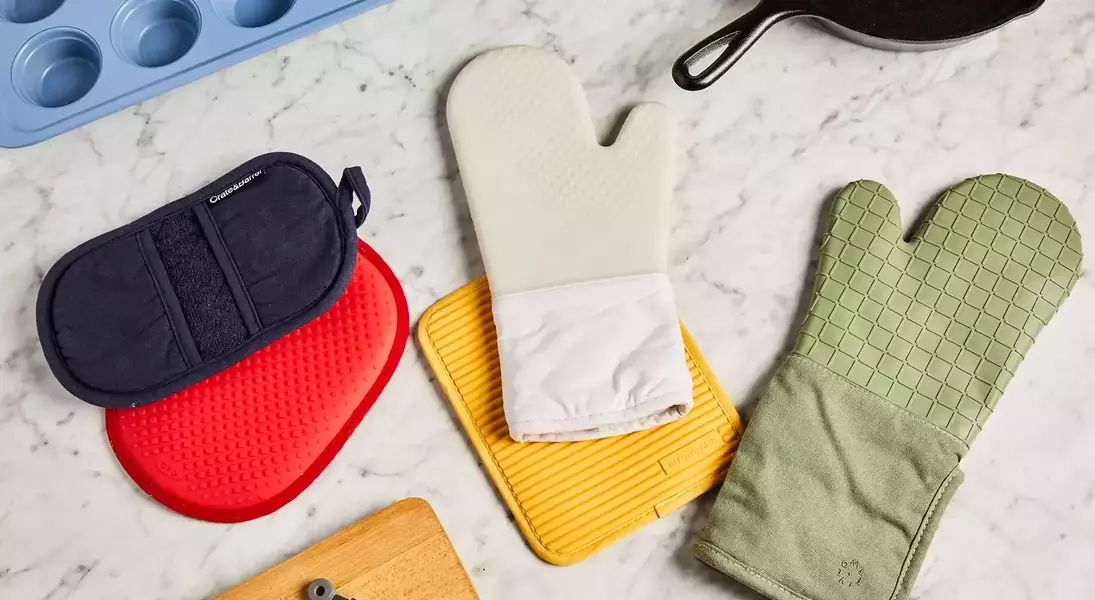
Oven mitts are typically shaped like mittens, providing comprehensive hand coverage. Pot holders are more akin to folded towels, offering flexibility but often with less overall protection. Oven gloves, with individual finger slots, prioritize dexterity for tasks requiring fine motor skills but sacrifice significant heat insulation.
The Double-Edged Sword of Material Thickness
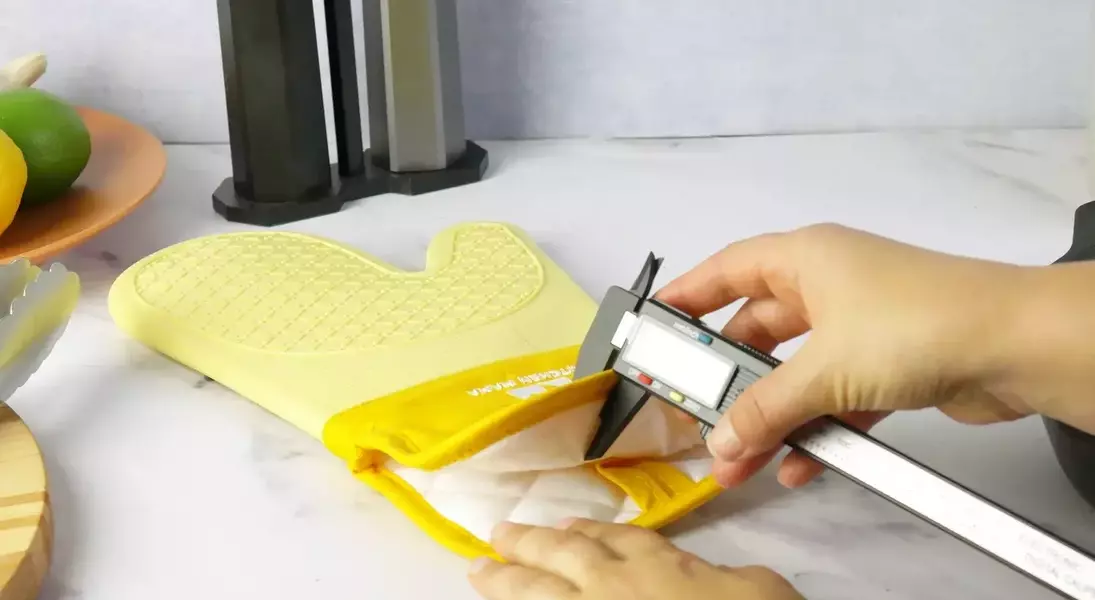
Measuring the thickness of various mitts and holders revealed a correlation between material density and heat resistance: thicker items generally provided better insulation. However, increased thickness often led to a stiffer design, making it challenging to maintain a firm grip on cookware. This suggests a balance must be struck between protective padding and functional flexibility.
The Superiority of Silicone-Lined Handwear
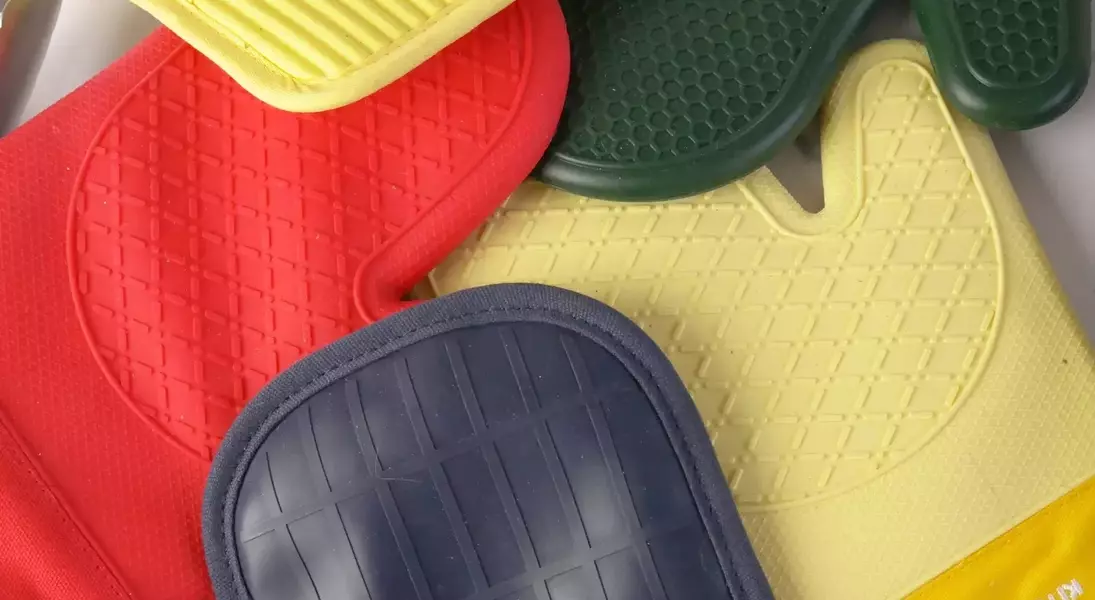
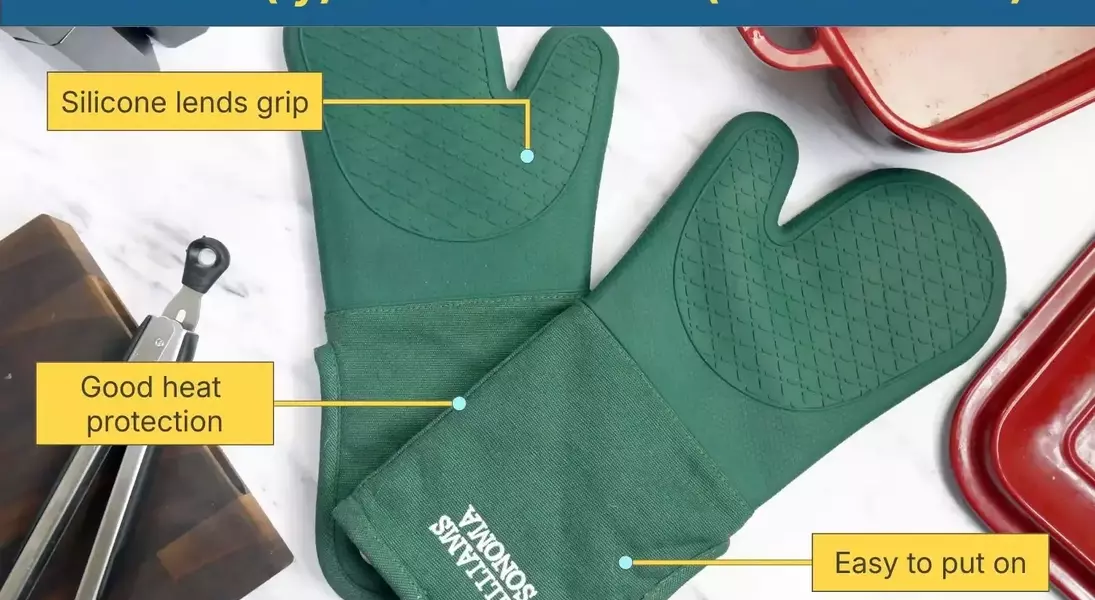
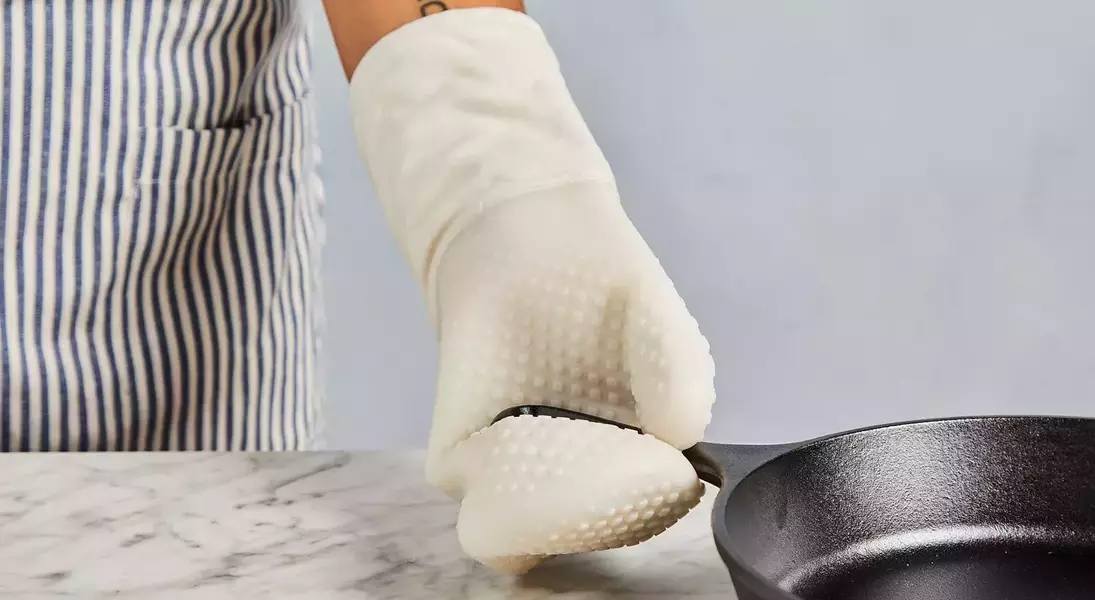
The presence of silicone lining proved to be a critical factor in heat protection and grip. Silicone's low thermal conductivity effectively shielded hands from high temperatures, preventing burns. Additionally, its inherent grippiness ensured secure handling of hot items. Most top-performing oven mitts and pot holders featured a silicone layer, while cotton-only alternatives quickly succumbed to heat.
Sleeves with Slits: Enhancing User Experience
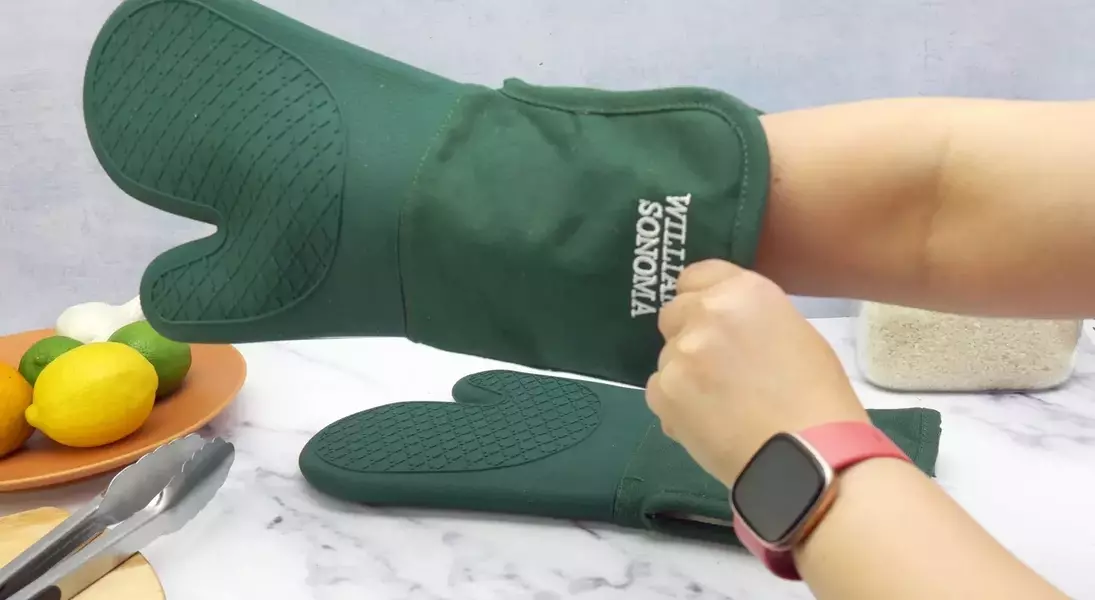
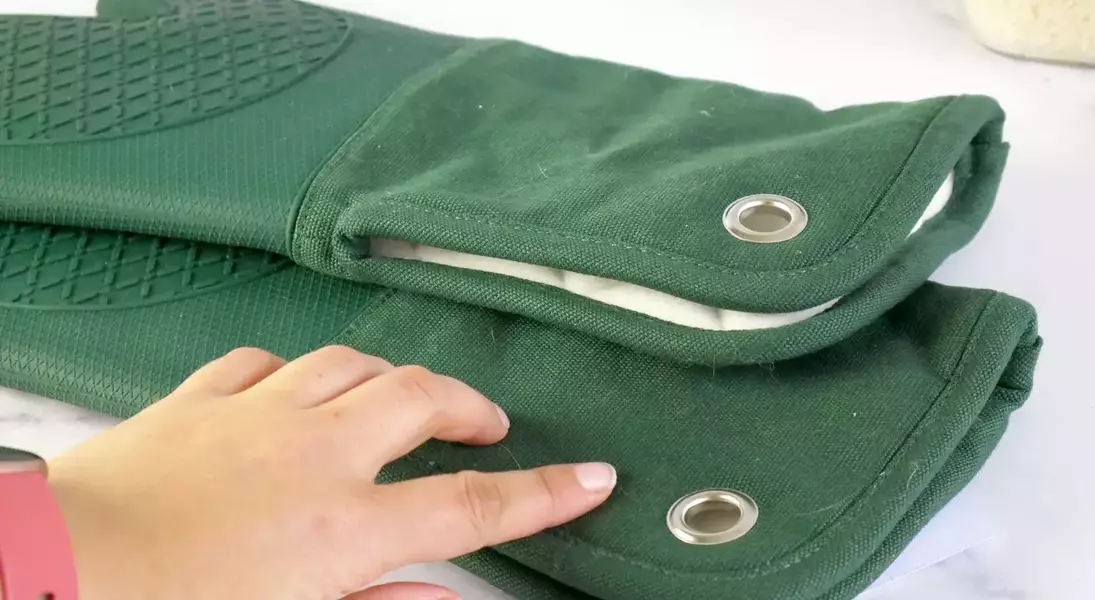
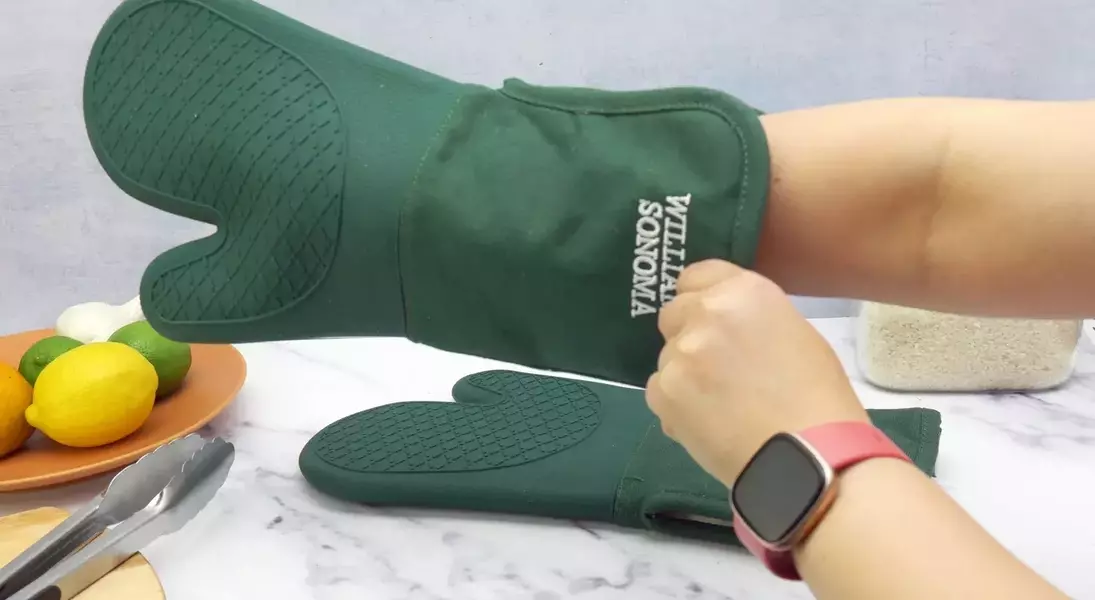
Oven mitts equipped with slits in their sleeves offered significant practical advantages. This design feature made them considerably easier to put on and remove, especially when dealing with bulky clothing. In contrast, mitts without such slits often presented a struggle, highlighting a key ergonomic consideration for users.
The Importance of Snug-Fitting Pot Holder Pockets
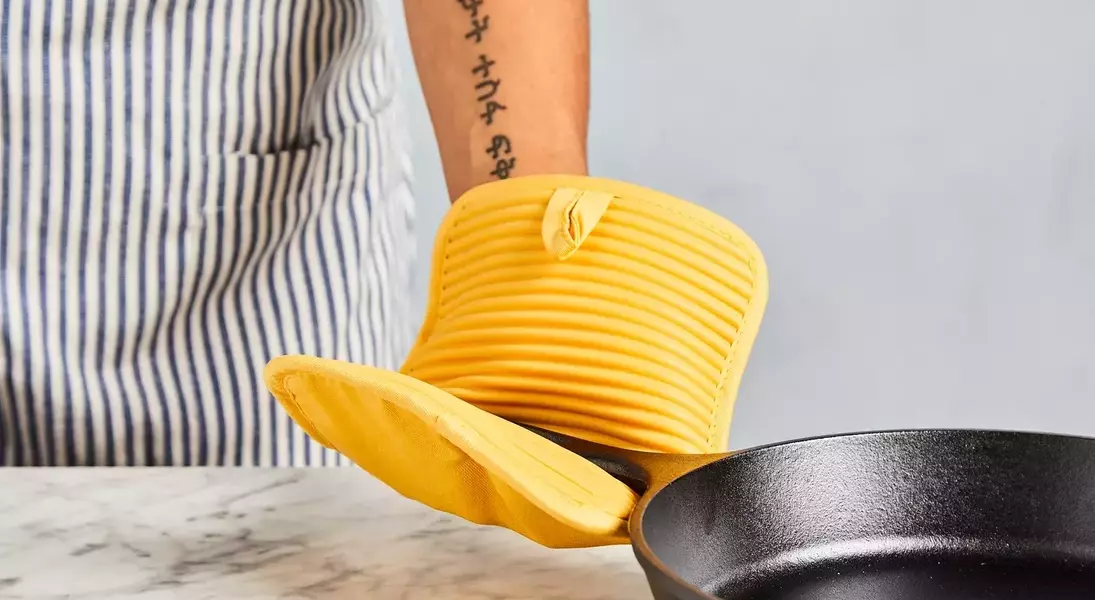
Many pot holders suffered from overly large pockets, causing them to slip off hands easily and hindering effective gripping. The most successful pot holders featured snug, well-designed pockets, sometimes with internal seams, that kept hands securely in place, thereby improving usability and control during tasks requiring precision.
Key Attributes of Effective Oven Mitts and Pot Holders
Ideal oven mitts should incorporate a silicone coating on the hand area for optimal heat resistance and a secure grip. Extended sleeves are crucial for forearm protection, and slits in the sleeves greatly enhance ease of use. Flexibility is paramount for handling diverse cookware. For pot holders, similar qualities apply: silicone lining, flexibility, and a firm grip, alongside pockets that securely hold the hand.
OXO Silicone Oven Mitt: Our Top Recommendation
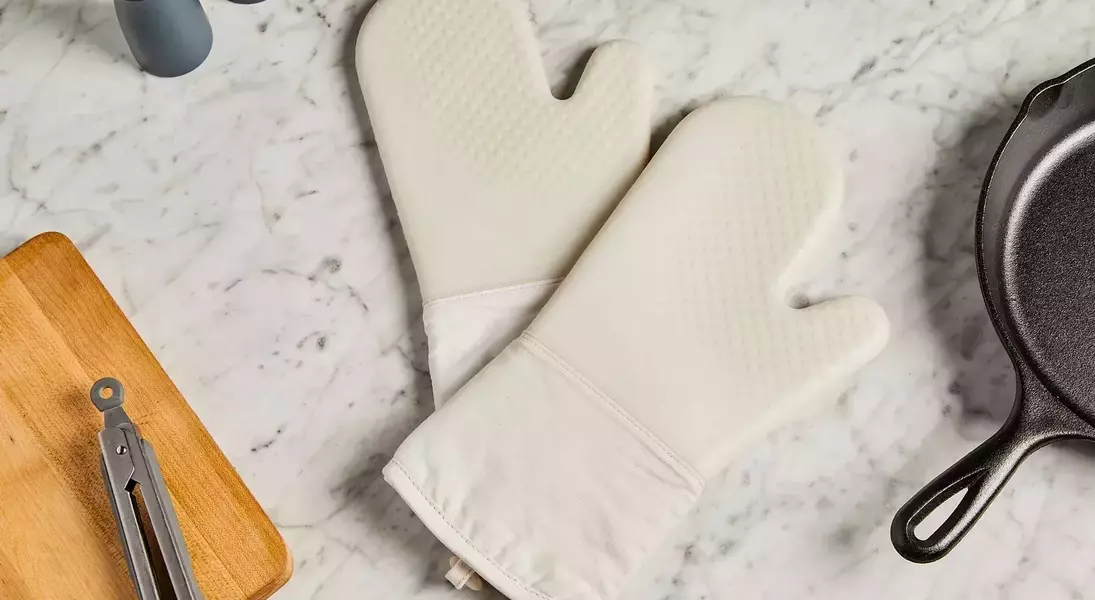
The OXO Silicone Oven Mitt consistently performed as a top contender, living up to its "Good Grips" name. Its silicone lining provided both a firm grip and excellent heat protection. Notably, its flexibility allowed for easy manipulation of various kitchen items, despite lacking a sleeve slit. The mitt's balanced thickness offered robust protection without excessive bulk.
Williams Sonoma Ultimate Oven Mitt: The Champion of High Heat
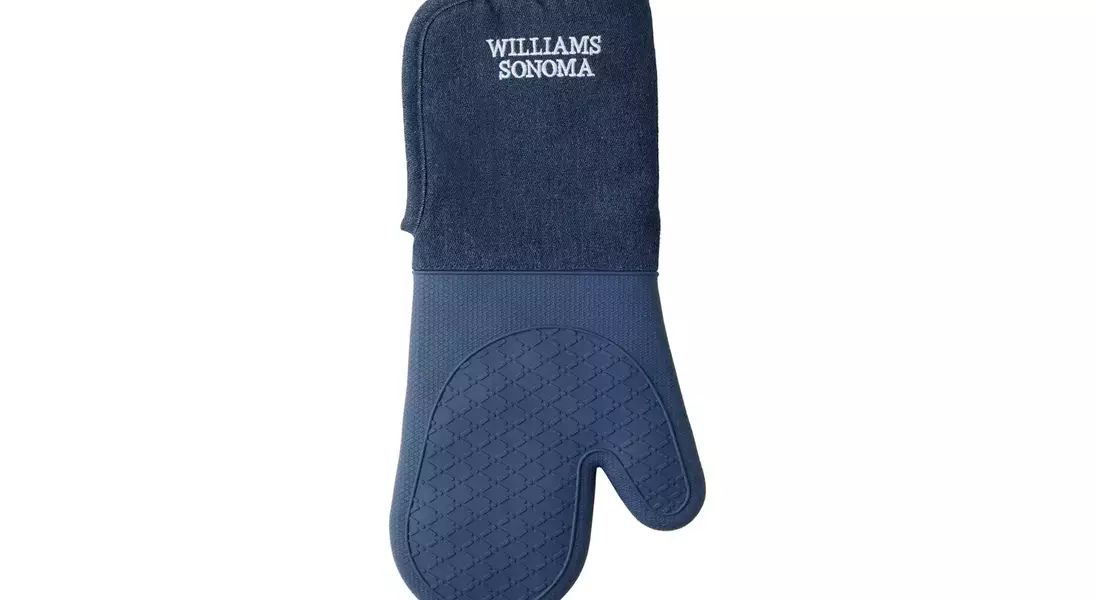
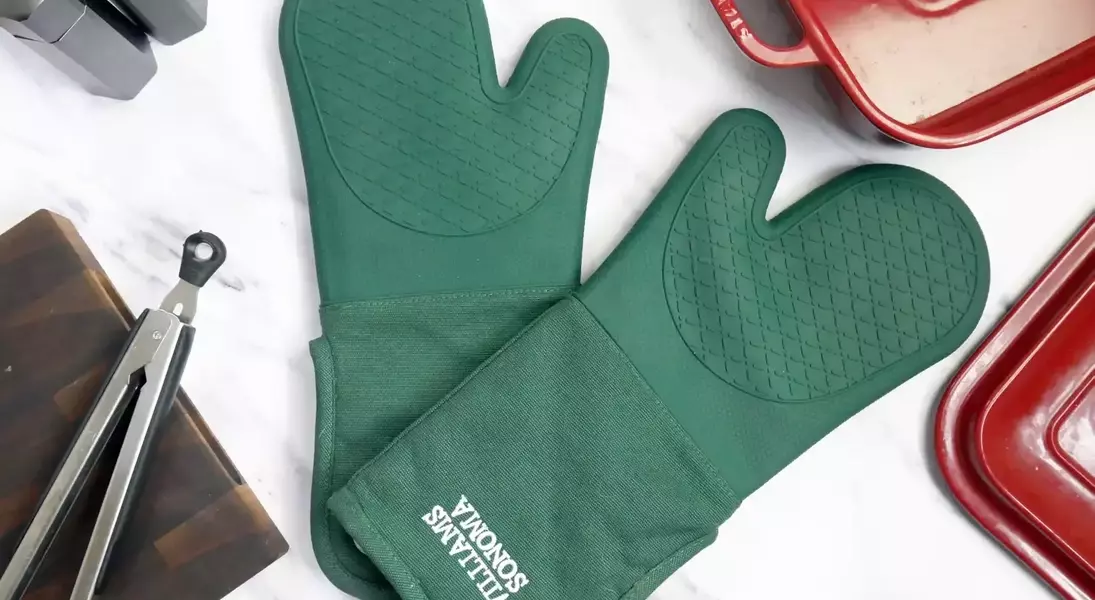
For high-heat applications, the Williams Sonoma Ultimate Oven Mitt excelled, providing protection for an impressive 44 seconds in direct heat tests. Its substantial thickness, combined with a silicone-lined grip and long, slit-equipped sleeves, ensured safety and ease of use. While its bulk might hinder fine motor tasks, its heat resistance is unparalleled.
King Arthur Flour Heavy Duty Oven Mitt: A Strong Contender for High Heat
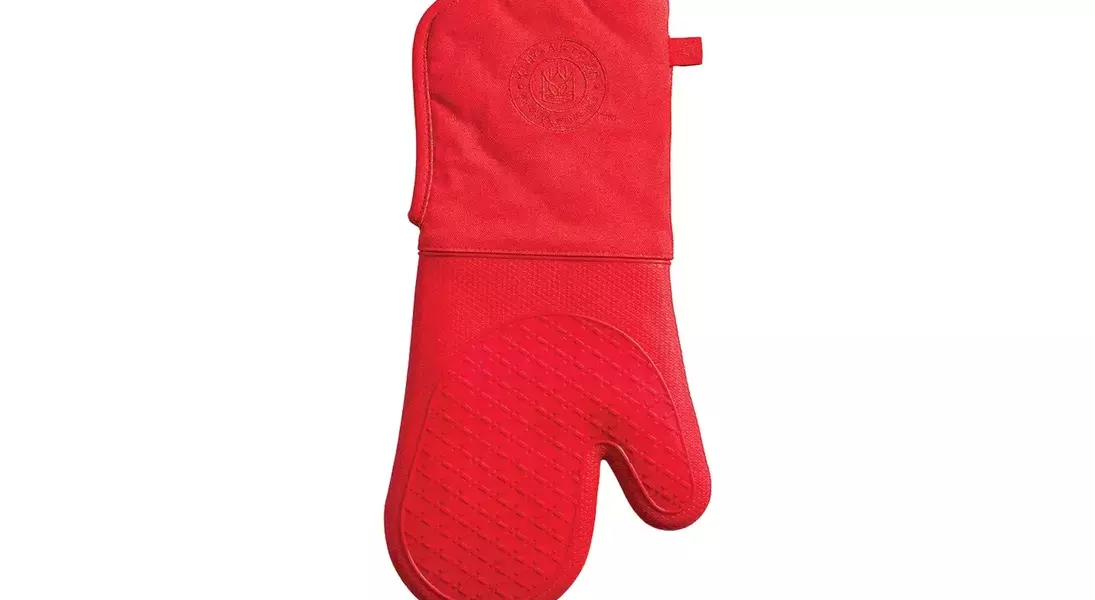
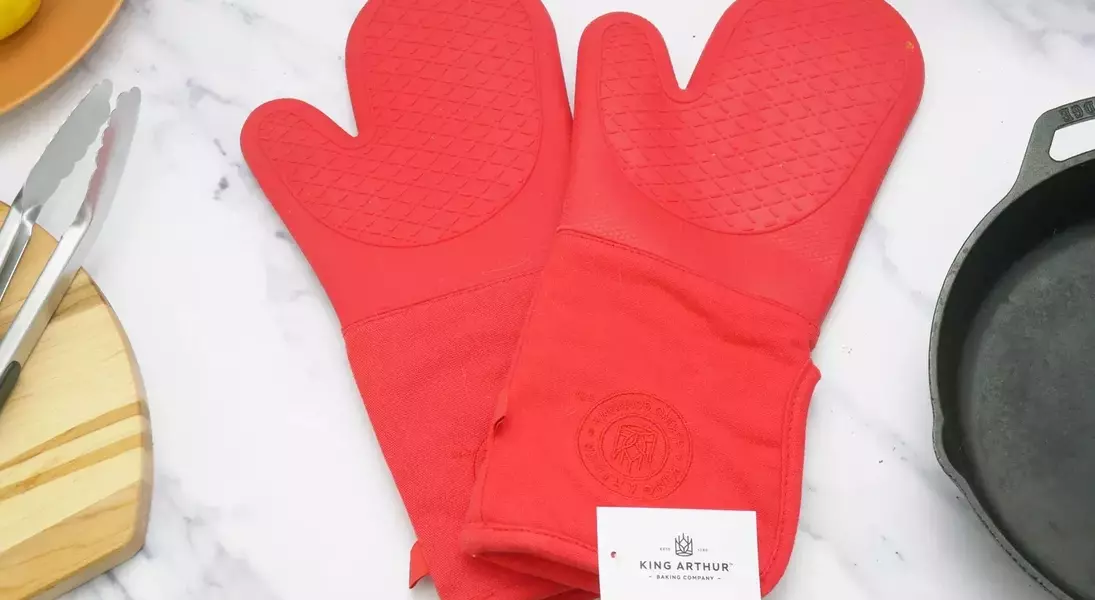
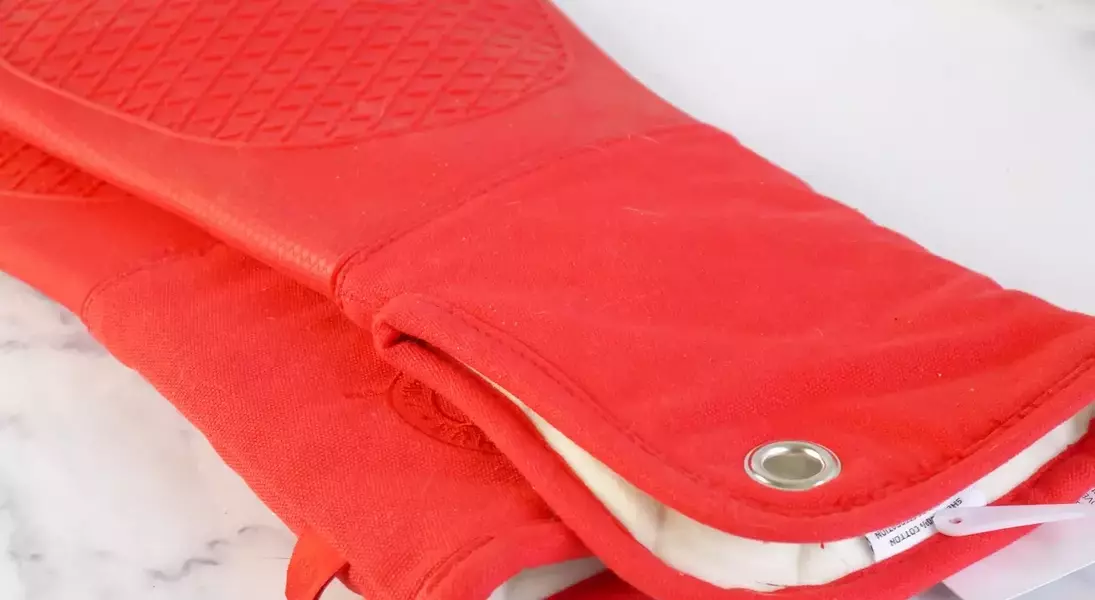
The King Arthur Flour Heavy Duty Oven Mitt closely mirrored the performance of the Williams Sonoma mitt, sharing similar design features like a silicone pattern, length, and hanging hole. It delivered comparable heat protection, positioning it as a close second for high-heat cooking. Its robust construction facilitates secure handling of heavy bakeware.
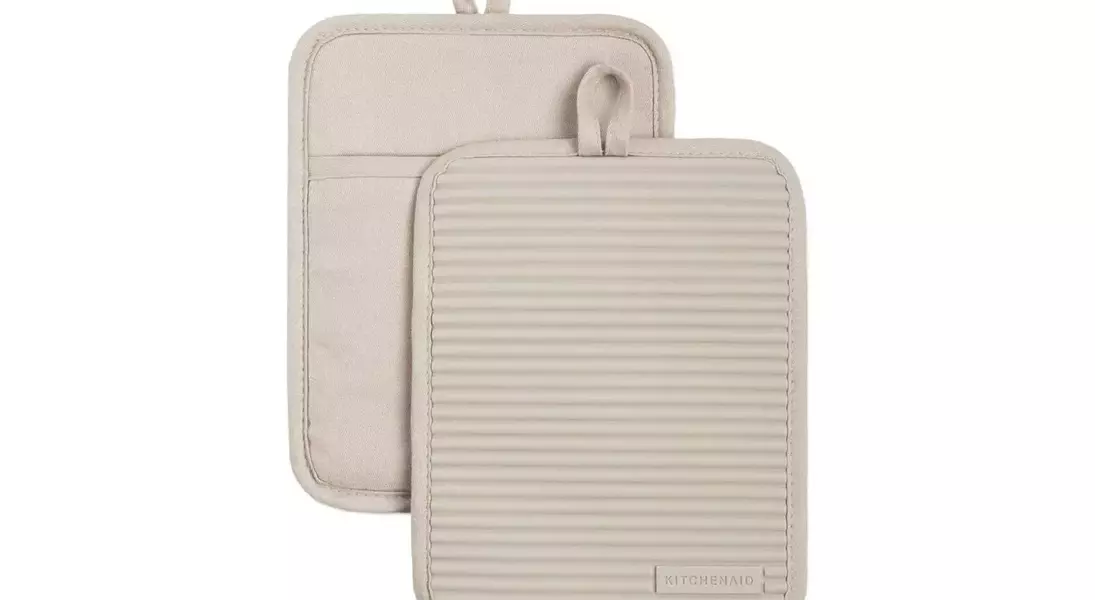
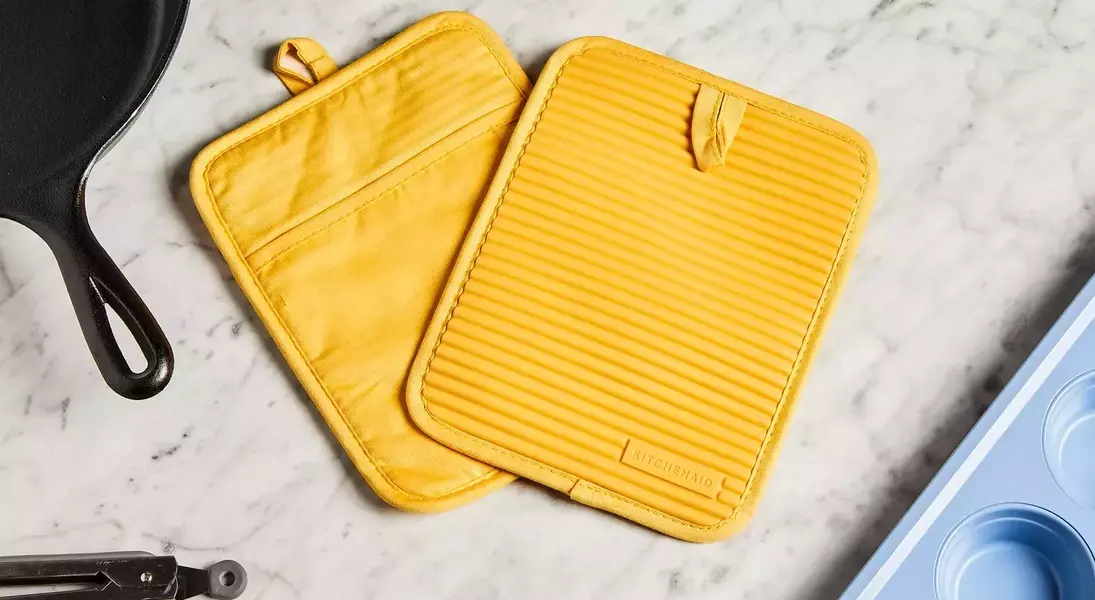
KitchenAid Ribbed Soft Silicone Pot Holder: Exceptional Value Under $15
Despite their thin profile, the KitchenAid Ribbed Soft Silicone Pot Holders defied expectations by offering impressive heat protection for 33 seconds. Their snug, seamed pockets provided a secure, glove-like fit, making them highly effective for grasping various kitchen items. Their flexibility further enhanced their usability, distinguishing them from other pot holders.
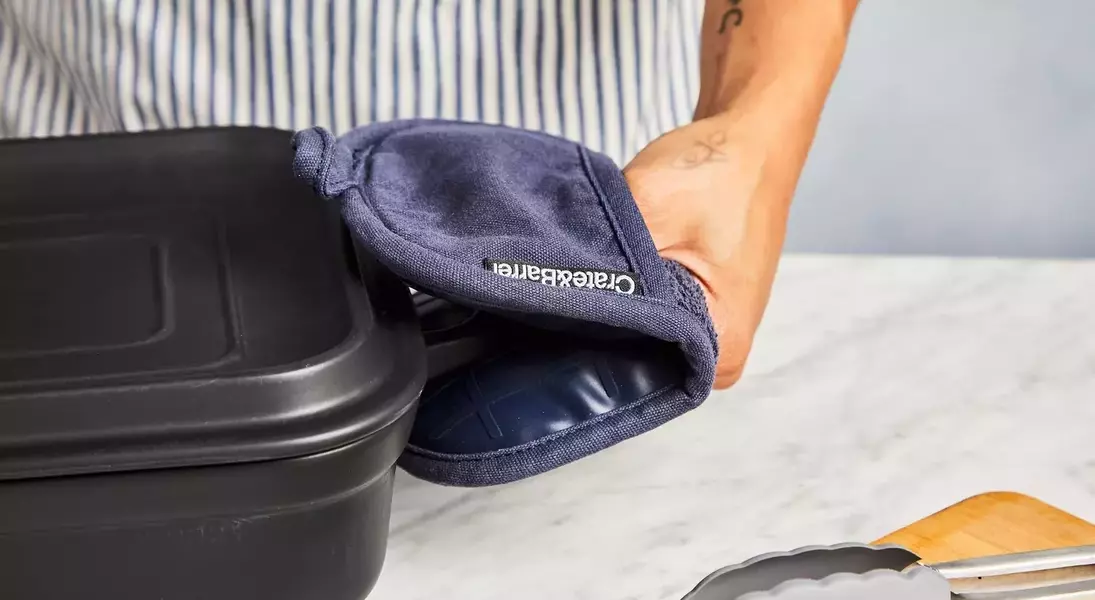
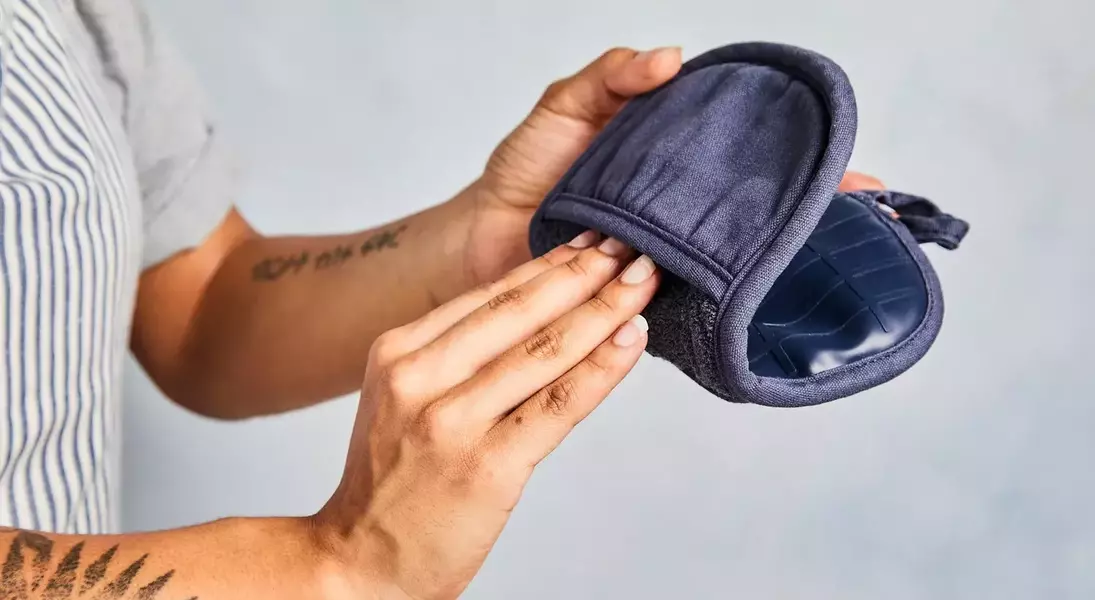
Crate & Barrel Pot Holders: The Best for Thicker Handwear
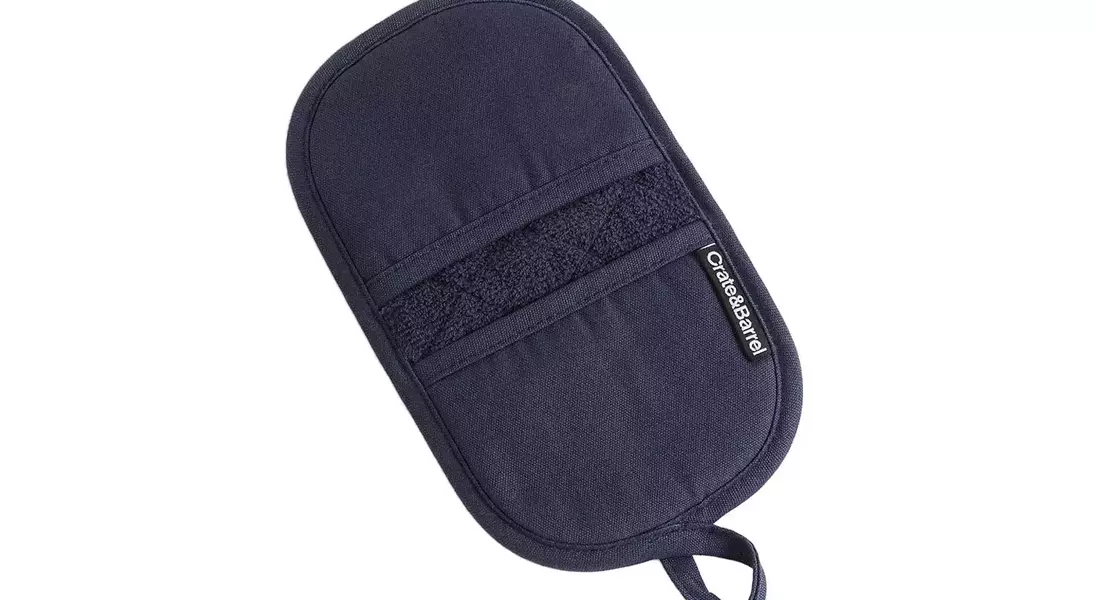
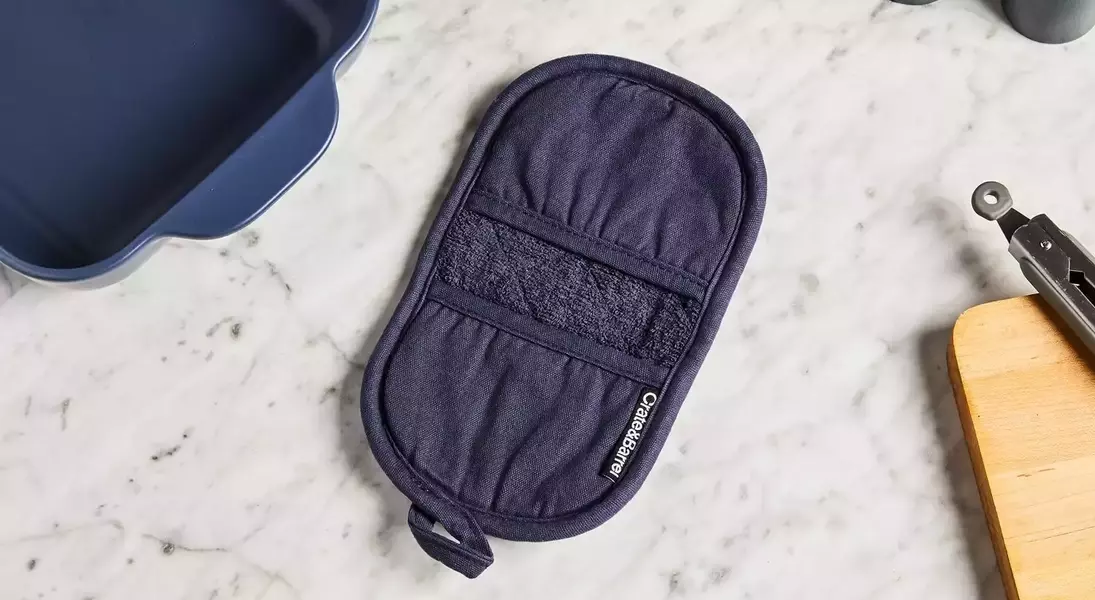
The Crate & Barrel Pot Holders stood out for their robust construction, making them ideal for handling heavy items like Dutch ovens. Featuring a silicone-lined side for grip and a thick terry cloth reverse, these holders offer superior insulation. Their compact size and small, secure pockets enhance control, and a hidden magnet adds convenience for storage.
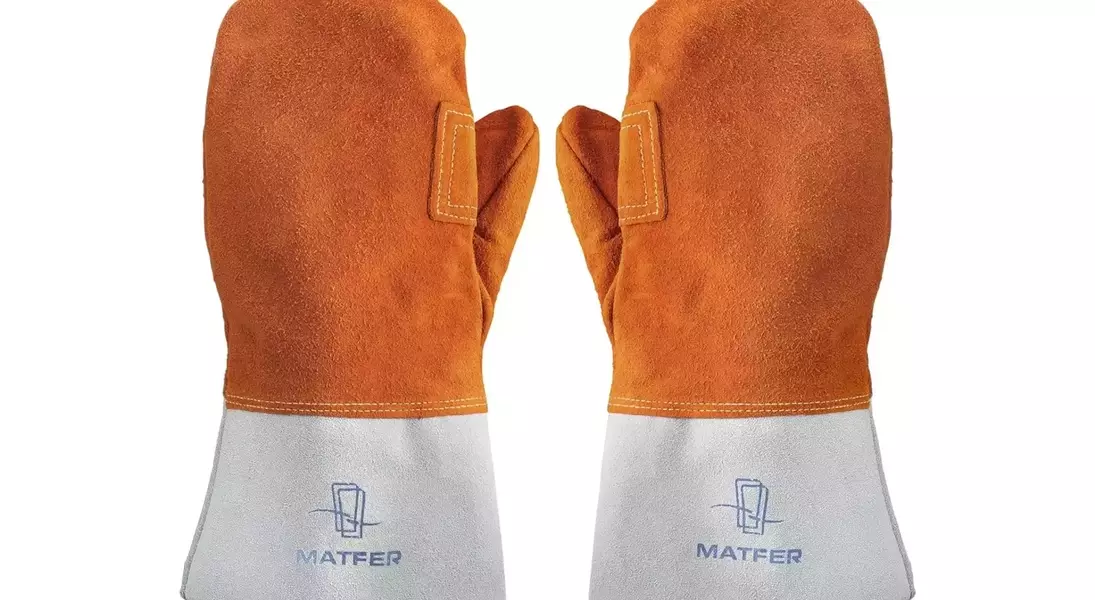
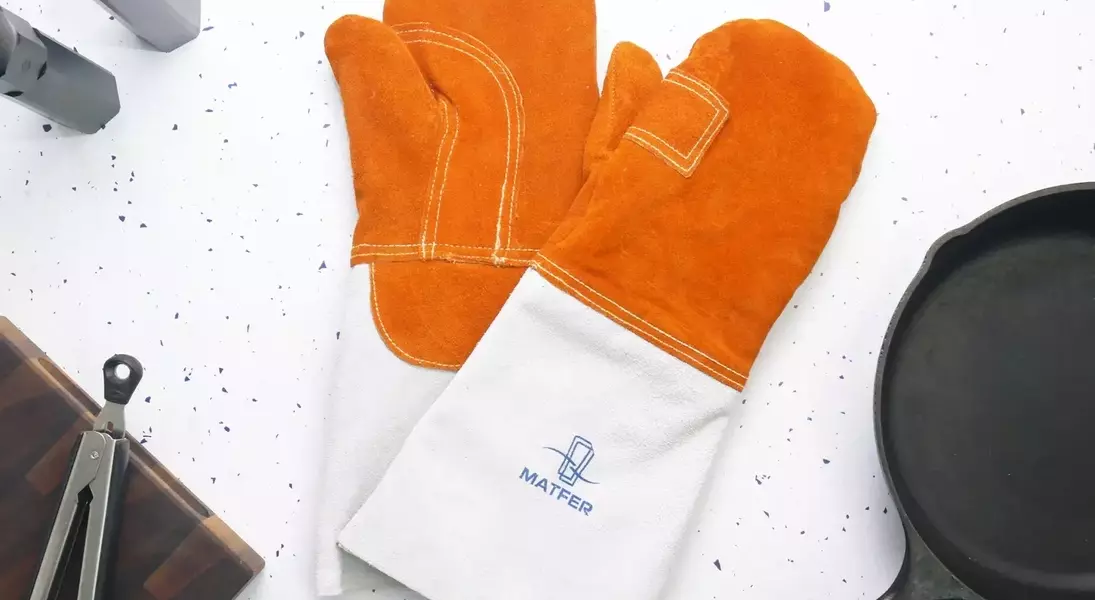
Matfer Bourgeat Protection Mitts: Optimal for Outdoor Culinary Adventures
Designed for demanding outdoor cooking scenarios, the Matfer Bourgeat Protection Mitts are a heavy-duty option crafted from leather with a wool lining. They provide ample arm protection and surprising hand flexibility, making them suitable for tasks like managing a charcoal grill or adjusting fire pit logs. Despite their ruggedness, their heat retention in tests was moderate, underscoring their specific use case.
