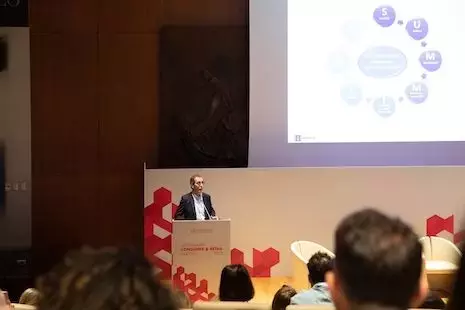
Global asset management firm AllianceBernstein is revisiting its projections for the luxury goods market. During a recent event hosted by Altagamma, Luca Solca, senior research analyst specializing in global luxury goods, shared insights on how evolving consumer trends and economic factors are influencing expectations within the industry. This adjustment reflects broader shifts in consumer behavior, supply chain dynamics, and shifting priorities among affluent buyers worldwide.
Rethinking Luxury Goods Performance Metrics
Luca Solca's analysis emphasizes the need to reassess traditional performance indicators in the luxury sector. The shift in consumer preferences has led firms like Bernstein to adopt more nuanced approaches when predicting sales growth. Factors such as sustainability, digital engagement, and regional demand patterns have become increasingly significant. These considerations now play a central role in shaping forecasts for luxury brands globally.
In today’s rapidly changing market environment, understanding consumer sentiment is crucial for accurate forecasting. For instance, younger demographics prioritize experiences over material possessions, while emerging markets exhibit distinct purchasing behaviors compared to established ones. Additionally, geopolitical tensions and macroeconomic uncertainties further complicate predictions. By integrating these variables into their models, analysts aim to provide a clearer picture of potential outcomes in the luxury goods space. This holistic approach ensures that stakeholders receive actionable insights tailored to current realities rather than outdated assumptions.
Exploring New Growth Opportunities in Luxury Markets
As part of this recalibration effort, Bernstein explores untapped opportunities within the luxury sector. Emphasis lies on leveraging technological advancements, expanding product offerings, and enhancing customer experiences through innovation. Brands embracing these strategies may find themselves better positioned to capitalize on evolving demands across diverse geographies. Furthermore, partnerships with local influencers and cultural ambassadors could amplify brand visibility in key regions.
Specifically, digital transformation plays an essential role in driving future success for luxury companies. Online platforms offer unprecedented access to global audiences, enabling personalized marketing campaigns and streamlined distribution channels. At the same time, physical retail spaces continue to evolve, incorporating interactive elements designed to engage shoppers in unique ways. Such initiatives not only strengthen brand loyalty but also foster long-term relationships between businesses and their clientele. Ultimately, adopting forward-thinking practices will help luxury players navigate challenges while seizing promising new avenues for expansion.
