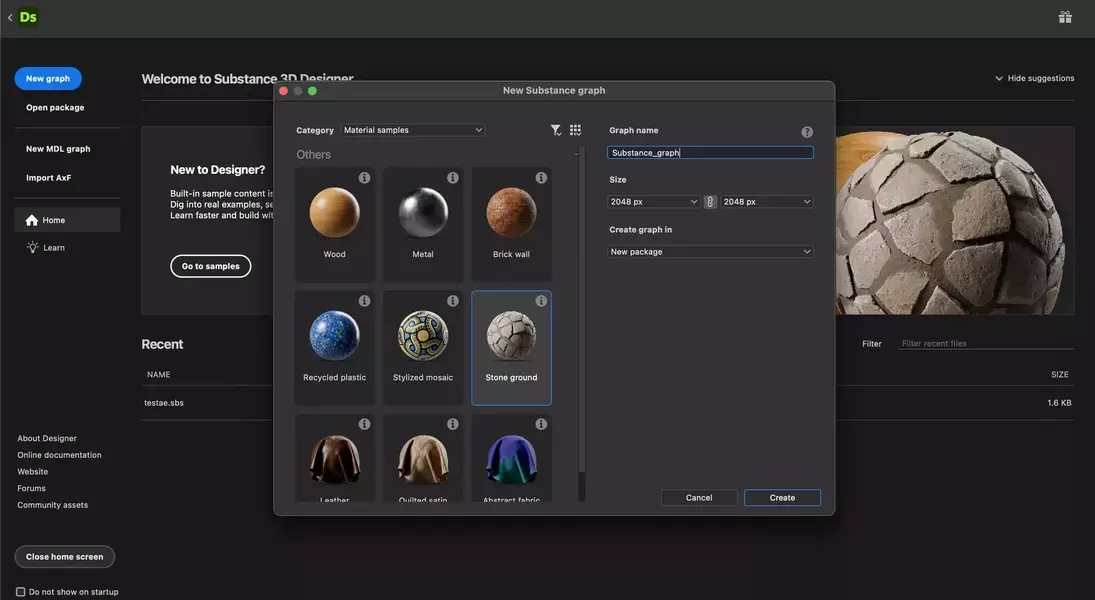
Renowned game designer Bennett Foddy, the creative force behind unique physics-based titles such as "QWOP" and "Getting Over It with Bennett Foddy," recently offered a glimpse into his personal gaming world and creative philosophy. Starting his gaming journey on a ZX Spectrum at five years old, Foddy's early experiences with games like "Zork" and "NetHack" ignited a lifelong passion. After teaching himself programming in 2006, he released "QWOP" two years later, a game that unexpectedly became an online phenomenon due to its challenging ragdoll physics. His work often explores the boundaries of frustrating yet captivating gameplay, a concept further refined in his latest collaboration, "Baby Steps." Currently, Foddy finds solace in highly automated roguelikes like "Brogue" and expresses a complex relationship with vast, unfinished games like "Baldur's Gate 3." Beyond gaming, he highlights the indispensable role of non-gaming software, particularly Substance Designer, in his creative toolkit.
A Deep Dive into Bennett Foddy's Gaming Universe and Design Philosophy
In a recent interview, Bennett Foddy recounted his formative gaming experiences, beginning with a ZX Spectrum at the tender age of five. He later explored titles like "Zork" and "NetHack" on the Commodore Amiga and PC, an era he describes as foundational, even involving printed game FAQs from his sister. This early immersion fostered a deep appreciation for the mechanics and narratives of video games. Foddy's career took a significant turn in 2008 with the release of "QWOP," a game that achieved viral success despite its deliberately difficult controls. This unique approach to design, focusing on physics-based slapstick, became a hallmark of his work, evident in subsequent titles like "GIRP" and "Getting Over It with Bennett Foddy."
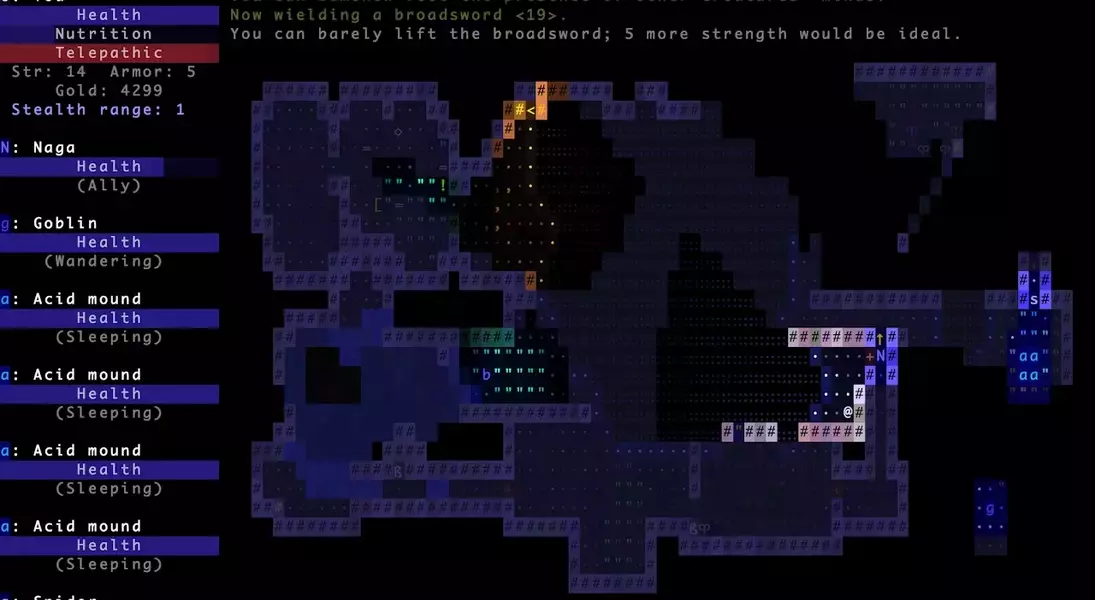
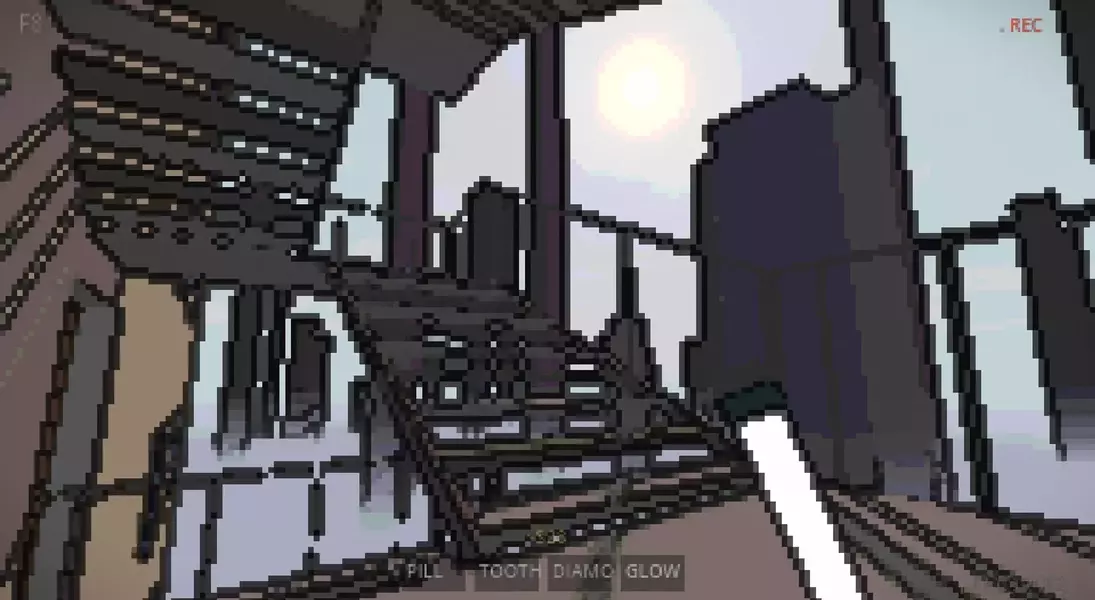
His most recent project, "Baby Steps," an open-world hiking simulator developed with Gabe Cuzillo and Maxi Boch, was a six-year endeavor that expanded upon his signature design principles. Foddy expressed satisfaction that the game resonated with players, defying initial concerns that it might be perceived solely as a "rage game." Reflecting on his current gaming habits, Foddy revealed he often returns to "Brogue," an open-source roguelike that allows for automated play, perfect for moments when he seeks low-effort engagement. He noted the recent release of "NetHack 5" as a significant event for roguelike enthusiasts.
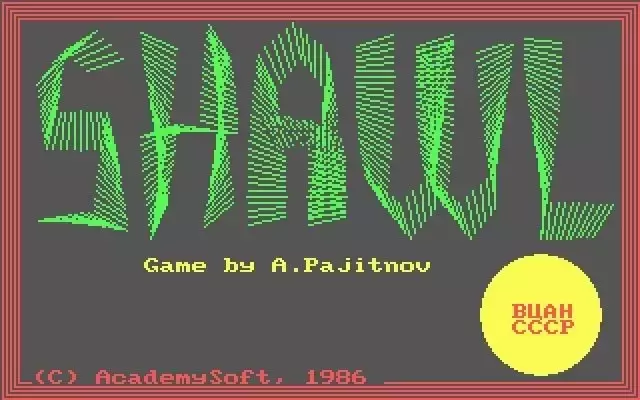
Foddy also discussed his fascination with the game development landscape, particularly the rise of "friendslop" games—multiplayer titles designed to minimize server strain, making them easily scalable. He cited "Subfloor" as a recent example of this trend, a horror game he enjoyed with a friend but then moved on from. He drew parallels between his own experience with "QWOP" and that of Tetris creator Alexei Pajitnov, who, despite being a prolific designer, struggled to replicate the accidental success of his most famous creation. Foddy himself keeps Pajitnov's 1986 DOS game "Shawl" installed, valuing its abstract gameplay, even if he admits it isn't particularly good.
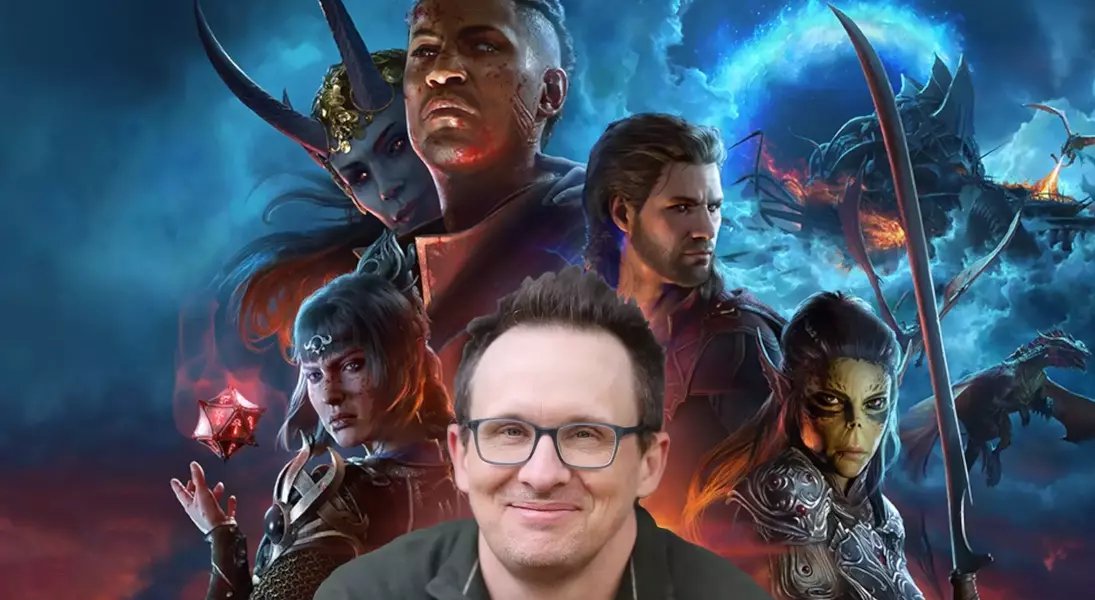
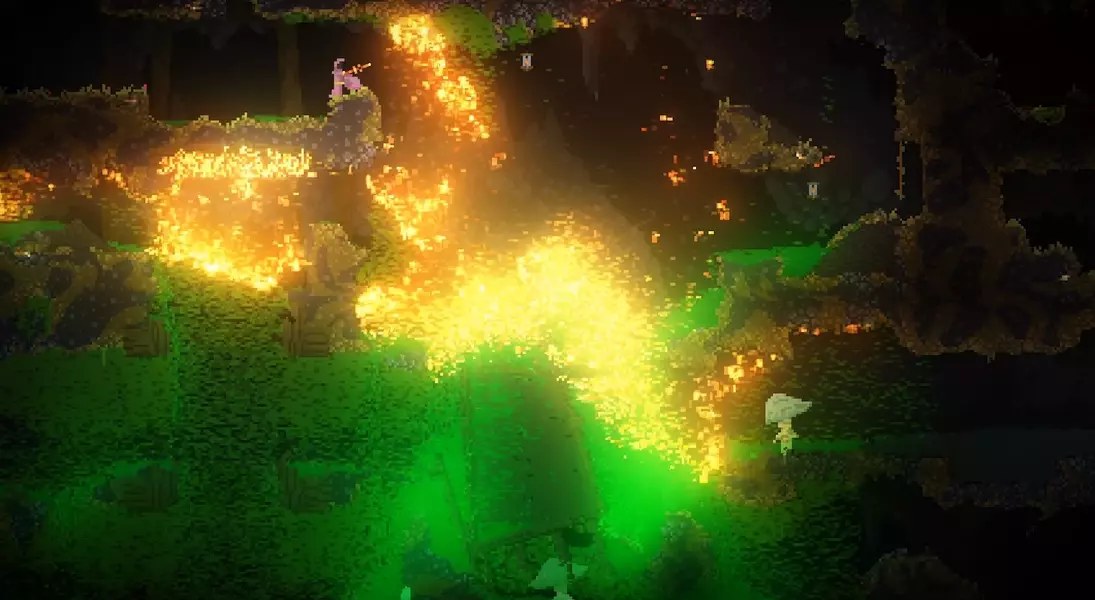
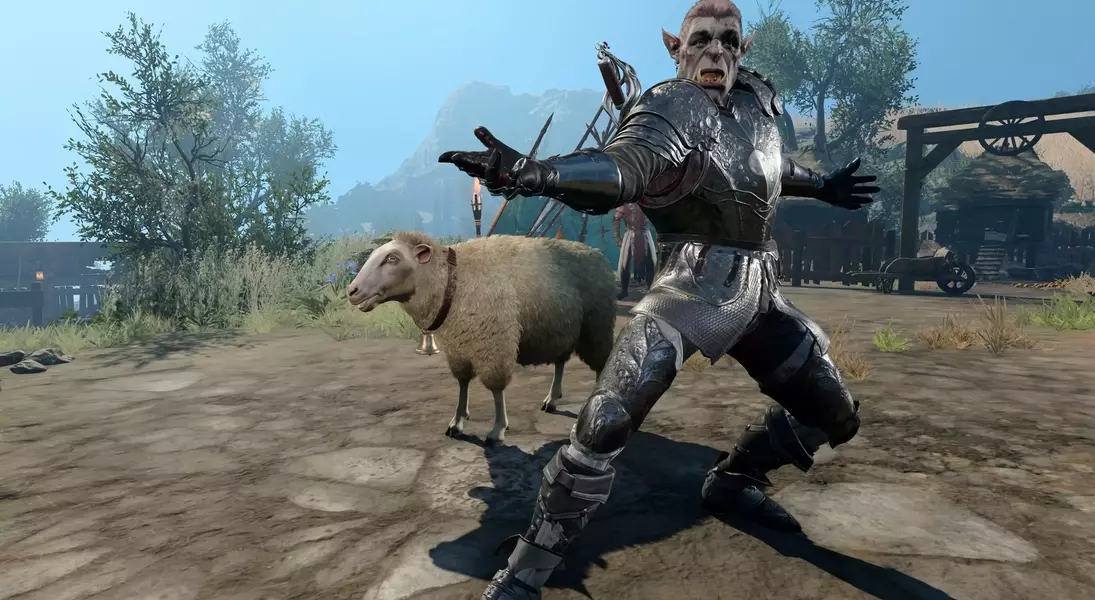
When asked about the game he has played the most, Foddy humorously dismissed his 300 hours in "Dark Souls 2" and "Elite Dangerous" as likely inflated due to leaving his computer on at his NYU office. His true time sink, he believes, is the 280 hours spent in "Noita," a game he deeply admires for its aesthetic, complex physics, and the incredible design achievement of managing chaos within the system. Finally, despite his pragmatic approach to uninstalling games, "Baldur's Gate 3" remains on his hard drive. He enjoyed Acts 1 and 2 but found Act 3 too daunting, leaving him with an unresolved sense of attachment to its characters and progress.
Bennett Foddy's insights offer a compelling perspective on the evolution of game design, the psychological intricacies of player engagement, and the personal journey of a creator. His ability to find inspiration in both retro classics and cutting-edge software, coupled with his candid reflections on the triumphs and challenges of game development, underscores the multifaceted nature of his creative process. It's a reminder that even for seasoned designers, the pursuit of captivating and meaningful interactive experiences is an ongoing exploration.
