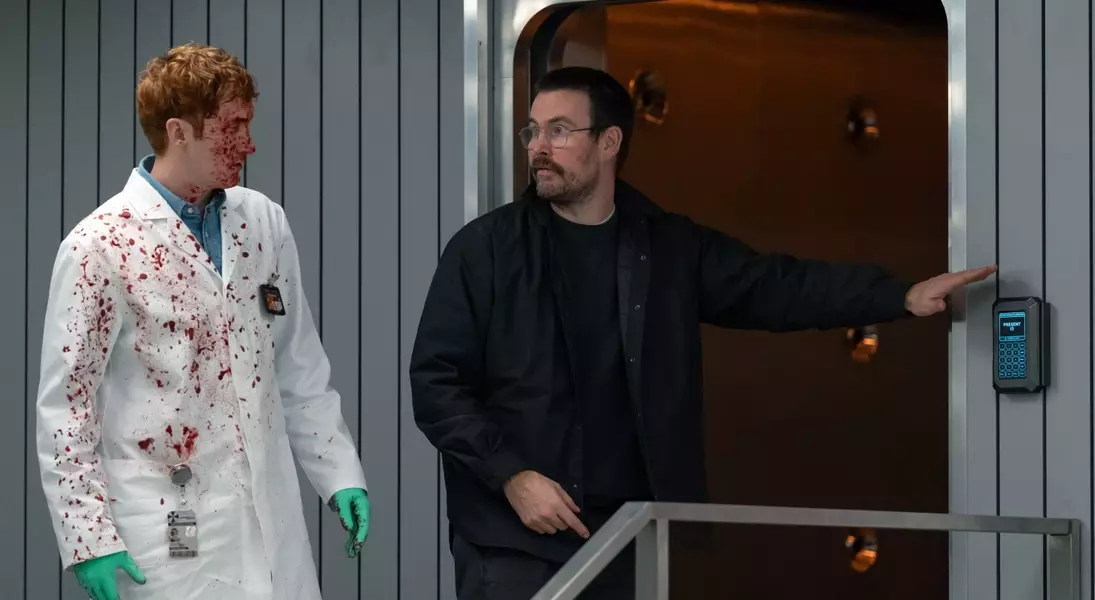
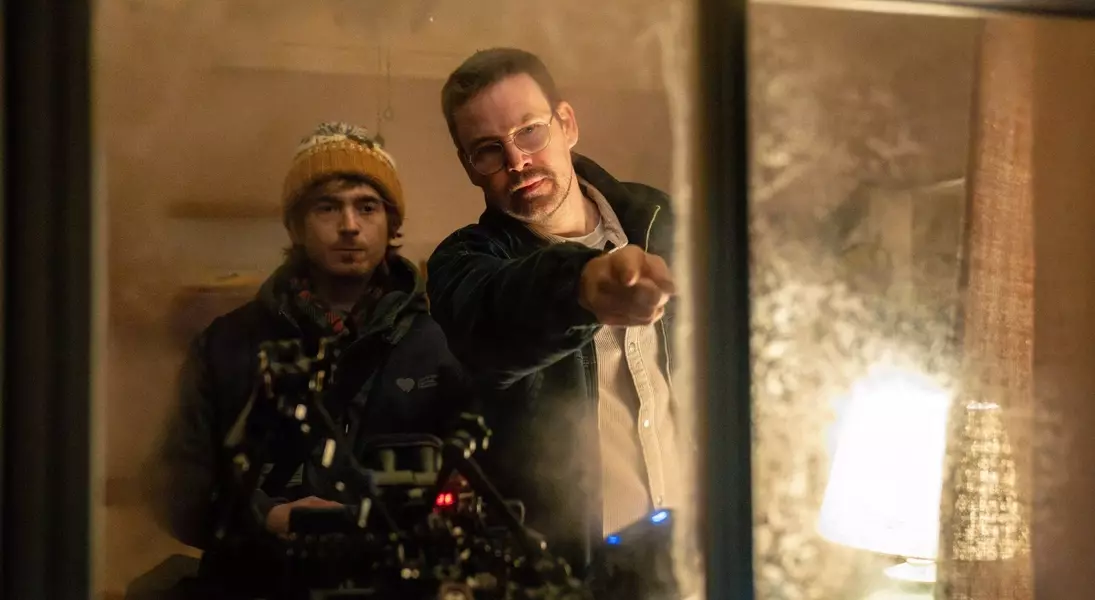
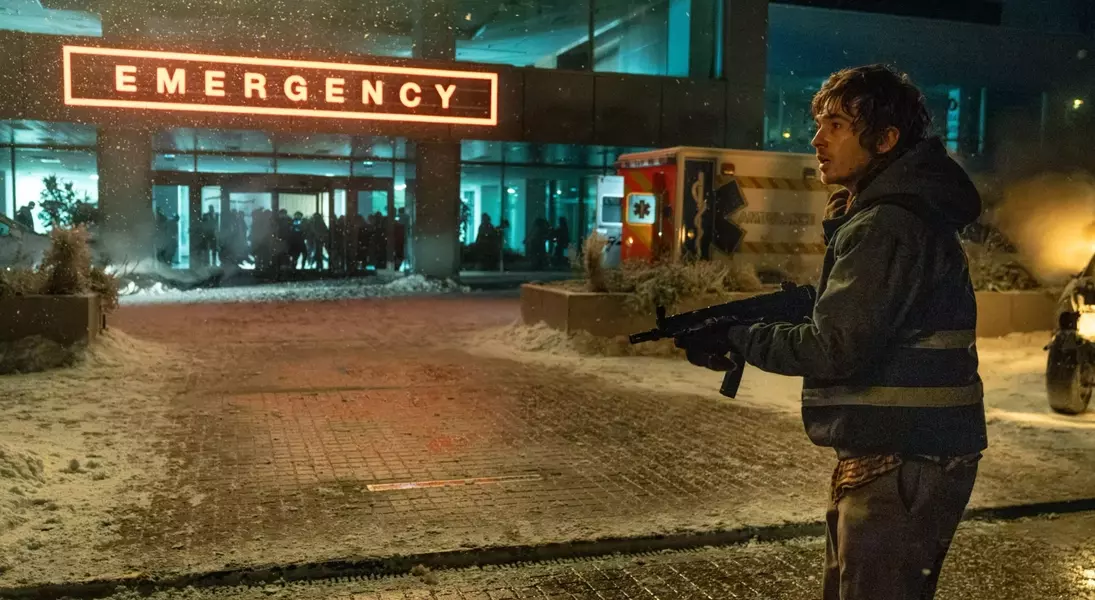
Zach Cregger's latest film, 'Resident Evil,' immerses its audience in a truly terrifying world, largely due to the remarkable dedication to practical effects and meticulous set design. The production transformed a massive Prague sound stage into the grim Raccoon City, where the air was thick with the scent of latex from grotesque props, the sharp tang of burning metal, and the sweet, cloying odor of vast quantities of fake blood. This commitment to tangible horror is evident throughout the film, particularly in its most unsettling sequences. From the sprawling sewer system to the towering, intricate elevator shaft and the deeply disturbing maternity ward, every environment and creature was crafted with an extraordinary level of detail to maximize the audience's dread. This immersive approach ensured that the film's horror felt viscerally real, drawing viewers deeper into its nightmarish landscape.
The meticulous construction of these environments, including the unnerving creatures that inhabit them, was a significant undertaking. The 'fat man' creature in the sewer, a colossal hand-sculpted figure, and the mechanical precision required for the five-story elevator sequence, stand as testaments to the crew's ingenuity. These practical elements, enhanced by targeted visual effects, created a seamless blend of the real and the fantastical. The film's unique take on classic horror tropes, such as the introduction of mutant babies in the maternity ward, further elevated its scare factor. This blending of traditional craftsmanship with innovative techniques not only paid homage to the franchise's roots but also pushed the boundaries of contemporary horror filmmaking, resulting in a cinematic experience that is both chillingly authentic and groundbreaking.
Crafting the Terrors: The Sewer and the Elevator
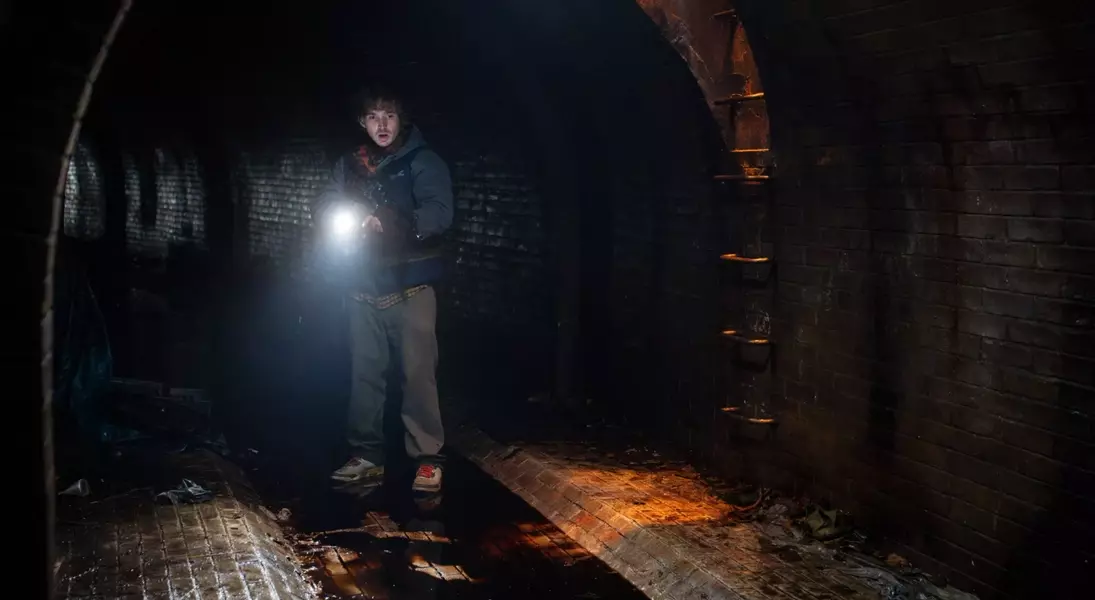
The production of 'Resident Evil' placed a significant emphasis on creating immersive and disturbing environments through practical effects. The sewer scene, where Bryan encounters a grotesque, rat-filled monster, exemplified this commitment. The set was not just visually detailed but also designed to engage other senses, with its dark, claustrophobic atmosphere and the simulated feel of walking through liquid. The 'fat man' creature, a central element of this sequence, was a marvel of practical design, hand-sculpted to achieve an organic and repulsive texture. Its internal mechanisms, using pneumatic bladders, brought the creature to life with unsettling wheezing and the horrifying eruption of its rat-infested gut. Each rat prop was individually designed, contributing to the scene's visceral impact.
Similarly, the elevator sequence presented its own set of practical challenges and triumphs. Building a functional five-story elevator on set, complete with heavy steel and safety certifications, was an ambitious endeavor. This commitment to realism allowed for dynamic camera work, with a special rig tracking Bryan's perilous ascent. The destruction of the elevator by the acid-spewing 'Puker' monster further highlighted the ingenuity of the special effects team. An actor wore a rig that sprayed gallons of methyl cellulose, creating a convincingly corrosive effect. The ability to swap elevator panels with dissolving sculptures, combined with subtle visual effects for sizzling edges, created a seamless and harrowing action sequence, demonstrating the power of combining practical and digital techniques.
The Chilling Nursery: Mutant Babies and Visceral Horror
One of the most disturbing and memorable sequences in 'Resident Evil' unfolds within the maternity ward, where Bryan confronts his anxieties about parenthood through a horrifying manifestation of the t-virus. Director Zach Cregger intentionally designed this scene to introduce new and unsettling creatures to the 'Resident Evil' universe, focusing on the concept of mutant babies. This approach allowed the film to explore themes of corrupted innocence and visceral fear, pushing the boundaries of what audiences might expect from the franchise. The Legacy Effects team created an array of these creatures, ranging from animatronic infants with elongated limbs and multiple eyes to a variety of squirming, tentacled mutants, each meticulously crafted to amplify the sense of dread.
The maternity ward set itself was a masterclass in immersive horror, utilizing an immense amount of fake blood—500 gallons to cover the floor, with more added after each take to obscure footprints. Red, embryo-like pods connected to the walls by tentacle-like veins dominated the room, requiring extensive handcrafting over several weeks. Hidden extras and stunt performers burst from these fiberglass eggs in a terrifying, twisted parody of birth, chasing Bryan through the blood-soaked environment. These practical elements, including the detailed animatronics, the unsettling set dressing like a blood-spattered feeding schedule, and the raw physical performances, combined to create a truly unforgettable and deeply unsettling experience. The scene’s success underscores the effectiveness of practical effects in conveying a sense of tangible, immediate horror, making the film's nightmarish vision feel incredibly real.
