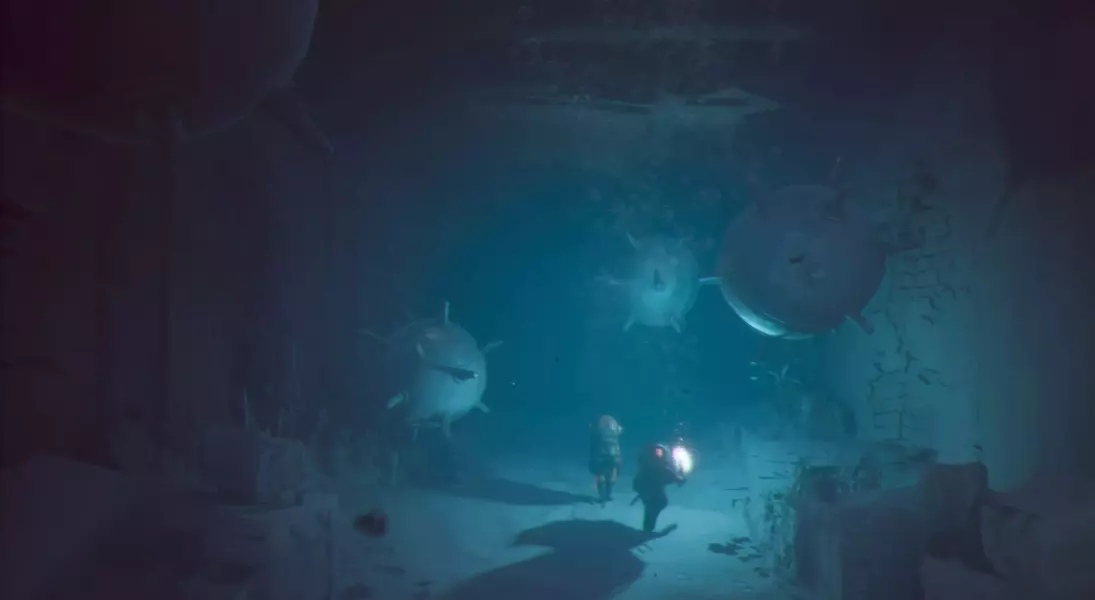
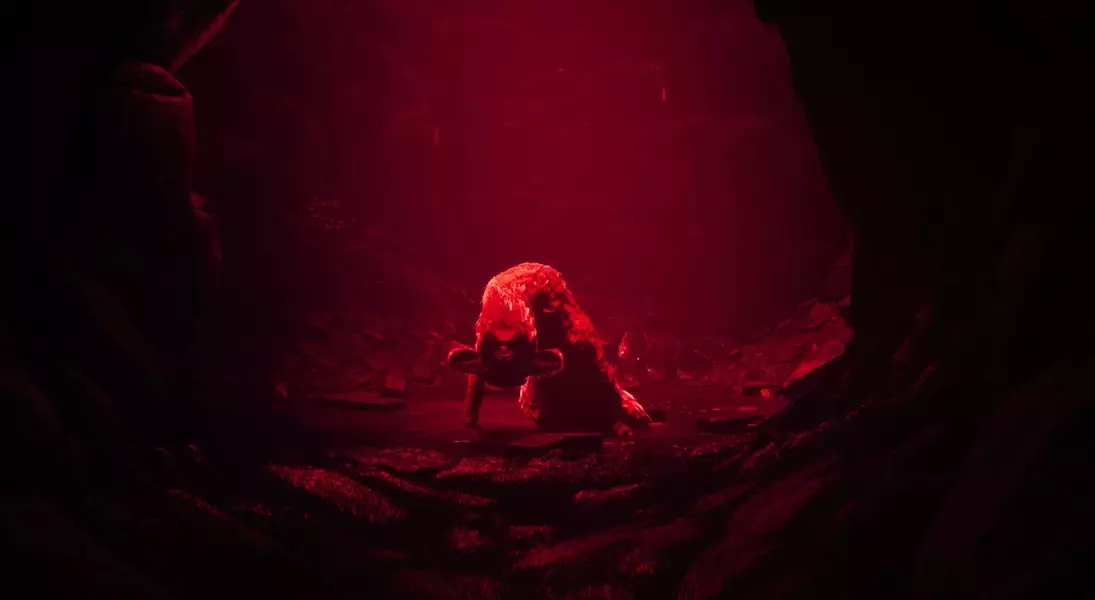

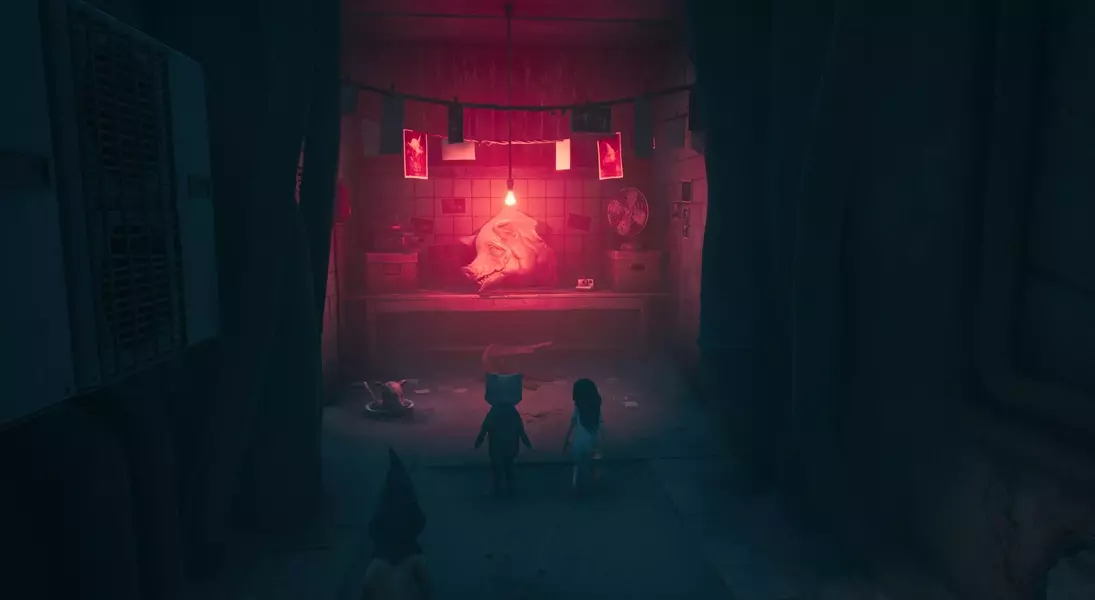
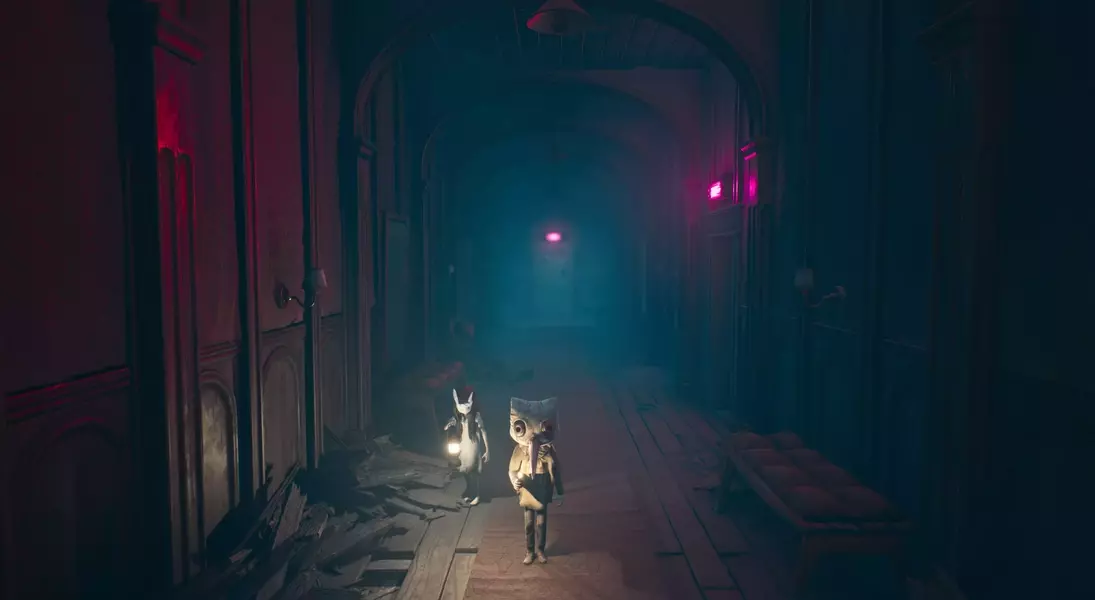
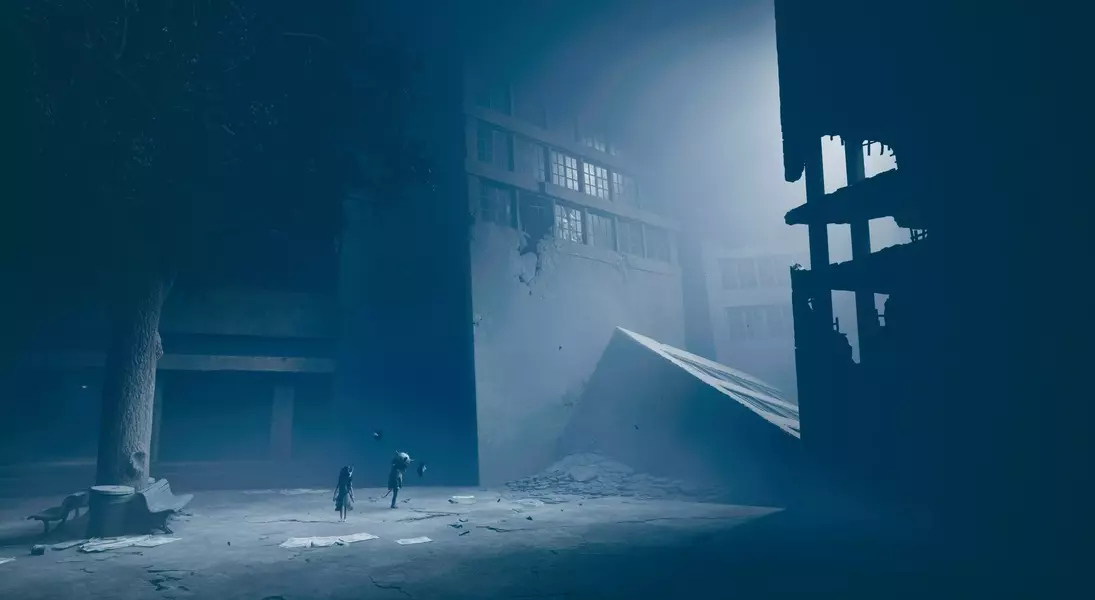
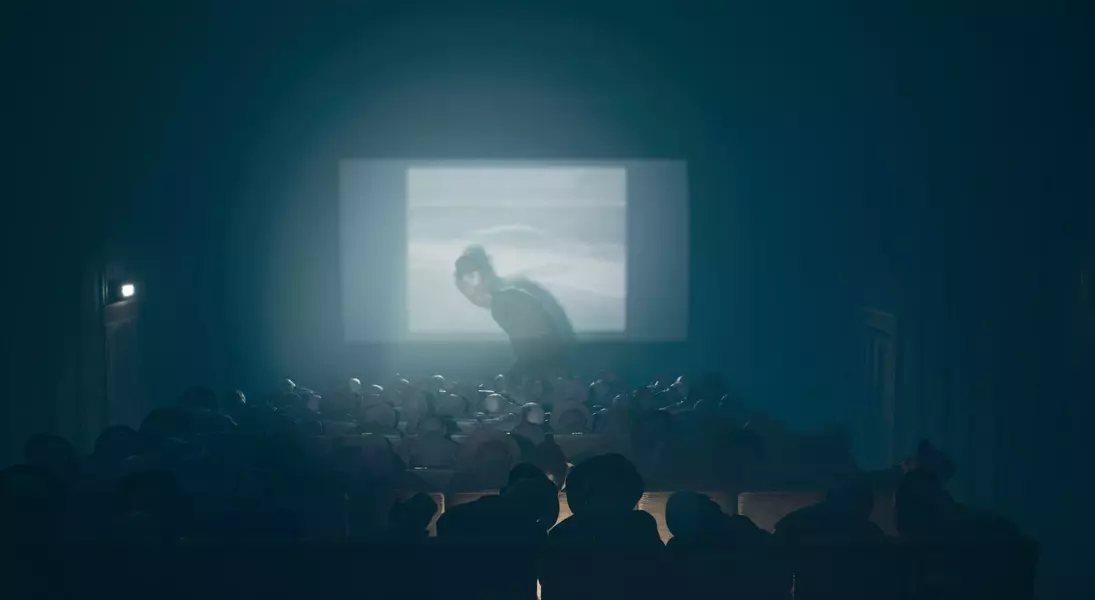
Tarsier Studios, renowned for its atmospheric horror titles, has once again pushed boundaries with its latest release, Reanimal. This game distinguishes itself not only through its chilling environments and unsettling creatures but also through its complex design decisions. The creators faced numerous hurdles, particularly concerning the unconventional camera perspectives that enhance the game's immersive horror. Through candid discussions, the development team has shed light on their journey, revealing the intricate thought process behind Reanimal's unique blend of narrative depth and gameplay innovation. They aimed to craft an experience that is both visually arresting and deeply unsettling, steering clear of conventional horror tropes to deliver something truly memorable for players.
Reanimal's core experience revolves around a powerful narrative centered on orphaned siblings navigating a treacherous world. This story delves into themes of resilience, peril, and the unwavering bond between the characters as they strive to protect their companions. The title itself, a clever twist on the word "animal," reflects the game's thematic undercurrents rather than its literal content, encapsulating notions of primal instinct, vulnerability, and inherent wildness. The developers intentionally moved away from overt exposition, opting instead for a more subtle, interpretive storytelling approach. This method encourages players to engage deeply with the game's world, piece together its lore, and form their own understandings, offering a richer and more personal narrative experience that contrasts with their previous, more minimalist works.
The Art of Storytelling: Crafting Reanimal's Narrative and Character
Reanimal's narrative director, David Mervik, reveals that the title's name, while seemingly straightforward, carries profound layers of meaning. Initially, the team considered the simpler "Animal," appreciating its dual connotations of innocence and aggression. However, practical concerns regarding search engine optimization led to the creation of "Reanimal," a name that cleverly incorporates "reanimation," "anima," and "animal" to reflect the game's diverse themes. This strategic naming choice allows the game to convey its emotional depth and thematic complexity without sacrificing discoverability. The narrative itself is a departure from the studio's previous, more minimalist works, offering a more plot-driven experience while still encouraging player interpretation. This balance was achieved through carefully integrated dialogue, designed to provide more context without resorting to overly explicit exposition, a storytelling approach Mervik actively sought to avoid.
The character design in Reanimal further emphasizes this grounded, realistic approach to horror. Unlike the vibrant, contrasting attire of protagonists in Little Nightmares, Reanimal's characters are designed to blend seamlessly into their desolate surroundings. This visual choice reinforces the idea that the characters are an intrinsic part of their world, not outsiders. Andreas Johnsson, co-founder of Tarsier Studios, explains that this aesthetic choice creates a sense of belonging and familiarity within the game's grim setting, heightening the emotional impact of their journey. The narrative deliberately avoids the pitfalls of "second-screen entertainment," where players are expected to multitask while consuming content. Instead, Reanimal demands full immersion, fostering an environment where every visual detail and every piece of dialogue contributes to a cohesive, impactful story, pushing players to engage actively with the unfolding drama.
Innovations in Immersion: Dynamic Camera and Co-op Gameplay
One of Reanimal's most significant innovations lies in its dynamic camera system, a deliberate departure from the fixed perspectives of Little Nightmares. This fluid camera continuously adjusts, zooming in and out, and shifting angles to emphasize specific elements and guide player attention. Andreas Johnsson highlights that this grandiose cinematic approach allows the developers to meticulously compose each scene, ensuring players witness crucial moments from the most impactful vantage point. This design choice, while presenting considerable challenges for level design and gameplay mechanics, was essential for achieving the desired sense of scale and dramatic tension. The dynamic camera not only enhances the visual storytelling but also serves as a critical tool for building suspense and driving the horror experience, seamlessly integrating environmental cues with character actions.
The decision to prioritize a dynamic camera also profoundly influenced Reanimal's co-op gameplay. While split-screen might have been a simpler solution for cooperative play, the developers deliberately rejected it, finding that it diminished the game's immersive and frightening atmosphere. David Mervik explains that sharing a single, dynamic camera forces players to experience the terror together, enhancing the shared sense of vulnerability and camaraderie. This approach ensures that the fear is amplified and shared, creating a more cohesive and impactful horror experience. Furthermore, the game's design carefully balances the AI companion's helpfulness with avoiding excessive predictability, ensuring that solo players still feel in control. This meticulous attention to both camera mechanics and cooperative dynamics underscores Tarsier Studios' commitment to delivering a uniquely immersive and terrifying journey, whether playing alone or with a friend.
