Logitech's headquarters in Lausanne, Switzerland, recently offered an in-depth look into the intricate process of creating their gaming mice. This behind-the-scenes tour revealed the comprehensive design and testing protocols that ensure each product meets the high standards expected by gamers. While the G Pro X2 Superstrike was a focal point, the visit underscored the significant evolution in mouse development over the past decade.
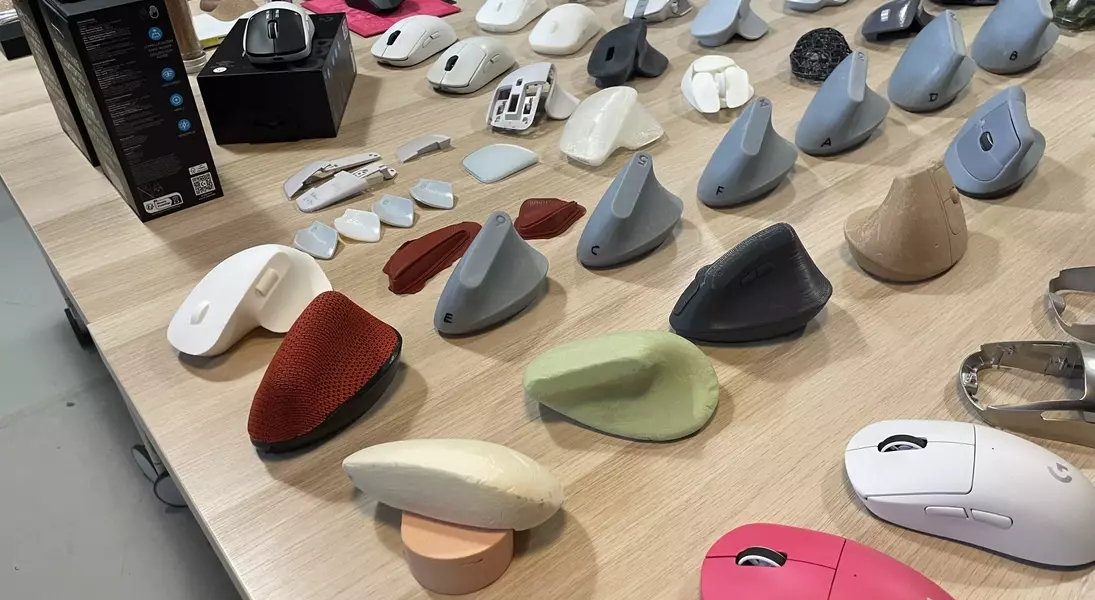
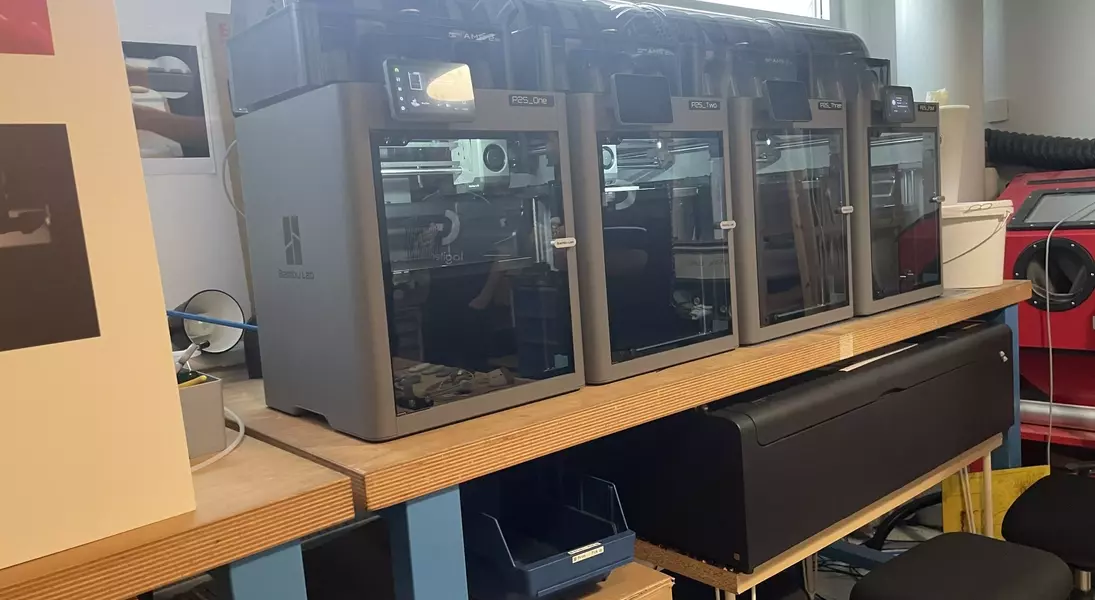
The journey of a gaming mouse at Logitech begins with ideation, often sparked during informal discussions among engineers. Industrial design head, Nick Jinkinson, highlighted the experimental nature of this phase, where unconventional ideas, like extremely lightweight mice made of plastic strands or those with minimal internal components, are explored. These concepts are rapidly prototyped using 3D printers, but traditional methods also play a crucial role. Designers often start by hand-carving shapes from wood blocks, emphasizing the importance of tactile feedback for ergonomic considerations, especially for handheld devices. This hands-on approach is complemented by scientific ergonomic testing, utilizing wrist pressure pads and electrode pads to analyze muscle engagement and pressure distribution, informing designs that balance comfort with performance. This blend of artistry and science ensures that both form and function are optimized.
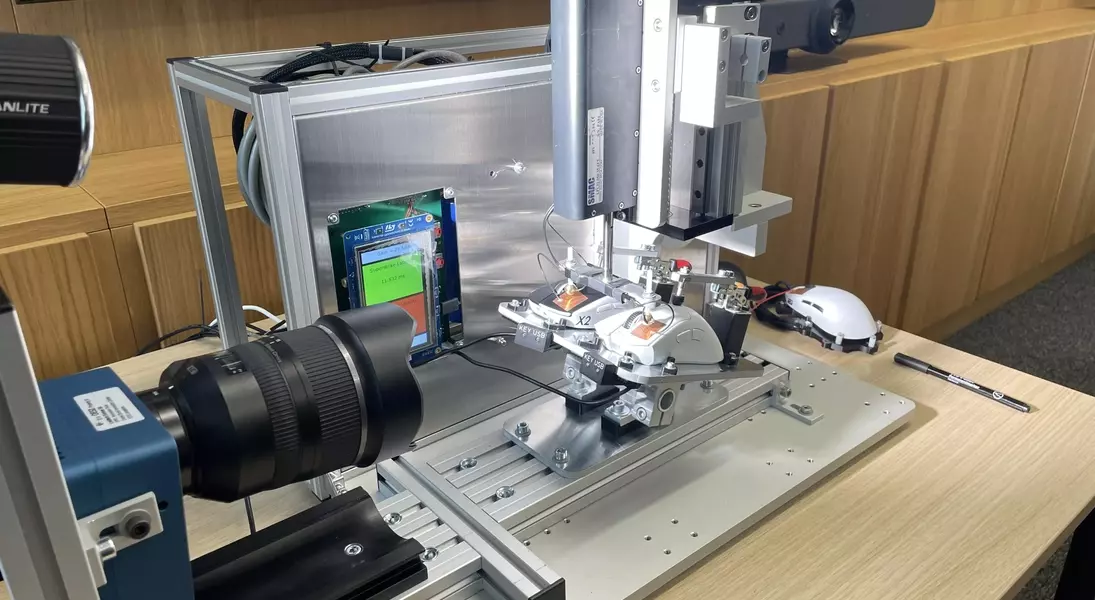
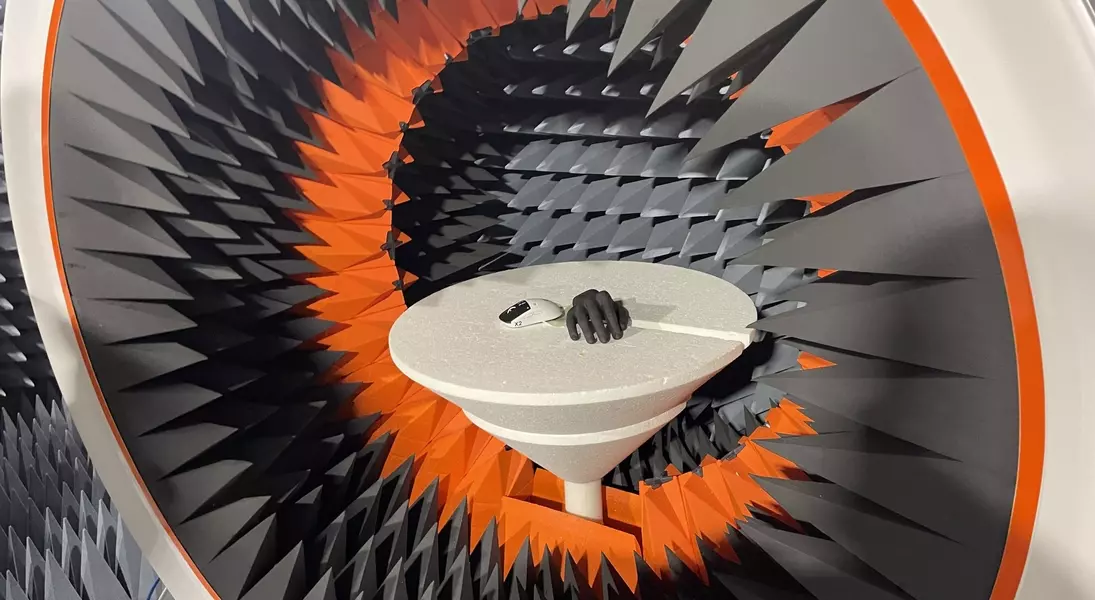
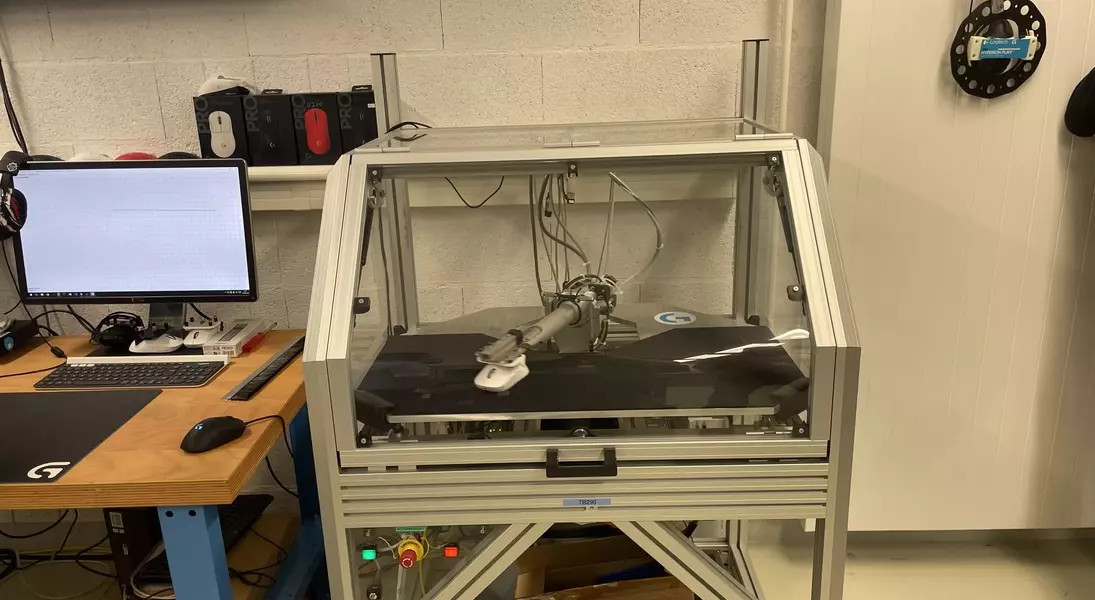
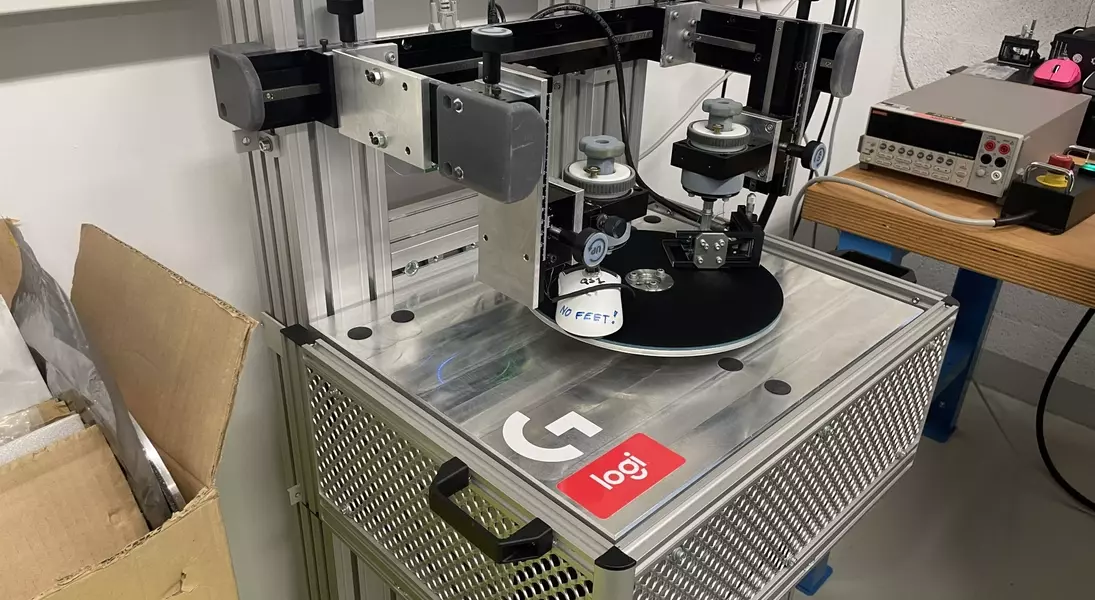
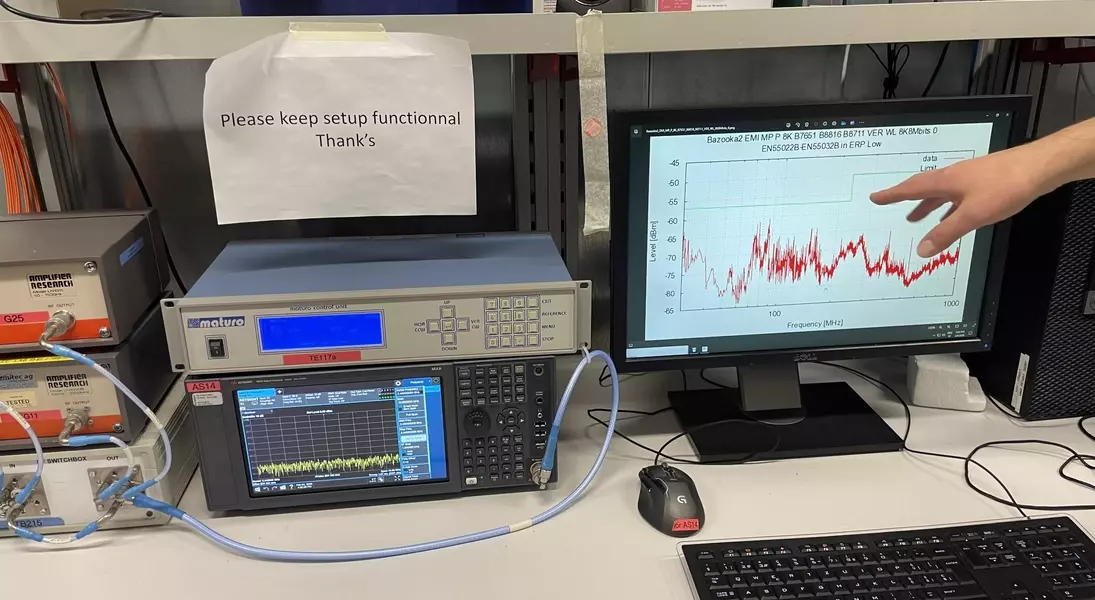
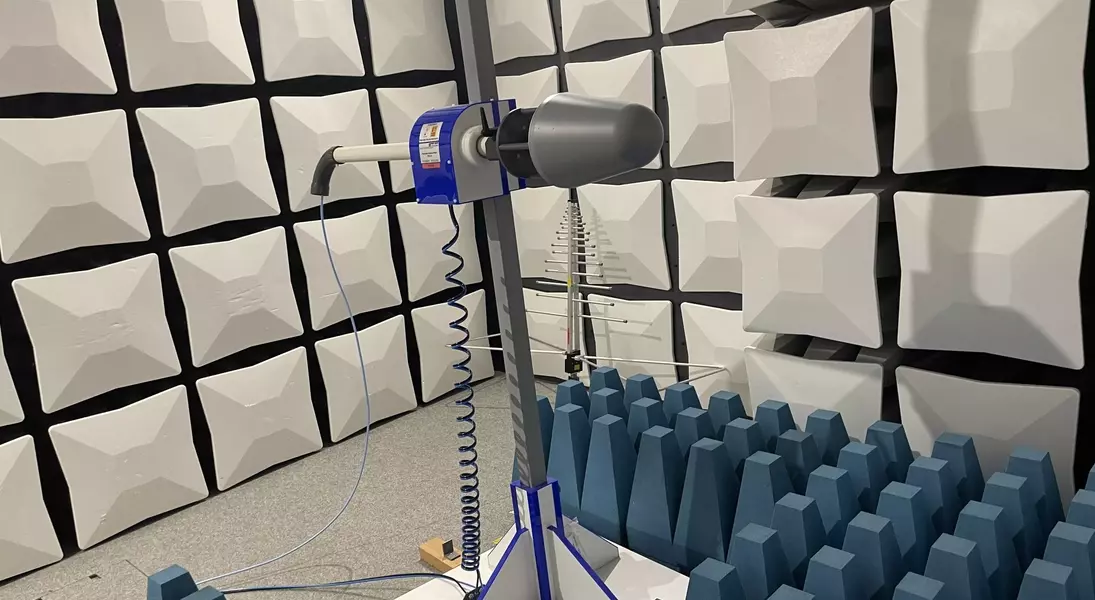
Beyond physical design, the core functionality of a mouse—its sensor and wireless capabilities—undergoes extensive validation. In specialized labs, machines rigorously test sensor accuracy, speed, acceleration, and lift-off performance. These automated tests are crucial for consistency and for pushing sensors to their operational limits, far beyond human capabilities. Wireless connectivity is another critical area, with dedicated anechoic chambers resembling Faraday cages, designed to block all external interference. Frederic Fortin, senior manager of RF, explained the process of simulating optimal RF chip and antenna placement to achieve maximum signal strength, visualized as a 'red apple' radiation pattern. These simulations are followed by physical tests in the chambers, where devices are measured across frequency bands and in 2D and 3D rotations, even with simulated interference from environments like a LAN party, ensuring robust performance in real-world scenarios.
Logitech's commitment to excellence extends to integrating new technologies, such as the inductive switches in the Superstrike, which enable ultra-low actuation and rapid trigger response. This innovation necessitated specialized testing for click latency, involving both precise machine actuation and extensive human feedback from professional and casual gamers. The collaboration with EPFL university further enhances this process, providing both academic expertise and research opportunities. Ultimately, Logitech's development philosophy shines through in its balanced approach: leveraging cutting-edge machinery for data-driven precision while always prioritizing human-centric design and user experience. This dual focus ensures that their gaming mice are not only technologically advanced but also intuitively responsive and comfortable for the end-user.
