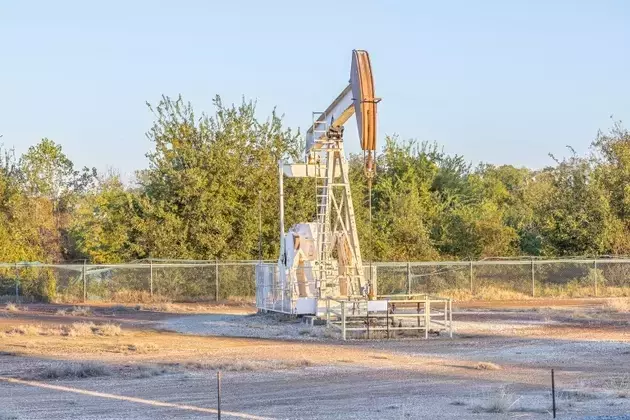
Baytex Energy has embarked on a significant strategic transformation, divesting its Eagle Ford acreage at a loss and re-centering its focus on core, profitable operations. This move, coupled with aggressive deleveraging, has been well-received by investors, signaling confidence in the company's refined direction. The enhanced profitability of its Clearwater basin operations, driven by advancements in heavy oil technology, positions Baytex to navigate market fluctuations with greater resilience. While Canadian production saw a 6% increase, the modest 0-3% growth target for 2024 indicates a cautious yet deliberate approach to expansion, prioritizing sustainable profitability over rapid, potentially riskier, growth.
This strategic pivot is designed to bolster the company's financial health and long-term viability. By shedding less profitable assets and focusing on high-return ventures, Baytex aims to optimize its capital allocation and enhance shareholder value. The emphasis on dividends and share buybacks over extensive reinvestment, however, suggests a conservative stance that might limit its competitive edge against more aggressive Canadian counterparts in the long run. Despite this, the underlying strength of its Clearwater assets and the potential for increased profitability from current levels underscore a promising outlook for Baytex Energy.
Baytex Energy's Strategic Transformation and Market Response
Baytex Energy recently initiated a significant strategic realignment, offloading its Eagle Ford assets even at a financial loss. This decision marks a clear pivot for the company, moving away from less profitable ventures to concentrate on its core strengths. The market's reaction to this divestment and Baytex's subsequent deleveraging initiatives has been notably positive, reflecting investor confidence in the new strategic direction. This shift is rooted in the impressive performance of its Clearwater basin operations, where advanced heavy oil extraction technologies have not only boosted efficiency but also ensured robust profitability, even amidst challenging market conditions. This emphasis on high-yield assets is expected to be a cornerstone of Baytex's future success, enabling it to weather economic downturns more effectively and maintain a stable financial footing.
The company's focus on its Canadian operations has yielded a 6% increase in production, a testament to the efficacy of its regional strategies. For 2024, Baytex has set a growth target ranging from 0% to 3%, indicating a measured approach to expansion. This conservative growth forecast suggests a deliberate strategy to prioritize profitability and financial stability over aggressive, potentially unsustainable, expansion. By optimizing its asset portfolio and streamlining operations, Baytex aims to enhance its overall financial performance and deliver consistent returns to shareholders. This disciplined approach is crucial for building long-term value and positioning the company as a resilient player in the energy sector.
Optimizing Capital Allocation and Future Profitability
Baytex Energy's revised capital allocation strategy signals a conservative yet calculated approach to managing its financial resources. The company's preference for returning capital to shareholders through dividends and share buybacks, rather than channeling it into extensive reinvestment, reflects a cautious stance. While this strategy aims to enhance immediate shareholder value and reduce financial risk, it also raises questions about its long-term growth potential. Compared to some Canadian peers who might adopt more aggressive reinvestment strategies, Baytex's measured pace could limit its ability to fully capitalize on market opportunities and expand its asset base. This balance between shareholder returns and growth investments will be a critical factor in determining its competitive trajectory and sustained profitability.
Despite the cautious reinvestment approach, the underlying strength of Baytex's Clearwater basin assets remains a key driver of its future profitability. The technological advancements in heavy oil extraction have transformed these operations into a reliable source of revenue, capable of generating substantial profits even during periods of market volatility. This operational efficiency, combined with the strategic divestment of less productive assets, positions Baytex to improve its profitability from current levels. The company's ability to maintain a strong financial position, coupled with its focus on high-margin production, suggests a promising outlook for increased financial performance and sustained value creation for investors in the years to come.
