Barcelona's strategic pursuit of offensive reinforcement this summer culminated in the acquisition of Marcus Rashford, a move born out of necessity and financial prudence. Despite initial aspirations to sign high-profile targets such as Luis Diaz and Nico Williams, the Catalan club navigated a complex transfer landscape shaped by budget constraints and unexpected turnarounds. Rashford's arrival, secured on a season-long loan, provides crucial depth to the squad, aligning with the coaching staff's vision for a more robust and versatile attacking line, even as the club grapples with the intricate process of player registration under La Liga's stringent financial regulations.
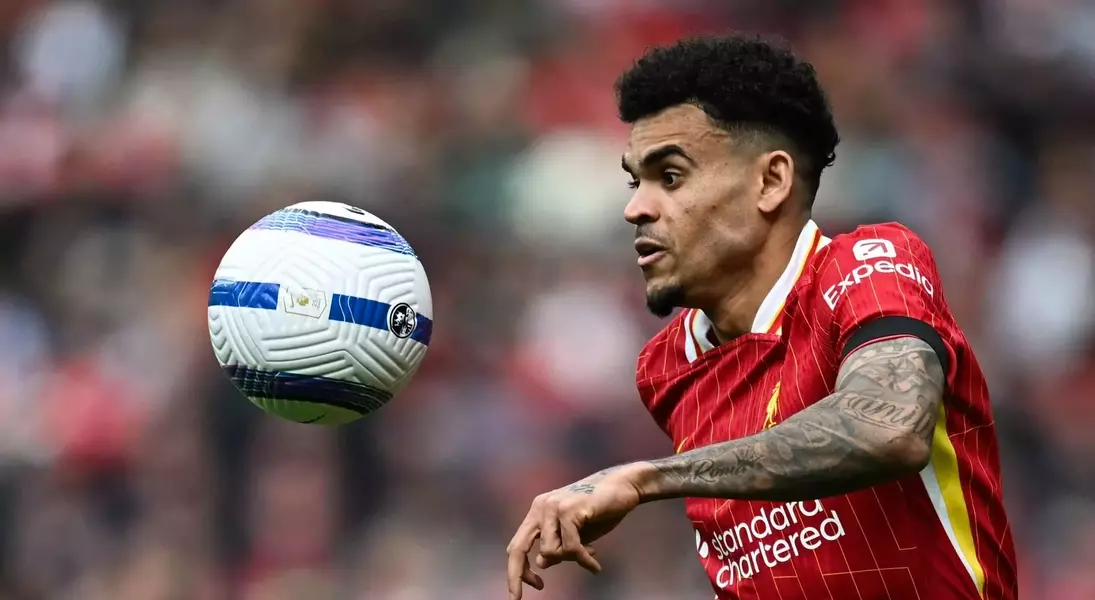
As the summer transfer window commenced, Barcelona identified a pressing need to bolster their attacking options. Sporting director Deco's initial focus gravitated towards Luis Diaz of Liverpool and Marcus Rashford from Manchester United. While Diaz was Deco's preferred choice, the financial implications of such a transfer proved prohibitive for the Spanish champions. Concurrently, Nico Williams, an Athletic Club winger, re-emerged as a potential target after a previous attempt to sign him had faltered. Williams actively expressed his desire to join Barcelona, prompting the club to reconsider him.
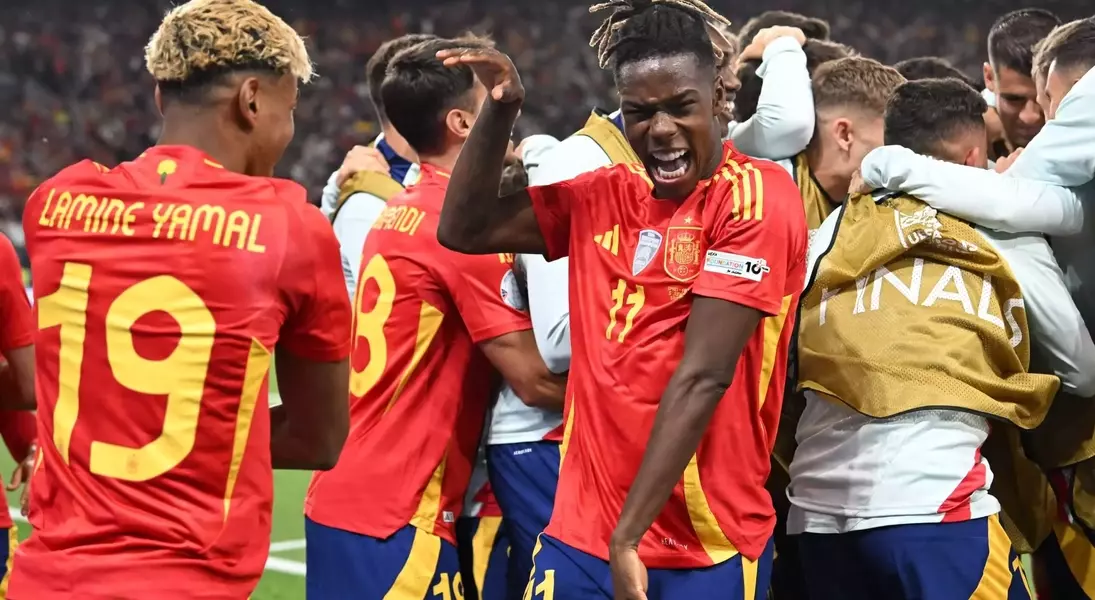
However, a significant twist occurred on July 4th, when Athletic Club dramatically announced Williams' contract renewal for an additional decade, explicitly confirming his decision to remain in Bilbao. This abrupt turn of events left Barcelona scrambling, forcing them to pivot away from what they believed was an imminent signing. With Williams no longer an option, and Diaz remaining financially out of reach due to his high salary and other registration complexities, Barcelona's search for a viable attacking solution intensified. The club, striving to restore financial normalcy and adhere to La Liga's salary cap, found themselves in a delicate balancing act.
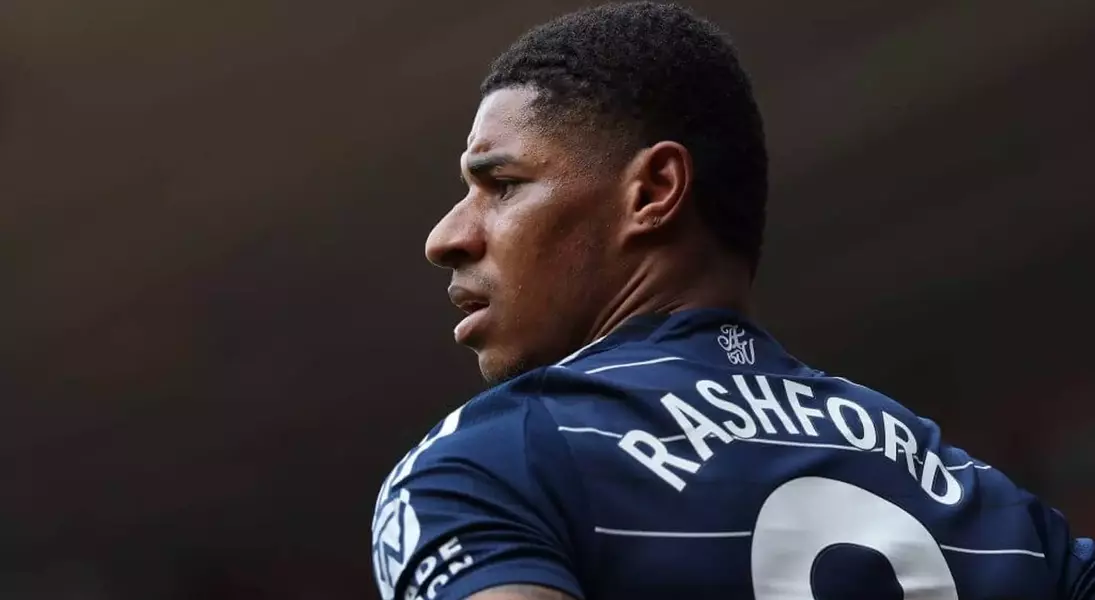
It was in this context that Marcus Rashford emerged as the most practical and appealing alternative. The 27-year-old England international, available on loan without a transfer fee, presented a financially feasible option that met Barcelona's tactical needs. Head coach Hansi Flick and his staff sought a winger with pace, capable of operating across the front line, to alleviate the pressure on the established trio of Lamine Yamal, Robert Lewandowski, and Raphinha. The previous season highlighted a lack of depth, particularly when injuries and late-season fatigue impacted key players like Lewandowski. The desire to rotate and provide cover, coupled with Flick's preference to utilize Raphinha in a central role, underscored the critical need for a new left-winger.
Beyond the financial considerations, Rashford's strong desire to play for Barcelona proved to be a decisive factor. Having faced a challenging period at Manchester United, where he was effectively encouraged to seek a new club, the prospect of joining Barcelona energized him. His willingness to potentially wait until the very end of the summer window for registration, mirroring situations faced by other new signings, further demonstrated his commitment. This alignment of player ambition with club necessity, especially after the experiences with Williams' contract clauses, solidified Rashford's appeal. His arrival, while not the club's initial dream signing, represents a pragmatic and strategic move, offering a blend of talent and financial viability that perfectly suits Barcelona's current circumstances.
Ultimately, Barcelona's acquisition of Marcus Rashford on a temporary basis signifies a calculated and astute maneuver in the intricate world of football transfers. This move, facilitated by fiscal prudence and the player's keen interest, addresses critical squad deficiencies while respecting the club's challenging economic reality. It demonstrates a pragmatic approach to securing talent, ensuring competitive depth without compromising long-term financial stability.
