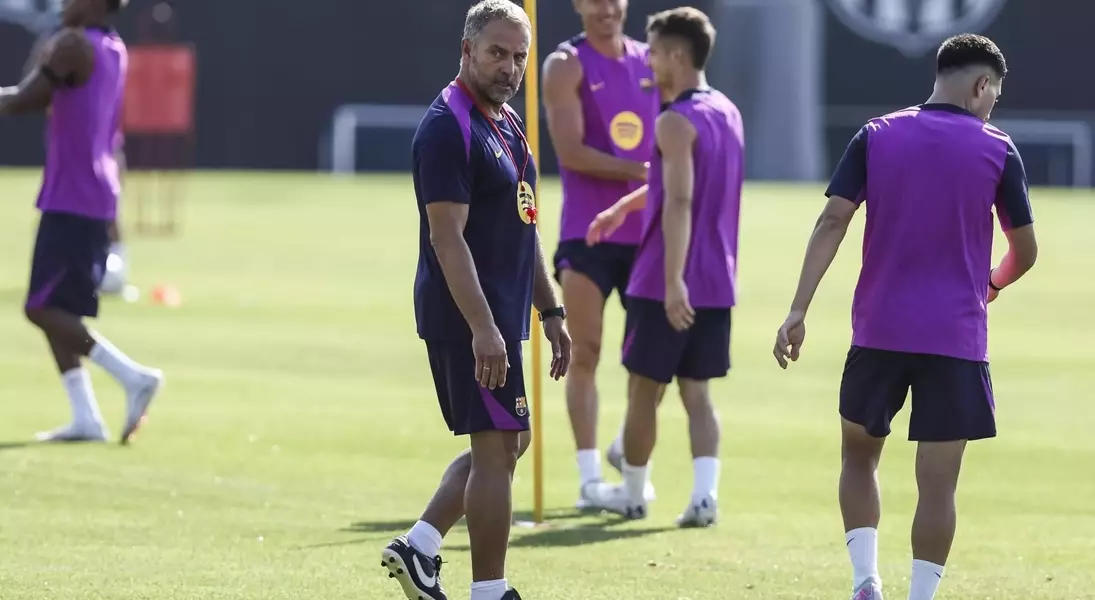
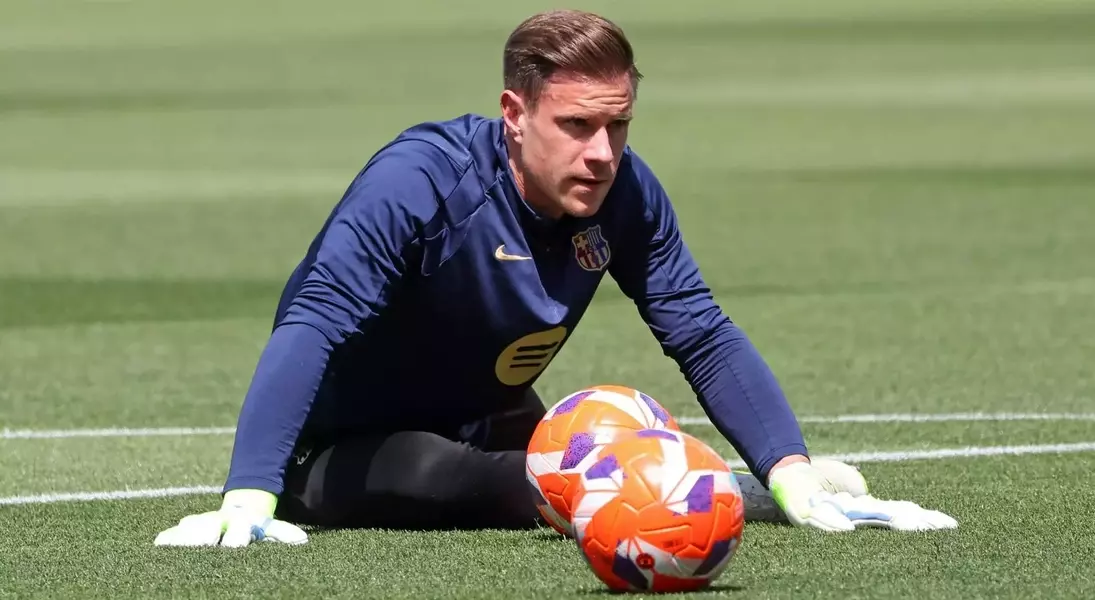
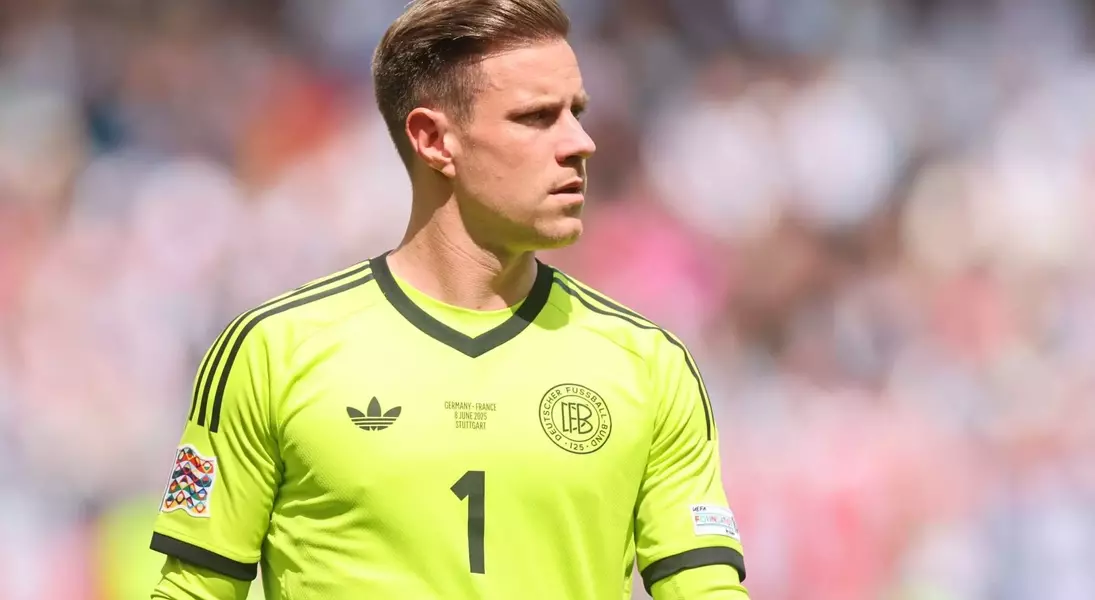

A deep rift has formed between FC Barcelona and its prominent goalkeeper, Marc-Andre ter Stegen, culminating in the club stripping him of his captaincy and initiating disciplinary proceedings. The underlying tension, which has been building throughout the summer, reached a critical point over the classification of Ter Stegen’s recent back injury. Barcelona seeks to declare the injury as long-term, which would allow them to utilize a specific La Liga rule. This rule enables clubs to register new players by replacing an injured player’s registration, provided the new player's wages are less than 80 percent of the injured player's salary. Such a classification requires the injury to be deemed long-term by La Liga’s independent medical panel and, crucially, necessitates the player's consent to share their medical records. Ter Stegen’s refusal to grant this consent has ignited the current confrontation, as the club believes his stance is detrimental to their efforts to manage the salary cap and register new signings, including potential new goalkeeper Joan Garcia.
Both sides offer differing perspectives on the escalating conflict. Barcelona officials express frustration and a sense of betrayal, particularly after Ter Stegen’s social media post regarding his recovery timeline, which was made without the club’s prior knowledge or approval. They view his reluctance to sign the medical documents as a selfish act that impedes the club’s strategic player registrations and affects his teammates. Conversely, those close to Ter Stegen maintain that his refusal stems from a belief that his injury is not long-term, and he is within his rights to withhold consent, a position supported by the Spanish football players’ union. They also suggest that Ter Stegen feels unfairly targeted, pointing to a perceived campaign to undermine his position and standing within the club following Garcia’s arrival, despite his previous efforts to defer salary to assist Barcelona with registration issues.
The unfolding drama has sent shockwaves through the Barcelona dressing room, with many players reportedly learning of the captaincy decision via social media rather than official club communication. Despite the club's announcement promoting Ronald Araujo to captain, players like Frenkie de Jong, Gavi, and Raphinha have publicly expressed their support and respect for Ter Stegen, highlighting his leadership and significance to the team. This indicates a potential disconnect between the club's hierarchy and the sentiment among the players. While Ter Stegen remains determined to reclaim his position as the club’s number one goalkeeper, the situation underscores the complex interplay between player welfare, contractual obligations, and the stringent financial regulations governing top-tier football, ultimately testing the unity and resilience of the team.
This episode serves as a powerful reminder of the intricate dynamics within professional sports, where the pursuit of organizational goals must be balanced with the individual rights and well-being of athletes. It highlights the importance of transparent communication and mutual understanding to foster a cohesive and high-performing environment. Ultimately, a respectful and collaborative approach, prioritizing the long-term success of the collective while upholding the integrity of its members, is crucial for any institution to thrive amidst challenges and setbacks.
