Barbra Streisand's illustrious career, marked by a recent honorary Palme d'Or at Cannes, often centers on her most celebrated roles like in "Funny Girl" and "The Way We Were." However, her extensive filmography contains numerous hidden gems—performances that, while less recognized, powerfully demonstrate her profound acting capabilities and willingness to explore diverse characters. These roles, spanning various genres from musicals to intimate dramas and comedies, unveil Streisand's artistic courage and her desire to transcend conventional expectations, offering a richer, more nuanced understanding of her contributions to cinema beyond her well-known classics.
This exploration delves into five such films: "On a Clear Day You Can See Forever," where she masterfully navigates dual historical roles; "Up the Sandbox," a poignant reflection on a woman's search for self-fulfillment; "The Main Event," a comedic reunion with Ryan O'Neal; "All Night Long," a surprising turn as a ditzy suburbanite; and "The Guilt Trip," a heartwarming road trip comedy with Seth Rogen. Each of these movies showcases Streisand's commitment to her craft, her ability to embody complex personalities, and her enduring impact on the silver screen, even in projects that didn't achieve blockbuster status but remain significant milestones in her journey as an actress.
Theatrical Exploration and Character Versatility
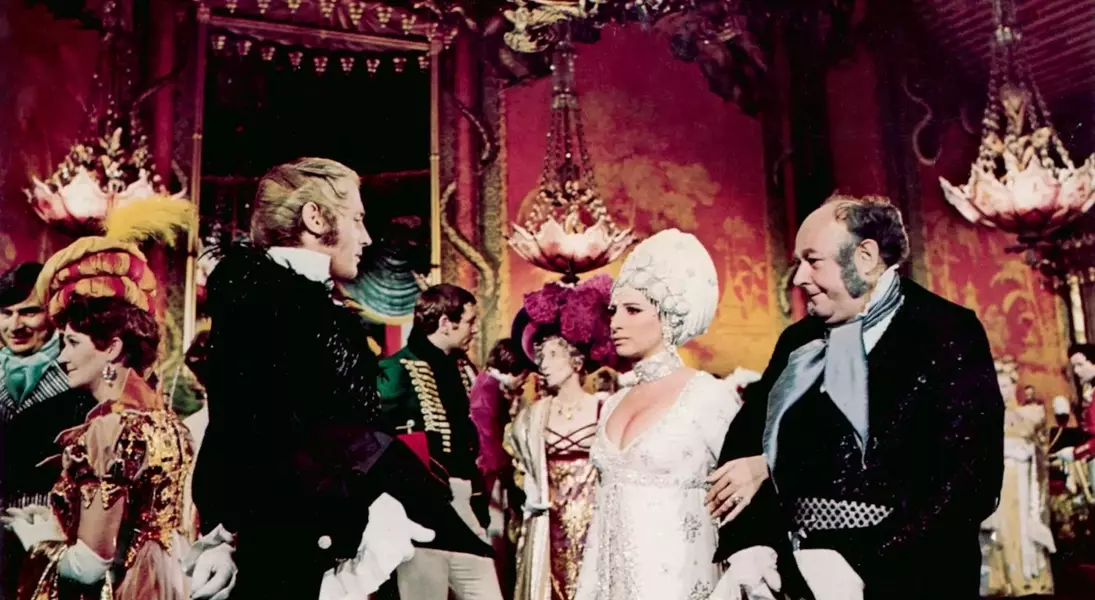
Barbra Streisand's early career showcased an astonishing range, allowing her to portray characters far removed from her established musical persona. In "On a Clear Day You Can See Forever," she impressed audiences by inhabiting two distinct personalities: a sophisticated 19th-century courtesan and a contemporary New Yorker. This challenging dual role not only highlighted her dramatic depth but also her comedic timing, particularly in scenes where she physically expresses the struggle between her characters' different eras. Furthermore, her ability to switch accents and mannerisms for each role demonstrated a meticulous approach to character development, pushing the boundaries of what audiences expected from the star of "Funny Girl."
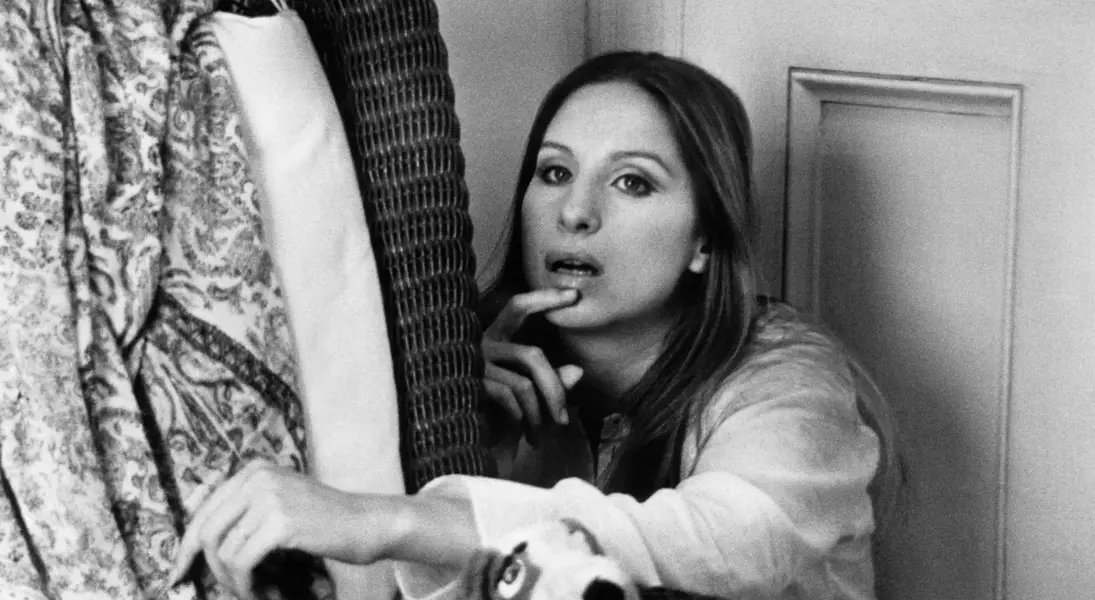
Her performance in "Up the Sandbox" further solidified her reputation as a serious actress, moving beyond the musical genre to explore the complexities of a Manhattan housewife's internal world. This film allowed Streisand to delve into themes of self-discovery and maternal identity during a pivotal era for women's liberation. She imbued her character with an authentic struggle, resonating deeply with her own experiences and challenging the notion that she could only succeed in musicals or comedies. This period of her career was crucial in establishing her as a versatile performer, capable of commanding both dramatic and comedic roles with equal conviction, laying the groundwork for a multifaceted cinematic legacy.
Diverse Roles and Enduring Appeal
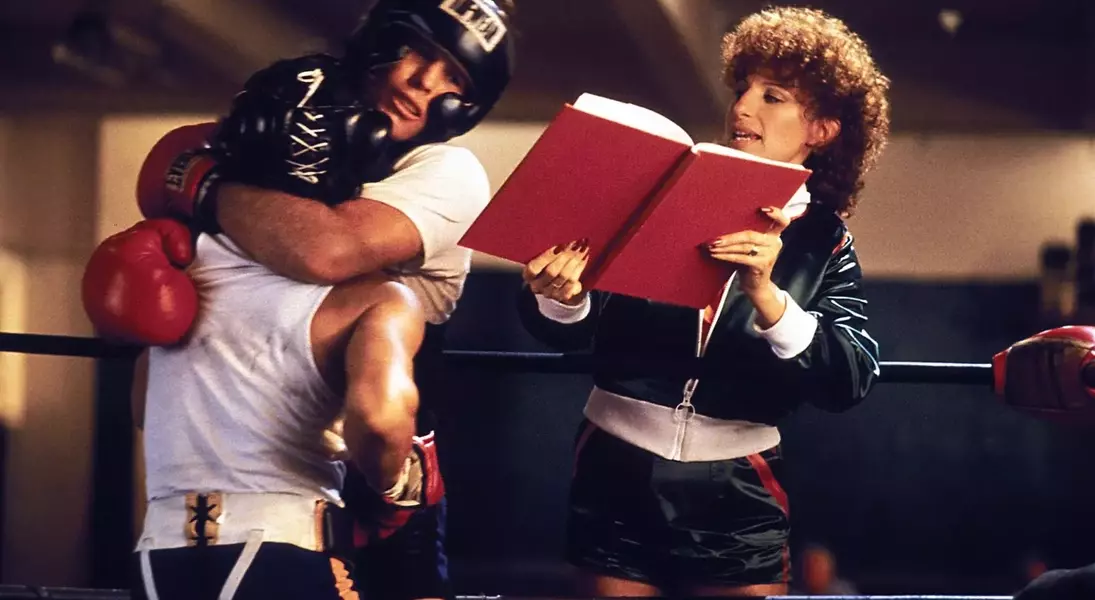
Streisand’s career trajectory continued to demonstrate her eagerness to experiment with diverse roles, even if some films didn't achieve widespread commercial success. In "The Main Event," she reunited with Ryan O'Neal, delivering a performance that combined screwball comedy with a subtle commentary on female empowerment. Her portrayal of Hillary Kramer, a perfume executive turned boxing manager, showcased a blend of tenacity and vulnerability, making a statement about women's place in traditionally male-dominated fields. The film, characterized by its disco-era aesthetics and playful banter, highlighted her comedic flair and ability to create memorable on-screen chemistry with her co-stars, proving her adaptability across different cinematic styles.
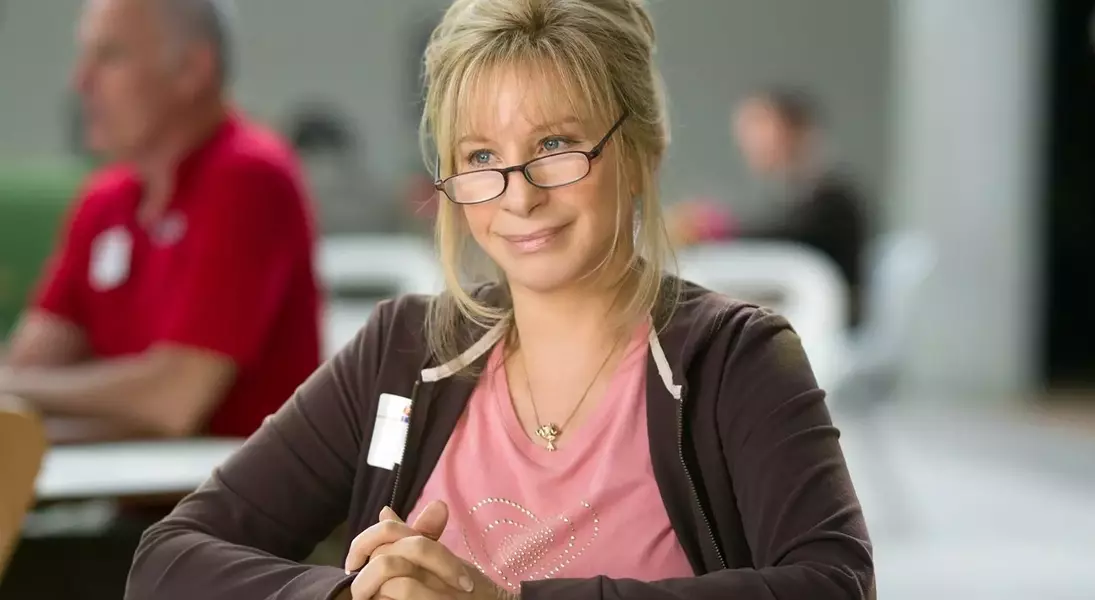
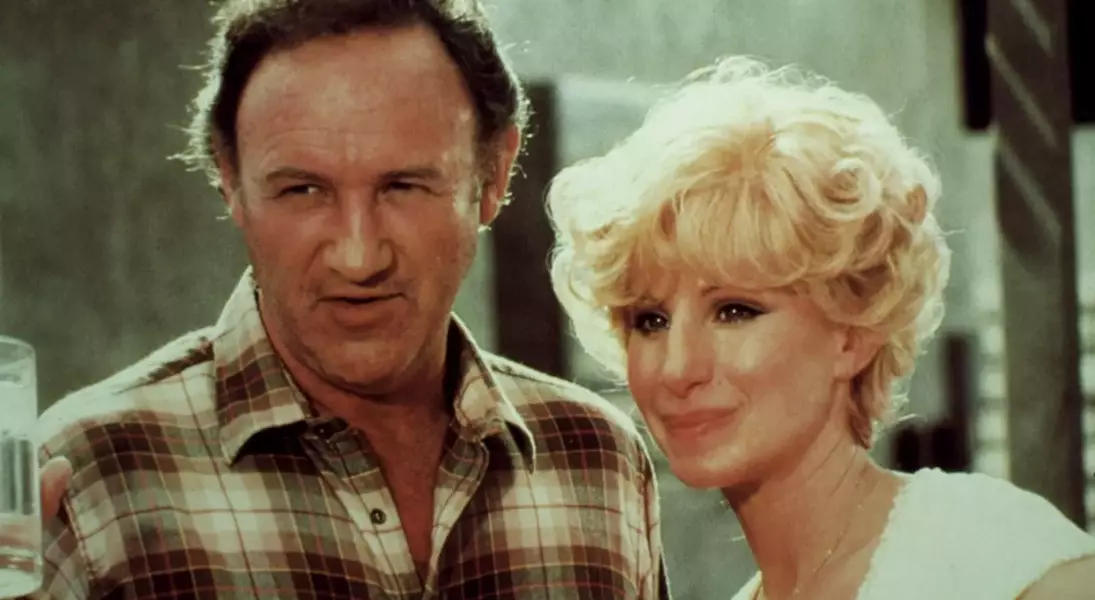
Later in her career, Streisand embraced roles that allowed her to subvert expectations and portray characters with unexpected nuances. In "All Night Long," she deliberately chose to play a character unlike any she had before—a "ditzy blond suburban housewife" with aspirations of becoming a singer-songwriter. This performance was an understated masterclass in comedic acting, as she seamlessly disappeared into the role, using subtle vocal inflections and physical comedy to bring Cheryl Gibbons to life. More recently, in "The Guilt Trip," she created a deeply engaging dynamic with Seth Rogen, transforming a seemingly ordinary road trip into a captivating exploration of mother-son relationships. These later roles, though perhaps not as iconic, underscore her continuous evolution as an actress and her enduring ability to charm and surprise audiences with her profound talent.
