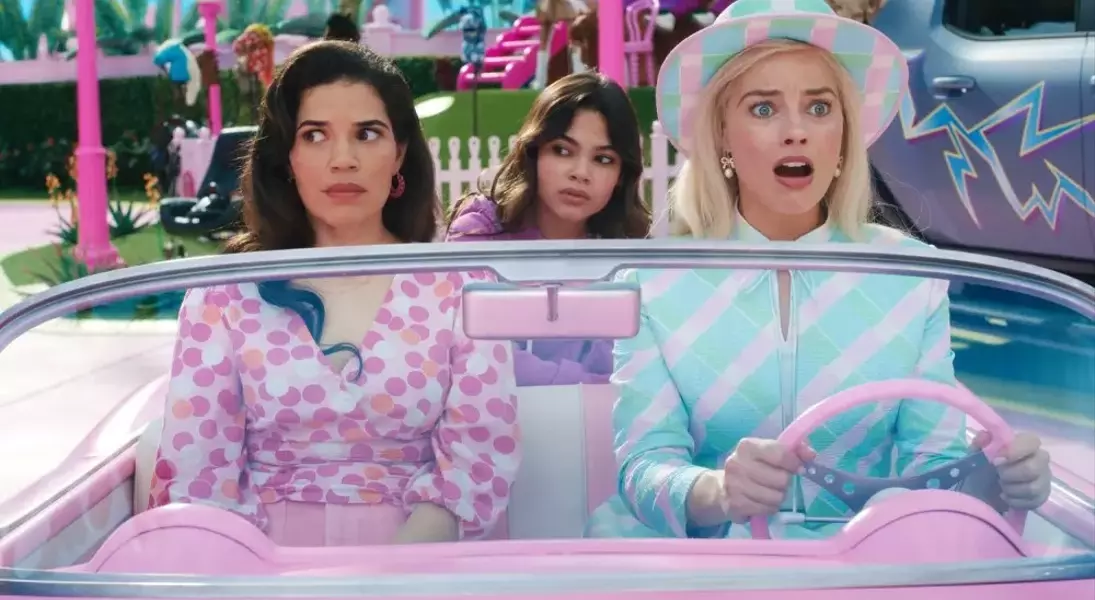
The potential follow-up to the immensely successful film "Barbie" faces an uncertain future. Disputes over compensation for the creative talents behind the original blockbuster, including director Greta Gerwig, lead actress and producer Margot Robbie, actor Ryan Gosling, and screenwriter Noah Baumbach, have led to stalled negotiations. This impasse jeopardizes the development of a sequel, with Warner Bros. Discovery CEO David Zaslav maintaining a firm position against the substantial salary demands. Should new agreements not materialize, the film rights to the iconic Barbie doll could revert to Mattel, necessitating an entirely new creative direction for any future cinematic endeavors.
"Barbie 2" Stumbles on Salary Stand-Off
The cinematic world is abuzz with the unfolding drama surrounding the potential sequel to 2023's "Barbie," a film that garnered over $1.4 billion globally and established Greta Gerwig as the most commercially successful female director. Despite this monumental achievement, a follow-up is now hanging in the balance, primarily due to contentious salary discussions between the principal creators and Warner Bros. Discovery. According to reports from early August 2026, Warner Bros. has presented more than half a dozen offers over the past three years, all of which have been deemed unsatisfactory by the creative team. These proposals, described by some studio insiders as record-breaking for a filmmaking team, are still falling short of the collective expectations of Gerwig, Robbie, Gosling, and Baumbach. Ryan Gosling, for instance, is reportedly seeking $20 million to reprise his role as Ken. Margot Robbie, who earned an estimated $50 million from the first film, is also looking for a significant increase. The core issue appears to revolve less around upfront fees, which are reportedly acceptable, and more around the back-end profit participation, which the team finds inadequate. The absence of a sequel option in the initial contracts for the top-tier creatives, a decision made under a different Warner regime, has further complicated the situation. This oversight has left industry observers astonished, especially given the original film's unprecedented cultural and financial impact. The clock is ticking for Warner Bros. Pictures chiefs Michael De Luca and Pamela Abdy, who have approximately four months to secure new deals before the film rights to Barbie could revert to Mattel. Without the original creative team, Mattel would be forced to completely re-envision the franchise, losing the unique vision Gerwig brought to the character. This high-stakes negotiation is occurring as Warner Bros. Discovery CEO David Zaslav is reportedly nearing a multi-million-dollar payout from Paramount's potential acquisition of Warner Bros., adding another layer of scrutiny to his cost-cutting measures, which have previously included shelving projects like "Batgirl" and "Coyote vs. Acme." Amidst these financial skirmishes, the sales of Barbie dolls have also seen a decline post-2023, prompting Mattel to strategize a brand re-launch focusing on Barbie as a fashion icon, a campaign that would greatly benefit from the continued involvement of figures like Margot Robbie.
This situation underscores the intricate dynamics of Hollywood financing and talent negotiation. It highlights the tension between creative value and corporate fiscal policy, especially when dealing with massively successful intellectual property. The "Barbie" sequel saga serves as a compelling case study on how differing perceptions of worth, even after immense success, can stall or entirely derail lucrative projects. It also raises questions about how studios can better secure future installments of popular franchises while adequately compensating the artists who bring them to life.
