Deep within the bustling corridors of Laurel Park in Maryland, a unique narrative unfolds—a story of immigrant workers who form the lifeblood of one of America's most cherished sports. As the thundering hooves echo across the racetrack, it is these unsung heroes who ensure the spectacle continues seamlessly. Yet, their presence faces increasing uncertainty amidst evolving visa regulations.
A Glimpse into the Unsung Heroes Fueling Horse Racing's Success
The equine world generates billions annually, yet its foundation rests on the shoulders of immigrant laborers. These dedicated individuals perform roles ranging from hot walkers to grooms, ensuring every racehorse performs optimally.Immigrants: The Pillars of the Equine Industry
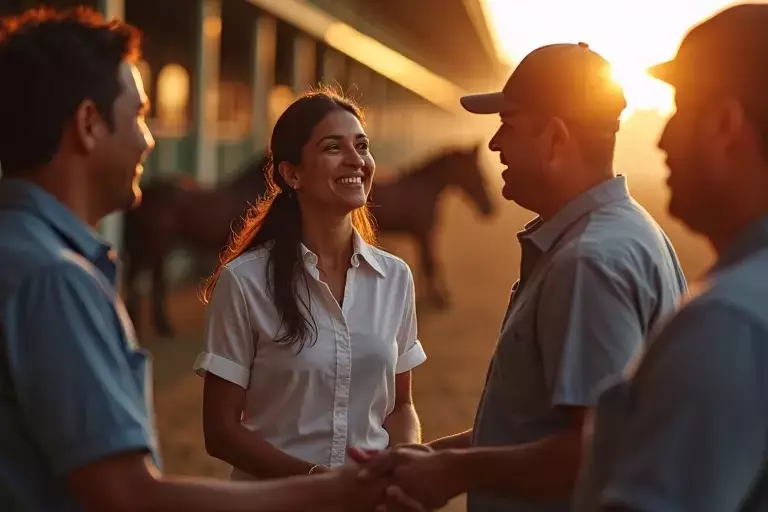
Diana Pinones embodies the intersection between tradition and modernity at Laurel Park. Her family’s legacy in horse care spans generations, with her parents transitioning from Mexico to become U.S. citizens. Now, Diana interacts daily with immigrant workers, many holding H-2B visas, forming an integral part of the racing ecosystem. Every morning brings waves of greetings, highlighting the camaraderie built over years.This reliance isn't merely anecdotal; data underscores that nearly all positions within the industry are filled by immigrants. From those cooling down horses post-race to expert jockeys navigating tracks at exhilarating speeds, each role contributes significantly to the sport's success. In 2023 alone, horse racing contributed $36 billion to the economy, underscoring the economic importance of this workforce.Navigating Visa Challenges Amidst Economic Demands
Despite the critical role played by immigrant workers, challenges persist regarding visa availability. Two prominent programs—H-1B and H-2B—have reached their annual limits, signaling a growing demand for skilled foreign labor. Specifically, states like New York heavily utilize H-2B visas within the horse racing sector. For instance, workers granted visas for 2025 will commence duties in autumn, providing temporary relief but raising concerns about future staffing needs.James O’Neill, representing the American Business Immigration Coalition, explains that utilizing such visa programs proves costlier than domestic recruitment. Employers must demonstrate inability to source talent locally before qualifying for these visas. Consequently, reaching caps annually reflects the dire necessity of foreign labor despite higher expenses. Lynden Melmed, former counsel at USCIS, notes employer apprehension due to potential shifts in enforcement under different administrations. Such uncertainties prompt proactive measures among employers to secure consistent workforces amidst fluctuating immigration policies.Building Bridges: Supporting Immigrant Workforces
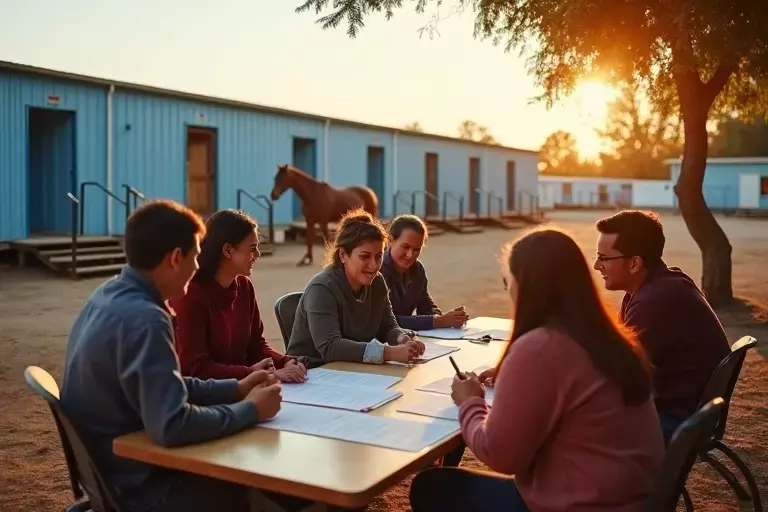
Behind the scenes at Laurel Park lies a network supporting immigrant workers beyond professional realms. Sky-blue housing units accommodate hundreds under visa arrangements, illustrating comprehensive care provided by establishments. Diana Pinones plays a pivotal role here, addressing diverse needs ranging from paperwork assistance to green card applications. Her commitment extends beyond regular hours, reflecting dedication amid challenging times.Trainers like Ferris Allen highlight the indispensability of immigrant laborers. With over two decades in the field, Allen acknowledges the financial burden associated with visa processes, amounting to thousands annually. However, he emphasizes the unparalleled quality brought by these workers, describing them as essential components of his business model. Their passion and proficiency create a harmonious environment where both humans and animals thrive together.Looking Forward: Sustaining Momentum Amid Uncertainty
While current stability exists within the framework of H visa programs, questions linger concerning future directions. Generations have contributed tirelessly towards maintaining excellence in horse racing, making continuity crucial. Experts advocate revisiting policy frameworks to accommodate evolving industry demands while safeguarding worker rights. Diana Pinones succinctly captures this sentiment, expressing concern over sustaining operations without reliable visa access. As discussions progress, balancing economic necessities with humanitarian considerations remains paramount, ensuring the vibrant legacy of horse racing endures through collaboration and innovation.