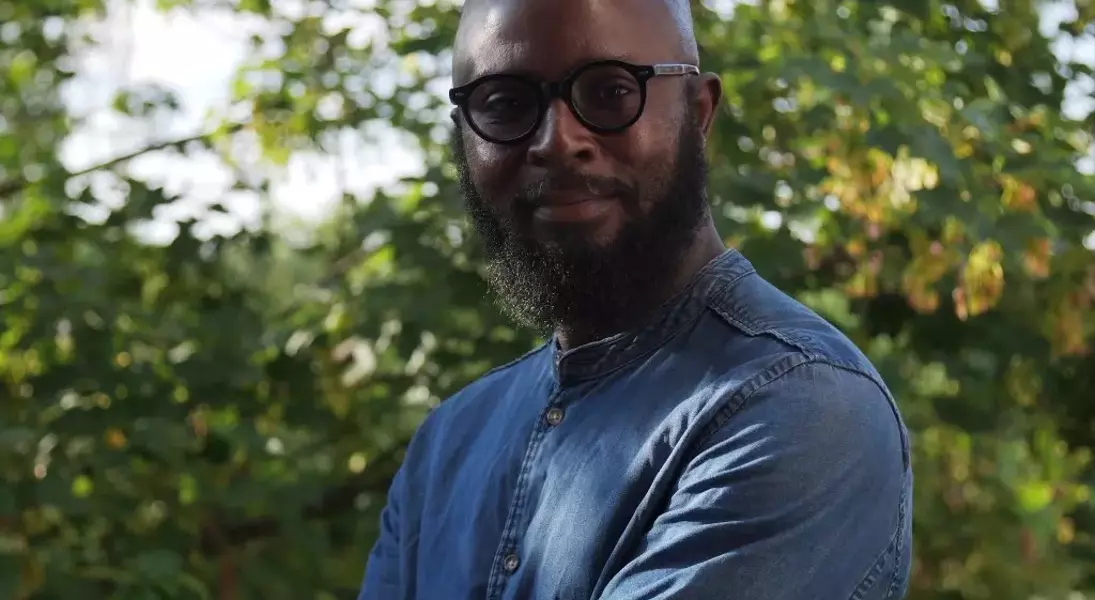
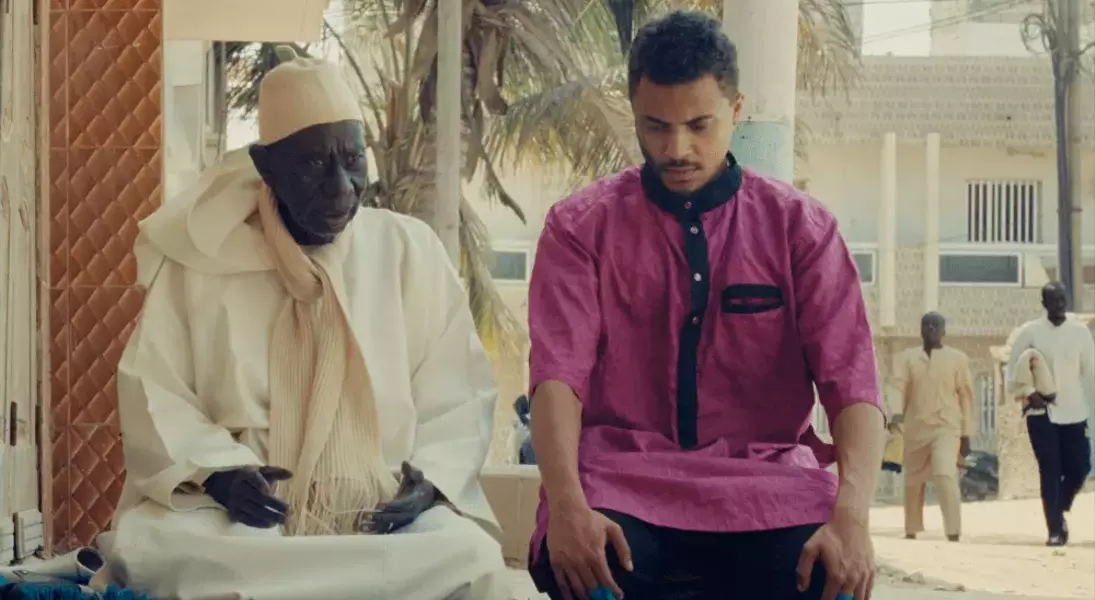
Aymar Esse's poignant film, "My Father's Kora," is poised to captivate audiences at the Locarno Film Festival, offering a profound reflection on self-discovery and cultural acceptance. The narrative skillfully intertwines the repair of a traditional West African instrument with a trans man's quest for belonging, set against the vibrant yet complex backdrop of Senegalese society. This cinematic journey promises a deeply personal and universally resonant exploration of identity, family, and the power of human connection, underscoring the film's artistic and thematic depth.
Details of the Feature Film Premiere
On August 9, 2026, the Locarno Film Festival will host the global debut of "My Father's Kora" (original title: "La Kora de Mon Père") within its Open Doors program. This Beninese-Swiss-German collaboration centers on Souleymane Everston Adowo Freudenreich, an Afro-German trans man who travels from Berlin to Dakar, Senegal. His mission: to mend his father's kora, a traditional 21-string West African instrument. This act of repair becomes a powerful allegory for Souleymane's personal journey to reconcile his identity and find acceptance within Senegal's predominantly Muslim and traditional culture.
Director Aymar Esse describes the film as a contemplative piece focused on mending, remembrance, and intergenerational transfer. He notes, "It is not an activist film in the conventional sense. It's an invitation to perceive others without hasty categorization, to acknowledge their humanity before any label, and to realize that cinema can sometimes create a small opening in the edifice of certainties." Esse views the kora as a living entity, an almost vocal instrument steeped in the Mandingue cultural heritage, embodying history, memory, and poetic expression. He chose the kora as a central metaphor because a broken instrument mirrors a character striving for self-understanding and a sense of place. The return of the kora to Senegal symbolizes a search for authentic components – a new skin, representing skin color, perhaps a new calabash, and fresh strings – with each part carrying symbolic weight: the skin for the body, the strings for connection to Senegal, and the neck as a metaphor for one's core. Esse highlights the warmth and acceptance depicted in the film, acknowledging that this does not reflect the broader societal norms in Senegal, which remains conservative regarding LGBTQ+ issues. The film emphasizes unconditional love, allowing Souleymane's identity to be received without judgment.
Produced by Esse's SunRise Films, with co-production from Aline Bonvin Film Video (Switzerland), Seera Films (Germany), and 274 Studio (Switzerland), the project received development support from Steps' Generation Africa initiative and financial backing from the Swiss Cooperation Office in Benin. Following its Locarno premiere, the film will be shown at the Afrika Film Festival Köln in Germany in September.
Reflections on Identity, Culture, and Acceptance
This film sparks crucial conversations about the intricate dance between personal identity and cultural heritage. "My Father's Kora" beautifully illustrates how the journey of self-acceptance can be deeply intertwined with a return to one's roots and the repair of ancestral ties. The director's perspective on creating a "safe space" – not merely as something provided, but as something actively forged through trust and shared understanding – resonates powerfully in an increasingly complex world. It serves as a reminder that art, particularly cinema, possesses a unique capacity to bridge divides and foster empathy, gently pushing viewers to look beyond labels and embrace the fundamental humanity that connects us all, even in the face of societal conservatism. The film’s focus on music as a healing force adds another layer of universal appeal, emphasizing how creative expression can transcend barriers and offer solace.
