The agricultural sector is currently undergoing a transformative shift, driven by advancements in autonomous technology. Contrary to popular belief, this revolution isn't solely about futuristic, purpose-built machinery or widespread job displacement. Instead, it's unfolding through several surprising trends that are redefining efficiency, labor utilization, and equipment dynamics in farming operations. These developments underscore a pragmatic evolution, focusing on enhancing existing resources and empowering the human workforce, rather than solely replacing them.
Autonomous Innovations Reshaping the Global Agricultural Landscape
In a groundbreaking development that challenges conventional wisdom in the agricultural industry, the deployment of over one hundred autonomous tractors across various farming operations has revealed three unexpected trends. These insights come directly from the field, where theoretical concepts are being rigorously tested and validated in real-world scenarios, particularly through the pioneering efforts of companies like Sabanto.
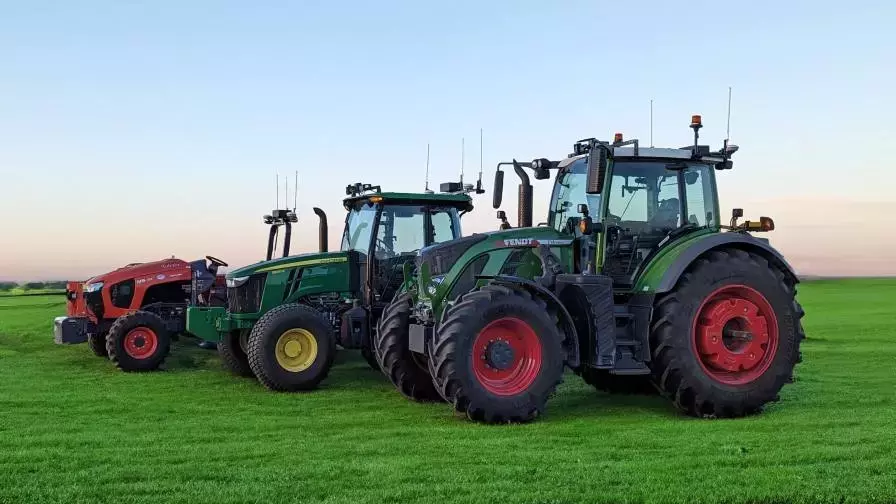
Firstly, a significant revelation is the efficacy of the retrofit solution. Rather than farmers investing in entirely new, expensive autonomous tractors, the prevailing trend indicates a strong preference for upgrading existing machinery. This approach leverages the substantial capital farmers have already committed to their current equipment, extending its operational life and enhancing its capabilities. This strategy resonates deeply with farmers' loyalty to their established equipment and dealers, signaling that the future of agricultural autonomy lies in adapting familiar tools rather than wholesale replacement. This method ensures that the transition to autonomous operations is economically viable and seamlessly integrated into existing farm infrastructures.
Secondly, the integration of autonomous systems is profoundly impacting the labor landscape, though not in the way many might expect. Counter to fears of widespread job losses, autonomy is predominantly being utilized to amplify the productivity of the current workforce. Farmers are discovering that autonomous machinery excels at handling repetitive, time-consuming tasks, thereby freeing up skilled laborers for more complex, higher-value activities. This strategic repurposing of human resources enables farms to scale their operations significantly, manage more acreage, and boost overall output without necessarily expanding their payroll. It transforms the workforce, elevating their roles and fostering a more efficient and productive team environment.
Finally, a compelling shift is occurring in the perception and utilization of horsepower. Traditionally, the trend in agricultural machinery has been towards increasingly larger and more powerful equipment to cover vast areas efficiently. However, autonomous technology fundamentally alters this equation. By extending the operational hours available for field tasks, autonomy reduces the immediate necessity for sheer horsepower. Autonomous systems can work continuously, optimizing task completion over time rather than relying on bursts of immense power. This suggests a future where horsepower may become less of a critical differentiator and more of a commoditized feature, enabling smaller, more agile, and cost-effective machinery to perform tasks traditionally reserved for their larger counterparts. This re-evaluation of horsepower has profound implications for equipment design and agricultural investment strategies, promising a more sustainable and economically sound path forward.
A New Horizon for Farming: Efficiency, Empowerment, and Evolution
From a journalist's perspective, these emerging trends in autonomous farming technology illuminate a profound evolution within the agricultural sector. The narrative is shifting from a simplistic view of automation as merely a substitute for human effort to a more nuanced understanding of it as a powerful enabler. The emphasis on retrofitting existing machinery demonstrates a pragmatic and economically sensible pathway to technological adoption, acknowledging the significant investments farmers have already made. This approach fosters a sense of continuity and trust, crucial for widespread acceptance of new technologies in a traditionally conservative industry.
Moreover, the revelation that autonomy primarily serves to amplify human potential rather than diminish it is particularly inspiring. It paints a picture of a future where agricultural labor becomes more strategic and less arduous, allowing skilled workers to apply their expertise to critical decision-making and oversight. This human-centric application of technology has the potential to elevate the farming profession, making it more appealing and sustainable for future generations. The redefinition of horsepower underscores an innovative approach to resource optimization, moving away from a 'bigger is better' mentality towards smarter, more continuous operations. This holistic transformation, driven by autonomy, suggests a more resilient, productive, and ultimately, more human agricultural future.
