The second quarter of 2026 witnessed a dynamic landscape in vehicle sales, with certain models and segments achieving remarkable success, while others encountered notable challenges. This period's data offers crucial insights into evolving consumer preferences and the effectiveness of manufacturers' strategies. From luxury SUVs making significant gains to a surprising uplift in sedan demand, the market showcased diverse performances.
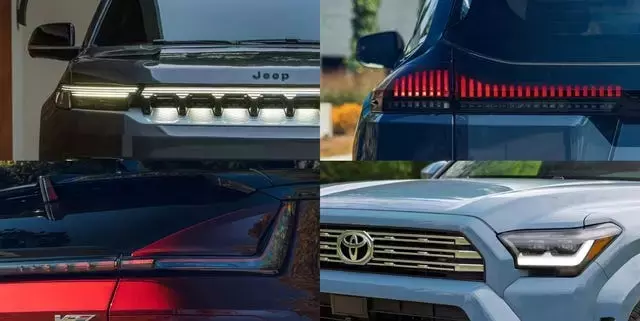
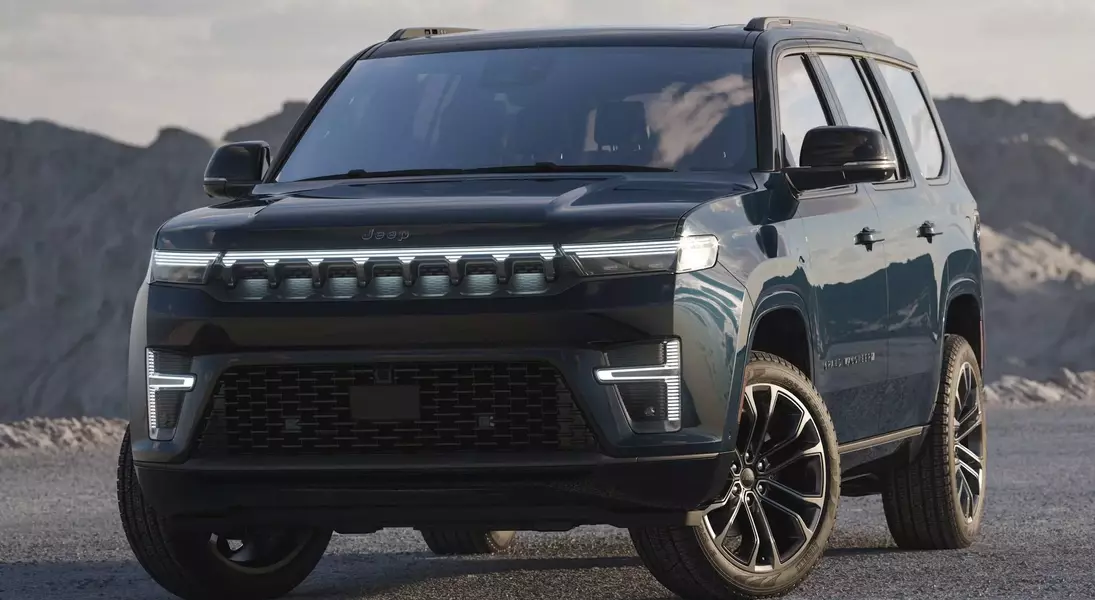
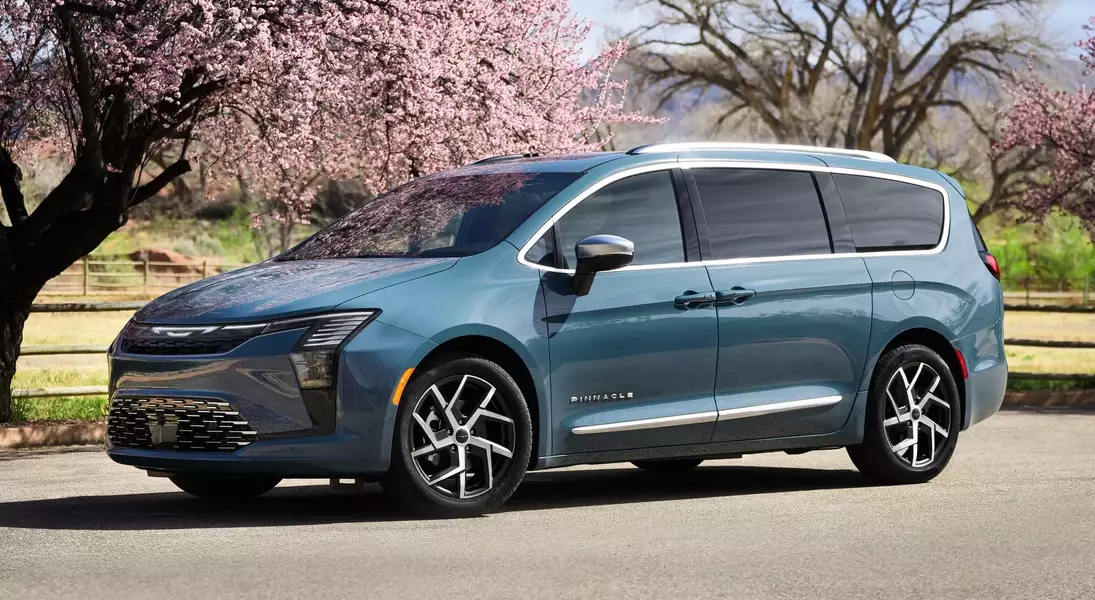
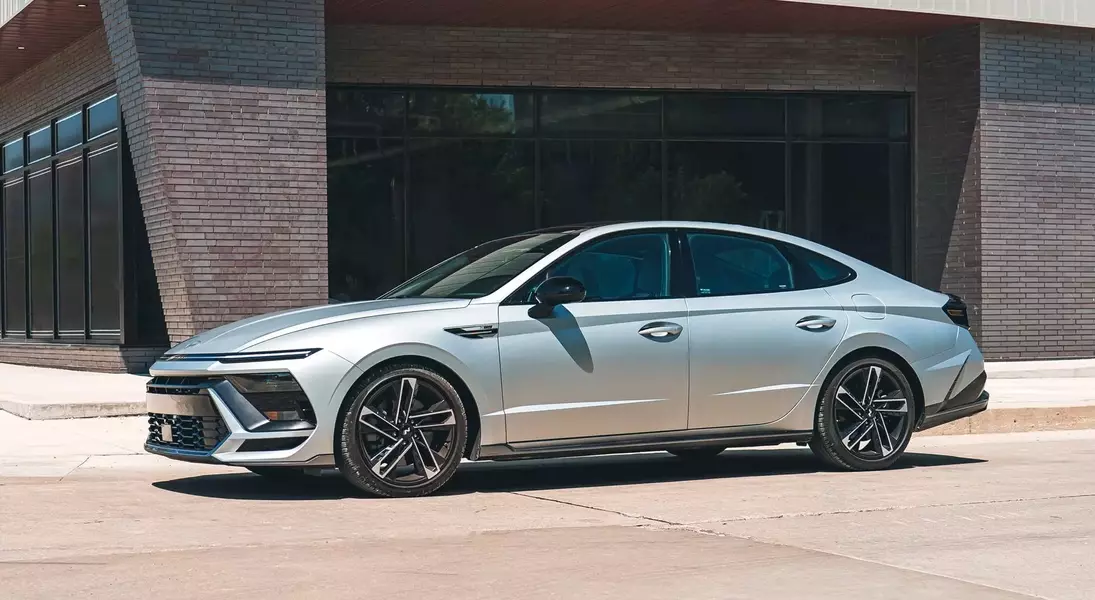
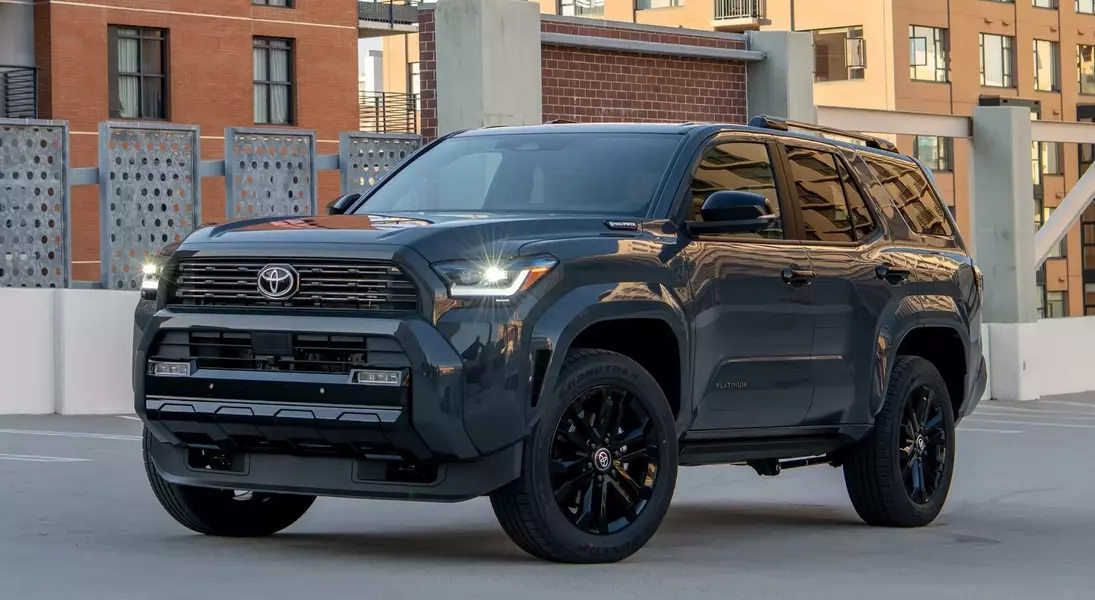
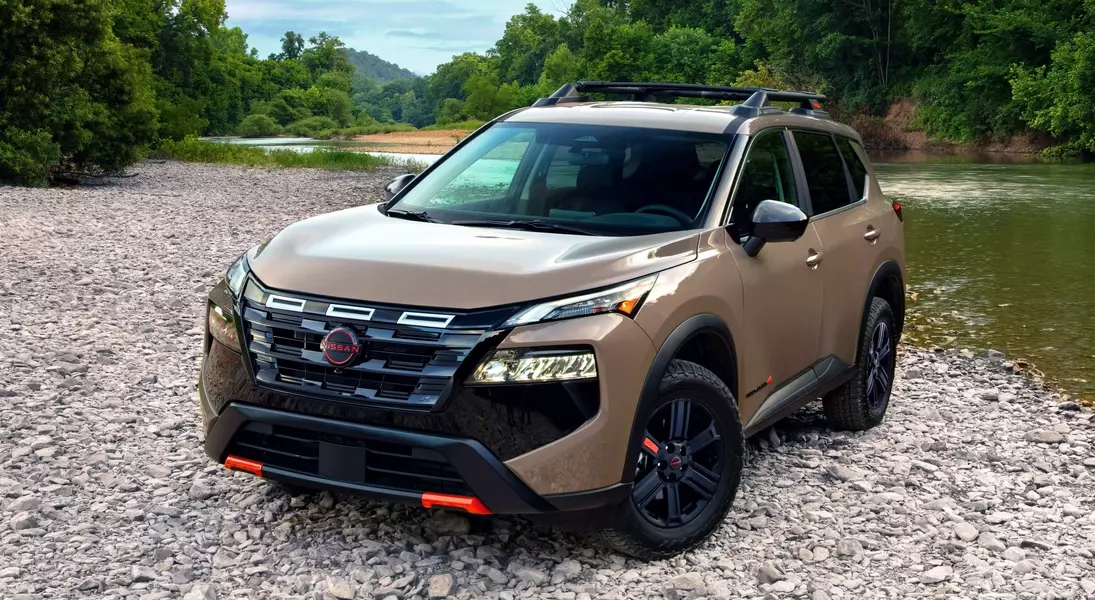
Highlighting the industry's top performers, the Jeep Grand Wagoneer demonstrated impressive growth, with a 57 percent increase in Q2 sales and an 80 percent rise for the first half of the year, signaling a successful repositioning of Jeep's large SUV lineup. Similarly, the Chrysler Pacifica experienced a robust 27 percent surge in sales for both Q2 and the first half, suggesting a positive reception to its updated 2027 model. Furthermore, sedans are experiencing a resurgence, with models like the Honda Accord, Toyota Camry, Hyundai Sonata, and Lexus IS all reporting substantial sales increases. Toyota's 4Runner also saw phenomenal growth, with an 80 percent leap in Q2 and a 141 percent increase year-to-date, attributed partly to the ramp-up of its sixth-generation model's production. Nissan's SUV range, including the Rogue, Pathfinder, and Armada, also contributed to a 10 percent overall sales increase for the brand in Q2.
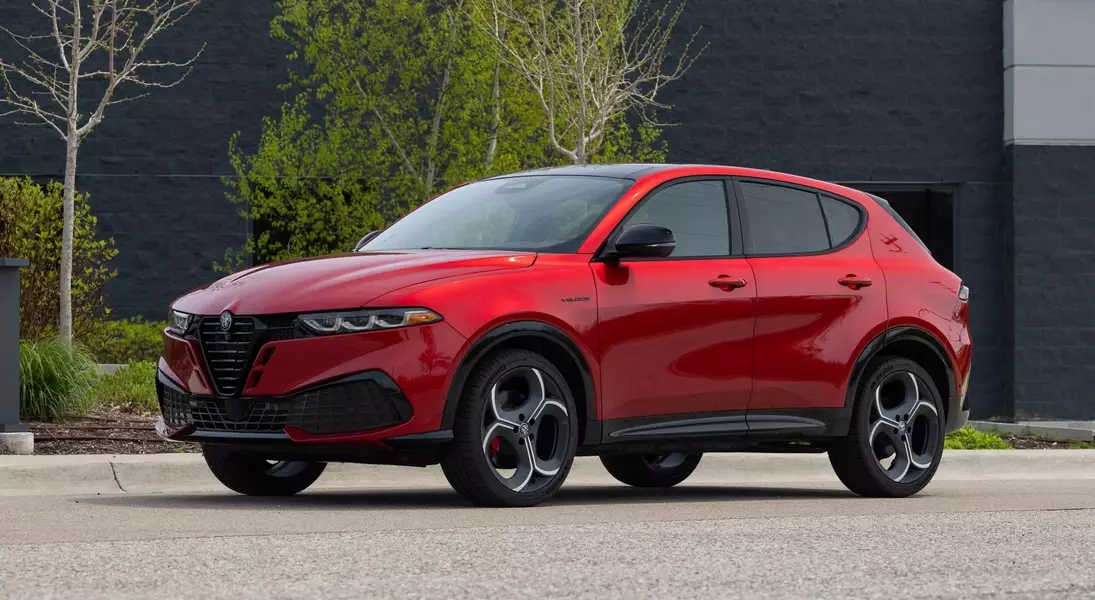
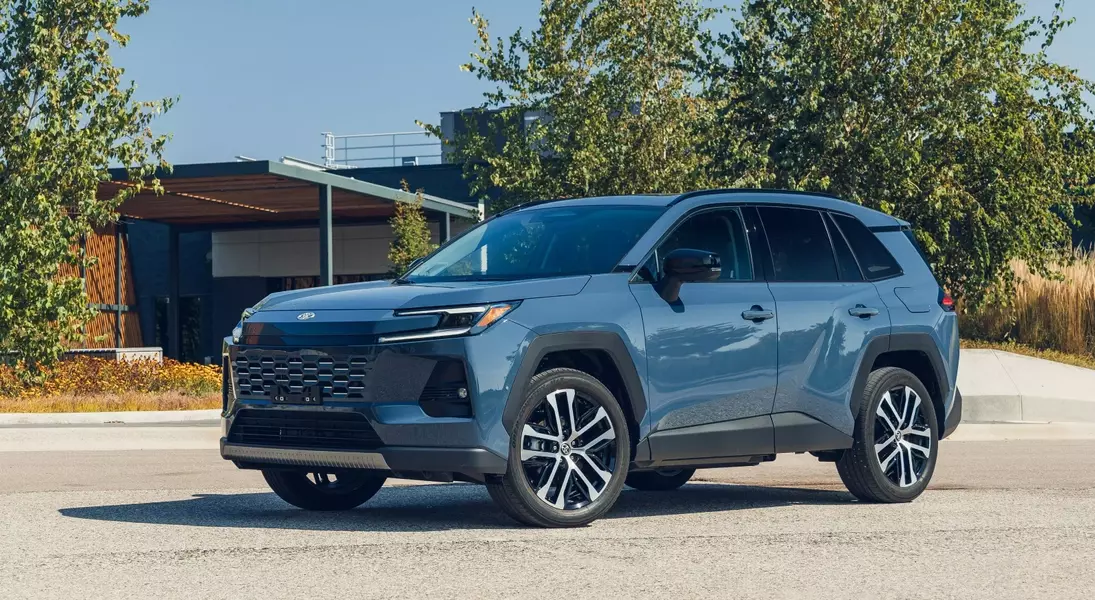
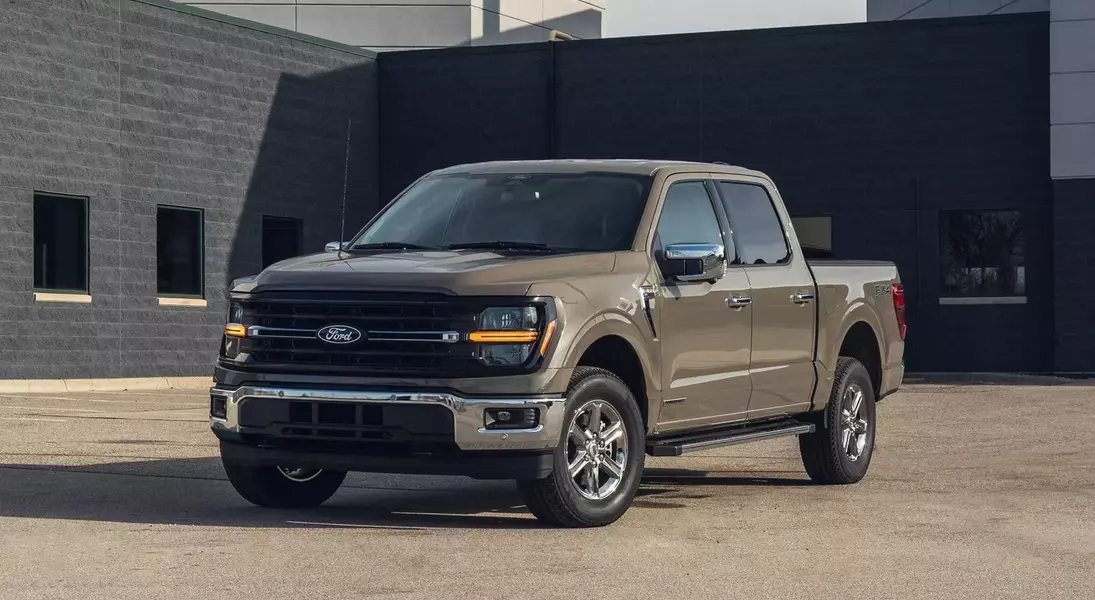
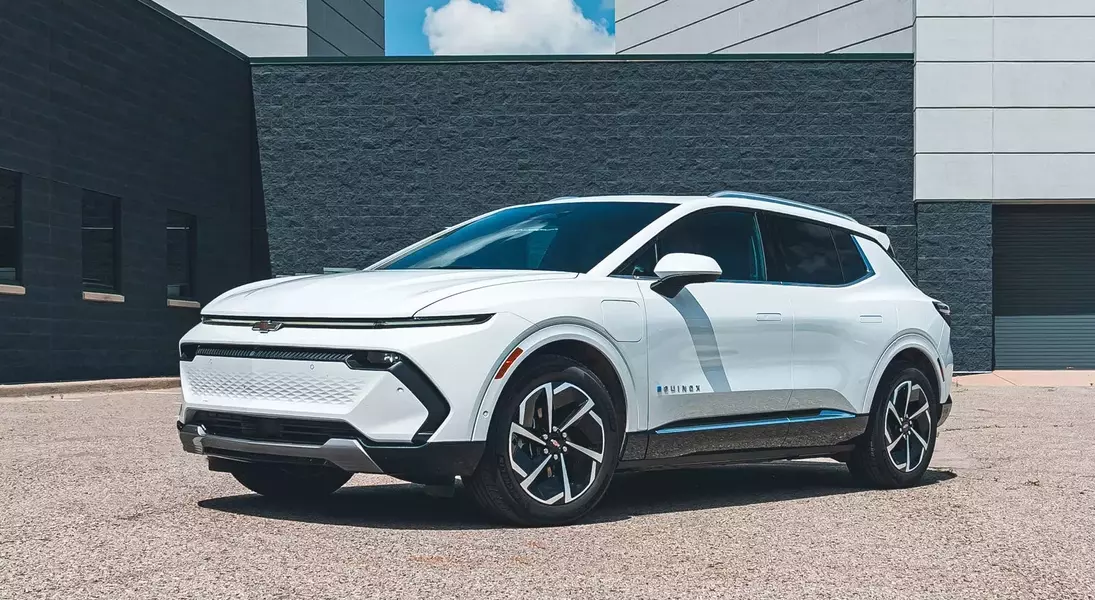
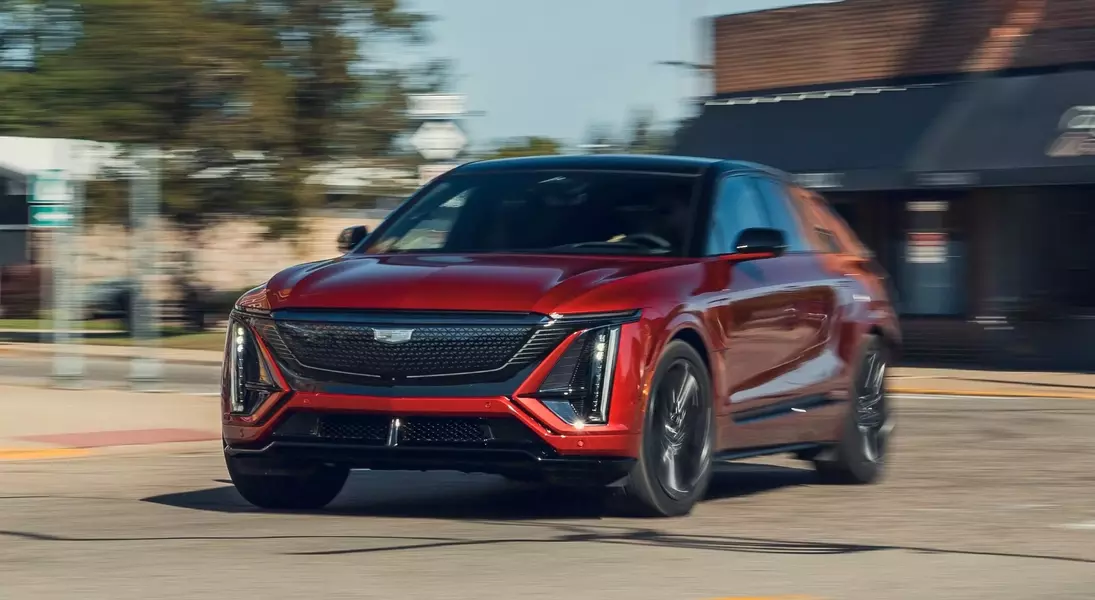
Conversely, several established players faced a downturn. Iconic Toyota models such as the RAV4, Prius, and Land Cruiser experienced significant sales declines, primarily due to production adjustments for new generations or changing market interests. Ford's overall sales saw a 10 percent dip, largely affected by a decrease in F-series truck sales and the discontinuation of popular models like the Escape. Chevrolet's electric vehicle lineup, including the Equinox EV and Blazer EV, struggled to maintain previous year's momentum, recording substantial drops in sales. Luxury brands Cadillac and Alfa Romeo also reported challenging quarters, with Cadillac's sales declining due to the phasing out of some SUV models, and Alfa Romeo facing an increasingly grim outlook in the U.S. market.
The automotive sector's performance in the second quarter of 2026 reflects a dynamic environment where adaptation and innovation are paramount. Success hinges not only on robust product offerings but also on strategic market positioning and the ability to anticipate and meet consumer demands. Companies that embrace change and actively respond to market shifts will continue to drive forward, shaping the future of mobility with optimism and resilience.
