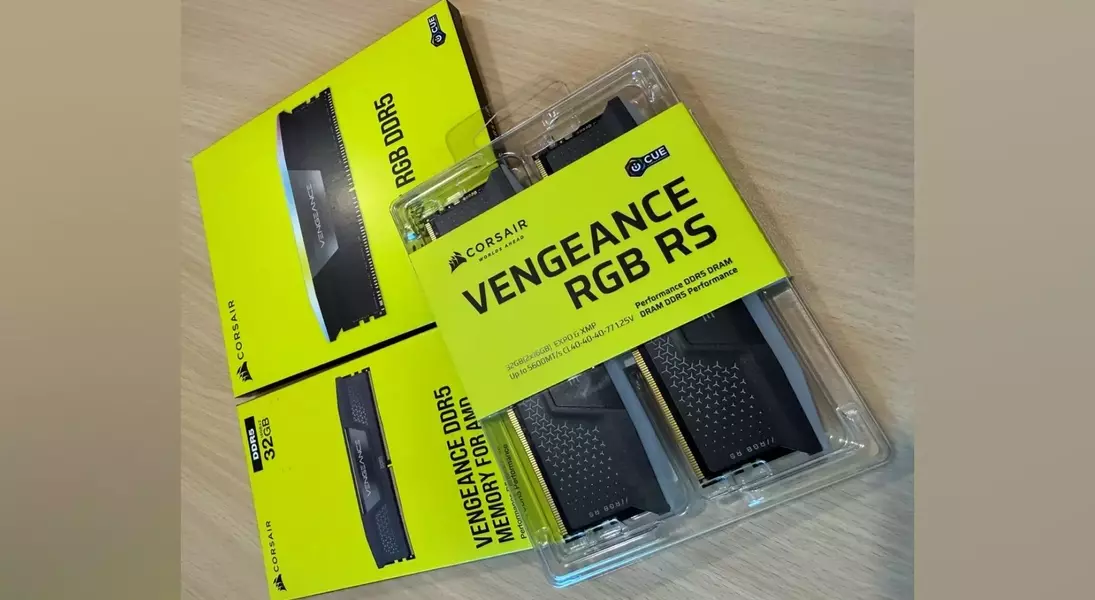

A recent incident involving an Australian gamer and a faulty DDR5 memory kit has brought to light the complexities of consumer rights amidst rapidly fluctuating hardware prices. The individual, identified as Goran, purchased a 32 GB DDR5 kit for AU$155 in 2024. However, when the component developed an issue, the retailer, Umart, offered only a refund based on the original purchase price. This decision left Goran in a difficult position, as the market value for an equivalent DDR5 kit has since skyrocketed to approximately AU$700, creating a substantial financial gap for a like-for-like replacement.
The situation gained public attention through a report by YouTube channel Hardware Unboxed. According to the report, Umart's standard policy allows customers to choose between a replacement or a refund for defective items, provided replacement stock is available. In Goran's case, the specific memory kit was out of stock, leading Umart to issue a refund for the initial purchase amount. This outcome means Goran would need to invest an additional AU$400-AU$550 to procure a comparable memory kit to complete his PC build, a considerable sum that underscores the dramatic increase in DDR5 memory costs, partly attributed to the current 'memory crisis' influenced by AI development demands.
Under Australian consumer law, businesses are obligated to resolve issues with products they sell, including offering a replacement or refund for major faults. A 'major fault' is defined as a problem that would deter a reasonable consumer from purchasing the product had they known about it, or if the product cannot perform its intended purpose. Goran argued that the inability to use the faulty memory kit constituted a major problem, as he would have chosen a different product if he had foreseen such an outcome. After Umart confirmed the defectiveness of the memory kit through its own testing, the retailer maintained that the issue did not meet the legal definition of a major failure that would necessitate an upgrade at their expense. They stated that the product was not unsafe and its issue could be resolved by a replacement of the same model, which was unavailable. Furthermore, Umart clarified that providing a different, higher-priced Corsair model would constitute an 'upgrade' not mandated by the Australian Consumer Law (ACL).
Adding another layer to this narrative, Umart reportedly declined to return Goran's faulty kit, preventing him from seeking a replacement directly from the manufacturer, Corsair. This action forced Goran into accepting the original price refund. Corsair, upon being informed of the situation by Hardware Unboxed, indicated that all their DRAM kits come with a lifetime warranty and that their customer service team would facilitate a replacement through their standard RMA process, regardless of market conditions. However, Hardware Unboxed suggested that this swift response from Corsair might be a result of 'influencer privilege,' given that Goran's earlier attempts to contact Corsair had reportedly gone unanswered for weeks. The incident highlights the challenges consumers face when navigating warranty claims, especially when retailers and manufacturers have differing interpretations of their responsibilities and product availability issues.
The case of Goran and his DDR5 memory kit serves as a stark reminder of the volatile nature of the PC hardware market and the critical importance of understanding consumer protection laws. While Umart adhered to its policy, and arguably its interpretation of the ACL, the consumer was left at a significant financial disadvantage due to market shifts. Corsair's eventual involvement, triggered by public attention, demonstrates the power of community advocacy in ensuring fair treatment for consumers in complex warranty disputes.
