Australian Fashion Week (AFW), under the new stewardship of the Australian Fashion Council (AFC), is undergoing a significant transformation aimed at elevating its global prominence. The event has relocated from its traditional industrial setting to the iconic Museum of Contemporary Art, leveraging Sydney's renowned landmarks like the Opera House and Harbour Bridge as backdrops. This strategic move is designed to attract a wider international audience of press and buyers, thereby facilitating Australian brands' entry into global markets. The AFC's non-profit model emphasizes accessibility and serving as a launchpad for designers, moving away from previous limitations faced under IMG's management. This new direction seeks to foster a more dynamic and inclusive platform for Australian fashion talent.
The shift in leadership for AFW occurred swiftly, with the AFC assuming control only six months before the 2025 event, following IMG's unexpected withdrawal in November 2024. Under IMG's tenure, many brands found the participation requirements prohibitive, hindering their ability to showcase their collections. The AFC's new non-profit framework is a deliberate effort to dismantle these barriers, making AFW a more viable and attractive platform for a diverse range of designers. This change reflects a broader ambition to cultivate and promote Australian fashion on an international scale, recognizing that the domestic market, with its 27 million inhabitants, offers limited growth potential for ambitious labels.
AFW's fashion director, Kellie Hush, highlighted the importance of leveraging Sydney's iconic imagery to gain global visibility. Past shows held at picturesque locations, such as Bondi Born and Carla Zampatti, have demonstrated the power of such visuals in capturing international attention. By staging shows against the backdrop of the Opera House or Sydney Harbour Bridge, the AFC aims to create a distinctive and memorable brand identity for AFW. This approach is intended to resonate with international buyers and media, reinforcing Australia's unique fashion narrative.
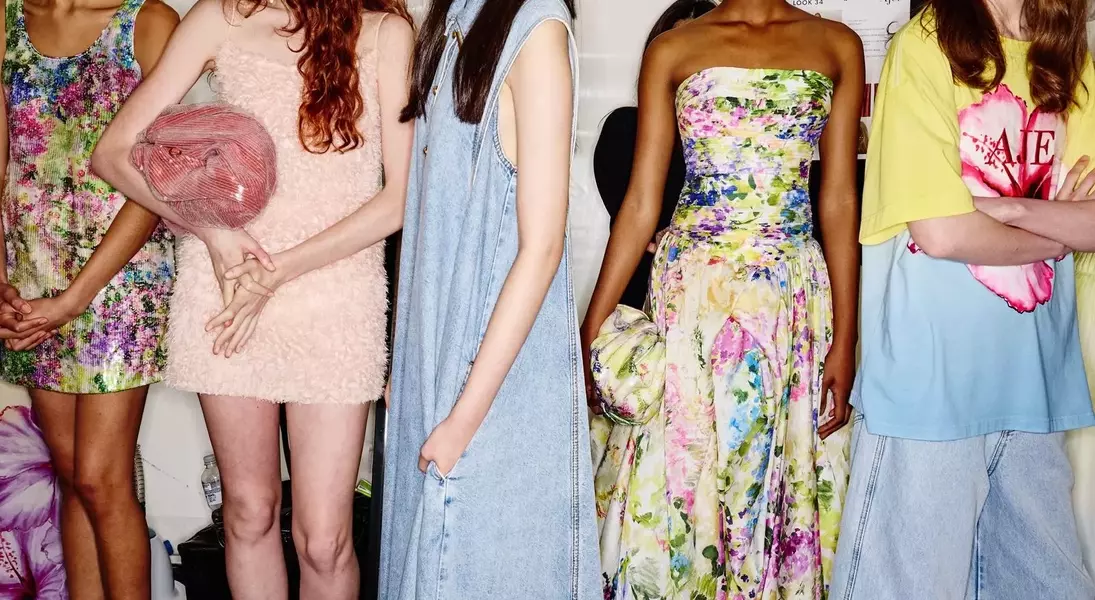
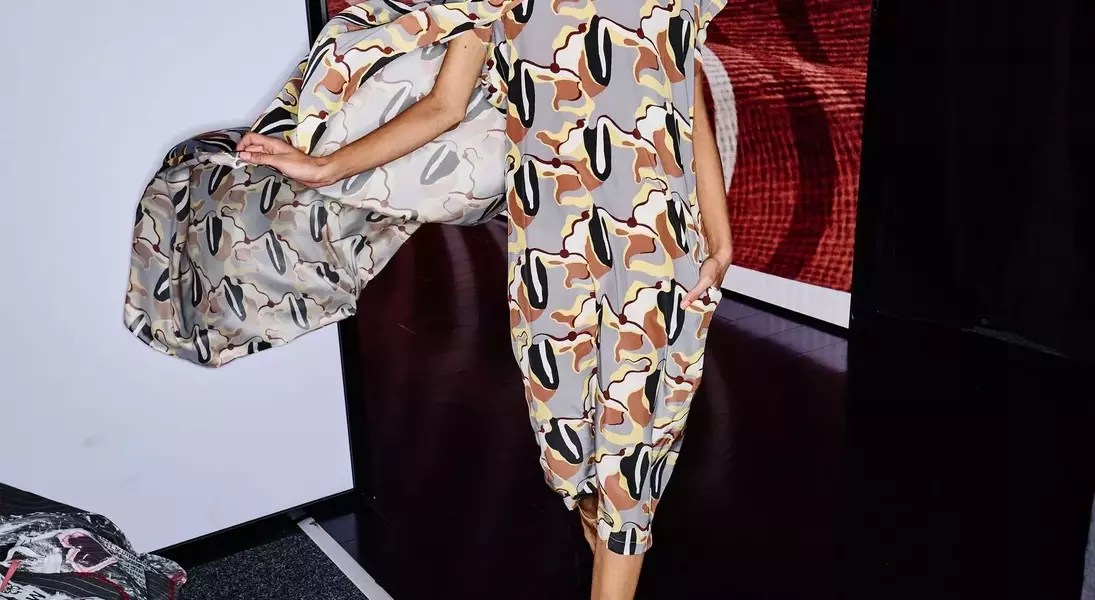
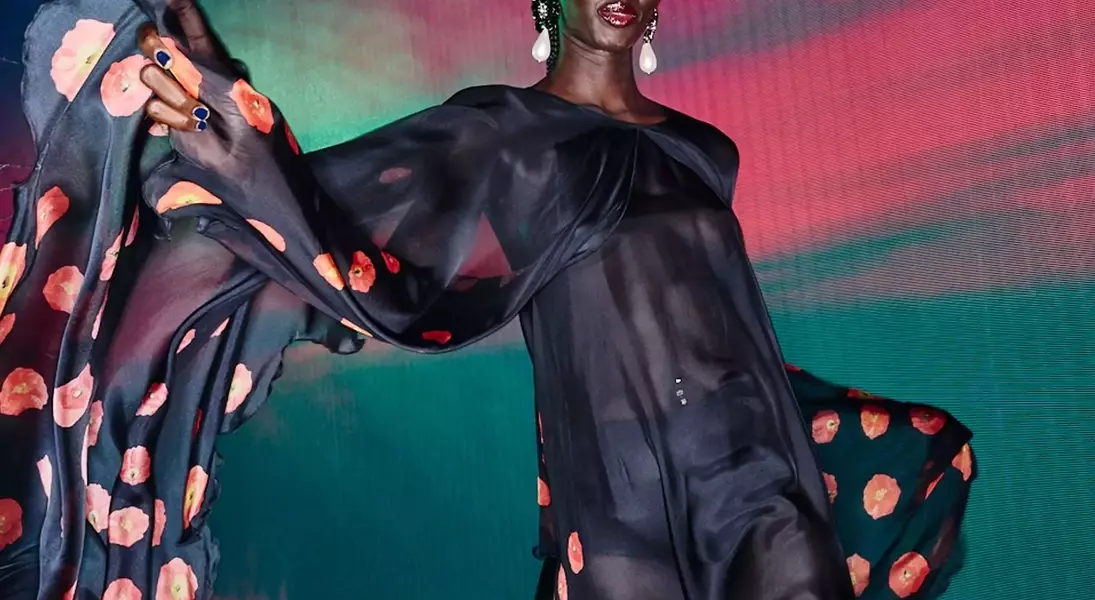
The schedule for AFW, running from May 11 to 15, is set to be vibrant and diverse. It commences with a traditional Welcome to Country ceremony, an acknowledgment of indigenous land. Carla Zampatti will open the week, followed by a presentation from occasionwear label Maticevski, marking founder Toni Maticevski's return after a decade. The lineup also includes established names like Aje, Bianca Spender, and Ngali, alongside burgeoning talents such as Courtney Zheng and Esse. Moreover, independent Indigenous organizations like First Nations Fashion and Design will host off-schedule shows, providing a crucial platform for First Nations creatives and prompting industry reflection on representation.
A significant focus for the AFC is connecting Australian designers with international wholesalers and buyers. Recognizing the financial challenges of global expansion, the council actively assists in coordinating meetings and showroom visits for major retailers. For instance, Net-a-Porter's buying team will extend their visit beyond Sydney to Melbourne and Byron Bay, indicating a keen interest in discovering Australian talent. This direct engagement is vital for designers seeking to overcome geographical and financial hurdles in reaching broader markets.
The appeal of Australian fashion to international buyers is undeniable, particularly its focus on resort and lifestyle wear. Brigitte Chartrand, Chief Buying and Merchandising Officer at Net-a-Porter, notes that the aesthetic aligns well with their customer base, characterized by an easy, feminine feel. Similarly, Kristine Humbert, Buying Manager at Tryano, an Abu Dhabi-based retailer, appreciates the distinctive balance of creativity and wearability, effortless silhouettes, and meticulous attention to fabrication that Australian brands offer. This unique blend provides international retailers with a valuable point of differentiation in their product assortments.
Despite ongoing global travel disruptions, particularly those stemming from the conflict in the Middle East, AFW has successfully attracted international participation. While some buyers faced concerns about travel, the commitment to attend underscores the event's growing significance. Liberty London's buyer, Bella Kelly, emphasized the importance of in-person engagement with the global fashion community, highlighting AFW as a crucial moment in the fashion calendar. This resilience in the face of external challenges further reinforces AFW's burgeoning reputation.
Another challenge identified by Kellie Hush is the high cost for brands to participate in fashion week. Unlike established fashion capitals with vast budgets, AFW operates with more constrained resources. Hush's ambition is to integrate larger, more established brands into the schedule alongside emerging and mid-sized labels, creating a more comprehensive and appealing showcase. Despite financial limitations, the week received approximately 200 applications, indicating strong interest and a vibrant creative landscape within Australian fashion.
The new venue choice and its picturesque surroundings are expected to cement AFW's position on the global fashion stage. Vogue Australia's deputy editor, Alice Birrell, believes that the harbor-front setting, with its proximity to natural elements and abundant sunshine, will reinforce the international perception of Australian fashion as one defined by ease, an outdoor lifestyle, and resort-focused aesthetics. This imagery, though not encompassing all facets of Australian fashion, has been central to many of its success stories and will continue to be a powerful draw for international audiences. The re-energized industry, with its focus on distinct creative viewpoints, is poised to reshape the narrative of Australian fashion for years to come.
The Australian Fashion Council's renewed approach to Australian Fashion Week marks a pivotal moment for the nation's fashion industry. By prioritizing accessibility for designers, strategically leveraging iconic Sydney landmarks for global appeal, and actively connecting local talent with international buyers, AFW is poised to solidify its standing as a key event on the global fashion calendar. The commitment to showcasing a diverse range of established and emerging designers, coupled with a focus on Australia's unique resort and lifestyle aesthetic, positions AFW for sustained growth and influence. Despite navigating global challenges, the event demonstrates a robust vision for fostering creative talent and expanding Australian fashion's reach far beyond its shores.
