In a significant strategic pivot, Audi has declared the era of the universal vehicle, designed to appeal uniformly across all markets, to be obsolete. This shift is primarily driven by the acknowledgment that diverse regional preferences, particularly evident in the rapidly evolving Chinese automotive market, necessitate a more tailored approach to vehicle development and design. The company is now focusing on creating region-specific models to cater to the distinct demands and tastes of different consumer bases worldwide.
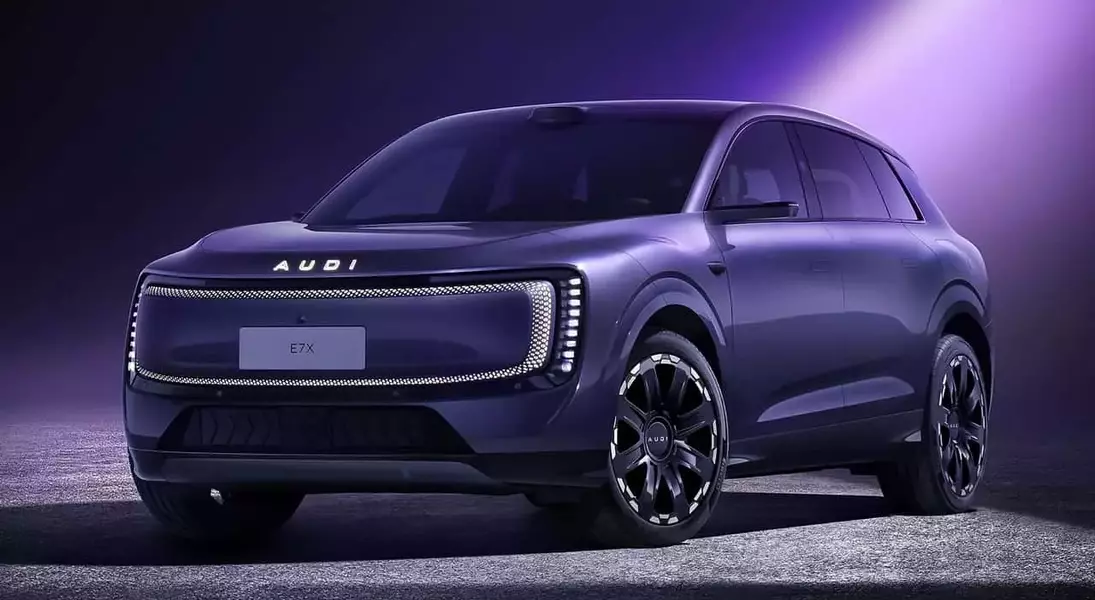
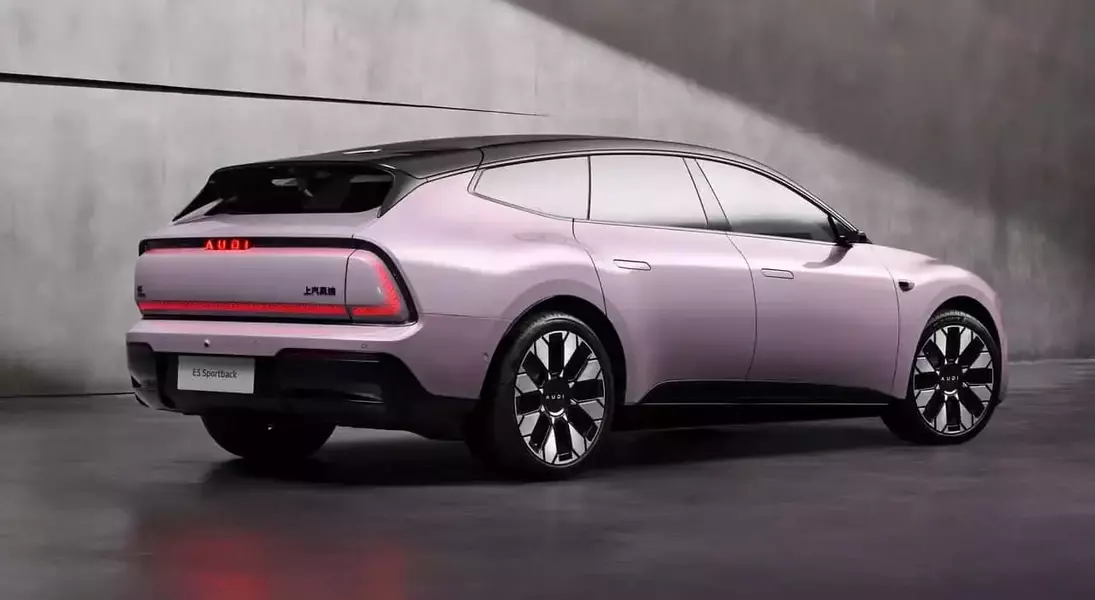
Audi's recognition of the demise of the 'global car' concept stems from its extensive experience as one of the first luxury car manufacturers to enter China in 1988. Over the decades, it became apparent that Chinese consumers favored vehicles with greater interior space, especially in the rear. This insight led to early adaptations, such as extending the wheelbases of global models for local production. More recently, Audi has taken this localization strategy a step further by establishing a new, distinct brand in collaboration with SAIC, explicitly for the Chinese market. This brand, styled as AUDI (without the traditional Four Rings emblem), currently offers exclusive models like the E5 Sportback and E7X SUV, with a new sedan soon to join the lineup, all unavailable elsewhere globally. This initiative underscores Audi's belief that a one-size-fits-all product strategy is no longer viable in today's complex and diversified automotive landscape.
The Chief Technical Officer, Rouven Mohr, highlighted this incompatibility in an interview, stating that a single car model no longer suffices for markets as varied as the US and China, advocating for a 'local-for-local' approach. This sentiment is echoed by Ralf Brandstätter, head of Volkswagen's China operations, who pointed out fundamental differences in consumer expectations: European buyers prioritize tactile controls, durability, and driving dynamics, while Chinese consumers lean towards 'AI-first, connected vehicles' with advanced voice control and smart cockpits. These divergences underscore the necessity for localized innovation.
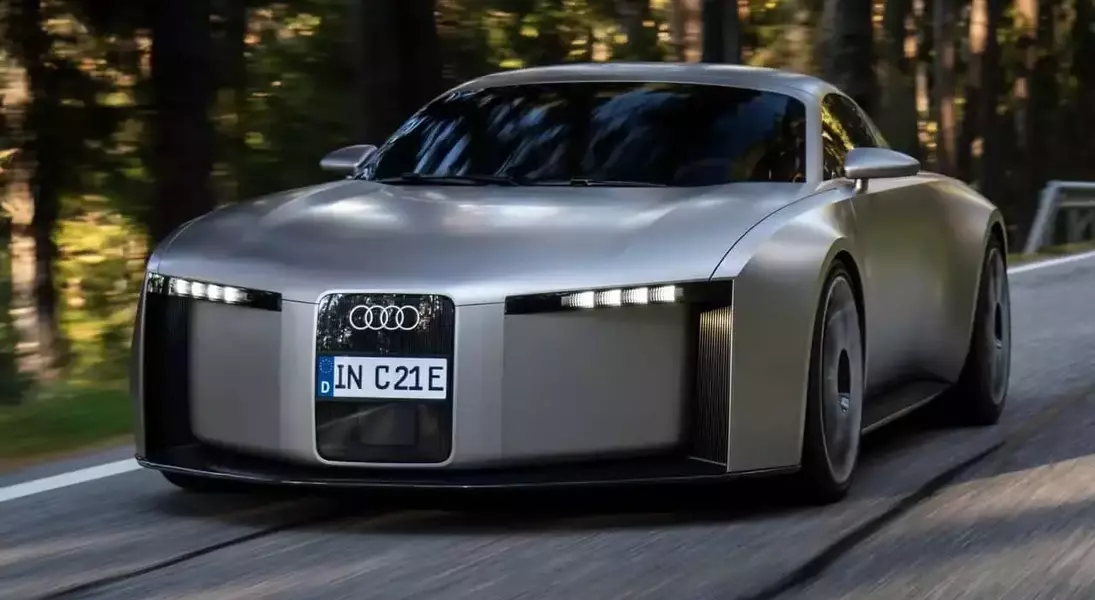
While the new AUDI brand spearheads market-specific innovation in China, the traditional Audi brand, with its iconic Four Rings, will continue to offer its established models there, catering to those who prefer its long-standing German character. However, future growth is anticipated to be significantly propelled by the localized AUDI brand. Furthermore, Audi's core brand is also undergoing a design evolution, adopting a 'Strive for Clarity' philosophy, as seen in concept vehicles like the Concept C and Nuvolari sports cars. This new design language, slated for mass production with the electric A4 in 2028, also promises interior enhancements, including improved quality and a return to more physical controls, aiming to harmonize technological advancement with intuitive user experience.
The global automotive landscape has become increasingly fragmented, requiring manufacturers to abandon uniform strategies in favor of bespoke solutions for various markets. The rapid advancements and growing strength of domestic brands in China have intensified competition, forcing traditional luxury automakers to innovate beyond their conventional offerings. This competitive pressure, coupled with a generational shift in consumer values where brand prestige is less paramount than product quality and technological integration at a competitive price point, necessitates the localized product development strategies that Audi is now aggressively pursuing.
