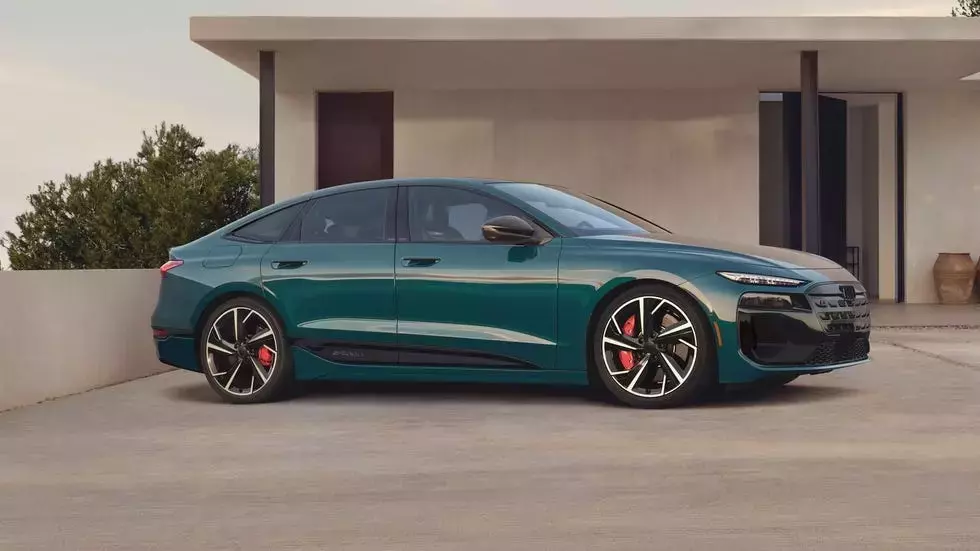
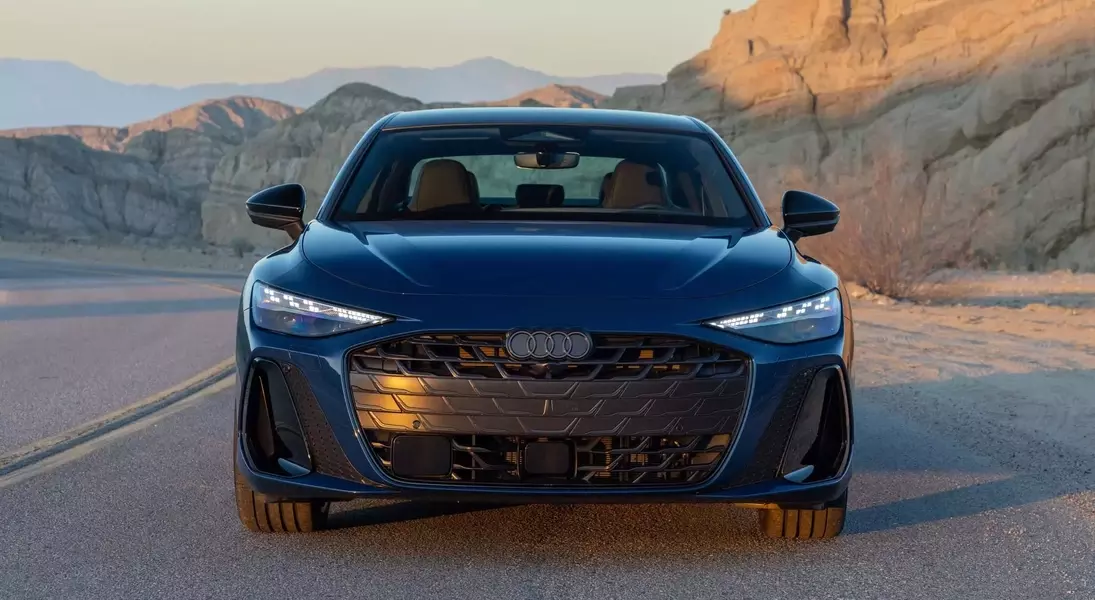
Audi has announced a significant shift in its performance sedan strategy, confirming the discontinuation of the gasoline-powered S6 sedan for the 2026 model year. This move comes as the automotive industry increasingly embraces electrification and performance enhancements become available across broader model ranges. While the traditional S6 bids farewell, Audi is directing enthusiasts toward its more potent electric stablemate, the S6 e-tron, and a newly introduced Sport Plus package for the standard A6, which incorporates many of the S6's acclaimed performance features.
Audi's Performance Sedan Lineup Evolves with Electric S6 and A6 Sport Plus Package
In a recent announcement, Audi confirmed that its gasoline-powered S6 sedan, a sportier variant of the A6, will not be part of its U.S. lineup for the 2026 model year. This decision marks a strategic pivot for the German luxury automaker, signaling a greater emphasis on electric performance vehicles and integrated sport packages within its core models. Previously, the S6 was lauded for its blend of luxury and dynamic driving capabilities, but its role will now be absorbed by other offerings.
For performance enthusiasts seeking exhilaration, Audi points to the electric S6 e-tron, which is already available. This formidable electric vehicle (EV) boasts a dual-motor powertrain generating an impressive 543 horsepower. In internal testing, the S6 e-tron demonstrated its superior acceleration, reaching 60 mph in a swift 3.4 seconds, significantly outperforming the previous 444-hp gasoline-powered S6 by over half a second. This electric variant not only promises enhanced performance but also aligns with Audi's broader commitment to sustainable mobility.
Furthermore, the newly unveiled 2026 A6 sedan introduces a compelling Sport Plus package. Priced at $5850 and exclusively available on the top-tier Prestige trim level, this package equips the A6 with a suite of upgrades previously reserved for the S6. These enhancements include high-performance summer tires, a lowered suspension system for improved handling, a sophisticated torque-vectoring differential, and various distinctive visual modifications for both the exterior and interior. This means that even without the dedicated S6 model, drivers can still experience a significant boost in performance and sportiness within the A6 lineup.
Amidst these changes, rumors persist regarding the future of the RS6 Avant, a high-performance wagon that continues to feature the older A6 body style for the 2026 model year, powered by a robust 621-hp twin-turbo 4.0-liter V-8 engine. Industry observers anticipate that the next-generation RS6 might adopt a plug-in hybrid powertrain, following the trend set by its key competitors, such as the Mercedes-AMG E53 and BMW M5 Touring. This suggests that Audi's evolution in performance vehicles will continue to balance raw power with efficiency and advanced technology.
This strategic realignment by Audi reflects a broader industry trend where electrification and customizable performance packages are becoming increasingly central to automotive development. For consumers, this translates into a wider array of choices, allowing them to tailor their driving experience while embracing more sustainable options. The discontinuation of the gasoline S6 is not an end but rather a transformation, paving the way for a new era of high-performance Audi vehicles.
The automotive landscape is in a constant state of flux, driven by technological advancements and evolving consumer demands. Audi's decision to discontinue the gasoline-powered S6, while potentially disappointing for some traditionalists, highlights a forward-thinking approach. It underscores the undeniable momentum towards electrification and the integration of high-performance features into a wider range of vehicles. This shift encourages us to reconsider what defines a "performance car" in the modern era. Is it solely about raw engine power, or does it encompass a holistic blend of electric thrust, advanced chassis dynamics, and customizable driving experiences? Audi's new strategy suggests the latter, presenting a compelling vision for the future where performance is not confined to a single model but is woven into the very fabric of its diverse lineup.
