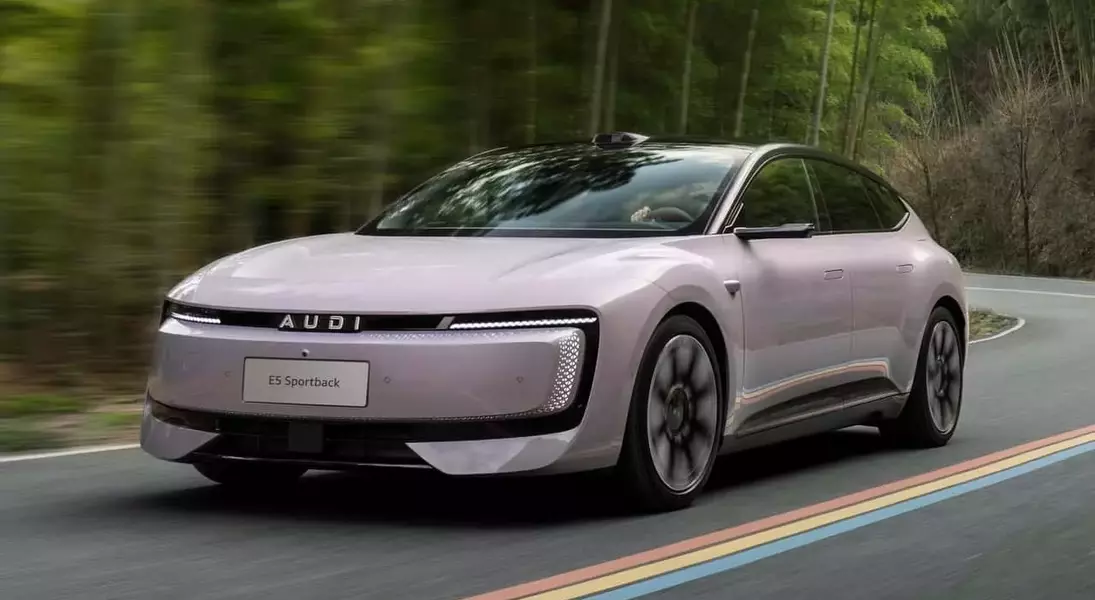
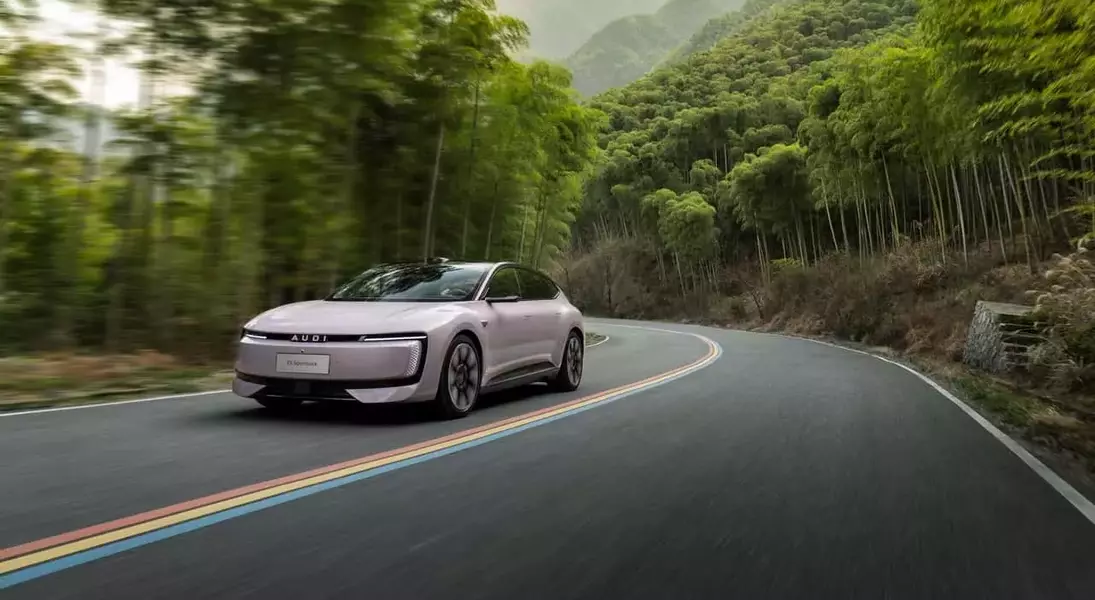
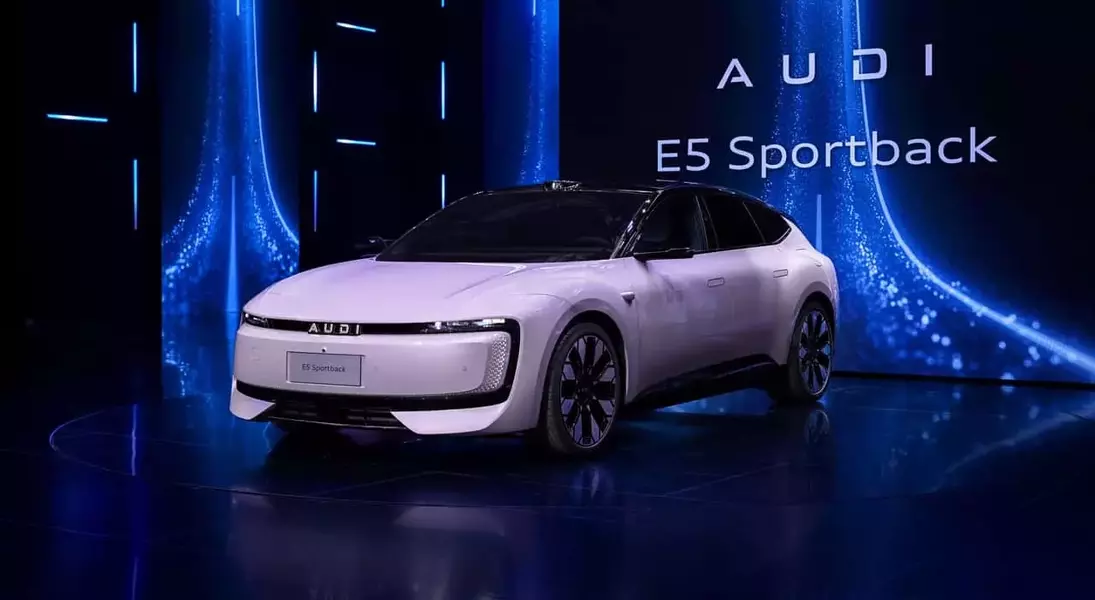
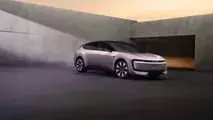
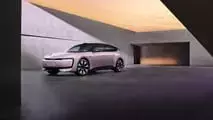



Audi's recently established sub-brand in China, launched in collaboration with SAIC Motor, is encountering an unexpectedly tough journey in the competitive electric vehicle market. Despite an initial "overwhelming" demand for its E5 Sportback model, with over 10,000 pre-orders, actual sales have fallen far short, signaling a significant hurdle for the brand's ambitious expansion plans. The company is now actively implementing aggressive strategies, including price reductions and appealing financing schemes, to invigorate consumer interest and strengthen its position against entrenched local competitors.
Audi's Strategic Maneuvers to Boost E5 Sportback Sales in China
In 2024, the renowned German automaker Audi initiated a strategic joint venture with SAIC Motor, launching a dedicated sub-brand in China. This new entity introduced two models: an elegant sportback and a versatile SUV. Early reception for the E5 Sportback was enthusiastic, with executives noting an "overwhelming" initial response and a flood of over 10,000 pre-orders almost immediately upon its debut. However, this initial fervor did not translate into sustained sales. Data from the China EV Data Tracker revealed that only 7,070 E5 Sportbacks have been sold to date, with a mere 420 units moved in January alone, significantly below the pre-order figures.
To counteract this deceleration and boost market penetration, Audi has recently unveiled substantial incentives for the E5 Sportback. Buyers can now benefit from a total discount of ¥30,000 (approximately $4,400 USD). This comprehensive package includes ¥10,000 in purchase tax compensation, a direct ¥10,000 cash discount, and an additional ¥10,000 trade-in subsidy. These reductions bring the entry-level price of the E5 Sportback down to ¥205,900 (roughly $29,910 USD), positioning it more competitively against popular domestic electric vehicles such as the Zeekr 007 GT and the Xiaomi SU7.
Furthermore, to enhance accessibility for a broader consumer base, Audi is offering flexible financing solutions. Prospective buyers can opt for either a five-year installment plan with zero interest or a seven-year low-interest financing option. The standard E5 Sportback model is equipped with a single rear-mounted motor and a 76.0-kilowatt-hour battery, generating 295 horsepower and offering a claimed range of 384 miles (618 kilometers) on the CLTC cycle. For those seeking enhanced performance, a Quattro variant boasts a larger 100.0-kWh battery and an impressive output of 776 horsepower.
Looking ahead, the successful launch of the brand's second SUV model later this year is anticipated to be a pivotal moment. This expansion of the product line is crucial for broadening appeal and regaining momentum in a market where Audi arrived relatively late compared to other established international and burgeoning local manufacturers.
Audi's endeavors in the Chinese electric vehicle market serve as a compelling case study of the intense competition and rapid evolution characterizing the global automotive landscape. The initial hype followed by sales challenges for the E5 Sportback highlight the complexities of establishing a new brand presence, even for a globally recognized name. The brand's strategic response, focusing on aggressive pricing and diverse financing, demonstrates a clear commitment to adapting to local market dynamics. The imminent launch of a new SUV is a critical next step, offering an opportunity for Audi to recalibrate its strategy and carve out a sustainable niche. This situation underscores the imperative for swift adaptation and innovation for any foreign brand aspiring to thrive amidst the formidable local players and fast-changing consumer preferences in China's dynamic EV sector.
