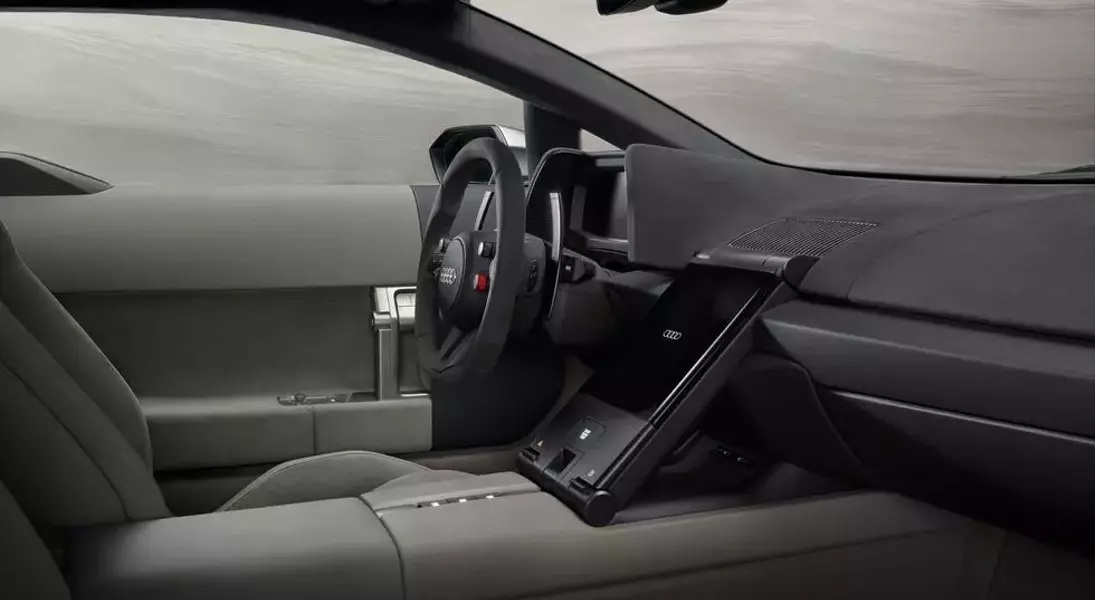

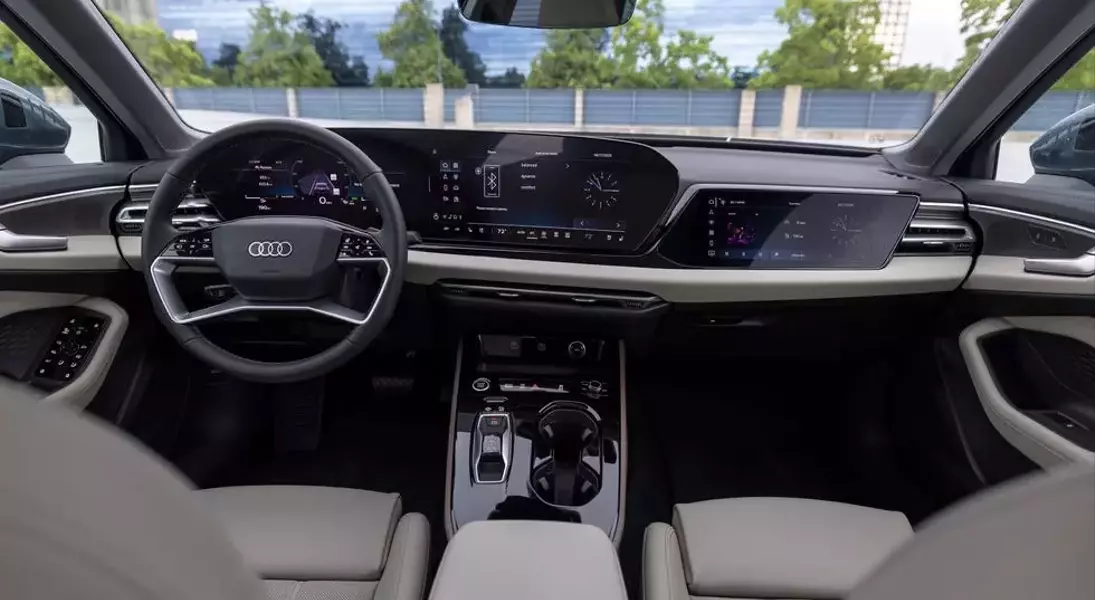
In an effort to better serve distinct consumer preferences, Audi is embarking on a new strategic direction, moving away from the concept of a singular "global car." According to Rouven Mohr, Audi's chief technical officer, it has become impractical to design a vehicle that satisfies all customers across different regions, particularly when considering the contrasting tastes for in-car technology. This realization stems from market research indicating that Chinese consumers favor advanced screens and AI features, whereas those in European and North American markets prefer physical buttons and tactile controls. The divergence in these preferences is too significant to reconcile within a single vehicle design.
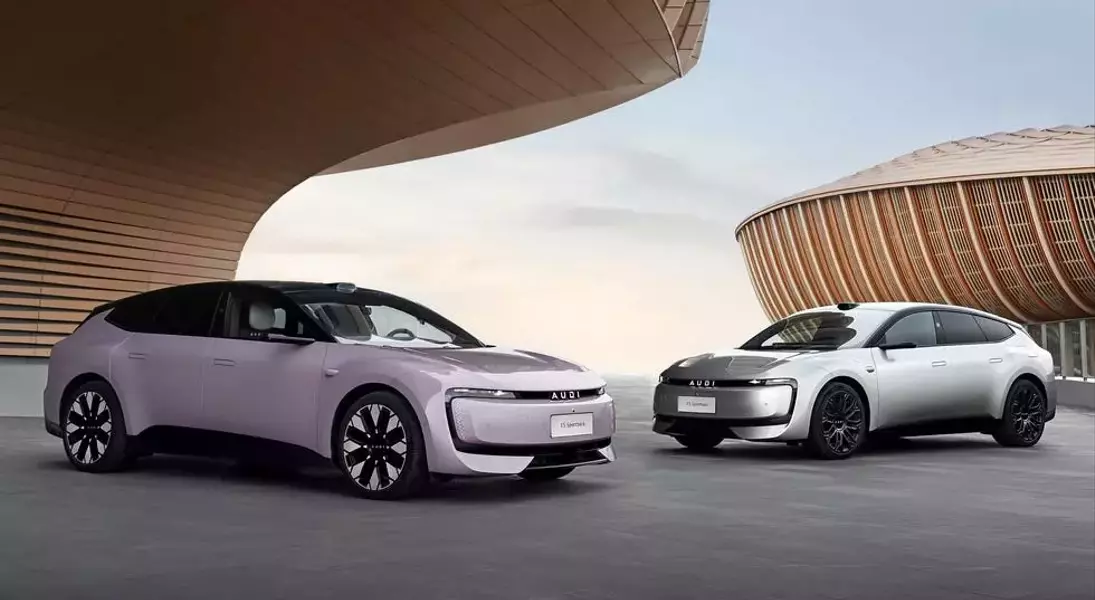
This market fragmentation has prompted Audi to establish a two-pronged approach. The core Audi brand will concentrate on its European and North American clientele, with a likely return to more physical controls in its vehicle interiors. Concurrently, a separate entity, AUDI (distinguished by its all-caps styling and lack of the traditional four rings logo), has been formed in partnership with Chinese manufacturer SAIC. This new venture is dedicated to developing vehicles specifically for the Chinese market, emphasizing cutting-edge technology and extensive screen integration. This includes models like the E5 Sportback and E7X SUV, designed to compete in China's rapidly evolving, tech-driven automotive sector, where local manufacturers have gained significant ground.
The shift to a dual-brand strategy also includes a revamp of production processes. Both Audi and AUDI are adopting a "project house" model, grouping related development stages to expedite approval and production timelines. This streamlined approach, already successful with models like the Nuvolari and slated for the upcoming A4 E-Tron, prioritizes efficiency and focus. While the primary Audi brand will continue to offer some of its models in China, the strategic separation ensures that each entity can independently innovate and cater to its target audience without the constraints of a universal design. This allows Audi to refine its design language and technology for Western markets, incorporating upgraded features and subtly integrated screens alongside a return to more traditional controls, ultimately fostering market-specific excellence and competitiveness.
By embracing regional specialization, Audi is demonstrating an adaptive and forward-thinking approach to global manufacturing. This strategy ensures that customer needs are met with precision, cultivating innovation and driving success in diverse markets. It's a testament to understanding that true global presence often requires local relevance.
