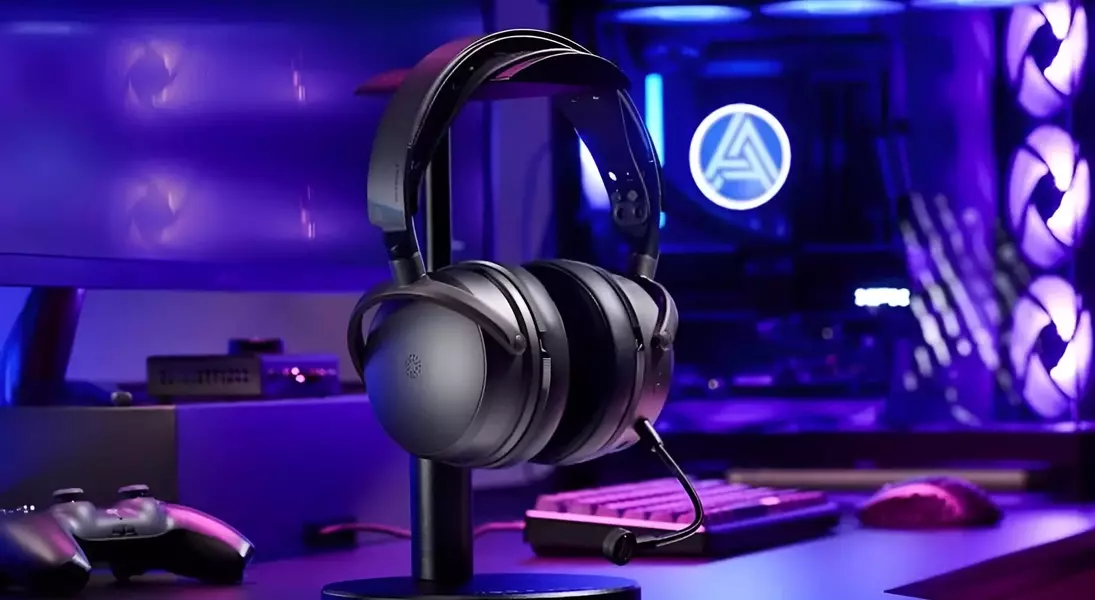
Audeze, renowned for its high-fidelity audio equipment, has officially introduced the Maxwell 2, an advanced planar magnetic gaming headset. This new model arrives with an impressive list of 16 enhancements, many directly inspired by user feedback, alongside a completely redesigned software application for all Audeze audio devices. These updates aim to solidify the Maxwell series' position as a top-tier choice for gaming enthusiasts.
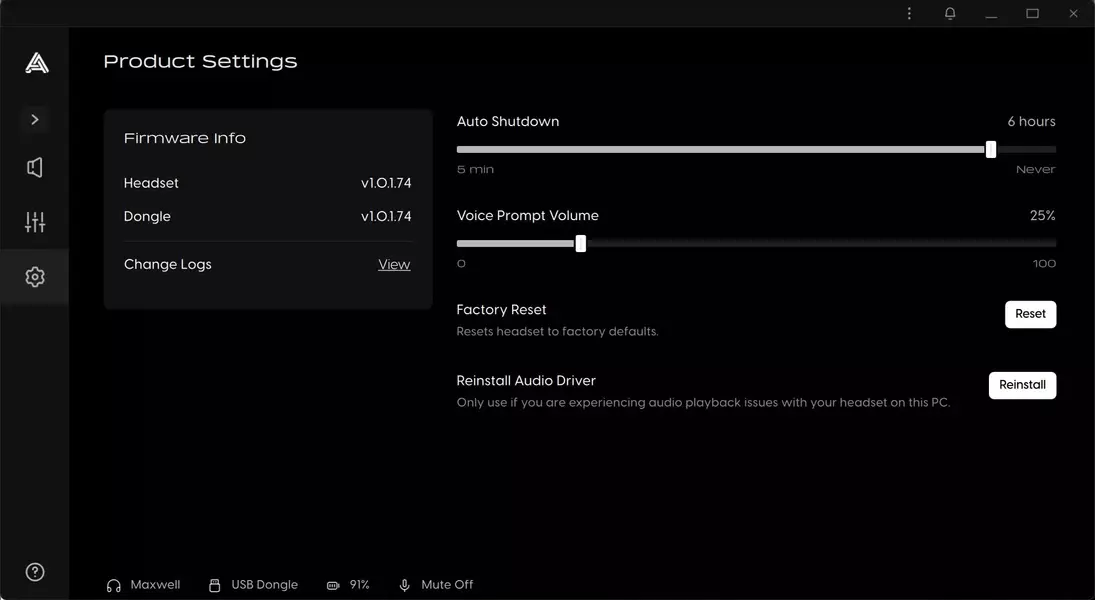
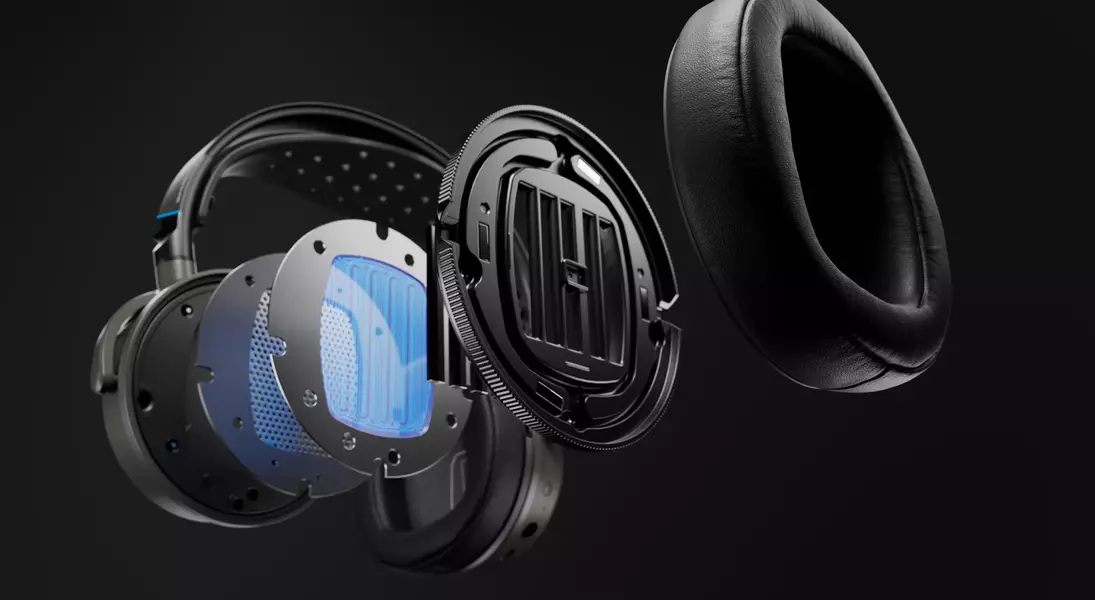
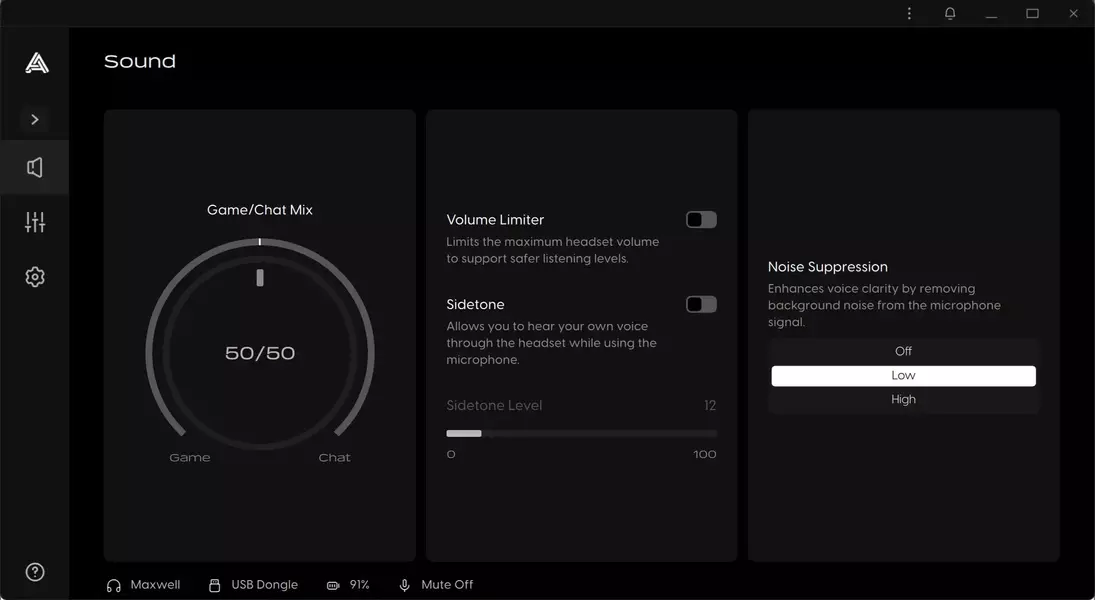
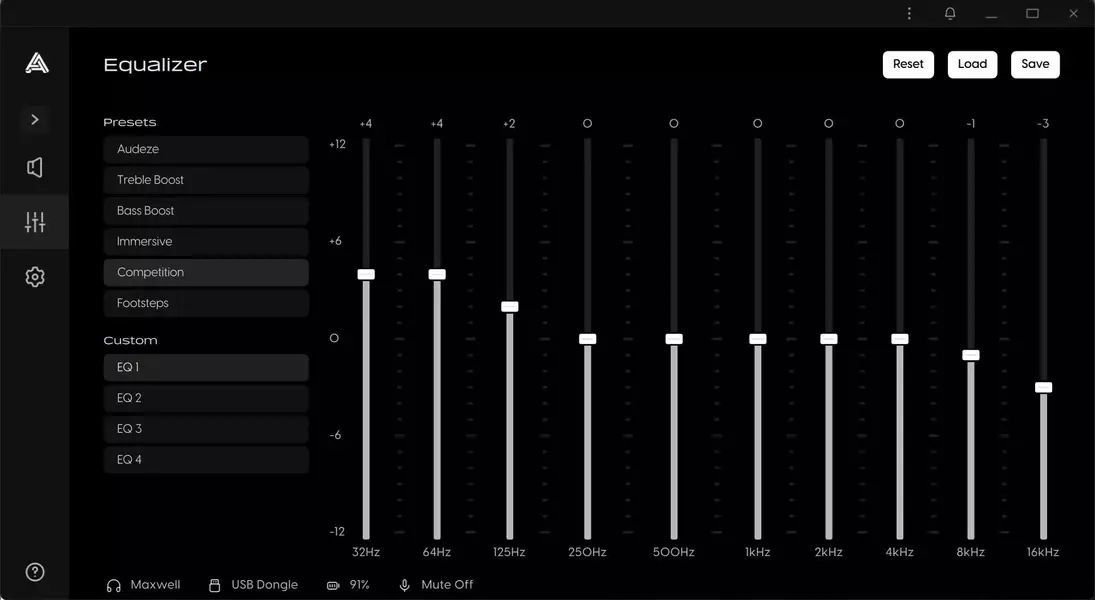
While retaining the acclaimed core audio components of its predecessor, such as the 90mm planar magnetic transducers, Fluxor magnet array, and Fazor phase management, the Maxwell 2 introduces several notable improvements. A significant addition is Audeze's SLAM (Symmetric Linear Acoustic Modulator) technology, which enhances bass response and overall audio balance. Physical refinements include subtle porting on the ear cups for a punchier bass, a vented head strap to prevent overheating during extended use, and customizable magnetic ear cup skins. Internally, the microphone has doubled its bandwidth for clearer voice communication, and the AI-powered noise removal system has been refined. The headset also now supports Bluetooth Auracast, although simultaneous Bluetooth connections are still absent. Audeze has also launched a modern, user-friendly software application, addressing previous criticisms about its outdated interface, despite some initial connectivity issues when switching between wired and wireless modes.
The Maxwell 2 is available in two versions: a PlayStation-compatible model priced at $329 and an Xbox version at $349, with the latter including a Dolby Atmos license for spatial audio, contrasting with the PlayStation version's reliance on Sony's Tempest 3D technology. As reviewers prepare to evaluate these enhancements, the gaming community eagerly anticipates how these updates translate into real-world performance. This continuous innovation from Audeze demonstrates a commitment to elevating the gaming audio experience, pushing boundaries and setting new standards for clarity, immersion, and user satisfaction.
