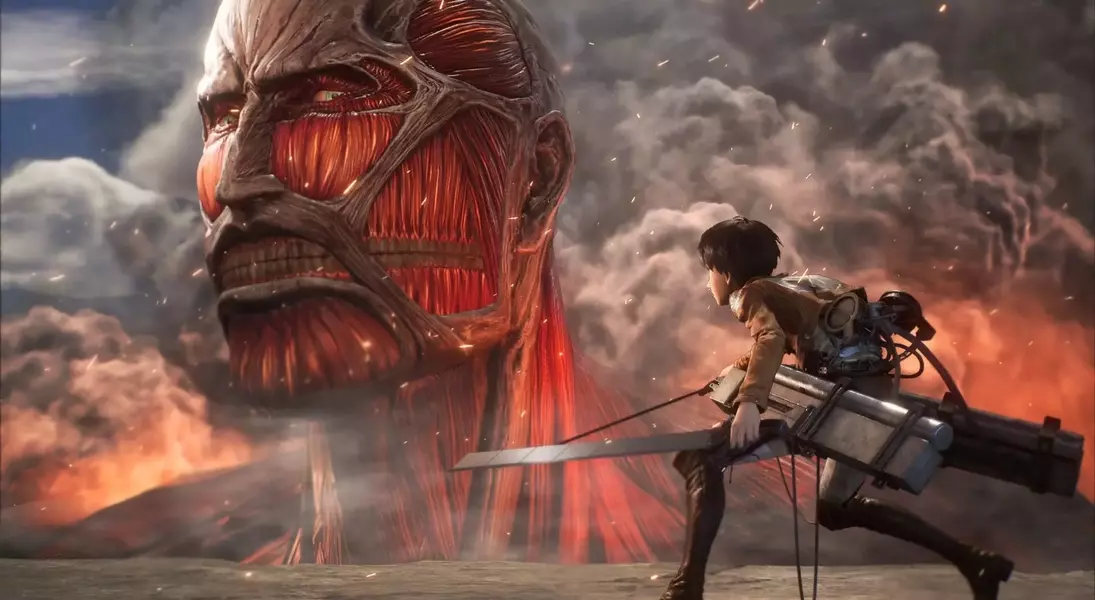
Koei Tecmo has released a wealth of information regarding Attack on Titan 3, the newest video game adaptation derived from the renowned manga series. Initially announced during Summer Game Fest 2026, this upcoming title promises to cover the complete narrative arc of the manga and is slated for release this winter.
A comprehensive 45-minute presentation on July 1 provided an in-depth look at Attack on Titan 3, including a new gameplay trailer. Unlike its predecessors from 2016 and 2018, which only covered portions of the story, this installment will not directly follow the events of Attack on Titan 2. Instead, it will retell the entire saga, mirroring the anime's adaptation. The game retains a mission-based main story, but notably introduces an innovative open-world feature, allowing players unprecedented freedom to explore the game's environment. Furthermore, the signature ODM (Omni-Directional Mobility) gear mechanics have been refined for a more fluid and engaging traversal experience.
Beyond the core combat and scouting missions against Titans, Attack on Titan 3 offers social elements, enabling players to interact with beloved characters from the series. A unique aspect is the ability for players to create their own original character, who will then participate in the pivotal moments alongside the established cast, rather than playing as Eren Yeager, the series' protagonist. Koei Tecmo concluded the gameplay reveal by confirming the game's release window for late 2026 to early 2027. A significant surprise was the announcement that MAPPA, the studio behind Attack on Titan: The Final Season and other hit anime like Jujutsu Kaisen and Chainsaw Man, will animate the game's opening cinematic. However, this cinematic will be delivered as a post-launch update, rather than being available at the game's initial release. Attack on Titan 3 will be accessible across multiple platforms, including Nintendo Switch 2, PlayStation 5, Windows PC, and Xbox Series X/S.
The announcement of Attack on Titan 3, particularly its commitment to adapting the entire manga narrative and introducing an expansive open-world system, signifies a monumental step forward for the game series. This comprehensive approach, combined with the creative input from renowned animation studio MAPPA, not only promises a rich and immersive experience for fans but also exemplifies how interactive media can deepen engagement with beloved fictional universes. Such developments encourage creativity and innovation in game design, fostering a positive environment where storytelling transcends traditional boundaries and new forms of artistic collaboration flourish.
