The ASUS ProArt P16, featuring NVIDIA's groundbreaking RTX Spark System-on-a-Chip, stands out as a remarkably versatile and high-performing portable computer. Despite its significant cost, this device offers an exceptional experience for creative tasks, artificial intelligence processing, and even demanding gaming. Its elegant design and vibrant OLED screen further enhance its appeal, making it a compelling option for users whose needs extend beyond a single use case.
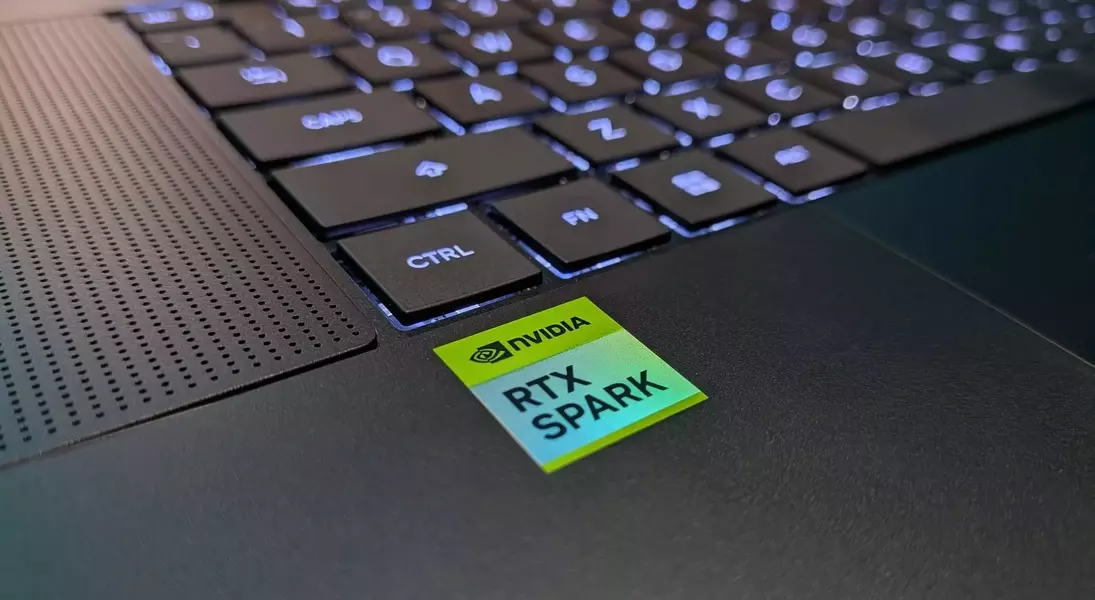
This advanced laptop is distinguished by its NVIDIA RTX Spark processor, a pioneering Arm-based SoC that integrates a robust RTX Blackwell GPU with numerous Arm CPU cores and substantial LPDDR5X memory, specifically optimized for AI applications. The 64 GB model with the top-tier N1X SoC carries a premium price of $4,400. While the cost is substantial, largely due to the advanced AI capabilities and high-capacity memory, the ProArt P16 aims to be a comprehensive 'One PC' solution, excelling in gaming, creative software, and local AI workloads without significant compromise.
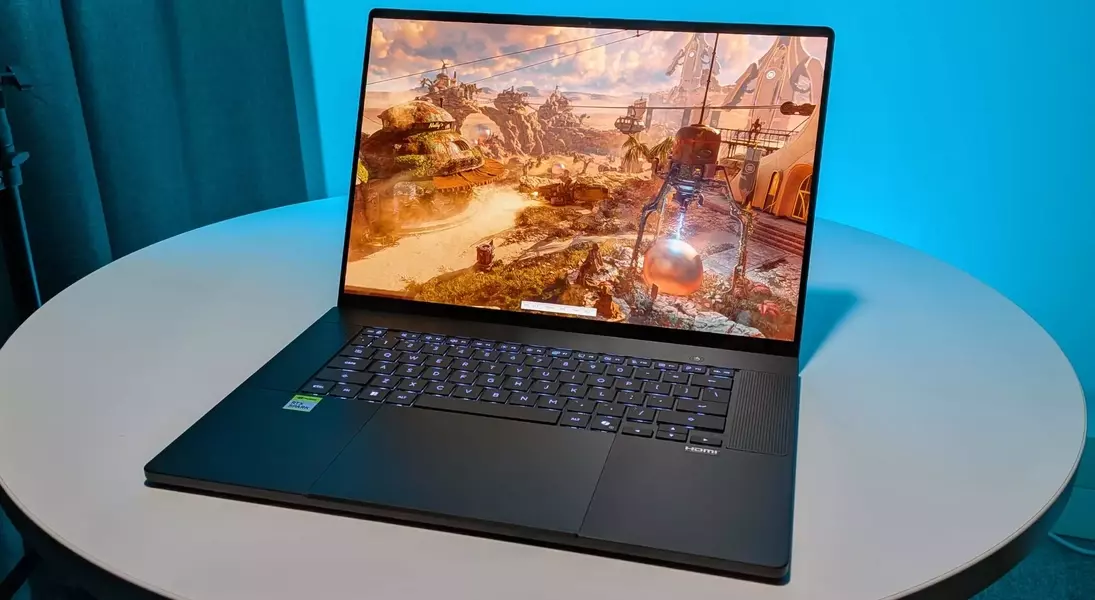
A notable feature of the ProArt P16 is its exquisite 16-inch OLED touchscreen display. The review model boasts a 2880 x 1800 resolution with a 120 Hz refresh rate, offering vivid colors and deep blacks, with a brightness of 500 nits and a peak HDR output of 1100 nits. An even higher resolution 3840 x 2400 OLED option is available for those willing to invest more. However, the standard storage configuration of a 1 TB NVMe M.2 SSD for a device in this price bracket is a minor drawback, though a spare PCIe Gen5 SSD slot provides future expansion possibilities.
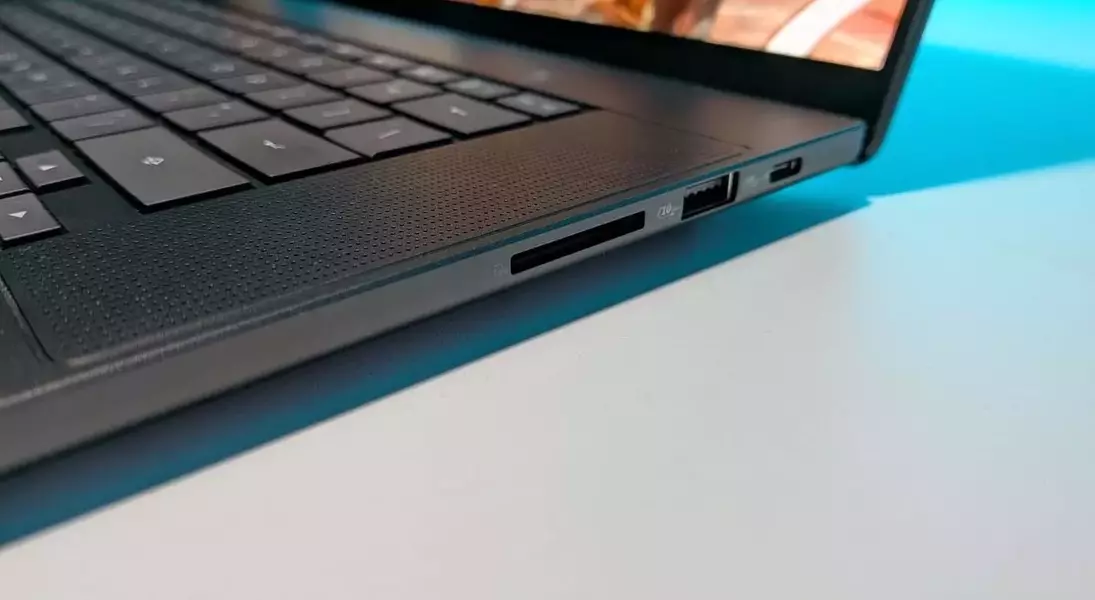
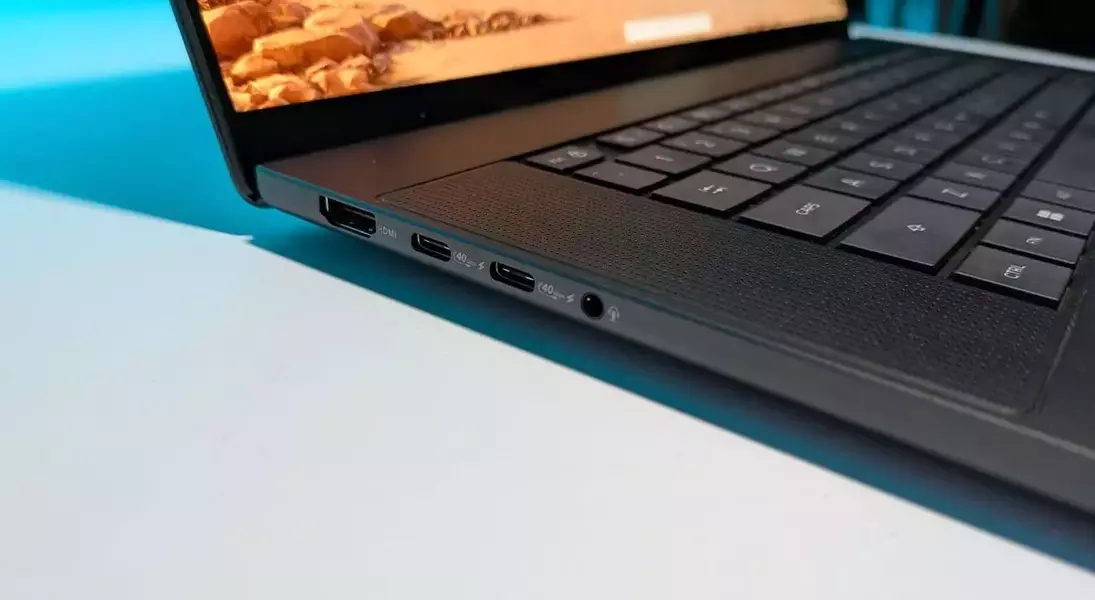
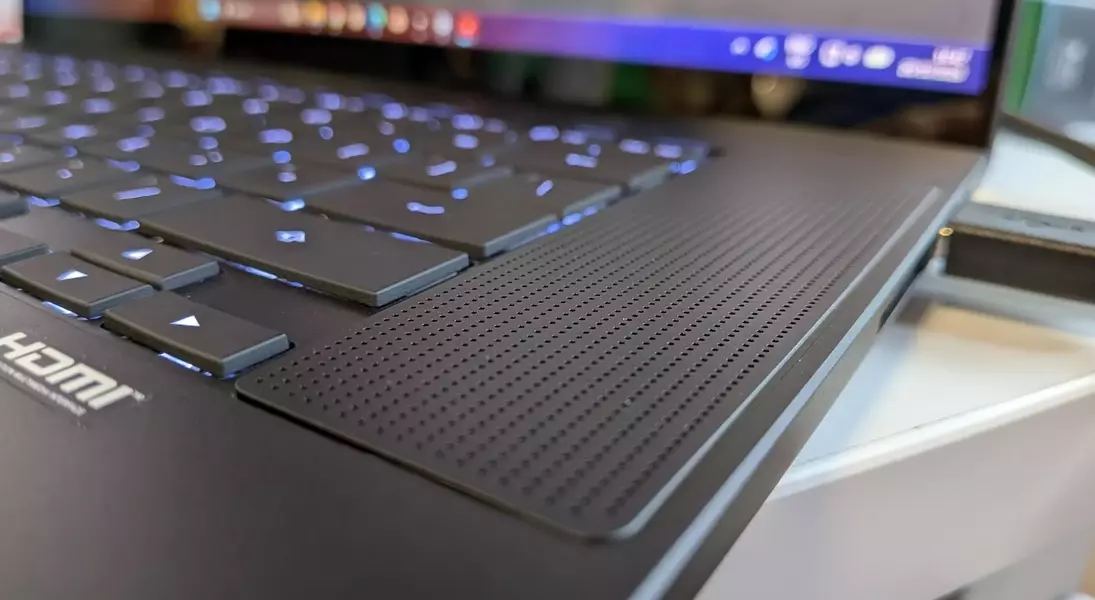
From an aesthetic perspective, the ProArt P16 is undeniably stylish, adopting a sleek black MacBook-like design with a subtle 'ProArt' logo. Its remarkably thin and rigid brushed aluminum chassis contributes to its premium feel, while remaining lightweight. The wide keycaps and expansive haptic touchpad offer a comfortable user experience, with the touchpad being particularly responsive. A minor quality control issue on the review unit was observed with the keyboard, which occasionally registered unintended keystrokes, and a non-functional webcam, indicating some inconsistencies in manufacturing. Despite these minor flaws, the laptop's overall appearance and build quality are impressive, and it notably resists fingerprints, maintaining its pristine look.
The audio performance of the ProArt P16 is surprisingly impressive for a laptop, featuring clear, powerful up-firing speakers with decent bass. While not a replacement for dedicated audio setups, they effectively enhance the user experience, even when the system is operating at full capacity, producing some fan noise. The ProArt Creator Hub software allows users to manage power and fan presets, with a 'Balanced' mode offering a significant reduction in fan noise with minimal performance impact, making it ideal for general use. The 'Whisper' mode further minimizes sound, though at the expense of GPU performance, making it less suitable for intensive tasks like gaming.
The performance profile of the RTX Spark is varied. As a first-generation NVIDIA product combining Arm cores with its own GPU, it's not without its challenges, particularly with game compatibility through Microsoft's Prism emulation layer and anti-cheat software. However, for an Arm-powered system, its gaming performance is quite commendable. While it may not consistently match the raw GPU power of more demanding mobile GPUs like the RTX 5070 in benchmarks such as Cyberpunk 2077 and Metro Exodus Enhanced Edition at 1080p, it achieves this with significantly lower power consumption. For instance, the ProArt P16 draws an average of 43W compared to the Razer Blade 14's 97W, delivering only slightly lower frame rates. In certain scenarios, such as the Black Myth Wukong benchmark with upscaling, it achieves performance parity with higher-power machines. However, CPU-intensive games like Baldur's Gate 3 show a noticeable performance gap due to emulation overhead and the single-threaded performance of the Arm cores, as corroborated by Cinebench 2024 benchmarks.
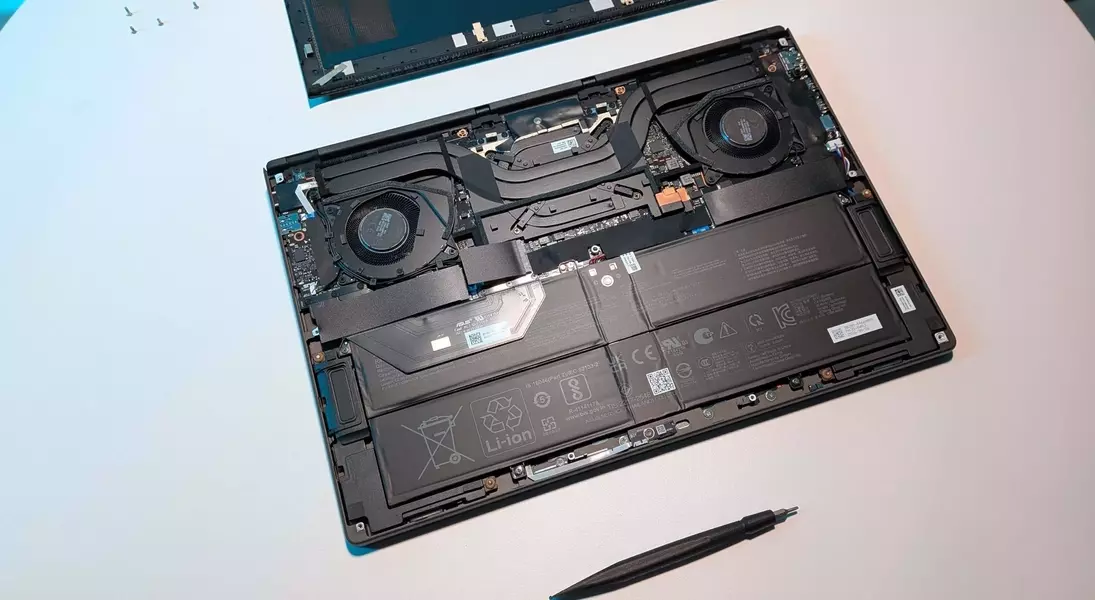
Battery life emerges as a significant point of concern. Despite a large 99.9 Whr battery and an energy-efficient Arm SoC, the ProArt P16’s battery performance was less than expected. Unlike other Snapdragon-equipped devices that boast extended battery life even in suspend mode, this laptop exhibited considerable power drain. Gaming battery life, tested with PCMark 10's dedicated gaming test, yielded a mere 86 minutes, considerably less than competitors like the Blade 14 and Framework 16, which both exceeded 130 minutes. This suggests that while the laptop is powerful, its unplugged endurance during demanding tasks such as gaming or running local AI models at full capacity is limited, necessitating frequent connection to a power source.
