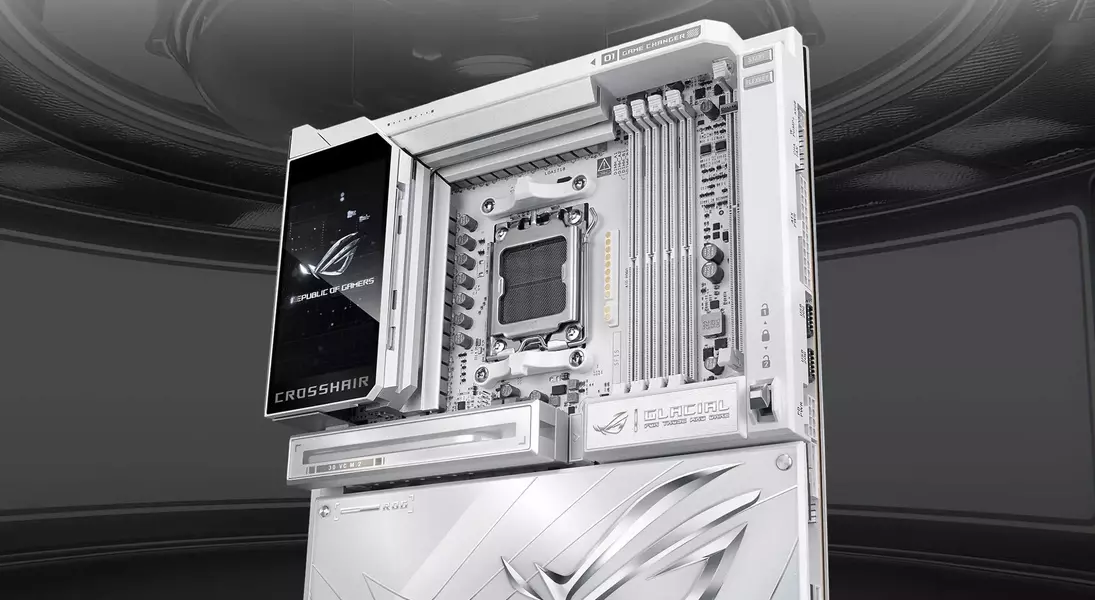
The process of assembling a new computer system can often be fraught with minor complexities, particularly when dealing with essential components like motherboards. ASUS is introducing a significant enhancement to user experience with its latest high-end offering, aiming to alleviate one such common headache: Wi-Fi driver installation. This article delves into how ASUS' innovative approach, by embedding Wi-Fi drivers directly onto the motherboard, simplifies the initial setup, especially in the context of modern operating system requirements.
Seamless Connectivity: ASUS Redefines PC Building Simplicity
The Perplexing Nature of Motherboard Reviews
Engaging with new motherboard models for evaluation frequently presents unexpected challenges. While managing intricate BIOS configurations and navigating various connector types are generally manageable aspects, the real frustration often arises when tackling Wi-Fi driver installations, particularly with brand-new chipsets. This scenario highlights the critical importance of ASUS' recent development.
Introducing the ASUS ROG Crosshair X870E Glacial: A Game Changer
The new ROG Crosshair X870E Glacial stands out not merely as another high-end ASUS product but for its groundbreaking inclusion of pre-installed Wi-Fi drivers. This feature addresses a long-standing issue faced by PC builders, simplifying what has often been a cumbersome part of the setup process. Beyond this significant innovation, the motherboard is also equipped with a comprehensive suite of advanced features and customizable options, reflecting its premium status and user-centric design.
Past Hurdles: The Frustration with Variable Wi-Fi Modules
Recalling previous experiences with ASUS motherboards, such as the TUF Gaming B860M-Plus WiFi, reveals the problematic nature of unpredictable component configurations. That particular model incorporated one of three distinct Wi-Fi modules, making it impossible to identify the correct driver set without physical inspection. This variability necessitated a trial-and-error approach to driver installation, a process that is far from user-friendly.
Windows 11's Impact on Initial Setup
The challenge of driver installation is exacerbated by modern operating systems like Windows 11, which increasingly mandate an internet connection during the initial setup phase. This requirement transforms the task of installing the correct Wi-Fi drivers into a complex juggling act involving USB drives and specific key commands, all to establish the basic network connectivity needed to proceed with the OS installation. The pre-installation of Wi-Fi drivers on the X870E Glacial directly mitigates this Windows 11-induced inconvenience.
The Solution: Onboard Driver Integration
The realization that the X870E Glacial integrates its Wi-Fi drivers directly onto the board, enabling them to activate during the Windows installation process, is a source of genuine enthusiasm. This design choice bypasses the need for manual driver searching and installation, significantly streamlining the initial setup for users. This foresight makes the process considerably smoother, addressing a common pain point for PC enthusiasts and builders alike.
Beyond ASUS: A Widespread Industry Challenge
This issue of variable Wi-Fi drivers isn't exclusive to ASUS; other manufacturers, such as Gigabyte, also face similar challenges. The core problem could largely be resolved if Microsoft allowed users to bypass the internet connectivity requirement during Windows installation. Even then, identifying the correct driver would remain a separate, albeit simpler, task.
The Future of Driver Installation: A Welcome Advancement
The trend towards automatic driver installation, especially for critical components like Wi-Fi, represents a positive evolution in motherboard design. While these automated processes typically occur after Windows is fully operational and depend on manufacturers providing up-to-date drivers, the initial pre-installation is a crucial first step. It significantly enhances the convenience of setting up a new system from scratch.
Cost Implications and Market Adoption
Integrating key drivers directly into the motherboard's onboard memory appears to be an optimal solution, despite the added manufacturing costs due to increased bill of materials and production time. While this might limit its immediate widespread adoption in budget-friendly motherboards, the rising costs of components like DRAM could prompt manufacturers to offer such features more broadly. Although this won't transform PC building into a simple plug-and-play activity, every step towards greater ease of use is a valuable improvement for the end-user experience.
