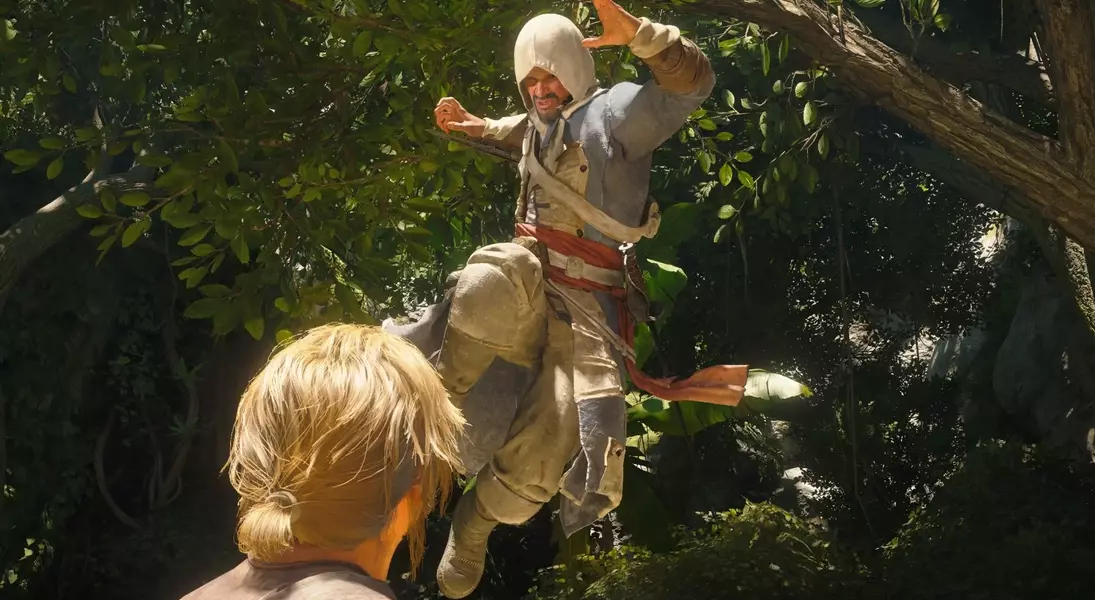
The release of Black Flag Resynced has reopened discussions among players about the combat mechanics within the Assassin's Creed series. This latest iteration, a revisited version of the classic, has prompted a critical look at how changes in gameplay can alter the fundamental experience of a beloved title.
Navigating the Evolving Seas of Combat: Resynced's Impact on Black Flag
Original Black Flag's Combat: A Fluid and Diverse Experience
The combat in the initial release of Black Flag was renowned for its fluid and visually spectacular nature. Players often found themselves engaging in an almost cinematic dance, effortlessly dispatching adversaries with a wide array of weapons. This included the stealthy hidden blades, powerful axes, and even muskets, each offering unique melee animations that added to the immersive pirate fantasy. This versatility allowed for various playstyles, from discreet assassinations to open, brutal confrontations, giving players a genuine sense of choice in how they approached encounters.
Resynced's Simplified Combat: A Narrower Path
In stark contrast, Black Flag Resynced has adopted a more constrained combat system, primarily limiting players to the use of cutlasses. This simplification, while potentially increasing the challenge by removing the 'cakewalk' feel of the original's endless chain finishers and generous counter windows, has also inadvertently stripped away much of the strategic depth. The absence of the varied weapon arsenal means that the dynamic and adaptable fighting styles that defined the original are no longer available, leading to a less diverse combat experience.
The Role of Tools Beyond Direct Confrontation
A crucial aspect often overlooked in the discussion of combat changes is the utility of weapons as tools for situational problem-solving. In the original Black Flag, items like muskets were not just for direct combat; they allowed players to neutralize distant threats such as sharpshooters, while throwing knives provided quick, discreet takedowns essential for stealth missions. These elements significantly influenced tactical approaches, offering players options beyond brute force. Resynced's removal of these temporary weapons diminishes the strategic layer, forcing a more linear engagement style and impacting the core Assassin's Creed premise of approaching situations with varied tools.
The Blunderbuss Opportunity: A Missed Enhancement
The introduction of a blunderbuss-wielding enemy in Resynced highlights a missed opportunity for gameplay enrichment. Imagine the tactical possibilities if players could acquire and utilize this powerful, short-range weapon, adding another layer to the already diverse temporary weapon system. Instead, the game offers a rope dart, which, while useful, doesn't quite fill the void left by the removed weapon variety. This decision underscores a shift in design philosophy that prioritizes a consistent, albeit less varied, combat experience over the expansive choices of the original.
Remake Identity: Upholding the Original's Essence
Ultimately, the debate boils down to the essence of a remake. For many, a true remake should allow players to experience the game with the same freedom and strategic options as the original, albeit with enhanced graphics and refined mechanics. When key elements, such as diverse combat choices and situational tools, are removed, the remake risks losing the distinct character that made the original so memorable. While Resynced may offer improved visuals and ship combat, its altered gameplay mechanics, particularly in close-quarters combat, fundamentally change the feel of the game, making it a distinctly different experience rather than a faithful evolution.
